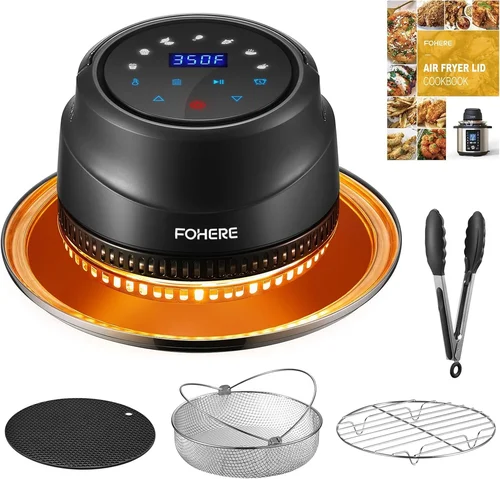
Air fryers have revolutionized home cooking over the past decade, offering a healthier alternative to deep frying without sacrificing crispiness or flavor. As demand for convenient, energy-efficient kitchen appliances continues to grow, manufacturers have responded with two distinct solutions: standalone air fryers and air fryer lids that convert existing pots—like Instant Pots—into air frying devices. This evolution has left many home cooks wondering which option truly delivers the best value, performance, and long-term usability.
Whether you’re a busy parent looking to prepare quick weeknight meals, a health-conscious individual aiming to reduce oil intake, or someone simply trying to declutter counter space, understanding the differences between these two technologies is essential. The choice isn’t just about functionality—it’s about aligning your kitchen setup with your lifestyle, budget, and cooking habits. In this comprehensive 2026 guide, we’ll break down every critical factor you need to consider when deciding between an air fryer lid and a standalone air fryer. From performance and versatility to cost and ease of use, you’ll walk away with the knowledge to make a confident, informed purchase.
The market today offers an overwhelming array of options. Standalone air fryers range from compact 2-quart models ideal for singles to large 8-quart units capable of feeding a family of six. Meanwhile, air fryer lids—especially those designed for popular multi-cookers like the Instant Pot Duo Crisp or compatible models—promise to transform your existing electric pressure cooker into a dual-function appliance. Both approaches have passionate advocates, but they also come with trade-offs. Some users love the simplicity of a dedicated device, while others appreciate the space-saving benefits of a convertible lid. Our goal is to cut through the marketing noise and give you a clear, unbiased comparison so you can choose the right tool for your kitchen—not just for today, but for years to come.

What to Look for When Buying Instant Pots
1. Budget & Price Range
Your budget is often the first and most decisive factor when choosing between an air fryer lid and a standalone air fryer. Standalone air fryers typically range from $50 for basic models to over $300 for high-end units with advanced features like dual-zone cooking, smart connectivity, or rotisserie functions. In contrast, air fryer lids are generally more affordable, with prices ranging from $60 to $120, but they require you to already own a compatible multi-cooker—such as an Instant Pot with a stainless steel inner pot and sufficient clearance for the lid to seal properly. If you don’t already have such a device, you’ll need to factor in the cost of purchasing one, which can push your total investment well above $150.
It’s important to consider not just the upfront cost but also long-term value. A standalone air fryer may seem pricier initially, but it offers dedicated functionality without relying on another appliance. An air fryer lid, while cheaper on its own, only makes sense if you already use your multi-cooker regularly. Otherwise, you’re paying for two appliances to do the job of one. Additionally, standalone models often include more accessories (like racks, trays, and skewers) out of the box, whereas lids may require separate purchases for optimal use.
2. Performance Specifications
Performance is where the differences between air fryer lids and standalone units become most apparent. Standalone air fryers are engineered specifically for convection-style cooking, featuring powerful heating elements (typically 1,500 to 1,800 watts) and high-speed fans that circulate hot air evenly around food. This results in faster preheating, more consistent browning, and better crispiness—especially for items like french fries, chicken wings, or roasted vegetables. Many premium models also offer precise temperature control (as low as 175°F for dehydrating or as high as 450°F for searing) and multiple cooking presets.
Air fryer lids, on the other hand, repurpose the heating base of your existing multi-cooker. While they do provide true convection cooking (unlike older “air fryer” lids that merely broiled), their performance is inherently limited by the base unit’s design. Most compatible Instant Pots max out at around 1,000–1,200 watts, which means slower heating and less intense airflow. This can lead to longer cook times and slightly less crispy results, particularly with larger or denser foods. Additionally, because the lid sits atop a deep pot, there’s less vertical space for air circulation, which may affect how evenly food cooks—especially if you’re not using a raised rack.
That said, newer air fryer lids (like the official Instant Pot Air Fryer Lid) have improved significantly, incorporating better fan designs and insulated lids to retain heat. For light to moderate use—such as reheating leftovers, making small batches of snacks, or cooking frozen foods—they perform admirably. But if you plan to air fry frequently or in larger quantities, a standalone unit will deliver superior results.
3. Build Quality & Durability
Durability matters, especially for an appliance you’ll use several times a week. Standalone air fryers are built as complete systems, with robust outer shells (often stainless steel or high-grade plastic), reinforced handles, and non-stick-coated baskets designed to withstand repeated use and high heat. Premium models feature dishwasher-safe components, scratch-resistant coatings, and reinforced hinges that won’t warp over time. Brands like Ninja, Cosori, and Philips are known for their reliable construction and attention to detail.
Air fryer lids, while generally well-made, are accessories—not primary appliances. They’re typically constructed from lightweight plastic or thin metal, with less structural reinforcement. The sealing mechanism must fit snugly on your pot, and repeated use can lead to wear on the silicone gasket or misalignment over time. Moreover, because they rely on the base unit’s integrity, any issue with your original multi-cooker (like a cracked lid or faulty sensor) can compromise the air frying function. That said, reputable brands like Instant Pot design their lids to meet the same safety and durability standards as their main products, so quality varies less than you might expect.
One durability advantage of standalone air fryers is repairability. If a component fails—say, the fan or heating element—many models allow for part replacements or are covered under warranty. With air fryer lids, repairs are rare, and replacements often mean buying a whole new lid. Consider how long you plan to keep the appliance and whether replacement parts or service are readily available in your region.
4. Features & Functionality
Modern air fryers come packed with features that go far beyond basic frying. Standalone models often include digital touchscreens, customizable cooking programs (for pizza, steak, fish, etc.), delayed start timers, keep-warm functions, and even app connectivity for remote monitoring. High-end units may offer dual baskets for cooking two foods at once with independent controls, rotisserie kits for whole chickens, or dehydrator modes for making fruit chips or jerky. These extras enhance convenience and expand your culinary repertoire.
Air fryer lids, by contrast, tend to be more minimalist. Most offer basic temperature and timer controls, sometimes with preset buttons for common tasks like “fries” or “chicken.” However, they inherit the interface of your existing multi-cooker, which may not be optimized for air frying. For example, if your Instant Pot has a simple dial or button panel, adjusting precise temperatures or timing air fry cycles can be less intuitive than on a dedicated air fryer with a full-color display. Additionally, since the lid shares the base unit’s power and processing capabilities, you can’t run air frying and pressure cooking simultaneously—a limitation that standalone units don’t have.
That said, the biggest functional advantage of an air fryer lid is versatility within a single footprint. If you already use your Instant Pot for soups, stews, rice, and yogurt, adding air frying capability turns it into a true multi-cooker. This reduces clutter and maximizes utility, especially in small kitchens. Just remember: you’re trading some air frying performance for added functionality.
5. Brand Reputation
Brand matters—not just for reliability, but for customer support, accessory availability, and software updates (for smart models). Established names like Instant Pot, Ninja, Cosori, Philips, and Breville have built strong reputations for quality and innovation in the air frying space. Instant Pot, in particular, dominates the multi-cooker market and offers one of the most trusted air fryer lids. Their products are widely reviewed, well-supported, and often come with extensive recipe libraries and community forums.
When considering lesser-known brands or budget models, do your homework. Check for consistent user feedback regarding longevity, ease of cleaning, and responsiveness of customer service. A cheap air fryer that breaks after six months isn’t a bargain—it’s a waste. Similarly, if you opt for an air fryer lid from a third-party manufacturer (rather than the original equipment maker), ensure it’s compatible with your specific model and meets safety certifications like UL or ETL.
Brand reputation also influences resale value and trade-in programs. Premium standalone air fryers from top brands hold their value better and are more likely to be accepted in upgrade programs. Air fryer lids, being niche accessories, have little to no resale market, so your investment is essentially sunk once purchased.
6. Warranty & Support
Warranty length and coverage can be a deciding factor, especially for higher-priced appliances. Most standalone air fryers come with a 1- to 2-year limited warranty, with some premium models offering up to 3 years. This typically covers defects in materials and workmanship but excludes normal wear and tear or damage from misuse. Reputable brands also provide accessible customer support via phone, email, or live chat, along with online troubleshooting guides and video tutorials.
Air fryer lids usually carry the same warranty as the base multi-cooker—often 1 year—but since they’re accessories, support may be more limited. If your lid malfunctions, you might need to prove it wasn’t caused by improper use or compatibility issues. Additionally, if your original Instant Pot is out of warranty, any problems with the combined system could leave you without recourse.
Before buying, check the manufacturer’s warranty policy and read user reviews about their claim process. A brand that honors warranties promptly and fairly is worth paying a little extra for. Also, consider extended warranty options if available—especially for standalone units used heavily in family households.
7. Size & Portability
Counter space is a precious commodity in modern kitchens, and both air fryer types have different spatial footprints. Standalone air fryers vary widely: compact 2- to 3-quart models are great for individuals or couples but take up dedicated space, while larger 6- to 8-quart units can dominate your countertop. However, many are designed with vertical profiles to minimize width, and some include nesting accessories to save storage room.
Air fryer lids win decisively in the space-saving category—if you already own a compatible multi-cooker. Instead of adding another appliance, you’re simply swapping lids. This is ideal for renters, small apartments, or minimalist kitchens where every inch counts. That said, the lid itself must be stored when not in use, and it’s bulkier than a standard lid due to the fan and heating elements. You’ll need cabinet or shelf space to keep it safe and dust-free.
Portability is another consideration. Standalone air fryers are self-contained and easy to move (though heavier models can be cumbersome). Air fryer lids require the base unit to function, so you can’t take just the lid to a friend’s house or on vacation. If you value mobility—for example, taking your air fryer to a cabin or office kitchen—a standalone model is the better choice.
8. User Reviews & Ratings
Never underestimate the power of real-world feedback. User reviews reveal patterns that specs sheets miss: how easy it is to clean, how loud the fan is, whether the non-stick coating peels, or if the timer beeps are annoyingly loud. For standalone air fryers, look for models with thousands of reviews averaging 4.5 stars or higher. Pay attention to comments about consistency—does it actually make crispy fries, or do they come out soggy?
For air fryer lids, reviews are especially important because compatibility and fit can vary. Some users report that third-party lids don’t seal properly on certain Instant Pot models, leading to steam leaks or inefficient cooking. Others praise the convenience but note that performance lags behind dedicated units. Focus on reviews from buyers who own the exact same multi-cooker model as you—this will give you the most accurate picture of what to expect.
Use trusted platforms like Amazon, Best Buy, or Consumer Reports, and filter for recent reviews (within the last 6–12 months) to account for product updates or quality changes. Also, watch unboxing and cooking demo videos on YouTube to see the appliance in action before you buy.
Different Types of Instant Pots

Common Buying Mistakes to Avoid
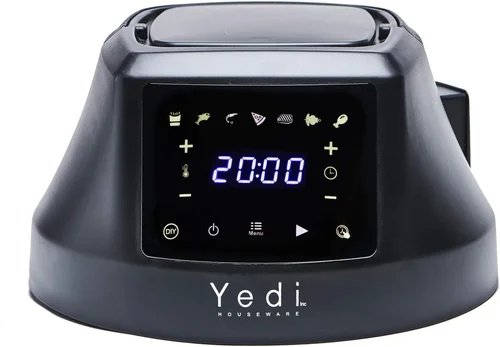
❌ Mistake: Buying an Air Fryer Lid Without Checking Compatibility
Why it’s bad: Not all air fryer lids fit all multi-cookers. Even within the Instant Pot lineup, differences in pot depth, lid diameter, and handle design can prevent a proper seal. A poorly fitting lid leads to steam leaks, inefficient cooking, and potential safety hazards.
What to do instead: Always verify compatibility with your specific model number before purchasing. Stick to OEM (original equipment manufacturer) lids when possible, or consult detailed fit guides from reputable third-party sellers.
❌ Mistake: Choosing Based Solely on Price
Why it’s bad: The cheapest option isn’t always the best value. A $50 air fryer may lack essential features like adjustable temperature, a non-stick basket, or reliable heating—leading to frustration and early replacement.
What to do instead: Balance cost with features you’ll actually use. Invest in a mid-range model ($100–$150) that offers durability, ease of cleaning, and consistent performance. Think long-term, not just upfront savings.
❌ Mistake: Ignoring Capacity Needs
Why it’s bad: A 2-quart air fryer won’t feed a family of four, and a 8-quart model is overkill for one person. Buying the wrong size leads to underutilization or constant batch cooking.
What to do instead: Estimate your typical meal size. For 1–2 people, 3–4 quarts is ideal. For families, aim for 5–6 quarts. If using an air fryer lid, ensure your base pot is large enough for the foods you plan to cook.
❌ Mistake: Overlooking Ease of Cleaning
Why it’s bad: Grease buildup in hard-to-reach areas breeds bacteria and affects performance. Non-removable parts or fragile coatings make cleaning a chore.
What to do instead: Choose models with dishwasher-safe, removable baskets and trays. Avoid units with complex internal mechanisms or non-stick coatings that scratch easily.
❌ Mistake: Assuming All “Air Fryers” Are Equal
Why it’s bad: Some budget devices marketed as “air fryers” are actually just convection toasters or broilers—they don’t circulate air effectively and won’t deliver crispy results.
What to do instead: Look for true convection technology with a dedicated fan and heating element. Read specs carefully and prioritize models with wattage above 1,200W for better performance.
❌ Mistake: Not Considering Noise Levels
Why it’s bad: Loud fans can be disruptive, especially in open-plan homes or during early morning cooking. Some models produce noise levels comparable to a vacuum cleaner.
What to do instead: Check decibel ratings in product descriptions or user reviews. Quieter models (under 60 dB) are available and worth the slight premium if noise is a concern.
❌ Mistake: Skipping the Return Policy Check
Why it’s bad: If the appliance doesn’t meet your expectations, you could be stuck with it. Some retailers have strict return windows or restocking fees.
What to do instead: Buy from retailers with generous return policies (30+ days, free returns). Test the appliance within the window to ensure it performs as expected.
Budget Guidelines: How Much Should You Spend?
- Entry-Level ($50–$90): Ideal for occasional use or small households. Expect basic functionality, smaller capacity (2–4 quarts), and simpler controls. Great for reheating or making snacks, but may lack precision or durability. Best for those testing air frying before committing.
- Mid-Range ($100–$180): The sweet spot for most buyers. These models offer reliable performance, larger capacities (5–6 quarts), digital controls, and better build quality. Many include useful presets, dishwasher-safe parts, and improved airflow. Standalone air fryers in this range often outperform pricier lids.
- Premium ($180–$250): Designed for enthusiasts and frequent cooks. Features may include dual baskets, smart connectivity, rotisserie functions, and advanced temperature control. Build quality is excellent, with stainless steel exteriors and long warranties. Worth it if you air fry multiple times per week.
- Luxury ($250+): Top-tier units with professional-grade performance, large capacities (7–8+ quarts), and cutting-edge tech like app integration, voice control, or multi-zone cooking. Best for large families, entertainers, or those who view air frying as a core cooking method.
Expert Tips for Getting the Best Deal
- Shop During Major Sales Events: Black Friday, Cyber Monday, Prime Day, and post-holiday clearances offer the deepest discounts on air fryers. Prices can drop 20–40%, especially on last year’s models.
- Compare Retailers: Don’t default to Amazon. Check Best Buy, Walmart, Target, and manufacturer websites. Sometimes exclusive bundles (with extra accessories) are available direct from the brand.
- Sign Up for Newsletters: Many retailers send early access codes or exclusive coupons to subscribers. You can always unsubscribe after securing your deal.
- Consider Refurbished or Open-Box: Certified refurbished models from reputable sellers often come with full warranties and sell for 20–30% less. Open-box items at big-box stores can be even cheaper.
- Check Return Policies Before Buying: Ensure you can return the item if it doesn’t meet expectations. Some online retailers charge restocking fees, while in-store purchases may have shorter windows.
- Test in Person When Possible: Visit a store to see the size, weight, and interface firsthand. This helps avoid surprises about noise, ease of use, or countertop fit.
- Look for Bundle Deals: Some retailers offer discounts when you buy an air fryer with other kitchen items. Even if you don’t need everything, the overall savings might justify it.
- Read the Fine Print on Warranties: Understand what’s covered and for how long. Register your product promptly to activate protection.

Frequently Asked Questions
Q: Can I use an air fryer lid on any Instant Pot?
A: No. Air fryer lids are only compatible with specific models that have a stainless steel inner pot and sufficient clearance. The most common compatible models include the Instant Pot Duo Crisp, Duo Plus, and some Ultra series. Always check the manufacturer’s compatibility list before purchasing.
Q: Is an air fryer lid as good as a standalone air fryer?
A: Not quite. While modern air fryer lids provide true convection cooking, they generally offer less power, slower preheating, and slightly less crispiness than dedicated units. However, for light to moderate use, the difference may be negligible—and the space-saving benefit is significant.
Q: Do I need to preheat an air fryer lid?
A: Yes, just like a standalone air fryer. Most recipes recommend preheating for 3–5 minutes to ensure even cooking and optimal crispiness. The lid will usually beep or indicate when ready.
Q: Can I pressure cook and air fry at the same time with an air fryer lid?
A: No. The air fryer lid replaces the standard lid, so you can only perform one function at a time. You must finish pressure cooking before switching to air frying.
Q: Are air fryer lids safe?
A: Yes, when used correctly with compatible models. OEM lids meet the same safety standards as the base appliance. Avoid third-party lids that lack certifications or fit poorly, as they may pose fire or steam leak risks.
Q: How do I clean an air fryer lid?
A: Most lids have removable, dishwasher-safe components like the basket and rack. The main lid body should be wiped with a damp cloth—never submerged. Always unplug and cool completely before cleaning.
Q: Will an air fryer lid work with my non-Instant Pot multi-cooker?
A: Unlikely. Air fryer lids are designed specifically for Instant Pot’s dimensions and electrical systems. Using them on other brands may void warranties or cause malfunctions.
Q: Can I make the same recipes in both types of air fryers?
A: Mostly yes, but adjust cooking times and temperatures slightly. Standalone units may cook faster due to higher wattage. Start with the recipe’s recommended settings and monitor closely the first few times.
Q: Do air fryer lids use more electricity than standalone models?
A: Not necessarily. Both use similar wattage (1,000–1,800W), but standalone units may be more efficient due to optimized design. Actual energy use depends on cook time and frequency.
Q: What’s the lifespan of an air fryer lid vs. a standalone air fryer?
A: With proper care, both can last 3–5 years or more. Standalone units may have longer lifespans due to sturdier construction, but air fryer lids benefit from being used less intensively (since they share duty with other functions).
Our Final Recommendations
- Best for Budget-Conscious Buyers: Ninja AF101 Air Fryer ($99) – Reliable performance, 4-quart capacity, and easy cleaning make this a standout entry-level choice.
- Best Overall Value: Cosori CP158-AF ($129) – Offers 5.8 quarts, 13 presets, quiet operation, and excellent crispiness at a mid-range price.
- Best Premium Option: Ninja Foodi DualZone AF400 ($229) – Dual independent baskets let you cook two foods at once with different settings—perfect for families.
- Best for Beginners: Instant Pot Duo Crisp + Air Fryer ($159) – Combines pressure cooking and air frying in one unit, ideal for those new to multi-cookers.
- Best for Advanced Users: Philips Premium Airfryer XXL ($299) – Uses patented Rapid Air Technology for superior browning and large capacity (7 quarts).
Conclusion: Making the Right Choice
Choosing between an air fryer lid and a standalone air fryer ultimately comes down to your kitchen ecosystem, cooking habits, and priorities. If you already own a compatible Instant Pot and value counter space and versatility, an air fryer lid is a clever, cost-effective upgrade that adds serious functionality without clutter. It’s perfect for occasional air frying, reheating, and experimenting with healthier versions of favorite foods.
On the other hand, if you’re starting fresh, cook frequently, or demand the crispiest results possible, a standalone air fryer is the superior investment. With better performance, more features, and dedicated design, it delivers consistent, restaurant-quality outcomes every time. Premium models offer even greater flexibility for serious home chefs.
Remember: there’s no universally “best” option—only the best fit for your lifestyle. Take stock of your current appliances, assess how often you’ll use air frying, and weigh the trade-offs between convenience, performance, and cost. Use the insights in this guide to narrow your choices, avoid common pitfalls, and select an appliance that will serve you well for years to come.
Whether you go with a sleek standalone unit or a clever convertible lid, you’re embracing a smarter, healthier way to cook. So fire up that basket, toss in some crispy potatoes, and enjoy the delicious results of your informed decision. Your future self—and your taste buds—will thank you.