Not all glass electric kettles are BPA free—despite popular belief. While the glass itself is naturally BPA-free, many models include plastic components like lids, handles, or seals that may contain BPA or other harmful chemicals. Always check the manufacturer’s materials list and certifications to ensure your kettle is truly safe.
Key Takeaways
- Glass is naturally BPA-free: Pure borosilicate or tempered glass doesn’t contain BPA, making it a safer material for heating water.
- Plastic parts may contain BPA: Lids, handles, buttons, and gaskets in glass kettles often use plastic that could leach BPA when heated.
- Look for BPA-free labels and certifications: Reputable brands clearly state “BPA-free” and may carry NSF, FDA, or LFGB certifications.
- Heat increases chemical leaching risk: Repeated heating can cause BPA to migrate from plastic into water, especially over time.
- Choose kettles with minimal plastic contact: Opt for models where only the base has plastic, and the water path is fully glass or stainless steel.
- Stainless steel interiors are a safer alternative: Some glass kettles feature stainless steel heating elements or liners to reduce plastic exposure.
- Regular cleaning helps maintain safety: Mineral buildup can trap chemicals; descale and clean your kettle monthly.
📑 Table of Contents
- Are All Glass Electric Kettles BPA Free? The Truth Behind the Glass
- What Is BPA and Why Should You Care?
- Glass Kettles: Naturally BPA-Free… But Not Always Safe
- Where BPA Hides in Glass Electric Kettles
- How to Choose a Truly BPA-Free Glass Electric Kettle
- Top BPA-Free Glass Electric Kettle Features to Look For
- Myths and Misconceptions About BPA in Kettles
- How to Maintain Your Glass Kettle for Long-Term Safety
- Conclusion: Make an Informed Choice
Are All Glass Electric Kettles BPA Free? The Truth Behind the Glass
When you’re shopping for an electric kettle, “glass” might sound like the healthiest, cleanest option. After all, glass doesn’t rust, doesn’t absorb odors, and looks sleek on your countertop. But here’s the catch: just because a kettle is made of glass doesn’t automatically mean it’s free from harmful chemicals like BPA.
BPA, or bisphenol A, is a synthetic compound once widely used in plastics and resins—especially polycarbonate plastics and epoxy linings. It’s been linked to hormonal disruptions, reproductive issues, and other health concerns. While many manufacturers have phased out BPA due to public pressure and regulations, it still lurks in some products—especially those exposed to heat, like electric kettles.
So, are all glass electric kettles BPA free? The short answer is no. While the glass body itself is naturally BPA-free, many glass kettles include plastic components that may contain BPA or similar chemicals. These parts—such as the lid, handle, control buttons, or internal seals—can come into contact with hot water, increasing the risk of chemical leaching.
In this guide, we’ll dive deep into what makes a glass electric kettle truly safe, how to spot hidden BPA sources, and what to look for when buying a non-toxic kettle. Whether you’re a tea lover, coffee enthusiast, or just someone who values clean, healthy water, this information will help you make a smarter, safer choice.
What Is BPA and Why Should You Care?
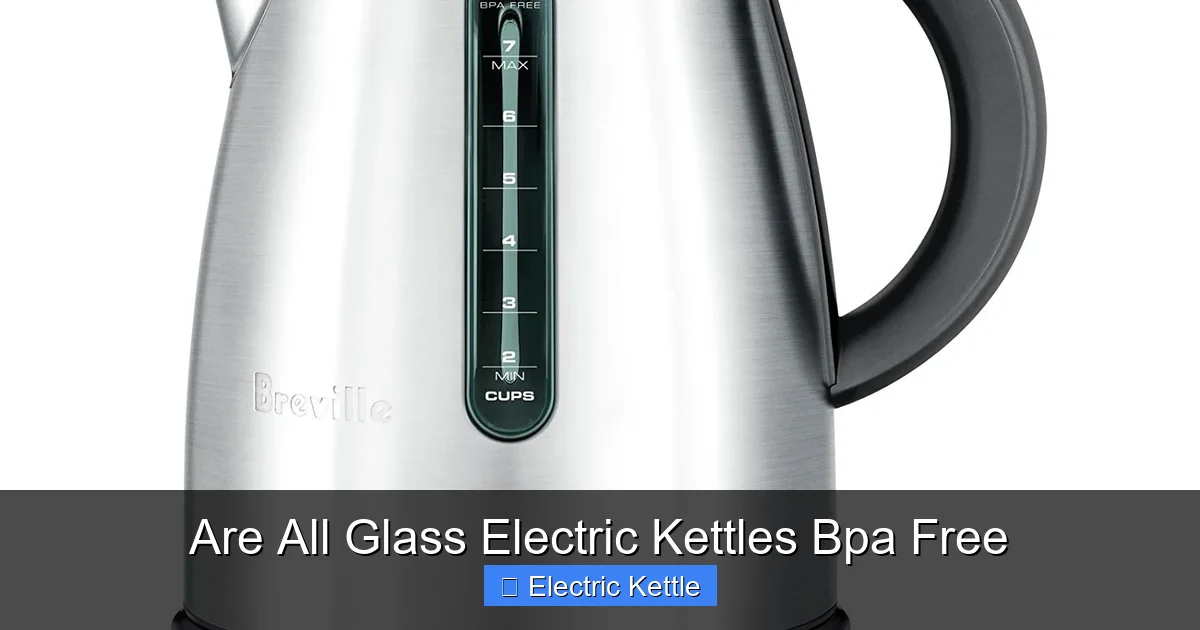
Visual guide about Are All Glass Electric Kettles Bpa Free
Image source: magneticcooky.com
Before we get into kettles, let’s talk about BPA itself. Bisphenol A (BPA) is an industrial chemical that has been used since the 1950s to make certain plastics and resins. It’s commonly found in polycarbonate plastics—the hard, clear type used in water bottles, food containers, and even the lining of canned foods.
So why is BPA a concern? Research has shown that BPA can mimic estrogen in the body, disrupting the endocrine system. Even low levels of exposure have been associated with a range of health issues, including:
– Hormonal imbalances
– Increased risk of obesity and diabetes
– Reproductive problems
– Developmental issues in children
– Potential links to certain cancers
The biggest danger comes when BPA leaches into food or drink—especially when containers are heated. That’s why baby bottles, water bottles, and food storage containers have been major targets for BPA-free reformulation.
Now, apply that logic to your electric kettle. Every time you boil water, you’re exposing the interior components to high heat. If any of those parts contain BPA, there’s a real risk that the chemical could migrate into your water—especially with repeated use.
That’s why it’s not enough to just see “glass” on the label. You need to look deeper.
Glass Kettles: Naturally BPA-Free… But Not Always Safe
Let’s start with the good news: glass itself is BPA-free. Whether it’s borosilicate glass (known for its heat resistance) or tempered glass, the material doesn’t contain BPA. In fact, high-quality glass is one of the safest materials for storing and heating liquids because it’s inert—meaning it doesn’t react with what’s inside.
But here’s where things get tricky. Most glass electric kettles aren’t made entirely of glass. They often include:
– A plastic lid (sometimes with a silicone seal)
– A plastic handle
– Plastic control buttons or switches
– A plastic or rubber gasket around the spout or lid
– A plastic base or housing for the heating element
Even if the main body is glass, these plastic parts can still contain BPA—or BPA alternatives like BPS or BPF, which may be just as harmful.
For example, imagine a sleek glass kettle with a clear plastic lid. That lid might be made of polycarbonate, a material historically loaded with BPA. When you boil water, steam and heat rise and hit the lid. Over time, that heat can cause BPA to leach from the plastic into the water—especially if the lid has tiny cracks or wear.
And it’s not just the lid. The handle might be made of heat-resistant plastic, but if it’s not labeled BPA-free, you’re taking a risk. The same goes for the buttons you press to start boiling. Even if they don’t touch the water directly, they’re part of the kettle’s design and can degrade over time.
So while the glass portion is safe, the overall product may not be. That’s why you can’t assume all glass electric kettles are BPA free.
Where BPA Hides in Glass Electric Kettles
To truly understand the risk, let’s break down the common components of a glass electric kettle and where BPA might be lurking.
The Lid
The lid is one of the biggest culprits. Many glass kettles have a plastic lid—often transparent—to allow you to see inside. This plastic is frequently polycarbonate, which may contain BPA. Even if it’s labeled “BPA-free,” it could contain BPS or BPF, which are chemically similar and may have similar health effects.
Some lids also include a silicone gasket to create a tight seal. While silicone is generally safe, low-quality versions can degrade and release chemicals when heated. Always check if the gasket is food-grade and BPA-free.
The Handle
Handles are usually made of plastic for insulation and comfort. But not all plastics are created equal. Some are made from BPA-containing resins, especially if the kettle is low-cost or from an unknown brand. Look for handles labeled “BPA-free” or made from safer materials like Tritan (a BPA-free copolyester).
Control Buttons and Switches
Touch buttons, dials, and switches are often plastic. While they don’t touch the water, they’re exposed to heat and steam. Over time, this can cause degradation and potential off-gassing. Choose kettles with minimal plastic controls or those made from certified safe materials.
The Base and Heating Element Housing
The base of the kettle houses the electrical components and heating element. This part is almost always plastic. While it doesn’t come into direct contact with water, it can still pose a risk if low-quality plastics are used. Some kettles have a stainless steel heating plate or concealed element, which reduces plastic contact.
Internal Seals and Gaskets
Tiny rubber or silicone rings are used to seal the lid, spout, or heating element. These can degrade over time, especially with repeated heating cycles. If they’re not food-grade or BPA-free, they may release harmful substances.
The Power Cord and Plug
While not directly related to water safety, the power cord and plug are often made with PVC or other plastics that may contain phthalates or BPA derivatives. This is less of a concern for drinking water, but it’s still worth noting for overall product safety.
How to Choose a Truly BPA-Free Glass Electric Kettle
Now that you know where BPA can hide, here’s how to find a glass electric kettle that’s truly safe.
1. Look for Clear “BPA-Free” Labeling
The easiest way to ensure safety is to buy from a brand that explicitly states “BPA-free” on the packaging or product description. Avoid vague terms like “non-toxic” or “food-safe” without certification.
2. Check for Third-Party Certifications
Reputable kettles often carry certifications like:
– NSF International: Ensures the product meets public health standards.
– FDA Approval: Indicates the materials are safe for food contact.
– LFGB (Germany): A strict European standard for food safety.
– RoHS Compliance: Limits hazardous substances in electronics.
These certifications add an extra layer of trust.
3. Prefer Minimal Plastic Contact
Choose a kettle where the water only touches glass or stainless steel. Some high-end models feature a fully glass interior with a stainless steel heating plate or concealed element. These are ideal because they eliminate plastic from the water path.
4. Opt for Borosilicate Glass
Borosilicate glass (like Pyrex) is more resistant to thermal shock than regular glass. It’s less likely to crack when exposed to rapid temperature changes, which means fewer micro-cracks where bacteria or chemicals could accumulate.
5. Avoid Cheap or Unknown Brands
Low-cost kettles often cut corners on materials. If a glass kettle is unusually cheap, it may use lower-quality plastics or skip safety testing. Stick to well-known brands with transparent material sourcing.
6. Read Customer Reviews
Look for reviews that mention material safety, odor, or taste. If multiple users report a plastic smell or chemical taste, that’s a red flag.
7. Consider Stainless Steel Alternatives
If you’re concerned about plastic, consider a stainless steel electric kettle. High-quality stainless steel (like 304 or 18/8) is naturally BPA-free and durable. Some models even have a glass window for visibility.
Top BPA-Free Glass Electric Kettle Features to Look For
When shopping, keep an eye out for these features that enhance safety and performance:
– Fully glass or stainless steel interior: No plastic parts touching the water.
– BPA-free plastic components: Clearly labeled on lids, handles, and buttons.
– Concealed heating element: Reduces mineral buildup and plastic contact.
– Auto shut-off and boil-dry protection: Prevents overheating and damage.
– Removable limescale filter: Makes cleaning easier and improves taste.
– Cool-touch handle and base: Improves safety and reduces heat transfer to plastic parts.
– LED indicator lights: Often use safer, low-heat LEDs instead of plastic-heavy displays.
Brands like Breville, Cuisinart, and OXO often prioritize safety and transparency. For example, the Breville BKE820XL IQ Electric Kettle uses borosilicate glass and clearly states that all plastic parts are BPA-free. Similarly, the OXO Brew Classic Glass Electric Kettle features a stainless steel heating plate and BPA-free lid and handle.
Myths and Misconceptions About BPA in Kettles
Let’s clear up some common myths that might be leading you astray.
Myth 1: “Glass means BPA-free.”
As we’ve seen, this isn’t always true. The glass body is safe, but plastic parts can still contain BPA. Always check the full product specs.
Myth 2: “BPA-free means completely safe.”
Not necessarily. Many “BPA-free” products use BPS or BPF as substitutes. These chemicals are structurally similar and may have similar health risks. Look for brands that avoid all bisphenols.
Myth 3: “Only the water path matters.”
While the water path is most critical, steam and heat can affect nearby plastic parts. A plastic lid above boiling water can still leach chemicals into the air or condensate.
Myth 4: “All plastic is bad.”
Not all plastics are equal. Food-grade Tritan, polypropylene (PP), and high-density polyethylene (HDPE) are generally safe and BPA-free. The issue is with low-quality or unlabeled plastics.
Myth 5: “You can’t taste BPA.”
You might not taste BPA directly, but degraded plastics can give water a chemical or plastic-like flavor. If your boiled water tastes off, it could be a sign of material breakdown.
How to Maintain Your Glass Kettle for Long-Term Safety
Even the safest kettle needs proper care to stay BPA-free and functional.
Clean Regularly
Mineral buildup (limescale) can trap chemicals and harbor bacteria. Descale your kettle monthly using white vinegar or a commercial descaler. Rinse thoroughly.
Avoid Harsh Cleaners
Don’t use abrasive scrubbers or bleach, which can scratch glass or degrade plastic seals. Stick to mild soap and water.
Inspect for Damage
Check the lid, handle, and seals for cracks, warping, or discoloration. Damaged plastic is more likely to leach chemicals.
Don’t Overheat
Avoid boiling the kettle dry or running it without water. This can damage the heating element and surrounding plastics.
Store Properly
Keep your kettle in a dry, cool place. Avoid stacking heavy items on top, which can crack the glass or warp plastic parts.
Conclusion: Make an Informed Choice
So, are all glass electric kettles BPA free? The answer is clear: no, not all of them are. While the glass body is naturally free of BPA, many models include plastic components that may contain this harmful chemical—or its equally concerning substitutes.
The key to safety is transparency. Always read the product description, look for certifications, and choose brands that prioritize non-toxic materials. Opt for kettles with minimal plastic contact, especially in the water path, and avoid cheap, unbranded options.
Investing in a high-quality, BPA-free glass electric kettle isn’t just about taste—it’s about your health. Every cup of tea, coffee, or instant oatmeal starts with water. Make sure that water is as clean and chemical-free as possible.
By staying informed and making smart choices, you can enjoy the clarity and elegance of a glass kettle without compromising on safety. Your body—and your taste buds—will thank you.
Frequently Asked Questions
Are glass electric kettles safer than plastic ones?
Generally, yes—glass kettles are safer because glass itself doesn’t leach chemicals. However, many glass kettles include plastic parts that may contain BPA. Always check the materials list to ensure full safety.
Can BPA leach into water from a kettle lid?
Yes, especially if the lid is made of polycarbonate plastic and exposed to repeated heating. Steam and heat can cause BPA to migrate into water over time, particularly if the plastic is worn or cracked.
What does “BPA-free” really mean?
“BPA-free” means the product doesn’t contain bisphenol A. However, it may still contain similar chemicals like BPS or BPF. Look for brands that avoid all bisphenols for maximum safety.
How can I tell if my kettle has BPA?
Check the product manual, packaging, or manufacturer’s website. Reputable brands will clearly state if all components are BPA-free. If there’s no information, assume it may contain BPA.
Is borosilicate glass better than regular glass for kettles?
Yes. Borosilicate glass is more resistant to thermal shock, meaning it’s less likely to crack when heated. It’s also more durable and safer for repeated use.
Should I avoid all plastic in electric kettles?
Not necessarily. Food-grade, BPA-free plastics like Tritan or polypropylene are safe when used correctly. The key is to minimize plastic contact with hot water and choose certified materials.