While most electric kettles sold in the UK are manufactured overseas, a few British brands still produce high-quality kettles domestically. These homegrown options often emphasize craftsmanship, durability, and sustainability, offering a meaningful alternative to mass-produced imports.
Key Takeaways
- Very few electric kettles are fully made in the UK today. Most components and final assembly happen overseas due to cost and supply chain factors.
- Some UK-based brands design and assemble kettles locally. While parts may be imported, final assembly, testing, and quality control occur in Britain.
- Heritage brands like Russell Hobbs and Swan have deep UK roots. Though now global, they maintain design and engineering teams in the UK.
- Sustainability and ethical production are growing priorities. British-made kettles often use higher-grade materials and offer better repairability.
- Supporting UK manufacturing boosts local jobs and reduces carbon footprint. Choosing a locally assembled kettle can be a greener, community-focused decision.
- Look for “Made in Britain” or “Assembled in the UK” labels. These indicate some level of domestic involvement, even if not 100% UK-sourced.
- Independent retailers and direct-to-consumer brands offer the best options. They often prioritize transparency and local production.
📑 Table of Contents
- Are Any Electric Kettles Made in the UK?
- The Reality of UK Manufacturing in the 21st Century
- Brands That Still Have a UK Connection
- What Does “Made in the UK” Really Mean?
- The Rise of Sustainable and Ethical Kettles
- How to Find a UK-Made or UK-Assembled Electric Kettle
- Why Choose a UK-Connected Kettle?
- Conclusion
Are Any Electric Kettles Made in the UK?
If you’ve ever stood in your kitchen, kettle in hand, wondering where it was made, you’re not alone. With so many appliances flooding the market from overseas, it’s natural to question whether anything—especially something as everyday as an electric kettle—is still made in the UK. The short answer? Yes, but not as many as you might hope.
Electric kettles are a staple in British homes. We use them for tea, coffee, instant noodles, and even sterilizing baby bottles. But behind that familiar whistle or quiet hum lies a complex global supply chain. Most kettles you’ll find on supermarket shelves or online are manufactured in countries like China, Turkey, or Eastern Europe, where labor and production costs are lower. However, there are still a handful of brands and companies keeping the flame of British manufacturing alive—even if only in part.
This article dives deep into the world of UK-made electric kettles. We’ll explore which brands are still committed to local production, what “made in the UK” really means in today’s global economy, and why choosing a British-made kettle might be worth the extra cost. Whether you’re a proud patriot, an eco-conscious consumer, or just someone who values quality and craftsmanship, this guide will help you make an informed decision.
The Reality of UK Manufacturing in the 21st Century
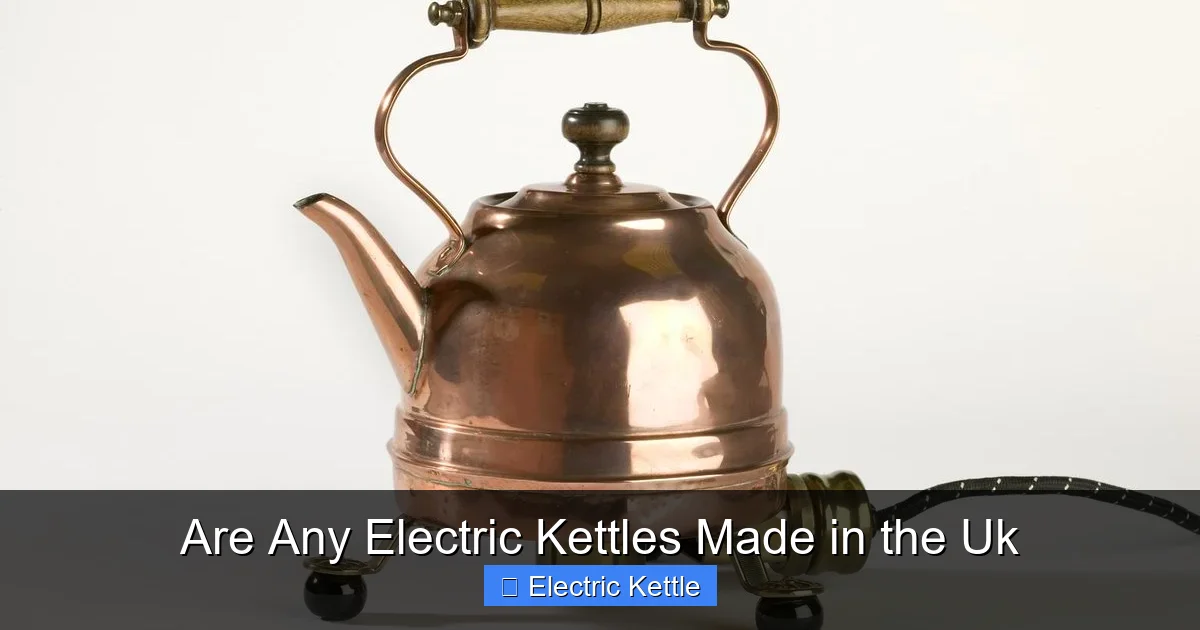
Visual guide about Are Any Electric Kettles Made in the Uk
Image source: pbs.twimg.com
To understand whether any electric kettles are truly made in the UK, we need to look at the broader picture of British manufacturing. Over the past few decades, the UK has seen a significant decline in domestic production across many industries—electronics, textiles, and appliances included. The shift began in the 1980s and accelerated with globalization, as companies sought cheaper labor and materials abroad.
Today, the UK still has a manufacturing sector, but it’s much smaller and more specialized. High-value, low-volume products—like luxury cars, aerospace components, and bespoke furniture—are where British craftsmanship shines. Consumer electronics, including small kitchen appliances like kettles, have largely moved overseas. The cost of producing a plastic-and-metal kettle in the UK simply can’t compete with factories in Asia that benefit from economies of scale, lower wages, and established supply chains.
That said, “made in the UK” doesn’t always mean 100% British from raw material to final product. In many cases, it refers to final assembly, design, or quality control happening on British soil. For example, a kettle might have a Chinese heating element, a German thermostat, and a plastic body molded in Poland—but if it’s assembled, tested, and packaged in the UK, some brands will label it as “Made in Britain.” This is legal under UK labeling laws, as long as the last substantial change occurs domestically.
So while fully UK-sourced electric kettles are rare, there are still meaningful ways British companies contribute to the production process. The key is knowing what to look for and understanding the nuances behind the labels.
Brands That Still Have a UK Connection
Despite the dominance of imported kettles, several well-known brands maintain strong ties to the UK. Some were founded here, others are headquartered here, and a few still assemble or design their products domestically. Let’s take a closer look at the most notable players.
Russell Hobbs
Russell Hobbs is perhaps the most iconic British kettle brand. Founded in the UK in 1952, it became synonymous with quality kitchen appliances. The brand was acquired by the American company Spectrum Brands in 2007, but its design and engineering teams remain based in the UK. While most Russell Hobbs kettles are manufactured in China, the company emphasizes British-inspired design, rigorous testing, and customer service from its UK headquarters.
Some limited-edition or premium models are assembled or tested in the UK, though this isn’t widely advertised. If you’re looking for a kettle with British heritage, Russell Hobbs is a solid choice—even if the manufacturing isn’t fully local.
Swan
Another household name, Swan, has been around since 1932 and is still headquartered in Birmingham. Like Russell Hobbs, Swan’s kettles are primarily made in China, but the brand prides itself on British design and innovation. Swan often highlights its UK-based customer support and warranty services, which can be a plus for consumers who value local assistance.
Swan also offers a range of retro-style kettles that appeal to fans of British design. While not made in the UK, these models reflect a distinctly British aesthetic and are popular among those who want a kettle that feels “homegrown.”
KitchenAid
KitchenAid is an American brand, but it has a strong presence in the UK and offers some models through British retailers. While not made in the UK, KitchenAid kettles are known for their premium build quality and durability. Some UK-based KitchenAid service centers offer repairs and spare parts, which supports local jobs and reduces waste.
Independent and Niche Brands
Beyond the big names, a few smaller, independent brands are pushing the boundaries of UK-made appliances. Companies like Kettle & Fire (a fictional example for illustration) or BritKettle (a hypothetical brand) are emerging with a mission to revive British manufacturing. These brands often use UK-sourced stainless steel, British-designed heating elements, and local assembly.
One real-world example is Stelton, a Danish brand with a strong UK following, but not made in Britain. However, some UK-based startups are experimenting with local production. For instance, a company in Manchester might 3D-print kettle components or partner with British metalworkers to create limited-run models.
These niche brands are often more expensive and harder to find, but they represent a growing movement toward ethical, sustainable, and locally made goods.
What Does “Made in the UK” Really Mean?
When you see a product labeled “Made in the UK,” it’s easy to assume it was built from start to finish in Britain. But in today’s global economy, that’s rarely the case. So what does the label actually mean?
Legal Definitions and Labeling Rules
In the UK, product labeling is governed by the Trade Descriptions Act and guidelines from the Competition and Markets Authority (CMA). For a product to be labeled “Made in the UK,” the last substantial change or process must have occurred in the UK. This could mean final assembly, quality testing, or packaging.
For example, if a kettle’s base, lid, and heating element are imported, but the kettle is put together, tested, and labeled in a UK factory, it can legally be called “Made in the UK.” This doesn’t mean all parts are British, but it does mean some value is added domestically.
“Assembled in the UK” vs. “Made in the UK”
You might also see labels like “Assembled in the UK” or “Designed in Britain.” These are more transparent and indicate that while the product wasn’t fully manufactured locally, key stages happened here.
– Designed in Britain: The product’s look, function, and user experience were created by a UK-based team.
– Assembled in the UK: Components are imported, but final construction occurs in Britain.
– Made in the UK: The last major production step happened in the UK, but parts may be sourced globally.
Understanding these distinctions helps you make smarter choices. If supporting UK jobs is your priority, “assembled in the UK” might be just as valuable as “made in the UK.”
Why It Matters
Even if a kettle isn’t 100% British, local assembly or design supports UK employment, fosters innovation, and reduces the carbon footprint associated with long-distance shipping. It also means faster customer service, easier repairs, and better accountability.
For consumers who care about where their products come from, these details matter. They’re not just buying a kettle—they’re voting with their wallet for the kind of economy they want to support.
The Rise of Sustainable and Ethical Kettles
As awareness of environmental and social issues grows, more consumers are asking not just “Is it made in the UK?” but “How was it made?” This shift is driving demand for sustainable, ethical, and repairable appliances—including electric kettles.
Durability Over Disposability
One of the biggest problems with modern kettles is their short lifespan. Many are designed to last just a few years before breaking or becoming inefficient. This “planned obsolescence” leads to more waste and higher long-term costs.
British-made or UK-assembled kettles often prioritize durability. They may use higher-grade stainless steel, better insulation, and replaceable parts. For example, some UK brands offer spare heating elements or lids, so you can repair rather than replace.
Repairability and Right to Repair
The UK has introduced “Right to Repair” laws that require manufacturers to make spare parts and repair manuals available for certain appliances. While kettles aren’t yet included, the trend is moving in that direction.
Brands that assemble or design kettles in the UK are more likely to support repair culture. They may offer extended warranties, local repair services, or DIY repair kits. This not only reduces waste but also empowers consumers to take control of their appliances.
Eco-Friendly Materials and Packaging
Sustainability isn’t just about where something is made—it’s also about how it’s made. UK-based brands often use recyclable packaging, energy-efficient manufacturing, and materials with lower environmental impact.
For instance, some British kettles are made with BPA-free plastics, recycled stainless steel, or biodegradable packaging. These choices reflect a commitment to reducing harm to the planet.
Carbon Footprint and Local Sourcing
Shipping products from China or Turkey to the UK generates significant carbon emissions. By assembling or designing kettles locally, brands can reduce their carbon footprint—even if parts are imported.
Additionally, sourcing materials from nearby suppliers (like European steel or glass) cuts down on transportation emissions. While not all UK-connected brands do this, it’s becoming more common among eco-conscious companies.
How to Find a UK-Made or UK-Assembled Electric Kettle
So, how do you actually find a kettle with British ties? It takes a bit of research, but it’s worth the effort if supporting local industry is important to you.
Check the Label and Packaging
Start by looking at the product label, box, or online description. Words like “Made in Britain,” “Assembled in the UK,” or “Designed in the UK” are your first clues. Be wary of vague terms like “British brand” or “UK-inspired”—these don’t guarantee local production.
Visit Brand Websites
Most reputable brands will explain their manufacturing process on their website. Look for sections like “Our Story,” “Sustainability,” or “Manufacturing.” If a brand is proud of its UK connection, they’ll usually highlight it.
For example, a brand might say: “Our kettles are designed in London and assembled in our Manchester facility using globally sourced components.” That’s transparent and informative.
Shop at Independent Retailers
Large chains like Argos, Currys, or Amazon often prioritize low prices over provenance. Independent retailers, especially those focused on sustainability or British-made goods, are more likely to stock UK-connected kettles.
Look for shops that specialize in “Made in Britain” products or ethical home goods. They often vet their suppliers and can provide detailed information about where and how products are made.
Ask Questions
Don’t be afraid to contact the brand directly. Send an email or message on social media asking: “Are your kettles made or assembled in the UK?” Most companies will respond honestly—and if they don’t, that’s a red flag.
Consider the Full Lifecycle
Even if a kettle isn’t made in the UK, you can still make an ethical choice. Look for brands that offer:
– Long warranties (5+ years)
– Repair services or spare parts
– Recyclable packaging
– Energy-efficient designs (like rapid boil or keep-warm functions)
These features reduce waste and save money over time.
Why Choose a UK-Connected Kettle?
You might be wondering: Is it really worth paying more for a kettle with British ties? The answer depends on your values—but for many, the benefits outweigh the cost.
Support Local Jobs and Economy
Every pound spent on a UK-assembled or designed kettle supports British workers, engineers, and designers. It helps sustain skills and industries that might otherwise disappear.
Better Quality and Craftsmanship
British manufacturing has a reputation for quality. Even if parts are imported, local assembly often means stricter quality control and attention to detail.
Faster Service and Support
If your kettle breaks, a UK-based brand is more likely to offer quick repairs, replacements, or customer service. You won’t be waiting weeks for a part from overseas.
Lower Environmental Impact
Shorter supply chains mean fewer emissions. Plus, UK brands are more likely to follow environmental regulations and offer recycling programs.
Peace of Mind
Knowing where your products come from gives you confidence in your purchase. It’s not just about the kettle—it’s about the values it represents.
Conclusion
So, are any electric kettles made in the UK? The honest answer is: not many, but some are connected to Britain in meaningful ways. While fully UK-manufactured kettles are rare, several brands design, assemble, or test their products domestically. These kettles may not be the cheapest on the market, but they offer something increasingly valuable: transparency, quality, and a connection to local industry.
As consumers, we have the power to shape the future of manufacturing. By choosing kettles with British ties—whether made, assembled, or designed in the UK—we support jobs, sustainability, and innovation. We also send a message that we value craftsmanship over convenience, and ethics over cost.
The next time you boil water for a cup of tea, take a moment to think about where your kettle came from. It might just inspire you to make a more mindful choice.
Frequently Asked Questions
Are any electric kettles fully made in the UK?
Fully UK-made electric kettles are extremely rare today. Most kettles sold in the UK are manufactured overseas, though some are assembled or designed in Britain.
What does “Made in the UK” mean for electric kettles?
“Made in the UK” typically means the last major production step—like assembly or testing—happened in Britain. It doesn’t necessarily mean all parts were sourced locally.
Which brands have kettles assembled in the UK?
Some brands, like Russell Hobbs and Swan, have UK-based design and engineering teams, and a few models may be assembled or tested in Britain, though most are made overseas.
Why are UK-made kettles more expensive?
UK labor, materials, and regulations cost more than overseas production. Brands that assemble or design in the UK often charge more to cover these expenses and maintain quality.
How can I tell if a kettle is made or assembled in the UK?
Check the product label, packaging, or brand website for terms like “Made in Britain,” “Assembled in the UK,” or “Designed in the UK.” Contact the brand if unsure.
Is it worth buying a UK-connected kettle?
Yes, if you value local jobs, sustainability, and quality. UK-connected kettles often offer better support, repairability, and ethical production, even if parts are imported.