Very few electric kettles are fully manufactured in the USA, but some brands assemble or design them domestically. While most components come from overseas, a handful of companies prioritize American labor and quality control, offering kettles with “Made in USA” labels or strong domestic ties.
Key Takeaways
- True “Made in USA” electric kettles are rare: Most electric kettles sold in the U.S. are manufactured overseas, primarily in China, due to cost and supply chain efficiencies.
- Some brands assemble or design in the USA: A few companies, like Breville and Cuisinart, design their kettles in the U.S. but manufacture them abroad—look for “Designed in USA” labels.
- American-made components exist: Certain brands use U.S.-sourced materials or partner with domestic suppliers for parts like cords or packaging.
- Small-batch and boutique makers offer alternatives: Niche brands and artisans sometimes produce handcrafted or limited-run electric kettles in the U.S., though at higher price points.
- Certifications matter: Look for the “Made in USA Certified” seal or FTC-compliant labeling to verify claims—beware of misleading marketing.
- Supporting domestic innovation is possible: Even if not fully made in the U.S., choosing brands that invest in American R&D or jobs supports local economies.
- Future trends may shift production: Rising interest in onshoring and supply chain resilience could lead to more U.S.-made appliances in the coming years.
📑 Table of Contents
- Are Any Electric Kettles Made in the USA?
- The Reality of Electric Kettle Manufacturing
- Brands with American Ties: Design, Assembly, and Components
- Are There Any Truly American-Made Electric Kettles?
- What to Look for When Buying an American-Made Kettle
- The Future of American-Made Appliances
- Conclusion: Making an Informed Choice
Are Any Electric Kettles Made in the USA?
If you’re standing in your kitchen, staring at a sleek electric kettle and wondering, “Was this made in the USA?”—you’re not alone. With growing concerns about product quality, environmental impact, and supporting local economies, more Americans are asking where their appliances come from. Electric kettles, a staple in modern homes for quickly boiling water for tea, coffee, or instant meals, are no exception.
The short answer? Very few electric kettles are fully manufactured in the United States. Most are produced overseas, especially in China, where manufacturing costs are lower and supply chains are well-established. However, that doesn’t mean there aren’t options for those who want to support American-made products. Some brands design their kettles in the U.S., assemble them domestically, or use American-sourced components. While true “Made in USA” electric kettles are rare, they do exist—if you know where to look.
In this guide, we’ll explore the current landscape of electric kettle manufacturing in the U.S., highlight brands with strong American ties, and help you make an informed decision based on your values and needs. Whether you’re a tea enthusiast, a coffee connoisseur, or just someone who wants to reduce their carbon footprint, understanding where your kettle comes from matters.
The Reality of Electric Kettle Manufacturing
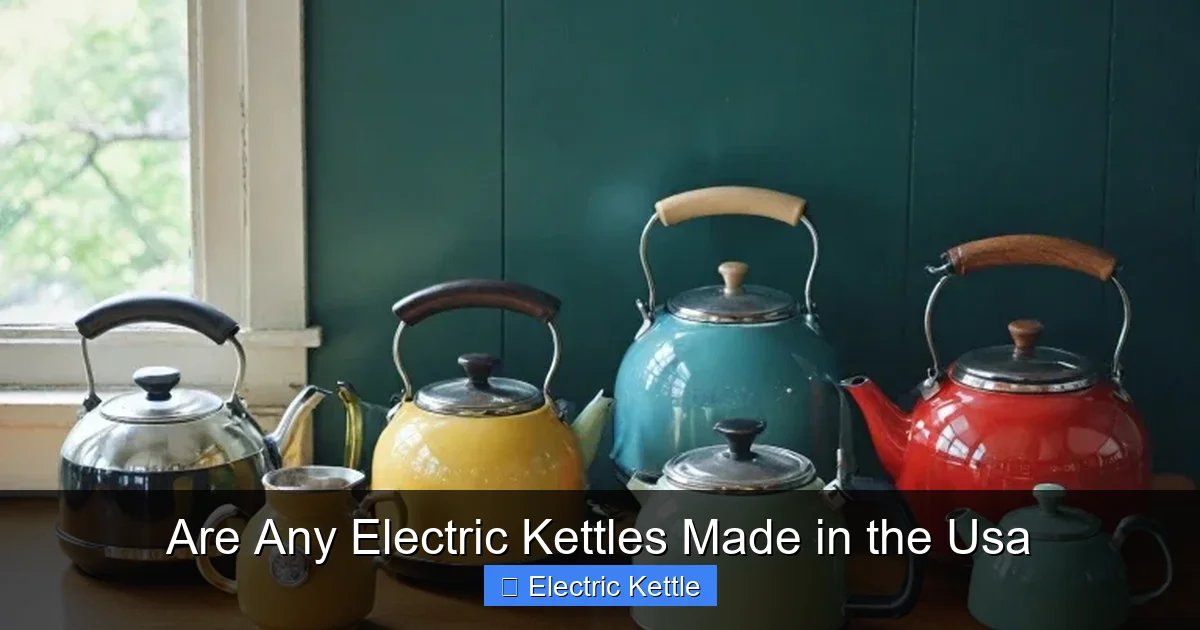
Visual guide about Are Any Electric Kettles Made in the Usa
Image source: electric-kettle-guru.com
Let’s start with the facts: the vast majority of electric kettles sold in the United States are not made here. According to industry reports and consumer surveys, over 90% of small kitchen appliances—including electric kettles—are manufactured in China. This is due to several factors: lower labor costs, established electronics supply chains, and economies of scale that make overseas production significantly cheaper.
But why is this the case? Electric kettles are complex devices. They contain heating elements, thermostats, circuit boards, plastic or stainless steel bodies, and electrical components—all of which require specialized manufacturing. Building these parts domestically would increase production costs, which would then be passed on to consumers. As a result, most major brands—like Hamilton Beach, OXO, and KitchenAid—opt to manufacture their kettles overseas to keep prices competitive.
That said, the story isn’t entirely black and white. Some companies take a hybrid approach. For example, they may design the kettle in the U.S., source certain components domestically, and then assemble the final product abroad. Others may assemble the kettle in the U.S. using imported parts. These nuances matter when evaluating whether a product truly supports American manufacturing.
What Does “Made in USA” Really Mean?
The term “Made in USA” can be confusing. The Federal Trade Commission (FTC) regulates these claims and requires that products labeled as such be “all or virtually all” made in the United States. This means that all significant parts, processing, and labor must be of U.S. origin. However, enforcement can be inconsistent, and some brands use creative wording to imply domestic production without meeting the full standard.
For example, you might see labels like:
– “Designed in the USA”
– “Assembled in the USA”
– “Proudly engineered in California”
These phrases sound patriotic, but they don’t guarantee that the product was fully made in America. A kettle “designed in the USA” might still be manufactured entirely in China. Similarly, “assembled in the USA” could mean that imported parts are simply put together in a U.S. facility—a process that requires minimal labor and doesn’t significantly contribute to domestic manufacturing.
To avoid confusion, look for third-party certifications like “Made in USA Certified,” which requires rigorous audits to verify claims. This label gives consumers more confidence that the product meets high standards of domestic production.
Why Is Domestic Manufacturing So Rare?
The decline of U.S. manufacturing in the small appliance sector dates back several decades. Starting in the 1980s and accelerating in the 1990s, companies began moving production overseas to cut costs. This trend was driven by globalization, trade agreements, and the rise of contract manufacturers in Asia.
Electric kettles, in particular, are not ideal candidates for U.S. production. They require precision engineering, high-volume output, and access to specialized materials—all of which are more efficiently handled in countries with established electronics industries. Additionally, the U.S. lacks the infrastructure and skilled labor base needed to compete on price with overseas manufacturers.
Another factor is consumer demand. Most Americans prioritize price and convenience over origin. As long as a kettle works well and costs under $50, many shoppers don’t care where it was made. This lack of demand for domestically produced appliances discourages companies from investing in U.S. manufacturing facilities.
Brands with American Ties: Design, Assembly, and Components
While fully American-made electric kettles are scarce, several brands have strong connections to the U.S. market. These companies may not manufacture their kettles domestically, but they contribute to the American economy through design, innovation, and job creation.
Breville: Designed in the USA, Made Overseas
Breville is one of the most popular electric kettle brands in the U.S., known for its sleek designs and advanced features like temperature control and keep-warm functions. While Breville kettles are manufactured in China, the company emphasizes that they are designed in California. Their U.S. headquarters in Torrance, California, houses a team of engineers and designers who develop new products tailored to American consumers.
This “designed in the USA” model allows Breville to respond quickly to market trends and customer feedback. For example, their Smart Kettle series was developed based on input from U.S. tea and coffee drinkers who wanted precise temperature settings. While the manufacturing happens abroad, the innovation and design work happen domestically—supporting American jobs and creativity.
Cuisinart: A Legacy Brand with Global Production
Cuisinart, a household name in kitchen appliances, has a long history in the U.S. Founded in 1971 by Carl Sontheimer, the company revolutionized home cooking with its food processors. Today, Cuisinart offers a range of electric kettles, but like most of its products, they are manufactured overseas.
However, Cuisinart maintains strong U.S. operations, including customer service, marketing, and distribution centers. The brand also participates in American trade shows and partners with U.S. retailers like Williams Sonoma and Bed Bath & Beyond. While not made in the USA, Cuisinart’s presence supports thousands of American jobs.
OXO: User-Centered Design from New York
OXO is another brand that designs its products in the U.S. but manufactures them abroad. Based in New York, OXO focuses on ergonomic, user-friendly designs. Their electric kettles feature easy-pour spouts, comfortable handles, and clear water-level indicators—all developed with input from American consumers.
OXO’s commitment to accessibility and usability reflects its American roots. The company also emphasizes sustainability, using recyclable packaging and reducing waste in its supply chain. While the kettles aren’t made in the U.S., OXO’s design philosophy and corporate values align with many American consumers’ priorities.
Hamilton Beach: A U.S. Company with Global Reach
Hamilton Beach is one of the oldest appliance brands in the U.S., founded in 1910 in Washington, D.C. Today, it’s owned by Newell Brands, a multinational corporation, but it still maintains a strong American identity. Hamilton Beach electric kettles are manufactured overseas, but the company operates customer service centers and distribution hubs across the U.S.
Hamilton Beach also participates in American retail partnerships and sponsors local events. For budget-conscious shoppers, their kettles offer reliable performance at affordable prices—making them a popular choice in American households.
Are There Any Truly American-Made Electric Kettles?
Now for the million-dollar question: are there any electric kettles that are truly made in the USA? The answer is yes—but they are extremely rare and often come with a premium price tag.
Small-Batch and Artisan Makers
A handful of small businesses and artisans are experimenting with domestic production. These makers often focus on handcrafted, high-end kettles made from materials like copper, ceramic, or stainless steel. While not all are electric, some have developed custom heating elements that can be integrated into U.S.-made vessels.
For example, a ceramic studio in Vermont might produce a hand-thrown kettle with a built-in electric base made by a local electronics workshop. These products are typically sold at craft fairs, online marketplaces like Etsy, or through specialty retailers. They appeal to consumers who value craftsmanship, sustainability, and supporting local artisans.
However, these kettles are not mass-produced and may lack the safety certifications (like UL listing) required for mainstream retail. They also tend to be more expensive—often costing $150 or more—due to the labor-intensive manufacturing process.
Custom and Industrial Manufacturers
Some U.S.-based manufacturers specialize in custom or industrial appliances. These companies may produce electric kettles for commercial use, such as in offices, hotels, or restaurants. While not marketed to individual consumers, these kettles are often assembled or modified in the U.S. to meet specific requirements.
For instance, a hotel chain might commission a U.S. manufacturer to produce kettles with branded logos, custom colors, or enhanced safety features. These products are typically not available to the general public but demonstrate that domestic production is possible—especially for niche markets.
The Challenge of Certification and Safety
One major barrier to U.S.-made electric kettles is safety certification. In the U.S., all electrical appliances must meet standards set by organizations like Underwriters Laboratories (UL) or Intertek (ETL). These certifications ensure that products are safe to use and won’t pose fire or electrical hazards.
Obtaining these certifications is expensive and time-consuming, especially for small manufacturers. Overseas factories often have pre-certified components and established testing procedures, making it easier to bring products to market quickly. U.S. makers, on the other hand, must invest in testing and compliance, which increases costs and delays production.
What to Look for When Buying an American-Made Kettle
If supporting American manufacturing is important to you, here’s how to make a smart purchase—even if a fully U.S.-made kettle isn’t available.
Check the Label and Brand Claims
Start by reading the product description and packaging carefully. Look for specific language like “Made in USA” or “Assembled in USA.” Avoid vague terms like “American brand” or “U.S. company,” which don’t guarantee domestic production.
If a brand claims to be “designed in the USA,” check their website for more details. Reputable companies will explain their design process and where manufacturing occurs. You can also contact customer service to ask directly.
Look for Third-Party Certifications
As mentioned earlier, certifications like “Made in USA Certified” provide greater assurance. This label is awarded by independent organizations that verify a product meets strict domestic content requirements. While not common for electric kettles, it’s worth searching for.
You can also check the FTC’s guidelines on “Made in USA” claims to understand what’s allowed and what’s not. This knowledge empowers you to spot misleading marketing.
Support Brands with U.S. Operations
Even if a kettle isn’t made in the U.S., you can still support American jobs by choosing brands with strong domestic ties. Look for companies that:
– Design products in the U.S.
– Employ American engineers and designers
– Operate customer service centers in the U.S.
– Partner with U.S. retailers and distributors
These brands contribute to the American economy and often prioritize innovation and quality.
Consider the Environmental Impact
Manufacturing location affects more than just jobs—it also impacts the environment. Products made overseas often have a larger carbon footprint due to shipping and transportation. By choosing a brand that minimizes shipping distances or uses sustainable practices, you can reduce your environmental impact.
Some U.S.-based brands offset their carbon emissions or use eco-friendly packaging. These efforts, while not directly related to manufacturing location, reflect a commitment to sustainability.
Explore Local and Handmade Options
If you’re willing to spend more, consider handmade or custom kettles from American artisans. These products may not be electric, but some makers are experimenting with hybrid designs. You can also commission a custom piece from a local metalworker or ceramicist.
While not practical for everyday use, these kettles make beautiful statement pieces and support small businesses.
The Future of American-Made Appliances
The landscape of U.S. manufacturing is slowly changing. Rising concerns about supply chain resilience, geopolitical tensions, and environmental sustainability are prompting companies to reconsider overseas production. The COVID-19 pandemic, for example, exposed vulnerabilities in global supply chains, leading some brands to explore onshoring options.
In the appliance industry, this shift is still in its early stages. However, there are signs of progress. Some companies are investing in automation and advanced manufacturing technologies that could make U.S. production more cost-effective. Others are partnering with U.S. universities and research institutions to develop new materials and processes.
Government incentives, such as tax breaks for domestic manufacturing, could also play a role. If policies encourage companies to bring production back to the U.S., we may see more American-made appliances—including electric kettles—in the future.
Consumer Demand Drives Change
Ultimately, the future of U.S.-made electric kettles depends on consumer demand. If enough Americans prioritize domestically produced products, brands will respond. This means voting with your wallet—choosing products that align with your values, even if they cost a bit more.
Social media and online reviews also play a role. When consumers share their preferences and experiences, they influence brand decisions. By supporting companies that value transparency and sustainability, you help create a market for American-made appliances.
Innovations on the Horizon
Emerging technologies could make U.S. manufacturing more viable. For example, 3D printing allows for rapid prototyping and small-batch production, reducing the need for large factories. Smart manufacturing systems can improve efficiency and reduce waste, making domestic production more competitive.
Additionally, advancements in materials science may lead to lighter, more durable kettles that are easier to produce locally. Imagine a kettle made from recycled American steel or biodegradable composites—products that are both eco-friendly and proudly made in the U.S.
Conclusion: Making an Informed Choice
So, are any electric kettles made in the USA? The honest answer is: not many—but there are options for those who want to support American innovation and craftsmanship. While most kettles are manufactured overseas, several brands design their products in the U.S., use American-sourced components, or contribute to the domestic economy in meaningful ways.
If you’re committed to buying American, focus on transparency. Read labels, research brands, and look for third-party certifications. Support companies that prioritize U.S. jobs, even if their products aren’t fully made here. And consider exploring handmade or custom options from local artisans.
The journey toward more American-made appliances is ongoing. By staying informed and making thoughtful choices, you can help shape a future where quality, sustainability, and domestic production go hand in hand. Whether you’re brewing your morning coffee or steeping a soothing cup of tea, knowing where your kettle comes from adds a little extra warmth to every sip.
Frequently Asked Questions
Are there any electric kettles fully manufactured in the USA?
True “Made in USA” electric kettles are extremely rare. Most are manufactured overseas, but a few small-batch or artisan makers produce limited quantities domestically, often at higher prices.
What does “designed in the USA” mean for electric kettles?
It means the kettle’s design, engineering, and development work were done in the U.S., even if manufacturing occurs abroad. This supports American jobs in R&D but doesn’t guarantee domestic production.
How can I verify if a kettle is really made in the USA?
Look for the “Made in USA Certified” seal or check the FTC’s guidelines. Avoid vague claims like “American brand” and contact the manufacturer for clarification if needed.
Why are most electric kettles made in China?
China offers lower labor costs, established supply chains, and economies of scale, making it more cost-effective for mass production of small appliances like electric kettles.
Are there any U.S. companies that assemble kettles domestically?
Some brands may assemble kettles in the U.S. using imported parts, but this is uncommon. “Assembled in USA” labels require careful scrutiny to understand the extent of domestic involvement.
Will we see more American-made electric kettles in the future?
Possibly. Growing interest in supply chain resilience, sustainability, and domestic manufacturing could encourage more companies to explore U.S. production in the coming years.