While most electric kettles sold in the UK are manufactured overseas, a few British brands still produce kettles domestically or support UK-based assembly. This article explores the reality of UK-made electric kettles, highlights available options, and offers guidance for consumers who prioritize local manufacturing and sustainability.
Key Takeaways
- Limited UK manufacturing: Very few electric kettles are fully made in the UK due to high production costs and global supply chains.
- British-designed, overseas-made: Many UK brands design kettles locally but manufacture them in countries like China for cost efficiency.
- Heritage brands with UK roots: Companies like Russell Hobbs and Dualit have British heritage but now produce most models abroad.
- Small-batch and artisan options: A handful of niche brands offer kettles assembled or finished in the UK, often with premium materials.
- Supporting local economy: Buying from UK-based companies—even if assembled overseas—can support British jobs in design, marketing, and customer service.
- Look for certifications: Check for British Standards (BS) marks and “Made in Britain” membership to verify authenticity.
- Sustainability matters: Locally assembled or repaired kettles reduce carbon footprint and support circular economy practices.
📑 Table of Contents
- Are Any Electric Kettles Made in the UK?
- The Reality of Electric Kettle Manufacturing in the UK
- British Heritage Brands: Where Are They Now?
- Niche and Artisan Brands: The Future of UK-Made Kettles?
- How to Identify Truly UK-Made Electric Kettles
- The Environmental and Economic Case for UK-Made Kettles
- Tips for Buying an Electric Kettle in the UK
- Conclusion: The Future of UK Kettle Manufacturing
Are Any Electric Kettles Made in the UK?
If you’re standing in your kitchen, staring at your electric kettle and wondering, “Was this made in the UK?”—you’re not alone. With growing interest in supporting local industries, reducing carbon footprints, and buying high-quality, durable goods, many UK consumers are asking: *Are any electric kettles actually made in Britain?*
The short answer? It’s complicated. While the UK has a rich history of appliance innovation—think of the iconic whistling kettle or the rise of brands like Russell Hobbs in the 20th century—today’s electric kettle market is dominated by global manufacturing. Most kettles you’ll find on supermarket shelves or online are designed in the UK but produced overseas, primarily in China, Vietnam, or Eastern Europe. However, that doesn’t mean there are *no* options for those who want to support British craftsmanship.
In this article, we’ll dive deep into the world of electric kettle manufacturing in the UK. We’ll explore why so few are made domestically, highlight the brands that still have ties to British production, and offer practical advice for consumers who want to make informed, ethical purchasing decisions. Whether you’re a tea lover, an eco-conscious shopper, or simply someone who values British-made goods, this guide will help you understand the landscape—and maybe even find a kettle that’s truly “Made in Britain.”
The Reality of Electric Kettle Manufacturing in the UK
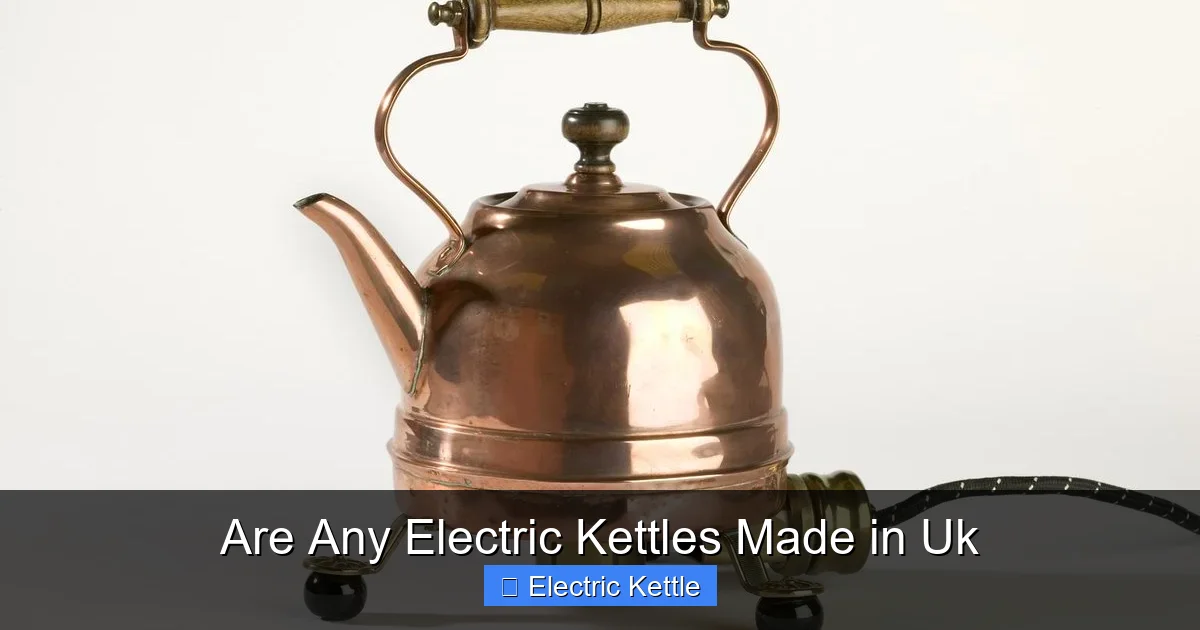
Visual guide about Are Any Electric Kettles Made in Uk
Image source: pbs.twimg.com
To understand whether any electric kettles are made in the UK, it’s important to first look at the broader context of appliance manufacturing in Britain. Over the past few decades, the UK has seen a significant decline in domestic manufacturing across many sectors—including electronics and small kitchen appliances. This shift is driven by several factors: high labor costs, complex regulations, and the competitive pricing offered by overseas factories.
Electric kettles, in particular, are complex devices. They require precision engineering for heating elements, safety mechanisms, thermostats, and electrical components. Producing these parts at scale demands specialized factories with advanced machinery—facilities that are more cost-effective to operate in countries with lower production costs. As a result, even brands founded in the UK have moved their manufacturing overseas to remain competitive.
That said, “made in the UK” doesn’t always mean “fully manufactured from scratch in the UK.” Some brands assemble kettles in Britain using imported components. Others design and test their products locally but outsource production. So while you might not find a kettle where every screw and wire was made in Manchester, there are still ways to support UK-based businesses and local jobs.
Why Manufacturing Moved Overseas
The shift away from UK manufacturing began in the 1980s and accelerated in the 1990s with globalization. Companies realized they could produce high-quality appliances at a fraction of the cost by leveraging factories in Asia. These facilities offered economies of scale, skilled labor, and streamlined supply chains for electronics.
For example, a typical electric kettle contains over 20 individual components—from the stainless steel body to the internal heating coil and the plastic handle. Sourcing and assembling these parts in the UK would significantly increase the final price, making it difficult to compete with imported models that sell for under £20.
Additionally, the UK lacks the infrastructure for large-scale electronics manufacturing. Unlike countries such as China or Germany, Britain doesn’t have a dense network of component suppliers, tooling experts, and assembly lines dedicated to small appliances. This makes it challenging for new or existing brands to launch UK-based production without substantial investment.
The Rise of “Designed in Britain” Branding
While full manufacturing may be rare, many UK brands proudly advertise that their kettles are “designed in Britain.” This is a meaningful distinction. Designing a product locally allows companies to tailor features to British consumers—such as 230V electrical compatibility, 1.7-liter capacity (ideal for family use), and aesthetics that suit modern UK kitchens.
Brands like Smeg, KitchenAid (UK division), and even newer startups like Brewhaus emphasize British design. They conduct user research, prototype testing, and quality control in the UK, even if the final assembly happens abroad. This approach supports British jobs in engineering, marketing, and customer support—even if the physical product isn’t made on home soil.
British Heritage Brands: Where Are They Now?
The UK has a proud history of appliance innovation, and several iconic brands were born on British soil. Let’s take a closer look at some of the most well-known names and their current manufacturing status.
Russell Hobbs: A British Icon with Global Roots
Founded in 1952 by William Russell and Peter Hobbs, Russell Hobbs quickly became synonymous with stylish, reliable kitchen appliances. Their kettles—especially the classic “Retro” and “Inspire” ranges—are staples in British homes.
However, Russell Hobbs is now owned by the American company Spectrum Brands. While the brand retains a strong UK presence and continues to design many of its products in the UK, manufacturing is handled overseas. Most Russell Hobbs kettles are produced in China, though the company emphasizes rigorous quality control and adherence to British safety standards.
That said, Russell Hobbs does offer a “Made in Britain” line for certain products, though this is more common with irons and steamers than kettles. For electric kettles, the focus remains on global production to meet demand and price points.
Dualit: Craftsmanship with a British Touch
Dualit is another brand with deep British roots. Founded in 1945 in West London, Dualit is known for its durable, retro-style toasters and kettles. The company has long championed British manufacturing, and for many years, its products were assembled in the UK.
Today, Dualit still assembles some of its premium kettles in its factory in Battersea, London. These models—such as the Dualit Classic Kettle—are hand-assembled by skilled technicians using high-quality components. While many parts (like the heating element) are sourced internationally, the final assembly, testing, and quality control happen in the UK.
This makes Dualit one of the few brands offering kettles that are genuinely “Made in Britain” in the truest sense. However, these models come at a premium price—often £100 or more—reflecting the cost of local labor and craftsmanship.
Smeg: Italian Design, UK Presence
Smeg is an Italian brand, but it has a strong foothold in the UK market and is often associated with British kitchen aesthetics. While Smeg kettles are designed in Italy and manufactured in China, the company has a UK-based customer service team and distribution center. Some limited-edition models are customized for the British market, such as those with 230V plugs and UK-specific safety certifications.
Though not made in the UK, Smeg’s commitment to quality and design resonates with British consumers who value style and performance.
Niche and Artisan Brands: The Future of UK-Made Kettles?
While mainstream brands dominate the market, a growing number of small, independent companies are exploring ways to bring kettle production back to the UK—or at least closer to home.
Brewhaus: A British Startup with Local Ambitions
Brewhaus is a relatively new brand founded by a team of British engineers and designers. Their flagship product, the Brewhaus Precision Kettle, is designed in London and assembled in the UK using a mix of imported and locally sourced components.
The company emphasizes sustainability, repairability, and transparency. Each kettle comes with a detailed breakdown of its supply chain, and Brewhaus offers repair services to extend the product’s lifespan. While not every part is made in Britain, the final assembly and quality control happen in a workshop in Birmingham.
Brewhaus kettles are priced higher than mass-market models—around £80–£100—but they appeal to consumers who want to support local innovation and reduce waste.
The Repair and Refurbishment Movement
Another way to support the UK economy is by choosing brands that offer repair services or sell refurbished kettles. Companies like Repair Café and Backmarket UK specialize in restoring used appliances, including electric kettles, to like-new condition.
This approach not only reduces electronic waste but also keeps money circulating within the UK. Some independent repair shops even offer upgrades—such as replacing plastic parts with stainless steel or adding smart features—giving old kettles a new lease on life.
How to Identify Truly UK-Made Electric Kettles
If you’re committed to buying a kettle made in the UK, here’s how to spot the real deal—and avoid greenwashing or misleading claims.
Look for the “Made in Britain” Logo
The “Made in Britain” collective is a trusted certification for products manufactured in the UK. Members must meet strict criteria, including final assembly and quality control in Britain. Brands like Dualit and Brewhaus are members, so their kettles with this logo are genuinely UK-made.
Check the Label and Packaging
Always read the fine print. If a kettle says “Designed in the UK” or “British Brand,” that doesn’t mean it was made there. Look for phrases like “Assembled in the UK” or “Manufactured in Britain” for clearer indicators.
Research the Brand’s Supply Chain
Many ethical brands now publish supply chain information on their websites. Look for transparency about where components are sourced and where final assembly takes place. Brands that are proud of their UK roots will often highlight this.
Support Local Retailers and Repair Services
Even if you can’t find a fully UK-made kettle, you can still support the local economy by buying from independent retailers, attending repair workshops, or choosing brands with UK-based customer service and design teams.
The Environmental and Economic Case for UK-Made Kettles
Beyond patriotism, there are practical reasons to consider UK-made or UK-assembled kettles.
Reduced Carbon Footprint
Transporting goods from Asia to the UK generates significant CO2 emissions. Kettles assembled or manufactured locally have a smaller environmental impact, especially if they’re built to last and repairable.
Support for Local Jobs
Every UK-made kettle supports jobs in manufacturing, design, logistics, and customer service. Even if only final assembly happens in Britain, it still contributes to the local economy.
Higher Quality and Longevity
Products made in smaller batches often undergo more rigorous quality control. UK-made kettles tend to use higher-grade materials and are designed for durability—meaning they last longer and reduce the need for frequent replacements.
Encouraging Innovation
Supporting local manufacturers encourages investment in British engineering and sustainable design. As demand grows, more companies may consider bringing production back to the UK.
Tips for Buying an Electric Kettle in the UK
Whether you’re set on a UK-made model or just want a high-quality, reliable kettle, here are some practical tips:
- Prioritize safety: Look for kettles with automatic shut-off, boil-dry protection, and British Standard (BS) certification.
- Choose the right capacity: 1.7 liters is ideal for most households; smaller models (1.0L) are great for singles or offices.
- Consider material: Stainless steel is durable and easy to clean; glass kettles look stylish but can be fragile.
- Check noise levels: Some kettles are quieter than others—look for models with insulated bases or low-decibel ratings.
- Think about features: Variable temperature controls are great for tea lovers; keep-warm functions add convenience.
- Read reviews: Check customer feedback on sites like Trustpilot or Amazon to gauge reliability and performance.
Conclusion: The Future of UK Kettle Manufacturing
So, are any electric kettles made in the UK? The answer is yes—but they’re rare, often premium-priced, and usually come from heritage or niche brands. While the majority of kettles sold in Britain are manufactured overseas, there are still ways to support local industry, reduce environmental impact, and enjoy high-quality appliances.
Brands like Dualit and Brewhaus prove that UK-made kettles are possible, even in a globalized market. By choosing products with British design, local assembly, or strong repair services, consumers can make a difference—one cup of tea at a time.
As demand for sustainable, ethical, and locally made goods grows, we may see a resurgence in UK manufacturing. Until then, informed shopping, brand transparency, and support for British innovation will help keep the spirit of “Made in Britain” alive—even in your kitchen.
Frequently Asked Questions
Are any electric kettles fully manufactured in the UK?
Very few electric kettles are fully manufactured in the UK from start to finish. Most are designed in Britain but produced overseas. However, some brands like Dualit assemble kettles in the UK using imported components.
What does “designed in the UK” mean for electric kettles?
“Designed in the UK” means the kettle’s features, aesthetics, and functionality were developed by a British team. It doesn’t guarantee UK manufacturing, but it supports local jobs in engineering and design.
Is Dualit still made in the UK?
Yes, Dualit assembles some of its premium kettles in its Battersea factory in London. These models are hand-assembled and undergo final quality control in the UK.
Are UK-made kettles more expensive?
Generally, yes. Kettles assembled or manufactured in the UK often cost more due to higher labor and production costs. Prices typically range from £80 to £120 or more.
How can I support UK manufacturing when buying a kettle?
Look for brands with “Made in Britain” certification, buy from UK-based companies, choose repairable models, and support local retailers and repair services.
Are there any British startups making electric kettles?
Yes, brands like Brewhaus are British startups focused on sustainable, UK-assembled kettles. They emphasize transparency, repairability, and local craftsmanship.