Ceramic electric kettles are generally safe, non-toxic, and excellent for brewing tea and coffee without altering taste. With proper care and quality materials, they offer a stylish, healthy alternative to plastic or metal kettles.
Key Takeaways
- Non-reactive surface: Ceramic doesn’t leach chemicals or metals into water, making it ideal for hot beverages.
- No metallic taste: Unlike stainless steel, ceramic preserves the pure flavor of tea, coffee, and herbal infusions.
- Heat retention: Ceramic holds heat well, keeping water warm longer after boiling.
- Easy to clean: Smooth glazed interiors resist staining and buildup with regular maintenance.
- Eco-friendly option: Many ceramic kettles are made from natural materials and are recyclable.
- Safety certifications matter: Always choose models with BPA-free, lead-free, and FDA-approved materials.
- Handle with care: Ceramic can chip or crack if dropped—handle gently and avoid thermal shock.
📑 Table of Contents
- Are Ceramic Electric Kettles Safe? A Complete Guide to Health, Performance, and Longevity
- What Makes Ceramic Electric Kettles Different?
- Health and Safety: Are Ceramic Kettles Non-Toxic?
- Performance and Practical Benefits of Ceramic Kettles
- Potential Drawbacks and How to Avoid Them
- How to Choose a Safe and High-Quality Ceramic Electric Kettle
- Caring for Your Ceramic Electric Kettle
- Conclusion: Are Ceramic Electric Kettles Worth It?
Are Ceramic Electric Kettles Safe? A Complete Guide to Health, Performance, and Longevity
If you’re passionate about your morning tea or coffee, you’ve probably wondered: Are ceramic electric kettles safe? With so many materials on the market—plastic, stainless steel, glass, and ceramic—it’s natural to question which is best for your health and daily routine. Ceramic electric kettles have gained popularity in recent years, praised for their elegant designs, gentle heating, and ability to preserve the true flavor of your favorite beverages. But are they truly safe? Can they stand up to daily use without posing health risks?
The short answer is yes—ceramic electric kettles are generally safe when made with high-quality, food-grade materials. Unlike plastic kettles that may release harmful chemicals when heated, or metal kettles that can impart a metallic taste, ceramic offers a neutral, non-reactive surface. This means your water heats cleanly, without contamination or flavor alteration. But safety isn’t just about materials—it’s also about design, manufacturing standards, and how you use and maintain your kettle. In this guide, we’ll dive deep into the safety, benefits, and potential drawbacks of ceramic electric kettles so you can make an informed decision.
Whether you’re upgrading from a plastic kettle or switching from stainless steel, understanding the ins and outs of ceramic kettles will help you choose a model that’s not only safe but also enhances your daily ritual. From health considerations to practical tips for care and cleaning, we’ve got you covered.
What Makes Ceramic Electric Kettles Different?
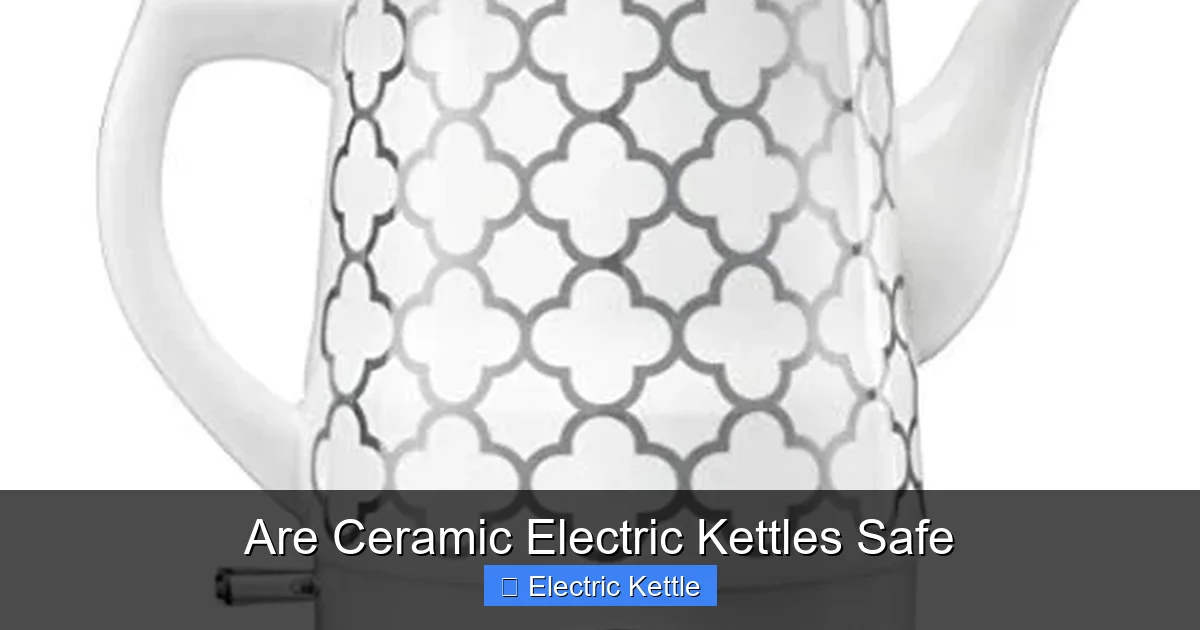
Visual guide about Are Ceramic Electric Kettles Safe
Image source: m.media-amazon.com
Ceramic electric kettles stand out from other types due to their unique material composition and heating properties. Unlike stainless steel or plastic models, ceramic kettles are made from clay that’s fired at high temperatures and often glazed for a smooth, non-porous finish. This process creates a durable, heat-resistant surface that’s ideal for boiling water.
One of the biggest advantages of ceramic is its non-reactive nature. When water heats up, especially to boiling temperatures, some materials can interact with the liquid. For example, aluminum or low-quality stainless steel may leach trace metals, while plastic can release BPA or phthalates. Ceramic, on the other hand, remains chemically stable. It doesn’t release toxins, alter pH levels, or absorb odors—making it a safe choice for repeated use.
Another key difference is heat distribution. Ceramic heats more evenly than metal, reducing the risk of hot spots that can cause scorching or inconsistent boiling. This even heating also helps preserve the delicate flavors in teas and coffees, which is why many connoisseurs prefer ceramic over other materials.
Additionally, ceramic kettles often feature insulated bodies that help retain heat longer after boiling. This means your water stays warm for a few extra minutes, which is great if you’re making multiple cups or steeping tea slowly. Some models even come with double-walled designs for enhanced insulation.
Design and Aesthetic Appeal
Beyond functionality, ceramic kettles are celebrated for their aesthetic charm. Available in a wide range of colors, patterns, and finishes—from minimalist white to hand-painted florals—they can complement any kitchen decor. Unlike utilitarian stainless steel kettles, ceramic models often double as decorative pieces, adding a touch of elegance to your countertop.
Many ceramic kettles also feature ergonomic handles and spouts designed for precision pouring. The handles are typically made from heat-resistant materials like silicone or wood, reducing the risk of burns. Some models include built-in infusers for loose-leaf tea, allowing you to steep directly in the kettle without needing a separate strainer.
How Ceramic Compares to Other Materials
To truly understand the safety of ceramic electric kettles, it helps to compare them to other common materials:
- Plastic: Often the least expensive option, but can leach chemicals like BPA when heated. Not recommended for boiling water regularly.
- Stainless Steel: Durable and efficient, but may impart a metallic taste, especially with acidic beverages like lemon water.
- Glass: Non-reactive and easy to clean, but fragile and can shatter if dropped or exposed to sudden temperature changes.
- Ceramic: Combines the safety of glass with added durability and heat retention, without the risk of breakage (when handled properly).
While no material is perfect, ceramic strikes a strong balance between safety, performance, and style.
Health and Safety: Are Ceramic Kettles Non-Toxic?
When it comes to health, the primary concern with any kitchen appliance is whether it introduces harmful substances into your food or drink. For electric kettles, this means evaluating the materials that come into contact with boiling water.
Ceramic is naturally non-toxic when properly manufactured. High-quality ceramic kettles are made from food-grade clay and glazed with lead-free, cadmium-free coatings. These glazes are designed to withstand high temperatures without cracking or leaching. Reputable brands will often disclose that their products are FDA-approved or meet international safety standards like LFGB (Germany) or SGS certification.
However, not all ceramic is created equal. In some cases, cheaper or imported kettles may use low-quality glazes that contain heavy metals. If these glazes degrade over time—due to scratching, chipping, or improper firing—they can release toxins into your water. This is why it’s crucial to buy from trusted manufacturers and avoid kettles with visible cracks or dull, uneven finishes.
Lead and Cadmium Concerns
Lead and cadmium are two heavy metals that have raised concerns in ceramic products, especially those made outside regulated markets. These metals can be present in certain glazes and, if not properly fired, may leach into food and drink. Long-term exposure to even small amounts can lead to health issues, including neurological damage and kidney problems.
To avoid this, always look for kettles labeled “lead-free” and “cadmium-free.” Many reputable brands test their products independently and provide certification details on their websites or packaging. If you’re unsure, you can also use a home lead test kit (available at hardware stores) to check for leaching.
BPA and Plastic Components
While the main body of a ceramic kettle is non-toxic, some models include plastic parts—such as handles, lids, or base connectors. These components should be BPA-free and heat-resistant. BPA (bisphenol A) is a chemical found in some plastics that can mimic estrogen and disrupt hormonal balance.
Check the product description or contact the manufacturer to confirm that all plastic parts are BPA-free. Opt for kettles with minimal plastic use, or choose models with silicone or wooden handles instead.
Thermal Shock and Material Integrity
Ceramic is generally resistant to heat, but it can be vulnerable to thermal shock—sudden temperature changes that cause cracking. For example, pouring cold water into a hot ceramic kettle or placing a hot kettle on a cold surface can cause stress fractures. Over time, these cracks can harbor bacteria or allow glaze to degrade.
To prevent this, always let your kettle cool slightly before refilling, and avoid placing it directly on cold countertops immediately after use. Using a trivet or heat-resistant mat can help protect both the kettle and your surface.
Performance and Practical Benefits of Ceramic Kettles
Beyond safety, ceramic electric kettles offer several practical advantages that make them a worthwhile investment for tea lovers, coffee enthusiasts, and health-conscious households.
Flavor Preservation
One of the most praised features of ceramic kettles is their ability to preserve the natural taste of water and beverages. Unlike metal kettles, which can leave a slight metallic aftertaste, ceramic is inert and doesn’t interfere with flavor. This is especially important for delicate teas like green tea, white tea, or herbal infusions, where subtle notes can be easily masked.
For example, if you’re brewing a high-quality oolong or a fragrant jasmine tea, a ceramic kettle ensures you taste the full complexity of the leaves—not the kettle. Coffee drinkers also appreciate the clean taste, especially when using pour-over or French press methods that rely on precise water temperature.
Heat Retention and Energy Efficiency
Ceramic has excellent thermal properties, meaning it holds heat well after boiling. This can be a big plus if you’re making multiple cups or steeping tea for several minutes. Unlike stainless steel kettles that cool down quickly, ceramic keeps water warm for up to 15–20 minutes longer, depending on the model.
This heat retention also contributes to energy efficiency. Because the water stays hot longer, you’re less likely to reboil it unnecessarily, saving electricity over time. Some ceramic kettles even feature保温 (keep-warm) functions that maintain a set temperature for up to an hour.
Quiet Operation
Another often-overlooked benefit is noise level. Ceramic kettles tend to operate more quietly than metal ones, which can produce loud boiling sounds or metallic clangs. The dense material dampens noise, making for a more peaceful brewing experience—perfect for early mornings or quiet households.
Easy Maintenance and Cleaning
Cleaning a ceramic kettle is straightforward, thanks to its smooth, non-porous glazed interior. Mineral deposits from hard water can build up over time, but they’re easy to remove with a mixture of vinegar and water. Simply fill the kettle halfway with equal parts white vinegar and water, let it sit for 30 minutes, then boil and rinse thoroughly.
Avoid using abrasive sponges or harsh chemicals, as they can scratch the glaze. A soft cloth or sponge is usually sufficient for daily wiping. Some models are even dishwasher-safe, though hand washing is recommended to preserve the finish.
Potential Drawbacks and How to Avoid Them
While ceramic electric kettles are safe and effective, they’re not without limitations. Being aware of these potential issues can help you choose the right model and use it properly.
Fragility and Durability
Ceramic is more brittle than metal or plastic, meaning it can chip or crack if dropped. This is the most common concern among users. A single fall from a countertop can result in a cracked body or broken handle, rendering the kettle unusable.
To minimize risk, always place your kettle on a stable, flat surface. Use a kettle with a sturdy base and avoid overfilling, which can make it top-heavy. If you have young children or pets, consider storing the kettle in a cabinet when not in use.
Some manufacturers address this by using reinforced ceramic or adding protective silicone sleeves. These features can add a layer of protection without sacrificing style.
Weight and Portability
Ceramic kettles are typically heavier than their stainless steel or plastic counterparts. This can make them less convenient for travel or small kitchens where space is limited. If portability is a priority, look for compact models with lightweight designs.
Slower Heating Time
Due to their material density, ceramic kettles may take slightly longer to boil water compared to metal kettles. While the difference is usually only 30 seconds to a minute, it’s something to consider if you’re in a hurry. However, many users find the trade-off worth it for the improved taste and safety.
Glaze Wear Over Time
Even high-quality glazes can wear down with repeated use, especially if the kettle is scrubbed aggressively or exposed to acidic liquids like lemon juice. Over time, this can expose the underlying clay, which may absorb odors or harbor bacteria.
To extend the life of your kettle, avoid using it for anything other than water. If you want to make lemon water or herbal infusions, consider using a separate teapot or infuser. Regular cleaning and gentle handling will also help preserve the glaze.
How to Choose a Safe and High-Quality Ceramic Electric Kettle
With so many options on the market, selecting the right ceramic electric kettle can feel overwhelming. Here are some key factors to consider:
Material and Certification
Always prioritize kettles made from food-grade ceramic with lead-free, cadmium-free glazes. Look for certifications like FDA, LFGB, or SGS, which indicate the product has been tested for safety. Avoid no-name brands or unusually cheap models, as they may cut corners on materials.
Brand Reputation
Stick with well-known brands that specialize in kitchen appliances or tea products. Companies like Breville, Cuisinart, Le Creuset, and Fellow have strong reputations for quality and safety. Read customer reviews to see how the kettle performs over time.
Design Features
Consider features that enhance safety and usability:
- Auto shut-off: Turns off the kettle when water reaches boiling point.
- Boil-dry protection: Prevents overheating if the kettle is turned on without water.
- Cool-touch handle: Reduces burn risk during pouring.
- Water level indicator: Helps you measure the right amount of water.
- Removable limescale filter: Makes cleaning easier and improves taste.
Capacity and Size
Choose a capacity that matches your needs. Most ceramic kettles range from 1 to 1.7 liters. A 1.5-liter model is ideal for families or frequent tea drinkers, while a 1-liter kettle suits individuals or small households.
Warranty and Customer Support
A good warranty (at least 1–2 years) is a sign of confidence in the product. Check if the company offers responsive customer service and replacement parts, such as filters or lids.
Caring for Your Ceramic Electric Kettle
Proper care is essential to maintaining the safety and performance of your ceramic kettle. With regular maintenance, it can last for many years.
Daily Use Tips
- Always fill the kettle with fresh water—don’t reheat stale or leftover water.
- Don’t overfill; leave at least 1 inch of space below the rim to prevent spills.
- Use the kettle only for water—avoid boiling milk, soup, or other liquids.
- Unplug the kettle when not in use to prevent accidental activation.
Cleaning Routine
- Rinse the interior after each use to prevent mineral buildup.
- Once a week, descale with a vinegar solution (1:1 vinegar and water).
- Wipe the exterior with a damp cloth; avoid submerging the base in water.
- Never use steel wool or abrasive cleaners on the glazed surface.
Storage and Handling
- Store in a dry, cool place away from direct sunlight.
- Keep the kettle upright to prevent moisture from seeping into the base.
- If you notice cracks or chips, stop using the kettle immediately.
Conclusion: Are Ceramic Electric Kettles Worth It?
So, are ceramic electric kettles safe? The answer is a resounding yes—when you choose a high-quality model from a reputable brand. They offer a clean, non-toxic way to boil water without altering taste or introducing harmful chemicals. Their elegant designs, heat retention, and quiet operation make them a favorite among tea and coffee lovers.
While they require a bit more care than metal kettles—due to their fragility and sensitivity to thermal shock—the benefits far outweigh the drawbacks for most users. By following proper usage and cleaning guidelines, you can enjoy safe, great-tasting beverages for years to come.
If you’re looking to upgrade your kitchen with a kettle that’s both beautiful and health-conscious, a ceramic electric kettle is an excellent choice. Just remember to prioritize safety certifications, avoid cheap imitations, and treat your kettle with care. Your taste buds—and your health—will thank you.
Frequently Asked Questions
Can ceramic electric kettles leach chemicals into water?
High-quality ceramic kettles made with food-grade, lead-free glazes do not leach chemicals. However, low-quality or damaged kettles may pose a risk, so always choose certified products and inspect for cracks.
Are ceramic kettles safe for boiling water every day?
Yes, ceramic kettles are safe for daily use as long as they’re made with non-toxic materials and properly maintained. Regular cleaning and gentle handling will ensure long-term safety.
Do ceramic kettles affect the taste of tea or coffee?
No—ceramic is non-reactive and preserves the pure flavor of your beverages. Unlike metal kettles, they won’t impart a metallic taste, making them ideal for delicate teas and coffee.
Can I put my ceramic kettle in the dishwasher?
Most ceramic kettles are not dishwasher-safe due to the electrical base. Hand washing the interior and exterior with mild soap is recommended to preserve the glaze and components.
How do I clean mineral buildup in a ceramic kettle?
Use a solution of equal parts white vinegar and water. Fill the kettle halfway, let it sit for 30 minutes, then boil and rinse thoroughly. Repeat monthly if you have hard water.
What should I do if my ceramic kettle cracks?
Stop using it immediately. Cracks can harbor bacteria and may allow glaze to degrade, potentially leaching harmful substances. Contact the manufacturer for repair or replacement options.