Electric kettles are generally safe and beneficial for health when used properly. They offer convenience, energy efficiency, and help preserve nutrients in beverages—making them a smart choice for daily hydration.
Key Takeaways
- Electric kettles are safe for health when made from food-grade materials like stainless steel or BPA-free plastic. Choosing high-quality materials prevents harmful chemical leaching during heating.
- They preserve nutrients in tea and coffee better than stovetop methods. Precise temperature control helps retain antioxidants and flavor compounds.
- Boiling water in an electric kettle kills harmful bacteria and pathogens. This makes it ideal for preparing safe drinking water, especially in areas with questionable water quality.
- Regular cleaning prevents mineral buildup and bacterial growth. Descaling and washing the interior ensures clean, safe water every time.
- Energy-efficient and fast, electric kettles reduce exposure to open flames or gas fumes. This makes them a safer option for indoor use, especially in small spaces.
- Avoid overheating or boiling water multiple times to maintain water quality. Repeated boiling can concentrate impurities and affect taste.
- Using filtered water improves both taste and safety. It reduces scale buildup and minimizes exposure to chlorine or heavy metals.
📑 Table of Contents
Are Electric Kettles Good for Health?
If you’ve ever stood in your kitchen waiting for a pot of water to boil on the stove, you know how slow and inefficient it can feel. Enter the electric kettle—a sleek, fast, and convenient appliance that has become a staple in homes around the world. But beyond speed and style, many people wonder: are electric kettles good for health?
The short answer is yes—electric kettles are generally healthy and safe when used correctly. They offer a clean, efficient way to boil water for tea, coffee, instant meals, and more. But like any kitchen tool, their health impact depends on the materials they’re made from, how well they’re maintained, and how you use them.
In this guide, we’ll dive deep into the health aspects of electric kettles. We’ll explore the benefits, potential concerns, and best practices to ensure you’re getting the most out of your kettle—without compromising your well-being. Whether you’re a tea lover, a busy parent, or just someone who values clean drinking water, this article will help you make an informed decision.
How Electric Kettles Work and Why They Matter
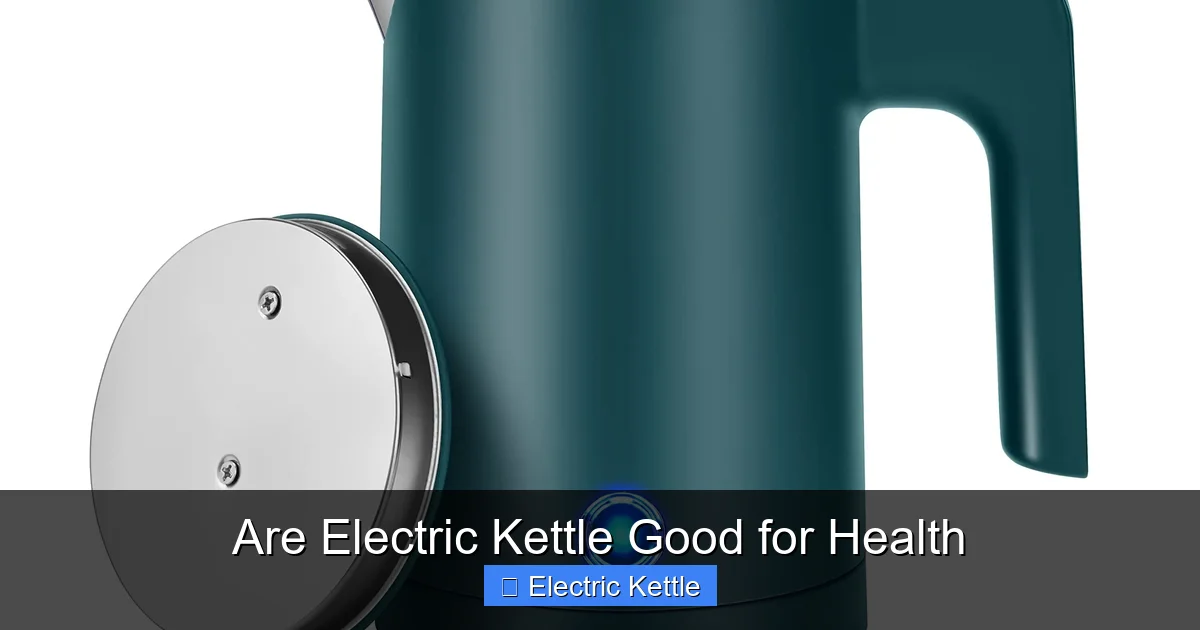
Visual guide about Are Electric Kettle Good for Health
Image source: jugandoando.com.ar
Before we talk about health, let’s understand how electric kettles function. Unlike stovetop kettles that rely on gas or electric burners, electric kettles have built-in heating elements. When you fill the kettle with water and press the switch, electricity heats the element, which in turn heats the water directly. Most models shut off automatically once the water reaches boiling point—usually around 100°C (212°F).
This automatic shut-off feature is not just convenient—it’s also a health and safety advantage. It prevents overheating, reduces the risk of burns, and ensures consistent water temperature. Plus, because the heating is contained, there’s no open flame or gas emission, making electric kettles a cleaner option for indoor air quality.
Another key benefit is speed. Electric kettles can boil water in 3 to 5 minutes, depending on the model and volume. This efficiency means less time waiting and less energy wasted—good for both your schedule and the environment.
But how does this relate to health? Faster boiling means less time for contaminants to linger, and automatic temperature control helps preserve the nutritional quality of your drinks. For example, green tea is best brewed at lower temperatures (around 70–80°C), and many modern electric kettles offer variable temperature settings to accommodate different beverages.
Health Benefits of Using an Electric Kettle
1. Promotes Safe Drinking Water
One of the biggest health benefits of electric kettles is their ability to purify water. Boiling water kills bacteria, viruses, and parasites that can cause illness. This is especially important in areas where tap water may not be fully treated or safe to drink directly.
For example, if you’re traveling or living in a region with questionable water quality, boiling water in an electric kettle can make it safe for drinking, cooking, or brushing teeth. Even in developed countries, some older plumbing systems may contain lead or other contaminants. Boiling doesn’t remove heavy metals, but it does eliminate biological threats.
Using an electric kettle gives you peace of mind, knowing your water has been properly sterilized. Just remember: boiling doesn’t remove chemical pollutants like chlorine, fluoride, or pesticides. For that, consider using a water filter in combination with your kettle.
2. Preserves Nutrients in Beverages
Many people don’t realize that how you heat water affects the nutritional content of your drinks. Overheating or prolonged boiling can destroy delicate compounds in tea, coffee, and herbal infusions.
Electric kettles with temperature control allow you to heat water to the ideal temperature for different beverages. Green tea, for instance, contains catechins—powerful antioxidants that can be damaged by boiling water. By setting your kettle to 75°C, you preserve these compounds and get a healthier, tastier cup.
Similarly, coffee brewed at the right temperature (around 90–96°C) extracts flavor without releasing excessive bitterness or acidity. This means better taste and potentially less stomach irritation for sensitive individuals.
3. Encourages Hydration
Let’s face it—most of us don’t drink enough water. But when boiling water is quick and easy, you’re more likely to make tea, herbal infusions, or even hot water with lemon—all of which count toward your daily fluid intake.
Electric kettles make it simple to prepare warm beverages throughout the day. Whether it’s a morning cup of ginger tea or an evening chamomile blend, having a reliable kettle encourages healthier drinking habits.
And because electric kettles are so fast, you’re less likely to skip that second cup. Over time, this can lead to better hydration, improved digestion, and even enhanced skin health.
4. Reduces Exposure to Harmful Fumes
If you’ve ever boiled water on a gas stove, you know it can release combustion byproducts like carbon monoxide and nitrogen dioxide—especially in poorly ventilated kitchens. Electric kettles eliminate this risk entirely.
Since they don’t use open flames or gas, electric kettles produce no harmful fumes. This makes them a safer choice for people with respiratory conditions, children, or anyone concerned about indoor air quality.
Even with electric stovetops, there’s a risk of overheating or spills. Electric kettles are self-contained, reducing the chance of accidents and exposure to hot surfaces.
5. Supports Energy Efficiency and Reduced Waste
Electric kettles are more energy-efficient than stovetop methods because they heat water directly and quickly. Studies show they use up to 50% less energy than boiling water on a gas or electric stove.
This efficiency isn’t just good for your electricity bill—it’s also better for the planet. Less energy use means lower carbon emissions, contributing to a healthier environment.
Additionally, because electric kettles boil only the water you need, they reduce water waste. No more filling a large pot just to boil a single cup. This precision helps conserve resources and supports sustainable living.
Potential Health Concerns and How to Avoid Them
While electric kettles offer many health benefits, there are a few concerns to be aware of. The good news? Most of these can be easily managed with proper use and maintenance.
1. Material Safety: What Your Kettle Is Made Of Matters
Not all electric kettles are created equal. Some cheaper models are made from low-quality plastics that may contain BPA or other endocrine disruptors. When heated, these chemicals can leach into your water—posing potential health risks over time.
To stay safe, choose kettles made from food-grade stainless steel, glass, or BPA-free plastic. Stainless steel is especially recommended because it’s durable, non-reactive, and easy to clean. Glass kettles are also a great option, as they don’t retain odors or flavors and allow you to see the water as it heats.
Avoid kettles with exposed heating elements, as they can corrode over time and introduce metal particles into your water. Look for models with concealed elements or those labeled as “dry-boil protected” to prevent damage and contamination.
2. Mineral Buildup and Scale
If you live in an area with hard water, you’ve probably noticed white, chalky deposits inside your kettle. This is limescale—a buildup of calcium and magnesium minerals. While not directly harmful, scale can affect the taste of your water and reduce the kettle’s efficiency.
More importantly, if left unchecked, scale can harbor bacteria and mold. The rough surface provides a breeding ground for microorganisms, especially in warm, moist environments.
To prevent this, descale your kettle regularly. Use a mixture of white vinegar and water (1:1 ratio), let it sit for an hour, then rinse thoroughly. For heavy buildup, repeat the process or use a commercial descaling solution.
Pro tip: Use filtered water in your kettle to reduce mineral content and extend the time between cleanings.
3. Reboiling Water: Is It Safe?
You’ve probably heard that reboiling water is bad for you. The concern is that repeated boiling concentrates impurities like nitrates, arsenic, or heavy metals. While this is technically true, the levels are usually too low to cause harm in normal use.
However, reboiling water can also reduce oxygen content, which may affect taste and freshness. For the best flavor and quality, it’s better to use fresh water each time.
If you must reboil, avoid doing it multiple times in a row. Let the water cool completely before reheating, and consider using filtered water to minimize contaminants.
4. Overheating and Dry-Boiling Risks
Most modern electric kettles have automatic shut-off features that prevent dry-boiling (heating without water). This is a crucial safety feature, as dry-boiling can damage the heating element and potentially release harmful fumes.
Still, it’s important to never operate your kettle without water. If the automatic shut-off fails—though rare—it could pose a fire hazard or damage the appliance.
Always check the water level before turning on your kettle, and replace older models that show signs of malfunction.
Choosing the Right Electric Kettle for Health
With so many options on the market, how do you pick a kettle that supports your health? Here are some key features to look for:
1. Material Quality
Opt for stainless steel, glass, or high-quality BPA-free plastic. Avoid kettles with metallic interiors unless they’re clearly labeled as food-safe.
2. Temperature Control
If you drink different types of tea or coffee, a variable temperature kettle is a game-changer. Look for models with preset settings for green, white, oolong, and black teas.
3. Automatic Shut-Off and Boil-Dry Protection
These safety features prevent accidents and extend the life of your kettle.
4. Easy to Clean Design
Choose a kettle with a wide opening and removable lids for easy cleaning. Some models even have self-cleaning functions or dishwasher-safe parts.
5. Capacity and Speed
Consider how much water you typically boil. A 1.7-liter kettle is great for families, while a 1-liter model suits individuals. Faster kettles (1500W or higher) save time and energy.
6. Brand Reputation and Certifications
Stick to trusted brands with good reviews. Look for certifications like UL, CE, or FDA approval, which indicate safety and quality standards.
Best Practices for Healthy Kettle Use
Even the best kettle can become a health risk if not used properly. Follow these tips to keep your water safe and your kettle in top condition:
- Clean your kettle weekly. Use vinegar or a descaling solution to remove limescale and bacteria.
- Use filtered water. This reduces mineral buildup and improves taste.
- Don’t overfill. Leave space at the top to prevent boiling water from spilling out.
- Unplug when not in use. This saves energy and reduces wear on the appliance.
- Replace old kettles. If your kettle shows signs of wear, rust, or malfunction, it’s time for a new one.
- Store in a dry place. Moisture can lead to mold or electrical issues.
Conclusion
So, are electric kettles good for health? The answer is a resounding yes—when chosen wisely and used correctly. They offer a fast, safe, and efficient way to boil water, support better hydration, and help preserve the nutrients in your favorite beverages.
From killing harmful bacteria to reducing energy use, electric kettles bring real health and environmental benefits to your kitchen. Just remember to pick a high-quality model, clean it regularly, and use filtered water for the best results.
Whether you’re brewing a morning cup of tea or preparing safe drinking water, an electric kettle is more than a convenience—it’s a smart step toward a healthier lifestyle.
Frequently Asked Questions
Can electric kettles make you sick?
Electric kettles are safe when used properly. However, if made from low-quality materials or not cleaned regularly, they can harbor bacteria or leach chemicals. Always choose food-grade materials and descale your kettle weekly.
Is it safe to drink water boiled in an electric kettle?
Yes, it’s safe and often healthier. Boiling water kills bacteria and viruses, making it safe to drink, especially in areas with untreated water. Just ensure your kettle is clean and made from safe materials.
Do electric kettles remove fluoride from water?
No, electric kettles do not remove fluoride. Boiling water only kills microorganisms and does not eliminate chemicals like fluoride, chlorine, or heavy metals. Use a water filter for chemical removal.
Can you boil milk in an electric kettle?
It’s not recommended. Most electric kettles are designed for water only. Boiling milk can cause scorching, damage the heating element, and create a fire hazard. Use a stovetop or microwave-safe container instead.
How often should you clean an electric kettle?
Clean your kettle at least once a week, or more often if you use it daily. Descale monthly if you have hard water. Regular cleaning prevents limescale buildup and bacterial growth.
Are glass electric kettles healthier than plastic ones?
Yes, glass kettles are generally healthier because they don’t leach chemicals and are easy to clean. They also don’t retain odors or flavors, making them ideal for brewing different types of tea.