Electric kettles are allowed in many college dorms, but policies vary by school and building. Always check your college’s housing guidelines before bringing one, and opt for low-wattage, auto-shutoff models to stay safe and compliant.
Key Takeaways
- Check your college’s housing policy first: Rules about electric kettles differ widely—some schools ban them entirely, while others allow low-wattage models under 1,000 watts.
- Look for safety features: Auto shut-off, boil-dry protection, and cool-touch exteriors reduce fire and burn risks in shared living spaces.
- Choose compact and quiet models: Dorm rooms are small, so a lightweight, space-saving kettle with minimal noise is ideal for early mornings or late-night study sessions.
- Avoid high-wattage appliances: Most dorms restrict devices over 1,500 watts to prevent circuit overloads—stick to kettles under 1,000 watts for safety.
- Use surge protectors, not extension cords: Plug your kettle directly into a surge protector to avoid tripping breakers or violating fire codes.
- Clean and maintain regularly: Hard water buildup can damage your kettle and affect taste—descale monthly with vinegar or a commercial cleaner.
- Consider alternatives if banned: If kettles aren’t allowed, instant hot water dispensers or microwave-safe options may be permitted alternatives.
📑 Table of Contents
- Are Electric Kettles Allowed in College Dorms?
- Understanding College Dorm Appliance Policies
- Safety Features to Look for in a Dorm-Friendly Electric Kettle
- Top Electric Kettles for College Dorms
- How to Use Your Electric Kettle Safely in a Dorm
- What to Do If Electric Kettles Are Banned
- Final Thoughts: Stay Safe, Stay Smart
Are Electric Kettles Allowed in College Dorms?
Heading off to college is exciting—new friends, late-night study sessions, and the freedom to make your own coffee or tea whenever you want. But before you pack your favorite electric kettle, there’s one important question you need to ask: *Are electric kettles allowed in college dorms?*
The short answer? It depends. While many colleges permit electric kettles, especially those with safety features and low power usage, others ban them outright due to fire safety concerns. Dormitories are high-density living spaces with shared electrical systems, so universities often impose strict rules on personal appliances. That means your go-to morning tea ritual might be on hold—unless you do your homework first.
In this guide, we’ll walk you through everything you need to know about using electric kettles in college dorms. From understanding campus policies to choosing the safest, most dorm-friendly model, we’ve got you covered. Whether you’re a coffee lover, a tea enthusiast, or just need hot water for instant noodles, this article will help you stay compliant, safe, and caffeinated.
Understanding College Dorm Appliance Policies
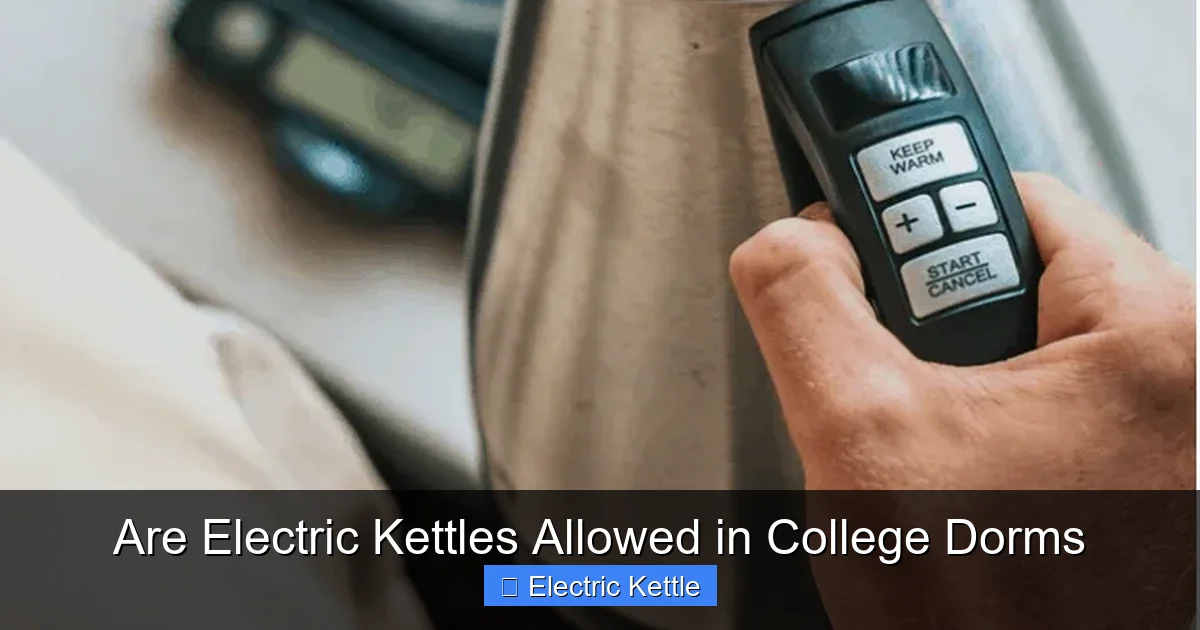
Visual guide about Are Electric Kettles Allowed in College Dorms
Image source: dormessentials.com
Every college has its own set of rules when it comes to personal appliances in dorm rooms. These policies are usually outlined in the student housing handbook or residential life website. The goal? To prevent fires, electrical overloads, and accidents in shared living environments.
Most colleges allow small, low-wattage appliances like mini-fridges, microwaves (in designated areas), and coffee makers—but electric kettles fall into a gray area. Some schools welcome them, especially if they’re under 1,000 watts and have automatic shut-off features. Others ban them completely, citing past incidents or general fire risk.
For example, at the University of Michigan, electric kettles are permitted as long as they’re UL-listed and under 1,500 watts. Meanwhile, schools like Boston College prohibit all heating elements in dorm rooms, including kettles, toasters, and hot plates. At the University of Texas at Austin, kettles are allowed only if they’re used in common kitchen areas—not in individual rooms.
So how do you find out what’s allowed at your school? Start by visiting your college’s housing or residential life website. Look for a section on “approved appliances” or “prohibited items.” If you can’t find clear info, email your resident advisor (RA) or housing office. It’s always better to ask than to risk getting your kettle confiscated—or worse, facing disciplinary action.
Why Do Some Colleges Ban Electric Kettles?
You might be wondering: *Why would a simple kettle be banned?* After all, it’s not like you’re bringing in a space heater or a deep fryer. But the truth is, even small appliances can pose risks in dorm settings.
One major concern is electrical load. Dorm rooms often have limited outlets and older wiring. Plugging in multiple high-wattage devices—like a kettle, laptop, mini-fridge, and phone charger—can overload circuits and trip breakers. In worst-case scenarios, this can lead to overheating and fire.
Another issue is user error. Not all students use appliances safely. Leaving a kettle unattended, using damaged cords, or overfilling it can increase the risk of burns, spills, or electrical faults. Even a minor accident can disrupt an entire floor.
Finally, some colleges have had past incidents involving kettles—like a forgotten boil leading to smoke or a scalding injury—that prompted stricter rules. To avoid liability and ensure student safety, many institutions take a cautious approach.
How to Find Your School’s Policy
Don’t assume your school allows kettles just because a friend’s college does. Policies vary widely, even between buildings on the same campus. Here’s how to find accurate info:
– **Check the housing website:** Most colleges publish a list of approved and prohibited appliances. Look for terms like “personal appliances,” “electrical devices,” or “fire safety guidelines.”
– **Read your housing contract:** When you sign your dorm agreement, it often includes rules about what you can and can’t bring.
– **Ask your RA:** Resident advisors are trained on housing policies and can clarify rules for your specific dorm.
– **Contact housing services:** If you’re still unsure, send a quick email to your college’s housing or residential life office. Include your name, dorm building, and a polite question about electric kettle policies.
Pro tip: Even if kettles are allowed, some dorms require you to register your appliance or use it only in common areas. Always follow the rules to avoid fines or removal.
Safety Features to Look for in a Dorm-Friendly Electric Kettle
If your college allows electric kettles, the next step is choosing a safe, reliable model. Not all kettles are created equal—especially when it comes to dorm use. You’ll want one that’s designed with safety, convenience, and space in mind.
Here are the top features to look for:
Auto Shut-Off and Boil-Dry Protection
This is non-negotiable. Auto shut-off turns the kettle off as soon as the water reaches boiling point, preventing overheating and reducing fire risk. Boil-dry protection kicks in if the kettle is turned on without water, shutting it down to avoid damage or sparks.
Look for kettles with these features clearly listed in the product description. Brands like Cuisinart, Hamilton Beach, and Mueller often include them in their compact models.
Low Wattage (Under 1,000 Watts)
Most dorms restrict appliances to 1,500 watts or less, but for safety and compliance, aim for under 1,000 watts. Lower wattage means less strain on the electrical system and a lower chance of tripping breakers.
For example, a 700-watt kettle heats water quickly but uses less power than a 1,500-watt model. It’s also less likely to be flagged during dorm inspections.
Cool-Touch Exterior and Secure Lid
Dorm rooms are tight spaces, and accidents happen. A cool-touch exterior prevents burns if you bump into the kettle, while a secure, locking lid stops spills when pouring.
Some kettles also have a 360-degree swivel base, so you can lift the kettle off the power base without twisting the cord—great for small desks or nightstands.
Compact Size and Lightweight Design
You don’t need a large kettle in a dorm. A 1-liter capacity is usually enough for 2–3 cups of tea or coffee. Look for models that are lightweight (under 2 pounds) and easy to store in a drawer or cabinet.
Glass kettles look nice but can be heavy and fragile. Stainless steel or BPA-free plastic models are more durable and dorm-friendly.
Quiet Operation
Early risers and night owls will appreciate a quiet kettle. Some models make loud clicking or boiling noises that can disturb roommates or neighbors. Look for kettles with noise-reducing features or insulated walls.
Bonus: Some kettles have variable temperature settings, so you can brew green tea at 175°F instead of boiling. This not only improves taste but also reduces steam and noise.
Top Electric Kettles for College Dorms
Now that you know what to look for, here are a few highly rated, dorm-safe electric kettles that meet safety and size requirements:
1. Hamilton Beach 1.7 Liter Electric Kettle (700W)
This compact kettle is a dorm favorite. At just 700 watts, it’s well under most college limits. It features auto shut-off, boil-dry protection, and a cool-touch handle. The 1.7-liter capacity is perfect for sharing, and the stainless steel interior resists stains and odors.
Pros: Affordable, reliable, easy to clean
Cons: No temperature control, basic design
2. Mueller Ultra Kettle (1,500W – Use with Caution)
While this kettle is on the higher end of the wattage spectrum, it’s still allowed at many colleges. It boils water in under 5 minutes and has a sleek, modern design. It includes auto shut-off, a blue LED light, and a removable filter.
Note: Only use this if your school allows 1,500-watt appliances. Otherwise, opt for a lower-wattage model.
3. Cuisinart CPK-17 PerfecTemp (1,500W)
This premium kettle offers six preset temperature settings for different teas and coffees. It’s quiet, stylish, and has a keep-warm function. The 1.7-liter capacity and stainless steel build make it durable and efficient.
Best for: Tea lovers who want precision brewing
Caution: High wattage—check your school’s policy first
4. COSORI Electric Gooseneck Kettle (1,200W)
Perfect for pour-over coffee, this kettle has a slim, precise spout and variable temperature control. It’s compact, heats quickly, and has auto shut-off. The 1.0-liter size is ideal for small spaces.
Great for: Coffee enthusiasts with limited counter space
5. Brentwood Electric Kettle (1.0 Liter, 1,000W)
A budget-friendly option under $30, this kettle is simple, safe, and effective. It has auto shut-off, a cool-touch handle, and a compact design. The 1.0-liter capacity is just right for one or two people.
Best for: Students on a tight budget
How to Use Your Electric Kettle Safely in a Dorm
Even with a safe kettle, proper use is key to avoiding accidents and staying compliant with dorm rules. Here are some essential safety tips:
Plug Directly into a Surge Protector
Never use extension cords or power strips with your kettle. These can overheat and increase fire risk. Instead, plug the kettle directly into a UL-listed surge protector. Make sure the outlet isn’t already overloaded with other devices.
Never Leave It Unattended
Always stay in the room while your kettle is heating. If you need to step out, turn it off first. Unattended kettles are a leading cause of dorm fires.
Use the Right Amount of Water
Don’t overfill your kettle—leave at least an inch of space below the spout. Too much water can spill over and damage the heating element. Also, never operate the kettle without water—this can trigger boil-dry protection or cause damage.
Keep It Clean
Hard water leaves mineral deposits that can affect taste and performance. Clean your kettle monthly by boiling a mixture of water and white vinegar (1:1 ratio), then rinse thoroughly. Some kettles have removable filters that should be cleaned regularly.
Store It Properly
When not in use, unplug the kettle and store it in a dry place. Coil the cord neatly to prevent damage. Avoid placing it near curtains, paper, or other flammable materials.
Report Issues Immediately
If your kettle starts making strange noises, leaking, or not heating properly, stop using it right away. Report the issue to your RA or housing office. Don’t try to repair it yourself—this could void warranties or increase risks.
What to Do If Electric Kettles Are Banned
If your college doesn’t allow electric kettles, don’t worry—you still have options. Many students find creative, rule-friendly ways to heat water.
Use a Microwave
Most dorms allow microwaves, especially in common areas or shared kitchens. You can heat water in a microwave-safe mug or container. Just be careful—water can superheat and erupt when disturbed. Use a wooden stir stick or microwave-safe object to prevent this.
Tip: Heat water in 30-second intervals and let it sit for a few seconds before handling.
Try an Instant Hot Water Dispenser
Some colleges allow countertop hot water dispensers that heat water on demand. These are often lower wattage and don’t have open heating elements, making them safer than kettles. Brands like Brio and Avalon offer compact models designed for small spaces.
Check your school’s policy before buying—some may still consider these “heating appliances.”
Use the Dorm Kitchen
Many dorms have shared kitchens with stovetops or electric kettles available for student use. While it’s less convenient than having your own, it’s a safe and approved way to boil water.
Coordinate with your floor mates to share kitchen time, especially during busy mornings.
Opt for Cold Brew or Ready-to-Drink Options
If heating water isn’t an option, consider cold brew coffee, iced tea, or pre-made hot beverages from the campus café. Many students find that a good thermos and some planning can keep them caffeinated without breaking the rules.
Final Thoughts: Stay Safe, Stay Smart
So, are electric kettles allowed in college dorms? The answer isn’t always straightforward, but with a little research and the right appliance, you can enjoy hot tea, coffee, or instant meals without risking your safety or your housing status.
The key is to always check your college’s policy first. If kettles are allowed, choose a model with safety features, low wattage, and a compact design. Use it responsibly—never leave it unattended, keep it clean, and plug it in safely.
And if your school bans kettles? Don’t stress. There are plenty of alternatives that can keep you warm and caffeinated. From microwaves to shared kitchens, you’ve got options.
At the end of the day, college is about learning—not just in the classroom, but in how you live, adapt, and take care of yourself. A good cup of tea might seem small, but it’s part of what makes dorm life feel like home. Just make sure you’re brewing it the right way.
Frequently Asked Questions
Can I use an electric kettle in my dorm room?
It depends on your college’s housing policy. Many schools allow low-wattage kettles with safety features, while others ban them entirely. Always check your school’s rules before bringing one.
What wattage electric kettle is allowed in dorms?
Most colleges allow kettles under 1,500 watts, but for safety, choose models under 1,000 watts. Lower wattage reduces the risk of tripping breakers and is more likely to be approved.
Are glass electric kettles safe for dorms?
Glass kettles can be safe if they have auto shut-off and cool-touch features, but they’re heavier and more fragile. Stainless steel or BPA-free plastic models are often better for dorm use.
What happens if I bring a banned electric kettle to college?
Your kettle may be confiscated during a room inspection, and you could face a warning or fine. In some cases, repeated violations may affect your housing status.
Can I use my electric kettle in a dorm kitchen?
Yes, if your dorm has a shared kitchen, you may be allowed to use your kettle there—even if it’s banned in your room. Check with your RA or housing office for specific rules.
How do I clean my electric kettle in a dorm?
Clean your kettle monthly by boiling a 1:1 mixture of water and white vinegar, then rinse thoroughly. This removes mineral buildup and keeps your water tasting fresh.