Wondering if you can bring an electric kettle to your dorm room? The answer depends on your school’s policies, but many colleges permit them—especially if they’re UL-listed and have auto shut-off. This guide breaks down dorm rules, safety concerns, and how to choose a kettle that won’t get you in trouble.
Key Takeaways
- Check your school’s housing policy first: Every college has different rules—some ban all heating appliances, while others allow low-wattage kettles with safety features.
- Look for safety certifications: Only use kettles with UL, ETL, or CSA certification to reduce fire and electrical risks.
- Choose kettles under 1,500 watts: Most dorms restrict high-wattage devices; lower-wattage models heat water efficiently without tripping circuits.
- Auto shut-off is a must: This feature prevents overheating and reduces the risk of fire if you forget to unplug the kettle.
- Consider compact, dorm-friendly designs: Space is limited, so opt for smaller kettles that fit on desks or shelves.
- Use responsibly to avoid violations: Never leave your kettle unattended, and avoid using it during quiet hours or in common areas.
- Alternative options exist: If kettles are banned, consider microwaves, hot pots, or visiting campus cafes for hot beverages.
📑 Table of Contents
Are Electric Kettles Allowed in Dorms?
Moving into a dorm is exciting—new friends, independence, and finally having your own space. But with that freedom comes responsibility, especially when it comes to what you can and can’t bring. One common question students ask is: *Are electric kettles allowed in dorms?* The short answer? It depends. But the good news is that many colleges do allow them—provided they meet certain safety and power requirements.
Electric kettles are popular among students because they’re fast, convenient, and perfect for making tea, instant coffee, oatmeal, or even instant noodles. Unlike microwaves, which can take minutes to heat water, a good electric kettle boils water in under five minutes. That’s a big win when you’re running late for class or need a quick caffeine fix during a late-night study session.
But dorms aren’t just regular apartments. They’re shared living spaces with strict fire safety codes and electrical limitations. That’s why most colleges have detailed policies about appliances. Some ban all heating devices outright, while others allow them under specific conditions. Understanding your school’s rules is the first step to avoiding fines, eviction, or even fire hazards.
In this guide, we’ll walk you through everything you need to know about using an electric kettle in your dorm—from checking your school’s policy to choosing the safest, most dorm-friendly model. Whether you’re a freshman moving in for the first time or a returning student upgrading your setup, this article will help you stay compliant, safe, and well-caffeinated.
Understanding Dorm Appliance Policies
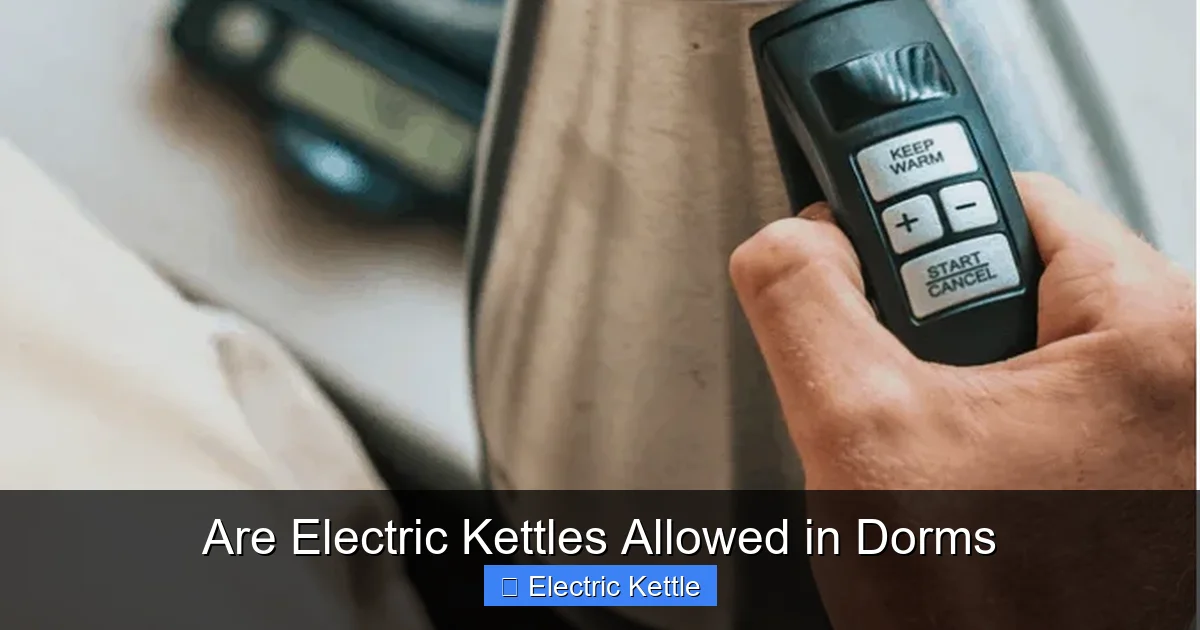
Visual guide about Are Electric Kettles Allowed in Dorms
Image source: dormessentials.com
Every college and university has its own set of rules when it comes to appliances in student housing. These policies are in place to protect students, prevent fires, and ensure the electrical system isn’t overloaded. So before you pack your favorite electric kettle, it’s essential to review your school’s housing guidelines.
Most dorm policies are published online in the student handbook or housing portal. Look for sections titled “Approved Appliances,” “Prohibited Items,” or “Fire Safety Regulations.” These documents usually list what’s allowed, what’s banned, and any restrictions on wattage or features.
For example, some schools allow small appliances like mini-fridges, microwaves, and coffee makers but prohibit anything with an open heating element—like hot plates or toaster ovens. Electric kettles often fall into a gray area. Because they’re enclosed and typically have safety features, many colleges permit them, especially if they’re under a certain wattage and certified by a recognized safety organization.
That said, some schools are stricter. Ivy League institutions like Harvard and Yale, for instance, have historically banned all personal heating appliances in dorm rooms, including kettles. Others, like Arizona State University and the University of Florida, allow kettles as long as they’re UL-listed and have auto shut-off.
It’s also worth noting that policies can vary by building or residence hall. Older dorms with outdated wiring may have stricter rules than newer, renovated ones. So even if your friend in another dorm has a kettle, yours might not be allowed.
To avoid surprises, contact your housing office or resident advisor (RA) before move-in day. They can clarify the rules and even provide a list of approved appliances. Some schools even require you to register your kettle or get it inspected by campus safety.
Why Do Dorms Restrict Appliances?
You might be wondering why colleges are so strict about appliances. After all, electric kettles seem harmless compared to, say, a space heater or a deep fryer. The truth is, dorms are high-density living environments with shared electrical systems. Overloading a circuit—even with something small—can cause power outages, damage wiring, or start a fire.
According to the National Fire Protection Association (NFPA), cooking equipment is the leading cause of dormitory fires. While most of these involve microwaves or hot plates, any heating device can pose a risk if used improperly. That’s why schools prioritize safety over convenience.
Another concern is liability. If a student causes a fire with an unapproved appliance, the school could face legal and financial consequences. To minimize risk, many colleges adopt a “better safe than sorry” approach—banning anything that could potentially cause harm.
But that doesn’t mean you’re out of luck. Many schools recognize that students need access to hot water for meals and drinks. That’s why they allow low-risk appliances like electric kettles, provided they meet strict safety standards.
How to Find Your School’s Policy
Finding your school’s appliance policy doesn’t have to be complicated. Start by visiting your university’s housing website. Look for sections like “Residence Life,” “Student Housing,” or “Move-In Guide.” These pages often include downloadable PDFs or FAQs about what you can bring.
If you can’t find the information online, try these steps:
– Email your housing office or resident director.
– Check your student portal or housing contract.
– Ask your RA during orientation or floor meetings.
– Search for your school’s name + “dorm appliance policy” in a search engine.
Some schools even have online databases where you can search for specific appliances. For example, the University of Michigan has a “Residential Appliance Checker” tool that tells you whether an item is approved based on its model number.
Once you find the policy, read it carefully. Pay attention to:
– Wattage limits (usually 1,000–1,500 watts max)
– Required safety certifications (UL, ETL, CSA)
– Prohibited features (open coils, no auto shut-off)
– Registration or inspection requirements
If your school allows kettles, make sure you follow all guidelines. Using an unapproved model—even if it’s similar to one that’s allowed—could result in a warning or fine.
Safety Features to Look for in a Dorm-Friendly Kettle
If your school allows electric kettles, the next step is choosing one that’s safe, reliable, and dorm-approved. Not all kettles are created equal, and some models are better suited for college life than others. Here’s what to look for when shopping.
Auto Shut-Off and Boil-Dry Protection
One of the most important safety features in an electric kettle is auto shut-off. This function automatically turns off the kettle once the water reaches boiling point, preventing overheating and reducing the risk of fire. It’s especially useful if you get distracted while studying or fall asleep waiting for your tea.
Even better is boil-dry protection, which shuts off the kettle if it’s turned on without water. This prevents damage to the heating element and reduces the chance of a fire. Most modern kettles include this feature, but it’s worth double-checking before you buy.
For example, the Hamilton Beach 1.7L Electric Kettle has both auto shut-off and boil-dry protection, making it a popular choice among students. It’s also UL-listed and runs at 1,500 watts—right at the upper limit for most dorms.
UL, ETL, or CSA Certification
Safety certifications are non-negotiable when it comes to dorm appliances. Look for kettles that are certified by Underwriters Laboratories (UL), Intertek (ETL), or the Canadian Standards Association (CSA). These organizations test products for electrical and fire safety, ensuring they meet national standards.
A UL-listed kettle has been rigorously tested and approved for safe use in homes and dorms. You can usually find the certification mark on the bottom of the kettle or in the product description. Avoid uncertified or “no-name” brands, especially those sold on discount websites. They may not meet safety standards and could be banned by your school.
Low Wattage (Under 1,500 Watts)
Most dorm rooms have limited electrical capacity. Plugging in too many high-wattage devices—like a mini-fridge, laptop, and kettle—can trip the circuit breaker or overload the outlet. That’s why many schools set a wattage limit for personal appliances.
The sweet spot for electric kettles is between 1,000 and 1,500 watts. This range provides fast heating without overloading the circuit. For example, a 1,200-watt kettle can boil a full liter of water in about 4–5 minutes—plenty fast for most students.
Avoid kettles over 1,500 watts unless your school explicitly allows them. High-wattage models may be more powerful, but they’re also more likely to cause electrical issues.
Compact and Dorm-Friendly Design
Dorm rooms are small, so space is at a premium. Look for a kettle that’s compact, lightweight, and easy to store. A 1-liter or 1.5-liter model is usually sufficient for one or two people. Larger kettles take up valuable counter space and may not fit on your desk or shelf.
Also consider the kettle’s design. A cordless model with a 360-degree swivel base is easier to use and store. Look for a kettle with a removable filter (to catch limescale) and a wide opening for easy cleaning.
Some popular dorm-friendly models include:
– Cuisinart CPK-17 PerfecTemp: 1.7L, 1,500 watts, 6 temperature settings, auto shut-off
– OXO Brew Classic Tea Kettle: 1.7L, 1,500 watts, gooseneck spout for precision pouring
– Bonavita 1.0L Variable Temperature Kettle: 1,000 watts, perfect for tea lovers, compact size
These models are all UL-listed, energy-efficient, and designed with safety in mind.
Materials Matter: Glass, Stainless Steel, or Plastic?
Electric kettles come in three main materials: glass, stainless steel, and plastic. Each has pros and cons, especially in a dorm setting.
– Stainless steel is durable, easy to clean, and retains heat well. It’s also less likely to crack if dropped. However, it can be heavier and more expensive.
– Glass is stylish and lets you see the water boiling, which some people prefer. But it’s fragile and can break if knocked over—a real risk in a cluttered dorm room.
– Plastic is lightweight and affordable, but lower-quality plastics can leach chemicals into hot water. Look for BPA-free models if you go this route.
For dorms, stainless steel is often the best choice. It’s sturdy, safe, and built to last through four years of college life.
How to Use Your Kettle Safely in the Dorm
Even with a safe, approved kettle, it’s important to use it responsibly. A little caution goes a long way in preventing accidents and staying on your school’s good side.
Never Leave It Unattended
This might seem obvious, but it’s worth repeating: never leave your kettle unattended while it’s heating. If you need to step out of the room—even for a minute—unplug the kettle first. Distractions happen, especially during busy study sessions, but leaving a heating appliance on is a major fire hazard.
If you’re making tea or coffee, stay nearby until the kettle shuts off. Most models take 3–5 minutes to boil, so it’s not a big time commitment.
Use Only in Designated Areas
Some schools require you to use heating appliances only in common kitchens or lounges, not in your bedroom. Check your policy to see if there are restrictions on where you can use your kettle.
Even if your room is allowed, avoid using the kettle on flammable surfaces like beds, curtains, or paper stacks. Always place it on a heat-resistant, stable surface—like a desk or countertop.
Don’t Overfill or Underfill
Every kettle has a minimum and maximum water level. Filling it too high can cause water to spill out when boiling, potentially damaging the base or causing a short circuit. Filling it too low can trigger the boil-dry protection or damage the heating element.
Check the markings inside the kettle before each use. Most have clear “min” and “max” lines.
Unplug When Not in Use
Even when the kettle is off, it’s a good idea to unplug it when you’re not using it. This reduces the risk of electrical issues and saves a tiny bit of energy. It’s also a smart habit if you’re traveling or leaving for break.
Clean Regularly
Mineral buildup from hard water can affect your kettle’s performance and taste. Clean it every few weeks with a mixture of vinegar and water, then rinse thoroughly. This keeps it working efficiently and prevents that weird “kettle taste” in your tea.
What to Do If Kettles Are Banned
If your school doesn’t allow electric kettles, don’t panic. There are still ways to enjoy hot beverages and meals in your dorm.
Use a Microwave
Most dorms provide microwaves in common areas or allow small personal models. You can heat water in a microwave-safe cup or container. Just be careful—water can superheat in the microwave and erupt when disturbed. Use a wooden stir stick or microwave-safe object to prevent this.
Try a Hot Pot or Electric Skillet
Some schools allow low-wattage hot pots or electric skillets, which can double as water heaters. These appliances often have temperature controls and safety features, making them a safer alternative to kettles.
Visit Campus Cafes or Lounges
Many colleges have 24-hour cafes or lounges with hot water dispensers. You can bring your own mug and make tea, coffee, or instant soup for free or a small fee.
Use a French Press or Pour-Over
If you have access to hot water (from a microwave or cafe), you can use a French press or pour-over setup to make coffee or tea. These methods don’t require electricity and are perfect for dorm life.
Consider a Thermos
Boil water at home or in a common area, then pour it into a thermos. It will stay hot for hours, giving you access to warm drinks throughout the day.
Top Dorm-Approved Electric Kettles
If your school allows kettles, here are a few top-rated models that meet safety and wattage requirements:
– Hamilton Beach 1.7L Electric Kettle: 1,500 watts, auto shut-off, UL-listed, affordable
– Cuisinart CPK-17 PerfecTemp: 1,500 watts, 6 temperature settings, stainless steel, great for tea lovers
– Bonavita 1.0L Variable Temperature Kettle: 1,000 watts, compact, precise temperature control
– OXO Brew Classic Tea Kettle: 1,500 watts, gooseneck spout, durable stainless steel
All of these models are widely used by students and approved by most colleges.
Conclusion
So, are electric kettles allowed in dorms? The answer is: it depends on your school, but many do permit them—especially if they’re safe, low-wattage, and certified. By checking your housing policy, choosing a kettle with the right features, and using it responsibly, you can enjoy hot drinks and meals without breaking the rules or risking safety.
Remember, dorm life is about balancing convenience with responsibility. A good electric kettle can make your college experience more comfortable, but only if you use it wisely. When in doubt, ask your RA or housing office. And if kettles aren’t allowed, don’t worry—there are plenty of alternatives to keep you warm and caffeinated.
With the right knowledge and a little caution, you can have the best of both worlds: a safe dorm room and a perfectly brewed cup of tea.
Frequently Asked Questions
Can I bring an electric kettle to college?
It depends on your school’s policy. Many colleges allow electric kettles if they’re UL-listed, under 1,500 watts, and have auto shut-off. Always check your housing guidelines before bringing one.
What happens if I use an unapproved kettle in my dorm?
You could face a warning, fine, or even eviction. Unapproved appliances may also pose fire risks and violate your housing contract.
Are there electric kettles made specifically for dorms?
While there’s no “dorm-only” kettle, many models are designed with safety and compact size in mind—perfect for small spaces and strict rules.
Can I use my kettle in a common area instead of my room?
Some schools allow this, but only if the area has proper electrical outlets and isn’t crowded. Check with your RA or housing office first.
Do all electric kettles have auto shut-off?
Most modern kettles do, but it’s not universal. Always check the product description or packaging to confirm this safety feature is included.
What’s the safest material for a dorm kettle?
Stainless steel is generally the safest and most durable option. It’s less likely to break, doesn’t leach chemicals, and handles heat well.