Electric kettles are generally safe and not bad for you when used properly. While concerns about plastic leaching, mineral buildup, and overheating exist, choosing high-quality materials and maintaining your kettle minimizes risks. With proper care, electric kettles offer a fast, efficient, and healthy way to boil water for tea, coffee, and more.
Key Takeaways
- Electric kettles are safe for daily use: Most modern kettles are made with food-grade materials that don’t leach harmful chemicals when heated.
- Plastic kettles may pose risks: Lower-quality plastic models can release microplastics or chemicals like BPA if overheated—opt for stainless steel or glass instead.
- Mineral buildup is manageable: Hard water can cause limescale, but regular cleaning with vinegar prevents damage and maintains performance.
- Overheating protection is standard: Quality kettles automatically shut off when water boils, reducing fire and burn risks.
- Energy efficiency supports health indirectly: Faster boiling means less wait time and lower energy use, promoting consistent hydration habits.
- Proper maintenance extends lifespan and safety: Cleaning the interior, descaling monthly, and avoiding overfilling keep your kettle in top condition.
- Choose certified brands for peace of mind: Look for UL, ETL, or CE certifications to ensure safety and performance standards are met.
📑 Table of Contents
- Are Electric Kettles Bad for You? The Truth Behind the Hype
- Understanding How Electric Kettles Work
- Common Health Concerns: What’s Real and What’s Myth?
- Hard Water and Mineral Buildup: A Practical Challenge
- Material Matters: Choosing the Right Kettle for Your Health
- Safety Features and Smart Usage Tips
- Environmental and Long-Term Health Benefits
- Conclusion: Are Electric Kettles Bad for You?
Are Electric Kettles Bad for You? The Truth Behind the Hype
If you’ve ever stood in the kitchen, waiting for water to boil on the stove, only to forget it and walk away—then returned to a whistling kettle or worse, a scorched pot—you’ve probably considered switching to an electric kettle. They’re fast, convenient, and perfect for busy mornings or late-night tea rituals. But lately, you might’ve heard whispers: “Are electric kettles bad for you?” Maybe a friend mentioned something about chemicals leaching into water, or you saw a viral post warning about microplastics. It’s enough to make anyone pause before hitting that boil button.
Let’s be honest—electric kettles aren’t magic. They’re appliances, and like any appliance, they come with pros and cons. But are they actually harmful? The short answer is: not really, especially if you choose wisely and use them correctly. Most concerns stem from misinformation, outdated models, or poor maintenance—not the kettle itself. In this article, we’ll dive deep into the science, myths, and real-world usage of electric kettles to give you a clear, balanced view. Whether you’re a tea lover, a coffee enthusiast, or just someone who likes hot water for instant soups, this guide will help you decide if an electric kettle is right for you—and how to use it safely.
Understanding How Electric Kettles Work
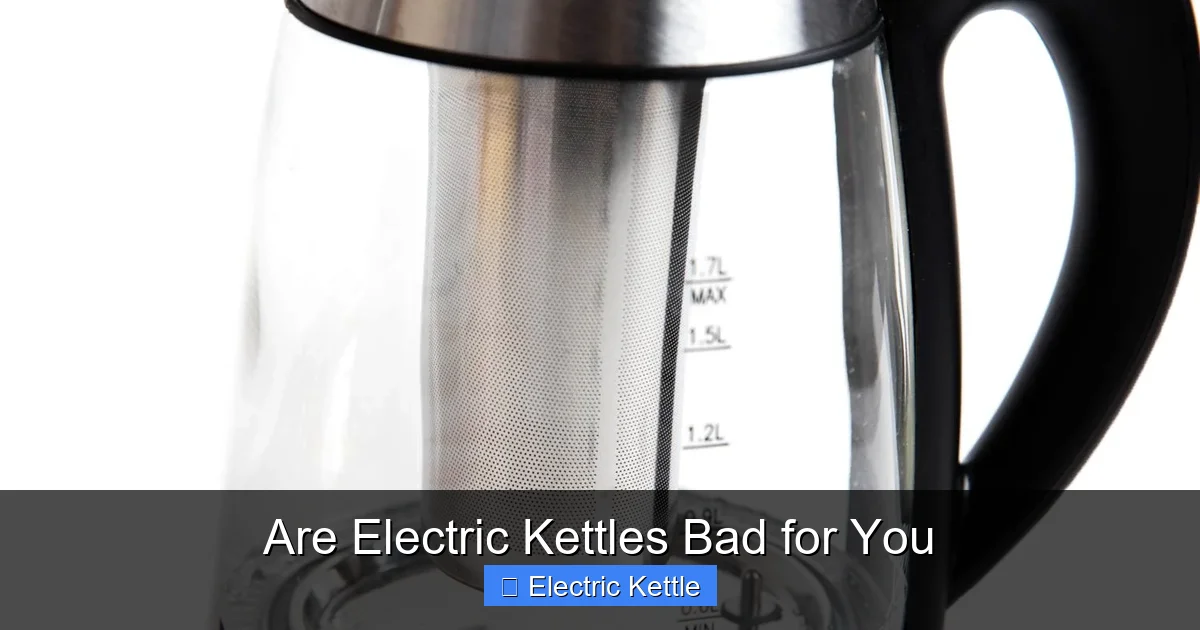
Visual guide about Are Electric Kettles Bad for You
Image source: seriouseats.com
Before we tackle the health concerns, it helps to understand how electric kettles actually function. At their core, electric kettles are simple devices: they use an internal heating element—usually hidden beneath a metal plate—to heat water quickly and efficiently. When you press the “on” button, electricity flows through the heating element, which gets hot and transfers that heat directly to the water. Most kettles are designed to automatically shut off once the water reaches boiling point (around 212°F or 100°C), thanks to a built-in thermostat.
This automatic shut-off feature is one of the biggest safety advantages electric kettles have over stovetop versions. No more forgotten kettles boiling dry or overflowing. Plus, because the heating element is enclosed, there’s minimal risk of burns from open flames or hot surfaces—unless you’re careless with the cord or handle. Modern kettles also come with additional safety features like boil-dry protection (which cuts power if there’s no water), cool-touch exteriors, and secure lids to prevent spills.
Another key benefit is speed. Electric kettles can boil water in just 3 to 5 minutes, depending on the model and volume. That’s significantly faster than most stovetop methods, especially if you’re using a gas burner or an older electric coil. This efficiency isn’t just convenient—it also means less energy wasted, which is better for both your wallet and the environment. And because they’re so quick, you’re more likely to drink hot beverages regularly, supporting better hydration and digestion.
Common Health Concerns: What’s Real and What’s Myth?
Now, let’s address the elephant in the room: are electric kettles bad for you? The internet is full of conflicting opinions, so let’s break down the most common concerns one by one.
Do Electric Kettles Leach Harmful Chemicals?
One of the biggest fears people have is that heating plastic or metal components might release toxic substances into the water. This concern is most valid with older or low-quality plastic kettles. Some cheaper models use plastics that contain bisphenol A (BPA) or other endocrine-disrupting chemicals. When heated repeatedly, these materials can degrade and potentially leach into the water—especially if the kettle is overheated or damaged.
However, most reputable brands now use BPA-free, food-grade plastics or switch to safer materials like stainless steel or borosilicate glass. Stainless steel kettles, in particular, are highly resistant to corrosion and don’t react with water, even at high temperatures. Glass kettles are another excellent option—they’re non-reactive, easy to clean, and allow you to see the water as it heats. If you’re worried about chemical leaching, avoid kettles with plastic interiors or exteriors that feel flimsy or smell strongly when new.
Can Microplastics Get Into Your Water?
Microplastics have become a hot topic in recent years, and for good reason—they’ve been found in everything from bottled water to seafood. Some studies suggest that plastic kettles, especially when heated, may release tiny plastic particles into the water. A 2022 study published in *Environmental Science & Technology* found that plastic teapots and kettles could release millions of microplastic particles per liter when filled with hot water.
But here’s the nuance: the risk is primarily linked to low-quality, non-food-grade plastics. High-end kettles made with Tritan or other certified food-safe plastics show minimal leaching. And again, switching to stainless steel or glass eliminates this concern entirely. If you already own a plastic kettle, don’t panic—just avoid overheating it, don’t use it for boiling oils or other liquids, and replace it if it shows signs of wear like cracks or discoloration.
Does Boiling Water Destroy Nutrients?
Another myth floating around is that boiling water in an electric kettle somehow “destroys” the water’s natural properties or removes beneficial minerals. This is simply not true. Boiling water kills bacteria and other pathogens, making it safer to drink—especially if you’re using tap water from an uncertain source. It doesn’t remove minerals like calcium or magnesium; in fact, it can concentrate them slightly due to evaporation.
Some people worry about “dead water” or water that’s been over-boiled, claiming it lacks oxygen or energy. These ideas are pseudoscientific and not supported by research. Water is water—its molecular structure (H₂O) remains unchanged regardless of how many times it’s boiled. The only real downside to repeated boiling is the potential for increased mineral concentration in hard water areas, which we’ll cover next.
Hard Water and Mineral Buildup: A Practical Challenge
If you live in an area with hard water—water that’s high in calcium and magnesium—you’ve probably noticed a white, chalky residue inside your kettle. This is limescale, and while it’s not harmful to drink, it can affect your kettle’s performance and lifespan.
Why Limescale Forms
Hard water contains dissolved minerals that precipitate out when heated. Over time, these minerals build up on the heating element and interior surfaces, forming a hard crust. This buildup acts as an insulator, reducing heat transfer efficiency. As a result, your kettle takes longer to boil water and uses more energy. In severe cases, it can even cause the heating element to overheat or fail prematurely.
Is Limescale Dangerous?
Limescale itself isn’t toxic. Drinking small amounts of it won’t harm you—your body can handle the extra calcium and magnesium. However, excessive buildup can harbor bacteria if not cleaned regularly, especially in hard-to-reach areas. More importantly, it affects the taste of your water and beverages. Coffee and tea made with scale-contaminated water can taste flat or metallic.
How to Prevent and Remove Limescale
The good news? Limescale is easy to manage with regular maintenance. Here’s a simple, effective method:
1. **Monthly Descaling:** Fill your kettle halfway with equal parts white vinegar and water. Let it sit for 30 minutes to an hour, then boil the mixture. Turn off the kettle, let it cool, and rinse thoroughly with clean water. Repeat if necessary.
2. **Use Filtered Water:** If your tap water is very hard, consider using filtered or distilled water in your kettle. This reduces mineral intake and extends the time between cleanings.
3. **Wipe Down After Use:** After each use, wipe the interior with a soft cloth to remove any residual moisture and prevent spotting.
For example, Sarah, a tea lover from Colorado, used to descale her kettle every two weeks due to extremely hard water. After switching to filtered water and cleaning monthly with vinegar, she now only needs to descale every three months—and her tea tastes noticeably better.
Material Matters: Choosing the Right Kettle for Your Health
Not all electric kettles are created equal. The material your kettle is made from plays a huge role in its safety, durability, and impact on water quality. Let’s compare the most common options.
Stainless Steel Kettles
Stainless steel is the gold standard for electric kettles. It’s durable, non-reactive, and doesn’t leach chemicals—even when heated to high temperatures. High-quality stainless steel kettles (look for 18/8 or 304 grade) are resistant to rust and corrosion, making them ideal for long-term use. They’re also easy to clean and often come with concealed heating elements, which reduces limescale buildup.
One downside? Some people report a slight metallic taste, especially with older models. This is usually due to low-grade steel or poor manufacturing. Stick to trusted brands like Breville, Cuisinart, or Hamilton Beach to avoid this issue.
Glass Kettles
Glass kettles are a close second in terms of safety. Made from borosilicate glass (the same material used in lab equipment and high-end bakeware), they’re heat-resistant and non-porous, meaning they won’t absorb odors or flavors. You can watch the water boil—a satisfying sight for many users—and there’s zero risk of chemical leaching.
However, glass is more fragile than metal. Dropping it or exposing it to sudden temperature changes (like pouring cold water into a hot kettle) can cause it to crack or shatter. If you choose glass, handle it with care and avoid extreme temperature shifts.
Plastic Kettles
Plastic kettles are the most affordable option, but they come with the most caveats. As mentioned earlier, low-quality plastics can leach BPA, phthalates, or microplastics—especially when heated. Even BPA-free plastics may contain other harmful chemicals.
If you must use a plastic kettle, look for models labeled “food-grade,” “BPA-free,” and “microwave-safe.” Avoid kettles with strong chemical smells or those that feel cheap and lightweight. And never overfill or overheat—stick to the recommended water level and don’t let it boil dry.
Kettles with Non-Stick Coatings
Some kettles feature non-stick interiors to prevent staining and make cleaning easier. While convenient, non-stick coatings (like Teflon) can degrade at high temperatures, potentially releasing toxic fumes. This is rare with proper use, but it’s a risk to consider—especially if the coating begins to peel.
For maximum safety, avoid kettles with scratched or damaged non-stick surfaces. If you’re concerned, stick to stainless steel or glass.
Safety Features and Smart Usage Tips
Even the best kettle can become a hazard if used improperly. Fortunately, modern electric kettles come packed with safety features designed to protect you and your home.
Automatic Shut-Off
This is the most important safety feature. Once the water reaches boiling point, the kettle automatically turns off, preventing overheating and reducing the risk of fire. Most models also have boil-dry protection, which cuts power if the kettle is turned on without water.
Cool-Touch Exteriors
Many kettles have double-walled designs or insulated handles that stay cool to the touch, even when the water inside is boiling. This prevents burns, especially if you have children or pets at home.
Secure Lids and Spill-Resistant Spouts
A well-designed lid prevents steam from escaping and water from splashing out during pouring. Look for kettles with tight-fitting lids and drip-free spouts to avoid burns and messes.
Practical Tips for Safe Use
– **Don’t overfill:** Leave at least an inch of space at the top to prevent boiling water from spilling out.
– **Unplug when not in use:** This reduces the risk of electrical faults and saves energy.
– **Keep cords away from water:** Never let the power cord dangle near the sink or stovetop.
– **Clean regularly:** Wipe the exterior and descale the interior monthly.
– **Replace when needed:** If your kettle shows signs of wear—cracks, rust, or inconsistent heating—it’s time for a new one.
For example, Mark, a busy dad of three, uses his electric kettle multiple times a day for coffee, oatmeal, and baby formula. He keeps it on a heat-resistant mat, never overfills it, and descales it every six weeks. After five years, it’s still working perfectly—and his family stays safe and hydrated.
Environmental and Long-Term Health Benefits
Beyond safety, electric kettles offer indirect health benefits through their efficiency and convenience. Because they boil water faster than stovetops, they use less energy—up to 50% less in some cases. This reduces your carbon footprint and lowers your electricity bill.
Faster boiling also means you’re more likely to drink hot beverages regularly. Herbal teas, for instance, are rich in antioxidants and can support digestion, immunity, and relaxation. Coffee drinkers benefit from consistent, properly brewed cups without the guesswork of stove-top heating.
Plus, using an electric kettle reduces reliance on single-use plastics (like bottled water or disposable coffee cups) and minimizes the risk of scalding from open flames or hot stovetops—especially important in homes with young children or elderly individuals.
Conclusion: Are Electric Kettles Bad for You?
So, are electric kettles bad for you? The answer is a resounding no—when chosen and used correctly. The fears about chemical leaching, microplastics, and nutrient loss are largely overblown, especially if you invest in a high-quality kettle made from stainless steel or glass. With proper maintenance, regular descaling, and smart usage habits, an electric kettle can be a safe, efficient, and even healthy addition to your kitchen.
The key is awareness. Don’t buy the cheapest model you find online. Do your research, read reviews, and look for certifications like UL or ETL. Choose materials that align with your health priorities, and treat your kettle with care. Remember, no appliance is risk-free, but the benefits of electric kettles—speed, safety, and convenience—far outweigh the minimal risks when managed properly.
In the end, your kettle is just a tool. It’s how you use it that matters. So go ahead, boil that water, steep that tea, and enjoy your favorite hot drink—without the guilt or worry.
Frequently Asked Questions
Can electric kettles cause cancer?
No, there is no scientific evidence that electric kettles cause cancer. Concerns about chemicals like BPA are valid for low-quality plastic models, but modern kettles use safer, food-grade materials that don’t pose cancer risks.
Is it safe to drink water boiled in a plastic electric kettle?
It can be safe if the kettle is made from high-quality, BPA-free, food-grade plastic. However, stainless steel or glass kettles are safer long-term choices to avoid any risk of chemical leaching.
How often should I clean my electric kettle?
Clean the exterior after each use and descale the interior monthly if you use hard water. In areas with soft water, descaling every 2–3 months is usually sufficient.
Can I boil milk or other liquids in an electric kettle?
It’s not recommended. Most electric kettles are designed for water only. Boiling milk, soup, or oil can damage the heating element, cause burning, and void the warranty.
Do electric kettles use a lot of electricity?
No, they’re actually very energy-efficient. Electric kettles use less energy than stovetops to boil the same amount of water, especially when you only heat what you need.
What should I do if my kettle starts to smell or taste funny?
This is usually due to limescale or residue buildup. Clean it thoroughly with vinegar and water, rinse well, and avoid using it until the odor is gone. If the problem persists, consider replacing the kettle.