Electric kettles are faster, more energy-efficient, and safer than stovetop kettles, making them a smart upgrade for modern kitchens. They offer precise temperature control, automatic shut-off, and sleek designs—perfect for tea lovers, busy families, and coffee enthusiasts alike.
Key Takeaways
- Faster boiling times: Electric kettles heat water significantly quicker than stovetop models, often in under 3 minutes.
- Energy efficiency: They use less electricity by heating only the water needed, reducing waste and lowering utility bills.
- Enhanced safety features: Auto shut-off, boil-dry protection, and cool-touch exteriors minimize burn and fire risks.
- Precise temperature control: Many models offer variable settings for different beverages, like green tea or French press coffee.
- Convenience and ease of use: Cordless designs, water-level indicators, and quiet operation make daily use effortless.
- Easy maintenance: Removable filters and smooth interiors simplify cleaning and reduce limescale buildup.
- Modern aesthetics: Sleek, compact designs fit well in small spaces and complement contemporary kitchens.
📑 Table of Contents
- Are Electric Kettles Better? A Complete Guide to Making the Switch
- Speed and Efficiency: Why Electric Kettles Boil Water Faster
- Safety Features That Give You Peace of Mind
- Precision Temperature Control for Perfect Beverages
- Convenience and Ease of Use in Daily Life
- Maintenance and Longevity: Keeping Your Kettle in Top Shape
- Design and Aesthetics: More Than Just Function
- Are Electric Kettles Worth the Investment?
Are Electric Kettles Better? A Complete Guide to Making the Switch
If you’ve ever stood over a whistling stovetop kettle, waiting impatiently for your morning tea or coffee, you’re not alone. Boiling water is a daily ritual for millions, but the method matters more than you might think. Enter the electric kettle—a quiet, efficient, and increasingly popular kitchen appliance that’s changing the way we heat water. But are electric kettles better than their stovetop cousins? The short answer is yes, and in this guide, we’ll explore exactly why.
Electric kettles aren’t just a modern convenience—they’re a smarter, safer, and more efficient way to boil water. Whether you’re a tea connoisseur, a busy parent, or someone who values speed and precision in the kitchen, an electric kettle can make a noticeable difference in your daily routine. From faster boiling times to advanced safety features, the benefits go far beyond just convenience. In this article, we’ll break down the key advantages of electric kettles, compare them to traditional stovetop models, and help you decide if it’s time to make the switch.
Speed and Efficiency: Why Electric Kettles Boil Water Faster
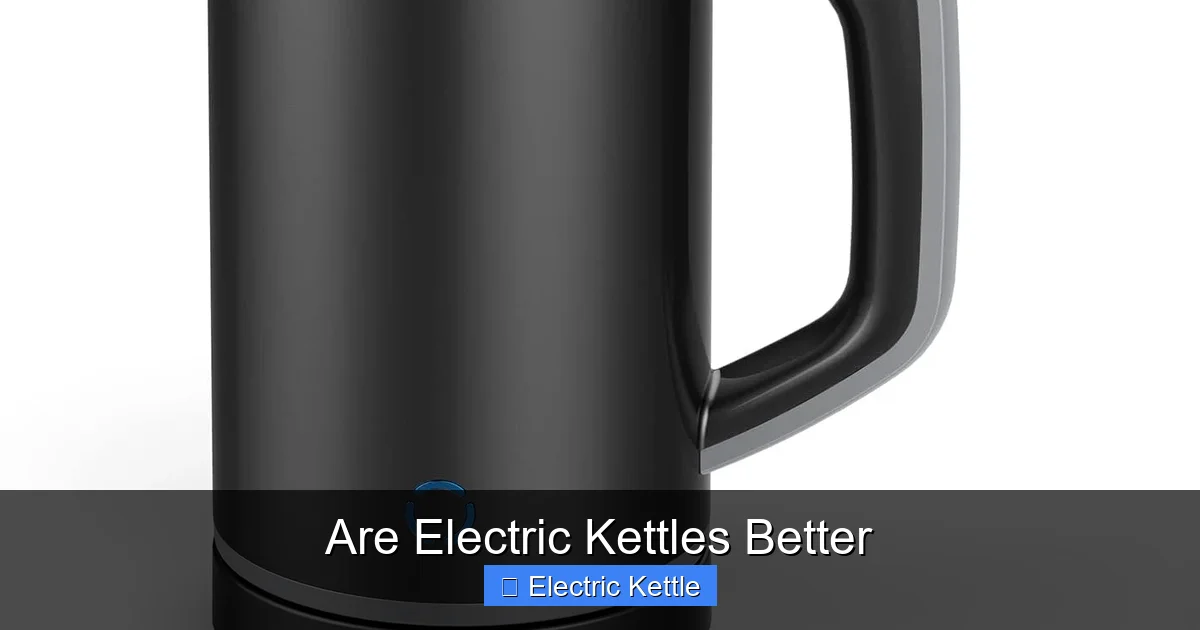
Visual guide about Are Electric Kettles Better
Image source: m.media-amazon.com
One of the most compelling reasons to choose an electric kettle is speed. If you’re in a rush—whether it’s for a quick cup of coffee before work or hot water for instant noodles—waiting for a stovetop kettle can feel like an eternity. Electric kettles, on the other hand, are built for speed. Most models can boil a full liter of water in under 3 minutes, compared to 5–7 minutes on a gas or electric stove.
This speed comes down to design and technology. Electric kettles use a heating element directly submerged in the water, allowing for rapid and even heat transfer. There’s no need to wait for a burner to heat up or for heat to transfer through a metal base. The energy goes straight into the water, making the process far more efficient.
Real-World Example: Morning Rush Comparison
Imagine two people making tea at 7 a.m. Person A uses a stovetop kettle on a gas burner. They fill it, place it on the stove, and wait—about 6 minutes—until it whistles. Person B uses an electric kettle. They press a button, and in just 2 minutes and 45 seconds, the water is boiling and the kettle shuts off automatically. That’s over 3 minutes saved—time that could be spent sipping tea, packing lunches, or catching up on emails.
Energy Efficiency Matters
Beyond speed, electric kettles are also more energy-efficient. Because they heat water directly and shut off when boiling, they avoid the energy waste that comes with leaving a stovetop kettle on too long. Studies have shown that electric kettles use up to 50% less energy than stovetop models for the same amount of water. This not only saves time but also reduces your electricity bill and environmental footprint.
For example, if you boil water twice a day, switching to an electric kettle could save you around $10–$15 per year on energy costs. Over the lifespan of the kettle, that adds up—especially when you consider that many electric kettles last 5–7 years with proper care.
Safety Features That Give You Peace of Mind
Safety is a major concern when it comes to heating water, and electric kettles excel in this area. Unlike stovetop kettles, which can be left unattended or forgotten on a hot burner, electric kettles come with built-in safety mechanisms that prevent accidents.
Automatic Shut-Off
One of the most important safety features is automatic shut-off. Once the water reaches boiling point, the kettle turns itself off. This eliminates the risk of over-boiling, which can damage the kettle or create steam hazards. It also means you can walk away without worrying about forgetting the kettle on the stove.
Boil-Dry Protection
Another critical feature is boil-dry protection. If you accidentally turn on the kettle without water, the heating element won’t overheat or catch fire. Instead, the kettle detects the lack of water and shuts off immediately. This protects both the appliance and your home from potential damage.
Cool-Touch Exteriors and Secure Lids
Many modern electric kettles are designed with cool-touch exteriors, meaning the outside stays relatively cool even when the water inside is boiling. This reduces the risk of burns, especially in households with children. Additionally, secure, locking lids prevent spills and steam burns when pouring.
Stability and Cordless Design
Cordless electric kettles sit on a separate base, making them easier to lift and pour without tangling cords or risking electric shocks. The wide, stable base also reduces the chance of tipping, which is especially helpful when handling hot water.
Precision Temperature Control for Perfect Beverages
Not all hot drinks require boiling water. In fact, using water that’s too hot can ruin the flavor of delicate teas or specialty coffees. This is where electric kettles with variable temperature settings shine.
Why Temperature Matters
Different beverages need different water temperatures for optimal taste:
– Green tea: 160–180°F (70–80°C)
– White tea: 175–185°F (80–85°C)
– Oolong tea: 185–205°F (85–96°C)
– Black tea: 200–212°F (93–100°C)
– French press coffee: 195–205°F (90–96°C)
Boiling water (212°F or 100°C) can scorch green or white tea leaves, resulting in a bitter, unpleasant taste. Similarly, coffee brewed with water that’s too hot can extract unwanted bitterness.
How Electric Kettles Deliver Precision
Many high-quality electric kettles now offer variable temperature control. With the push of a button, you can select the ideal temperature for your drink. Some models even have preset options labeled for tea, coffee, or baby formula. This level of precision is nearly impossible with a stovetop kettle, where you’d have to guess when to remove it from the heat.
For example, the Breville BKE820XL IQ Electric Kettle offers six precise temperature settings and a “keep warm” function that maintains your chosen temperature for up to 60 minutes. This is perfect for tea lovers who want to steep multiple cups without reheating.
Bonus: Baby Formula and Instant Meals
Parents will appreciate the accuracy of electric kettles when preparing baby formula. Most formulas recommend water at 158°F (70°C) to preserve nutrients and avoid scalding. An electric kettle with temperature control ensures you get it right every time—no guesswork, no risk.
Convenience and Ease of Use in Daily Life
Beyond performance, electric kettles are designed for everyday convenience. Their user-friendly features make them a joy to use, whether you’re making a single cup or boiling water for a family.
Cordless Design and Easy Pouring
Most electric kettles are cordless, meaning the kettle lifts off its base for easy pouring. This design reduces clutter and makes it simple to carry the kettle to the sink, counter, or table. The spout is often shaped for a smooth, drip-free pour—no more spills or messy countertops.
Water-Level Indicators and Large Openings
Clear water-level windows let you see exactly how much water you’re adding, so you only heat what you need. This saves energy and time. Many models also have wide openings, making it easy to fill, clean, and add tea bags or infusers.
Quiet Operation
Unlike stovetop kettles that whistle or rattle, electric kettles operate quietly. Some high-end models are nearly silent, which is ideal for early mornings or late-night tea sessions when you don’t want to wake others.
Compact and Space-Saving
Electric kettles take up less counter space than a stovetop kettle and burner. Their sleek, vertical design fits well in small kitchens, apartments, or dorm rooms. Some models even have a small footprint, perfect for RVs or office break rooms.
Maintenance and Longevity: Keeping Your Kettle in Top Shape
Like any appliance, electric kettles require some care to last. But compared to stovetop kettles, they’re generally easier to maintain—especially when it comes to cleaning and preventing limescale.
Dealing with Limescale
In areas with hard water, limescale buildup is a common issue. It forms on the heating element and interior surfaces, reducing efficiency and affecting taste. However, many electric kettles come with removable filters or anti-scale coatings to minimize this problem.
To clean limescale, simply mix equal parts water and white vinegar, fill the kettle, and let it sit for 30 minutes. Boil the solution, then rinse thoroughly with clean water. Repeat if necessary. For regular maintenance, wipe the exterior with a damp cloth and descale every 1–2 months.
Removable Filters and Smooth Interiors
Most electric kettles have a mesh filter at the spout to catch mineral deposits and tea leaves. This filter is usually removable and dishwasher-safe, making cleanup a breeze. The interior is often made of stainless steel or BPA-free plastic, both of which are easy to wipe down and resistant to odors.
Durability and Lifespan
A well-maintained electric kettle can last 5–7 years or more. Stainless steel models tend to be more durable than plastic ones, especially when it comes to resisting scratches and heat damage. Look for kettles with warranties of 2 years or more as a sign of quality.
Design and Aesthetics: More Than Just Function
Let’s be honest—kitchen appliances should look good, too. Electric kettles come in a wide range of styles, colors, and materials, making it easy to find one that matches your kitchen decor.
Modern and Minimalist Styles
From sleek stainless steel to matte black finishes, electric kettles offer a contemporary look that stovetop kettles often lack. Brands like Smeg, Cuisinart, and Fellow design kettles that double as statement pieces.
Compact and Retro Options
If you prefer a vintage vibe, brands like Russell Hobbs and KitchenAid offer retro-style electric kettles with chrome accents and rounded shapes. For minimalists, compact glass kettles with LED lighting add a touch of elegance.
Smart Features and Connectivity
Some advanced models even include smart features like app connectivity, voice control (via Alexa or Google Assistant), and programmable timers. While not essential, these extras can enhance convenience for tech-savvy users.
Are Electric Kettles Worth the Investment?
Electric kettles typically cost between $30 and $150, depending on features and brand. While this is more than a basic stovetop kettle, the long-term benefits often justify the price.
Consider the time saved, energy efficiency, safety, and improved beverage quality. For frequent tea or coffee drinkers, the investment pays off quickly. Plus, many electric kettles come with warranties and reliable customer support.
Who Should Buy an Electric Kettle?
– Tea and coffee enthusiasts who value precision
– Busy families needing quick, safe boiling
– Small-space dwellers (apartments, dorms, RVs)
– Parents preparing baby formula
– Eco-conscious users looking to reduce energy use
Final Thoughts: Making the Switch
If you’re still using a stovetop kettle, it might be time to upgrade. Electric kettles offer a combination of speed, safety, and smart features that make them a superior choice for most households. They’re not just better—they’re a game-changer for daily routines.
Whether you’re brewing the perfect cup of Earl Grey or heating water for instant oatmeal, an electric kettle delivers consistent, reliable performance with minimal effort. And with so many stylish and functional options available, there’s never been a better time to make the switch.
Frequently Asked Questions
Are electric kettles more energy-efficient than stovetop kettles?
Yes, electric kettles are significantly more energy-efficient. They heat water directly and shut off automatically, using up to 50% less energy than stovetop models. This saves both time and money on electricity bills.
Can electric kettles boil water faster than stovetop kettles?
Absolutely. Most electric kettles boil a liter of water in under 3 minutes, while stovetop kettles take 5–7 minutes. The direct heating element in electric kettles allows for rapid, efficient boiling.
Are electric kettles safe to use?
Yes, electric kettles are very safe. They feature automatic shut-off, boil-dry protection, and cool-touch exteriors, reducing the risk of burns, fires, and accidents—especially compared to unattended stovetop kettles.
Do electric kettles affect the taste of water or tea?
No, high-quality electric kettles made with stainless steel or BPA-free materials do not alter taste. In fact, precise temperature control can improve flavor by preventing overheating of delicate teas.
How do I clean and maintain an electric kettle?
Clean your kettle regularly by descaling with a vinegar-water solution every 1–2 months. Remove and rinse the filter, and wipe the exterior with a damp cloth. Avoid submerging the base in water.
Can I use an electric kettle for purposes other than tea and coffee?
Yes! Electric kettles are great for heating water for instant noodles, oatmeal, baby formula, or even sterilizing baby bottles. Just ensure the water temperature matches the need—some models offer specific settings for these uses.