Electric kettles heat water faster, use less energy, and offer precise temperature control—making them ideal for tea, coffee, and quick meals. While stovetop kettles have charm and durability, electric models win on convenience, safety, and modern features for most households.
Key Takeaways
- Electric kettles boil water faster: Most electric kettles heat water in 3–5 minutes, compared to 5–10 minutes on a stovetop.
- Energy efficiency favors electric models: Electric kettles use only the energy needed to boil water, reducing waste and lowering electricity bills.
- Precise temperature control is a game-changer: Many electric kettles let you choose exact temperatures for different teas and coffees, improving flavor.
- Stovetop kettles offer durability and simplicity: Made from stainless steel or copper, they last decades with minimal maintenance and work during power outages.
- Safety features make electric kettles safer: Auto shut-off, boil-dry protection, and cool-touch exteriors reduce burn and fire risks.
- Noise and aesthetics differ: Stovetop kettles whistle when done, adding charm; electric models are quieter but may lack visual appeal.
- Best choice depends on lifestyle: Busy households and tea lovers benefit most from electric kettles; traditionalists and off-grid users may prefer stovetop.
📑 Table of Contents
- Are Electric Kettles Better Than Stove Top Kettles? A Head-to-Head Comparison
- Speed: Which Kettle Boils Water Faster?
- Energy Efficiency: Which Kettle Uses Less Power?
- Temperature Control: Precision Matters for Perfect Brews
- Safety: Which Kettle Is Safer to Use?
- Durability and Maintenance: Which Kettle Lasts Longer?
- Taste and Performance: Does the Kettle Affect Flavor?
- Cost and Value: Which Kettle Is Worth the Investment?
- Conclusion: Which Kettle Is Right for You?
Are Electric Kettles Better Than Stove Top Kettles? A Head-to-Head Comparison
Imagine this: it’s early morning, you’re half-awake, and all you want is a hot cup of tea or coffee to kickstart your day. You head to the kitchen, fill a kettle with water, and wait. But how long do you wait? And which kettle gives you that perfect brew—fast, safe, and delicious?
This is where the age-old debate begins: are electric kettles better than stovetop kettles? Both have loyal fans. Stovetop kettles bring nostalgia, a satisfying whistle, and rugged reliability. Electric kettles, on the other hand, promise speed, smart features, and modern convenience. But which one truly comes out on top?
In this guide, we’ll break down every aspect—speed, energy use, taste, safety, maintenance, and more—to help you decide which kettle fits your lifestyle. Whether you’re a tea connoisseur, a coffee lover, or just someone who wants hot water in a hurry, this comparison will give you the clarity you need.
Speed: Which Kettle Boils Water Faster?
Let’s start with the most obvious difference: speed. If you’re in a rush, time matters. And when it comes to boiling water, electric kettles have a clear advantage.
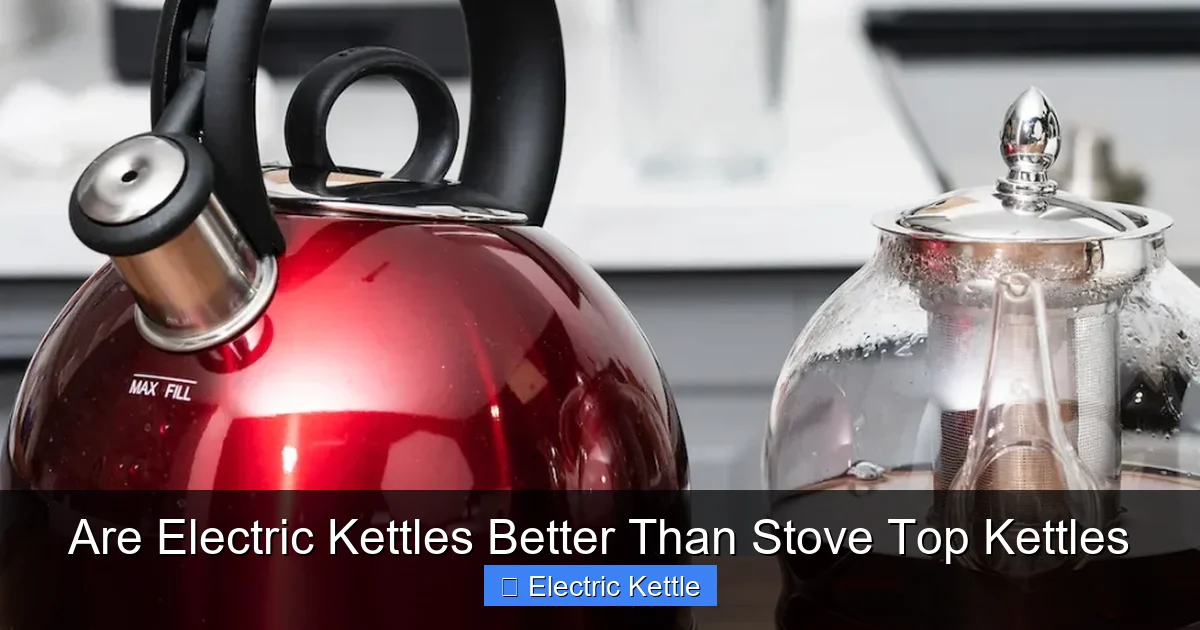
Visual guide about Are Electric Kettles Better Than Stove Top Kettles
Image source: reviewed-com-res.cloudinary.com
How Fast Do Electric Kettles Work?
Most electric kettles can boil a full liter of water in just 3 to 5 minutes. High-performance models with 1500–3000 watts can do it even faster—sometimes under 3 minutes. That’s because the heating element is directly immersed in the water, transferring heat efficiently and evenly.
For example, the popular Breville BKE820XL Smart Kettle boils water in about 4 minutes, thanks to its 1500-watt motor and rapid-boil technology. Even budget-friendly models like the Cuisinart CPK-17 PerfecTemp get the job done in under 5 minutes.
How Long Do Stovetop Kettles Take?
Stovetop kettles, depending on the stove type and material, typically take 5 to 10 minutes to boil the same amount of water. Gas stoves heat faster than electric stovetops, but even then, you’re looking at a minimum of 5 minutes. On an induction cooktop, it might be closer to 4–6 minutes—still slower than most electric kettles.
Why the delay? Stovetop kettles rely on external heat. The burner heats the bottom of the kettle, which then transfers heat to the water. This indirect method is less efficient, especially if the kettle isn’t perfectly flat or the flame isn’t evenly distributed.
Real-World Example: Morning Rush
Picture this: you’re getting ready for work, and your partner is making coffee while you prep breakfast. With an electric kettle, your water is ready in 4 minutes. You can pour it instantly, steep your tea, and move on. With a stovetop kettle, you might be waiting an extra 3–5 minutes—time you could’ve used to pack your lunch or check emails.
For busy households, that time adds up. Over a week, you could save 20–30 minutes just by switching to an electric kettle. That’s a small change with a big impact.
Energy Efficiency: Which Kettle Uses Less Power?
Speed is one thing, but what about energy use? Are electric kettles really more efficient, or do they just seem faster?
How Electric Kettles Save Energy
Electric kettles are designed to be energy-efficient. They use only the electricity needed to heat the water—no more, no less. Once the water reaches boiling point, most models automatically shut off, preventing wasted energy.
Studies show that electric kettles are up to 80% more efficient than stovetop kettles. This is because they convert nearly all the electrical energy into heat, with minimal loss. In contrast, stovetop kettles lose heat to the air around them, especially on gas stoves where flames can escape the sides.
For example, boiling 1 liter of water on a gas stove can use about 0.1 kWh of energy, while an electric kettle uses around 0.08 kWh. Over time, that difference can lower your utility bills—especially if you boil water multiple times a day.
Stovetop Kettles and Heat Loss
Stovetop kettles, particularly those used on gas burners, suffer from significant heat loss. Up to 40% of the heat can escape into the air instead of heating the water. Electric stovetops aren’t much better—they take longer to heat up and cool down slowly, wasting energy.
Even induction stovetops, which are more efficient, still require the kettle to conduct heat from the surface. This adds a step in the process, reducing overall efficiency compared to direct immersion heating in electric kettles.
Environmental Impact
If you’re eco-conscious, electric kettles are the greener choice—especially if your electricity comes from renewable sources. They use less energy, produce fewer emissions, and often come with features like keep-warm modes that reduce the need to reboil water.
Plus, many electric kettles are made with recyclable materials like stainless steel and BPA-free plastic. Some brands, like Russell Hobbs and Hamilton Beach, even offer energy-saving modes and eco-settings to further reduce consumption.
Temperature Control: Precision Matters for Perfect Brews
Here’s where electric kettles truly shine: temperature control. Not all hot water is created equal—especially when it comes to tea and coffee.
Why Temperature Affects Taste
Different beverages require different water temperatures for optimal flavor. Boiling water (100°C or 212°F) can scorch delicate green teas, making them bitter. On the other hand, French press coffee needs near-boiling water to extract full flavor.
Electric kettles with variable temperature settings let you choose the perfect heat for each drink. For example:
- White tea: 70–80°C (158–176°F)
- Green tea: 75–85°C (167–185°F)
- Oolong tea: 85–90°C (185–194°F)
- Black tea: 95–100°C (203–212°F)
- Coffee (pour-over): 90–96°C (194–205°F)
With a stovetop kettle, you have no control. You boil the water and hope it cools enough for green tea—or risk ruining it. Some people use thermometers, but that’s clunky and time-consuming.
Smart Features in Modern Electric Kettles
Many electric kettles now come with pre-set temperature options. The Bonavita BV3825 1.0L Gooseneck Kettle, for instance, offers six temperature settings and a hold function that keeps water at the desired temp for up to 60 minutes.
Other models include LED displays, memory functions, and even app connectivity. The Smarter iKettle 3.0 lets you control boiling temperature and time from your smartphone—perfect for remote brewing or scheduling your morning tea.
These features aren’t just gimmicks. They help you brew better, taste better, and waste less. No more guessing, no more over-steeping. Just perfect cups, every time.
Stovetop Kettles: The One-Size-Fits-All Approach
Stovetop kettles are simple: fill, heat, boil. They don’t offer temperature control, so you’re stuck with boiling water or waiting for it to cool. Some people use timers or ice cubes to cool water faster, but it’s not precise.
For casual drinkers, this might not matter. But for tea enthusiasts or coffee snobs, it’s a dealbreaker. A great cup starts with the right water temperature—and electric kettles deliver that control effortlessly.
Safety: Which Kettle Is Safer to Use?
Safety is a major concern, especially in homes with kids, elderly family members, or busy cooks. Let’s compare the safety features of both types.
Electric Kettle Safety Features
Modern electric kettles come with multiple safety mechanisms:
- Auto shut-off: Turns off the kettle when water reaches boiling point.
- Boil-dry protection: Shuts off if the kettle is turned on without water.
- Cool-touch exterior: Prevents burns from touching the outside.
- Secure lid and handle: Reduces spill risks.
- Non-slip base: Keeps the kettle stable on countertops.
These features make electric kettles very safe for everyday use. Even if you forget the kettle, it won’t overheat or cause a fire. Brands like KitchenAid and OXO prioritize safety in their designs, with reinforced cords and child-safe locks.
Stovetop Kettle Risks
Stovetop kettles pose more risks:
- Open flames or hot surfaces: Gas stoves can cause burns or fires if left unattended.
- No automatic shut-off: You must remember to turn off the stove.
- Whistling can be ignored: If you’re distracted, the kettle might boil dry, damaging the pot or creating smoke.
- Hot handles: Metal handles can get extremely hot, increasing burn risk.
While stovetop kettles are generally safe when used properly, they require more attention. A moment of distraction can lead to accidents—especially in busy kitchens.
Child Safety Considerations
If you have young children, electric kettles are safer. Many models have lockable lids and cool-touch exteriors, reducing the risk of scalds. Some even have cord storage to prevent tripping.
Stovetop kettles, with their exposed flames and hot surfaces, are harder to childproof. You’d need stove guards and constant supervision—something not always possible in a hectic household.
Durability and Maintenance: Which Kettle Lasts Longer?
Both kettles can last for years, but their durability depends on build quality and care.
Stovetop Kettles: Built to Last
Stovetop kettles, especially those made from stainless steel or copper, are incredibly durable. Brands like Le Creuset and Fellow offer kettles that can last decades with proper care. They don’t rely on electronics, so there’s less that can break.
Maintenance is simple: rinse after use, descale occasionally, and avoid overheating. No cords, no circuits, no software updates. Just metal and water.
Electric Kettles: Convenience with Some Trade-offs
Electric kettles are convenient but have more components that can fail: heating elements, thermostats, cords, and digital displays. While many are built well, they typically last 3–7 years with regular use.
Maintenance includes descaling (to remove mineral buildup), cleaning the exterior, and checking the cord for damage. Some models have removable filters and easy-clean interiors, making upkeep easier.
Which Is Easier to Clean?
Electric kettles often have wider openings and smooth interiors, making them easier to clean. Many are dishwasher-safe or have self-cleaning modes. Stovetop kettles can be trickier, especially if they have narrow spouts or intricate designs.
However, stovetop kettles don’t have electrical parts to worry about. If something goes wrong, you can often fix it yourself—no need to replace the whole unit.
Taste and Performance: Does the Kettle Affect Flavor?
Some people swear that stovetop kettles make better-tasting tea. Is there truth to that?
Material Matters
The material of the kettle can affect taste. Stainless steel and copper kettles are inert—they don’t react with water or leave metallic flavors. Glass and ceramic electric kettles are also neutral.
However, some plastic electric kettles can impart a slight taste, especially when new. Look for BPA-free, food-grade materials to avoid this.
Boiling Method and Oxygen Levels
Stovetop kettles heat water more gradually, which some believe preserves oxygen levels and enhances flavor. Electric kettles heat faster, which can reduce oxygen slightly—but the difference is minimal and unlikely to affect taste for most people.
In blind taste tests, most participants can’t tell the difference between water boiled in electric vs. stovetop kettles. The real factor is water quality—use filtered water for the best results, regardless of kettle type.
Noise and Experience
Stovetop kettles whistle when done—a classic sound many find comforting. Electric kettles are quieter, some with soft beeps or no sound at all. It’s a matter of preference: nostalgia vs. modern silence.
Cost and Value: Which Kettle Is Worth the Investment?
Price varies widely for both types.
Electric Kettle Costs
Basic electric kettles start around $20–$30. Mid-range models with temperature control and stainless steel bodies cost $50–$100. High-end smart kettles can go up to $150 or more.
Stovetop Kettle Costs
Simple stovetop kettles start at $15–$25. Premium models from brands like Fellow or Staub can cost $100–$200, especially if made from copper or enameled cast iron.
Long-Term Value
Electric kettles offer better value for most people due to speed, efficiency, and features. Even a $50 model can save time and energy over years of use. Stovetop kettles are cheaper upfront but lack modern conveniences.
Conclusion: Which Kettle Is Right for You?
So, are electric kettles better than stovetop kettles? For most people, the answer is yes—especially if you value speed, safety, and precision. Electric kettles boil water faster, use less energy, offer temperature control, and come with safety features that reduce risk.
But stovetop kettles still have their place. They’re durable, work during power outages, and offer a nostalgic charm. If you’re off-grid, love traditional cooking, or simply prefer the whistle of a boiling kettle, a stovetop model might be your best bet.
Ultimately, the best kettle is the one that fits your lifestyle. If you’re always on the go, love tea, or want a safer, smarter kitchen tool, go electric. If you value simplicity, durability, and tradition, stick with stovetop.
Either way, you’ll be enjoying hot water—just in your own way.
Frequently Asked Questions
Are electric kettles safe to leave unattended?
Yes, most modern electric kettles have auto shut-off and boil-dry protection, making them safe to use without constant supervision. However, it’s still best to stay nearby when boiling water.
Do electric kettles use a lot of electricity?
No, electric kettles are energy-efficient. They use only the power needed to boil water and shut off automatically, reducing waste compared to stovetop methods.
Can I boil milk in an electric kettle?
It’s not recommended. Milk can scorch, stick to the heating element, and damage the kettle. Use a stovetop or dedicated milk boiler instead.
Do stovetop kettles work on induction stoves?
Only if they have a magnetic base. Look for induction-compatible stovetop kettles made from stainless steel or cast iron.
How often should I descale my electric kettle?
Descale every 1–3 months, depending on water hardness. Use vinegar or a commercial descaler to remove mineral buildup and maintain performance.
Can electric kettles boil water faster than microwaves?
Yes, electric kettles are faster and more efficient than microwaves for boiling water. They heat evenly and don’t risk superheating, which can cause sudden boiling.