Electric kettles are among the most energy-efficient ways to heat water, often using less electricity than stovetops or microwaves. They heat water quickly, reduce waste, and are ideal for daily use, making them a smart choice for both your wallet and the environment.
Key Takeaways
- Electric kettles are highly energy efficient: They convert up to 80-90% of energy into heat, minimizing waste compared to other methods.
- Faster boiling saves time and energy: Most electric kettles boil water in 3-5 minutes, reducing overall energy use.
- Better than stovetops and microwaves: Electric kettles use less energy than gas or electric stovetops and are far more efficient than microwaves for heating water.
- Only heat what you need: Many models let you boil precise amounts, avoiding unnecessary energy use from overfilling.
- Modern features boost efficiency: Auto shut-off,保温 (keep-warm), and variable temperature settings help conserve energy.
- Environmentally friendly choice: Using an electric kettle reduces carbon emissions over time, especially when powered by renewable energy.
- Long-term cost savings: Lower energy bills and durability make electric kettles a smart investment for homes and offices.
📑 Table of Contents
- Are Electric Kettles Energy Efficient for Heating Water?
- How Electric Kettles Work and Why They’re Efficient
- Comparing Electric Kettles to Other Water-Heating Methods
- Energy-Saving Features in Modern Electric Kettles
- Environmental and Cost Benefits of Using Electric Kettles
- Tips to Maximize Energy Efficiency with Your Electric Kettle
- Common Misconceptions About Electric Kettle Efficiency
- Conclusion: Yes, Electric Kettles Are Energy Efficient
Are Electric Kettles Energy Efficient for Heating Water?
If you’ve ever stood over a whistling stovetop kettle or waited for a microwave to heat your tea water, you’ve probably wondered: is there a better way? Enter the electric kettle—a sleek, modern appliance that’s become a staple in kitchens around the world. But beyond convenience, one of the biggest questions people ask is: Are electric kettles energy efficient for heating water?
The short answer? Yes—electric kettles are among the most energy-efficient appliances for heating water. They’re designed to do one job extremely well: boil water quickly and with minimal energy loss. Unlike stovetops, which lose heat to the surrounding air, or microwaves, which heat the entire container and not just the water, electric kettles focus their energy directly on the water inside. This targeted approach means less wasted electricity and faster results.
But efficiency isn’t just about speed. It’s also about how much energy is actually used to achieve the desired outcome. When you consider factors like energy conversion rates, heat loss, and user behavior, electric kettles consistently come out on top. Whether you’re making a morning cup of coffee, preparing instant noodles, or sterilizing baby bottles, using an electric kettle can help you save energy, time, and money—without sacrificing performance.
How Electric Kettles Work and Why They’re Efficient
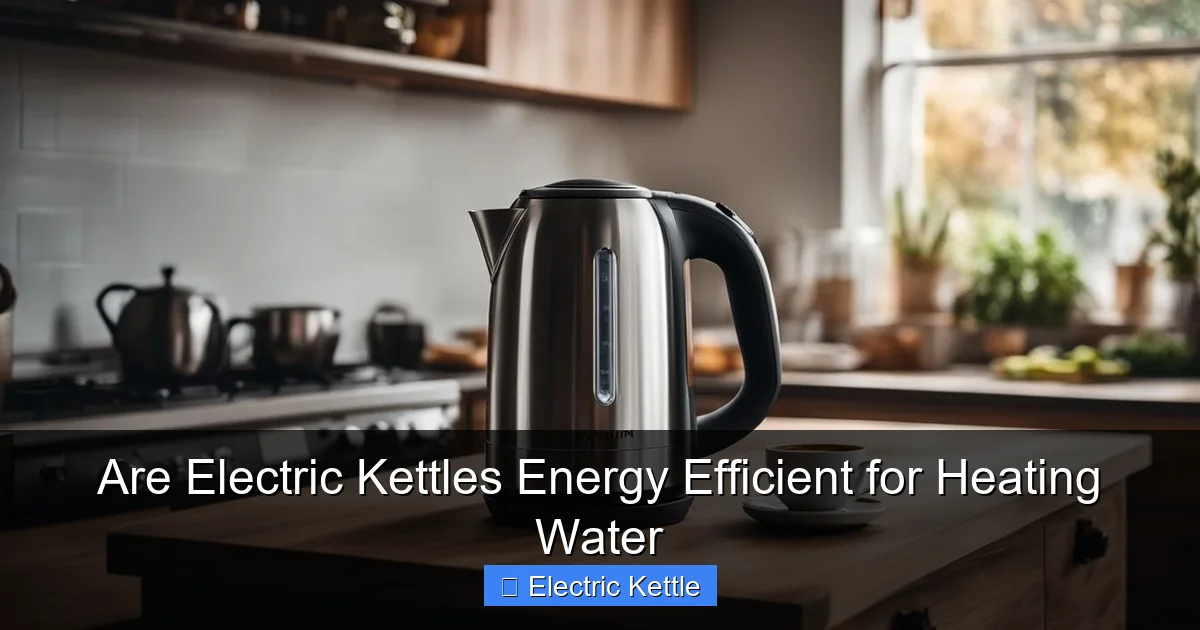
Visual guide about Are Electric Kettles Energy Efficient for Heating Water
Image source: app.agilitywriter.ai
To understand why electric kettles are so energy efficient, it helps to know how they work. Most electric kettles use a heating element—usually located at the base—that’s submerged in or in direct contact with the water. When you flip the switch, electricity flows through this element, generating heat that quickly warms the water.
Unlike gas stovetops, which lose a significant amount of heat to the air around the pot, electric kettles are enclosed systems. The lid seals in heat, and the insulated walls (in many modern models) help retain warmth. This means more of the energy goes into heating the water, not the kitchen.
Another key factor is the direct transfer of energy. In a stovetop setup, heat must travel from the burner to the pot, then to the water—each step involving some energy loss. In contrast, electric kettles apply heat directly to the water, minimizing these losses. Studies have shown that electric kettles convert about 80–90% of the electricity they consume into heat for the water. That’s far better than gas stoves (around 40% efficiency) or microwaves (about 50–60%).
Energy Conversion: The Science Behind the Efficiency
Let’s break it down with a bit of science. Energy efficiency in this context refers to how much of the input energy (electricity) is converted into useful output (heat in the water). Electric kettles excel here because they use resistive heating—a method where electrical energy is turned directly into heat with very little waste.
For example, a typical 1500-watt electric kettle uses 1.5 kilowatts of power. If it runs for 4 minutes (0.067 hours), it consumes about 0.1 kWh of electricity. Compare that to boiling the same amount of water on a gas stove, which might take 6–8 minutes and use more energy due to heat loss. Even electric stovetops, while more efficient than gas, still lose energy through the coil and air.
Microwaves, often seen as quick, are actually less efficient for heating water. They work by exciting water molecules, but they heat the entire container and don’t focus energy as precisely. Plus, microwaves are better suited for reheating food than boiling water—using one for this purpose can be slower and use more energy.
Real-World Example: Boiling One Cup of Water
Imagine you want to make a single cup of tea. On a gas stove, you might fill a small pot with water, wait for it to boil, and then pour. But you’re likely heating more water than needed, and the pot itself absorbs heat. This wastes energy.
With an electric kettle, you can measure exactly one cup (about 250ml) and boil just that. Many kettles have clear water level markers, so you don’t overfill. This precision means you’re not wasting electricity heating extra water you won’t use.
Let’s say it takes 3 minutes to boil one cup in an electric kettle. At 1500 watts, that’s about 0.075 kWh. On a gas stove, the same task might take 5 minutes and use more energy due to inefficiency. Over time, these small differences add up—especially if you boil water multiple times a day.
Comparing Electric Kettles to Other Water-Heating Methods
To truly appreciate the energy efficiency of electric kettles, it’s helpful to compare them to other common methods: gas stovetops, electric stovetops, and microwaves. Each has its pros and cons, but when it comes to heating water, electric kettles usually come out ahead.
Electric Kettle vs. Gas Stovetop
Gas stovetops are popular for their instant heat and control, but they’re not the most efficient for boiling water. The flame heats the bottom of the pot, but much of that heat escapes into the air. Only about 40% of the energy actually goes into heating the water.
In contrast, electric kettles are sealed and direct heat straight to the water. Even if a gas stove takes the same amount of time, it uses more energy overall. Plus, gas stoves require you to monitor the flame, which can lead to over-boiling or forgetting to turn it off—both of which waste energy.
Electric Kettle vs. Electric Stovetop
Electric coil or flat-top stovetops are more efficient than gas, but still lag behind electric kettles. They lose heat to the surrounding air and take longer to transfer energy to the pot. A typical electric stove might take 6–8 minutes to boil a liter of water, while an electric kettle does it in 3–4 minutes.
Speed matters because the longer an appliance runs, the more energy it consumes. Even small time differences can lead to noticeable savings on your electricity bill over time.
Electric Kettle vs. Microwave
Microwaves are great for reheating leftovers, but not ideal for boiling water. They heat water unevenly, which can lead to superheating—a dangerous condition where water gets hotter than boiling point without bubbling. This can cause sudden eruptions when disturbed.
Energy-wise, microwaves are about 50–60% efficient for water heating. They also take longer than electric kettles for the same task. For example, boiling a cup of water in a microwave might take 2–3 minutes, but it uses more energy per minute and doesn’t heat as effectively.
Practical Tip: Use the Right Tool for the Job
The key takeaway? Use the most efficient tool for the task. If you’re heating water, an electric kettle is almost always the best choice. Save the microwave for food and the stovetop for cooking. This simple switch can reduce your energy use significantly.
Energy-Saving Features in Modern Electric Kettles
Not all electric kettles are created equal. While basic models are already efficient, many modern kettles come with advanced features that boost energy savings even further. These innovations help you use less electricity, reduce waste, and get better results.
Auto Shut-Off and Boil-Dry Protection
One of the most important energy-saving features is auto shut-off. Once the water reaches boiling point, the kettle automatically turns off. This prevents over-boiling, which wastes energy and can damage the appliance.
Even better, many kettles have boil-dry protection. If you accidentally turn it on without water, the kettle detects the lack of liquid and shuts off immediately. This not only saves energy but also prevents fire hazards and extends the kettle’s lifespan.
Variable Temperature Settings
Not all beverages need boiling water. Green tea, for example, tastes better at 70–80°C (158–176°F), while coffee might need 90–96°C (194–205°F). Many modern electric kettles offer variable temperature control, allowing you to heat water to the exact temperature needed.
This feature saves energy because you’re not overheating the water. It also improves flavor and prevents scalding delicate teas. Some high-end models even have preset programs for different drinks, making it easy to get the perfect temperature every time.
保温 (Keep-Warm) Function
Some electric kettles include a保温 (keep-warm) function, which maintains the water at a set temperature for a period of time—usually 30 minutes to an hour. While this does use a small amount of additional energy, it can actually save power in the long run.
Instead of reboiling water multiple times throughout the day, you can keep it warm and ready. This is especially useful in offices or households where people make tea or coffee at different times. Just be sure to turn off the保温 function when not in use to avoid unnecessary energy consumption.
Insulated and Double-Walled Designs
Insulation plays a big role in energy efficiency. Double-walled or vacuum-insulated kettles keep water hot longer without needing to reheat. This reduces the need for repeated boiling, which saves electricity.
These designs also make the kettle safer to handle, as the outer surface stays cool even when the water inside is boiling. Look for models with stainless steel interiors and BPA-free plastic exteriors for the best combination of safety and efficiency.
Practical Example: Choosing an Energy-Efficient Model
When shopping for an electric kettle, look for features like:
– Auto shut-off
– Variable temperature control
-保温 (keep-warm) function
– Insulated body
– Clear water level indicators
A kettle with these features might cost a bit more upfront, but the energy savings over time—plus the convenience—make it worth the investment.
Environmental and Cost Benefits of Using Electric Kettles
Beyond personal savings, using an electric kettle has broader environmental and economic benefits. By reducing energy consumption, you’re also lowering your carbon footprint and contributing to a more sustainable future.
Lower Carbon Emissions
Electricity generation still relies heavily on fossil fuels in many parts of the world, so using less energy directly translates to fewer greenhouse gas emissions. When you choose an electric kettle over a gas stove, you’re avoiding the combustion of natural gas, which releases carbon dioxide and other pollutants.
Even if your electricity comes from coal or natural gas, electric kettles are still more efficient than gas stoves. And if you’re lucky enough to have renewable energy—like solar or wind—your electric kettle becomes an almost zero-emission appliance.
Long-Term Cost Savings
Let’s talk money. While electric kettles have an upfront cost (typically $20–$100), they pay for themselves over time through lower energy bills.
For example, boiling water on a gas stove might cost about $0.03 per use, while an electric kettle costs around $0.02 per use—depending on local energy prices. If you boil water 5 times a day, that’s a savings of about $18 per year. Over 5 years, that’s nearly $100 saved—enough to buy a new kettle.
Plus, electric kettles are durable. A well-made model can last 5–10 years with proper care, making them a cost-effective long-term investment.
Reduced Water Waste
Energy efficiency isn’t just about electricity—it’s also about water. Many people overfill kettles or pots, boiling more water than they need. This wastes both water and energy.
Electric kettles with precise measurement markers help you use only what you need. Some even have “cup” markings, so you can boil exactly one or two cups. This reduces water waste and ensures you’re not heating excess water unnecessarily.
Encouraging Sustainable Habits
Using an electric kettle can also promote other eco-friendly habits. For instance, once you realize how quickly and efficiently it works, you might be less tempted to use the microwave or stovetop for small tasks. Over time, these small changes add up to a more sustainable lifestyle.
Tips to Maximize Energy Efficiency with Your Electric Kettle
Even the most efficient appliance can waste energy if used incorrectly. Here are some practical tips to get the most out of your electric kettle while minimizing energy use.
Only Boil What You Need
This is the golden rule of energy-efficient kettle use. Always measure the water you need—don’t guess or overfill. Most kettles have minimum and maximum fill lines, so stay within those limits.
For example, if you’re making one cup of tea, don’t fill the kettle to the top. Boiling extra water wastes electricity and takes longer. Use a measuring cup or rely on the kettle’s built-in markers.
Descale Regularly
Mineral buildup from hard water can reduce your kettle’s efficiency over time. Limescale insulates the heating element, making it harder to transfer heat. This means the kettle has to work longer and use more energy to boil water.
To prevent this, descale your kettle every 1–3 months, depending on water hardness. Use a mixture of vinegar and water, or a commercial descaling solution. Follow the manufacturer’s instructions for best results.
Use the Right Temperature Setting
If your kettle has variable temperature control, use it! Don’t boil water for green tea at 100°C—it will ruin the flavor and waste energy. Set it to 70–80°C instead.
Similarly, for coffee, aim for 90–96°C. This small adjustment can save energy and improve your drink quality.
Turn Off保温 (Keep-Warm) When Not Needed
While保温 is convenient, it uses electricity to maintain temperature. If you’re not planning to use the water within 30 minutes, turn off the保温 function. Reboiling water later is often more efficient than keeping it warm for hours.
Unplug When Not in Use
Even when off, some kettles draw a small amount of standby power. To eliminate this “phantom load,” unplug the kettle when you’re not using it—especially if you’re away for a few days.
Choose Energy-Efficient Models
When buying a new kettle, look for energy-efficient certifications like ENERGY STAR (if available) or high wattage with fast boil times. A kettle that boils quickly uses less energy overall, even if it has a higher wattage.
Common Misconceptions About Electric Kettle Efficiency
Despite their proven efficiency, some myths about electric kettles persist. Let’s clear up a few common misconceptions.
“Higher Wattage Means More Energy Use”
Not necessarily. Wattage refers to power, not total energy consumption. A 1500-watt kettle might use more power per minute than a 1200-watt model, but if it boils water faster, it could use less total energy.
For example, a 1500W kettle might boil water in 3 minutes (0.075 kWh), while a 1200W kettle takes 4 minutes (0.08 kWh). The higher-wattage model is actually more efficient in this case.
“Electric Kettles Are Expensive to Run”
Compared to other appliances, electric kettles are very cheap to operate. At average electricity rates, boiling a liter of water costs just a few cents. Over a year, even heavy users spend less than $20 on electricity for their kettle.
“Gas Is Always Cheaper Than Electricity”
This depends on local utility prices. In some areas, gas is cheaper per unit of energy. But because gas stoves are less efficient, the total cost to boil water can be similar or even higher than using an electric kettle.
Always consider both the cost and efficiency of your energy source.
“All Electric Kettles Are the Same”
Quality varies widely. Cheap kettles may lack insulation, auto shut-off, or precise controls, reducing their efficiency. Investing in a well-made model pays off in performance, safety, and energy savings.
Conclusion: Yes, Electric Kettles Are Energy Efficient
So, are electric kettles energy efficient for heating water? The evidence is clear: yes, they are. From their direct heating method and high energy conversion rates to modern features like auto shut-off and variable temperatures, electric kettles are designed to save energy, time, and money.
They outperform stovetops and microwaves in both speed and efficiency, and their environmental benefits make them a smart choice for eco-conscious consumers. With proper use and maintenance, an electric kettle can be a long-lasting, cost-effective addition to any kitchen.
Whether you’re brewing tea, making coffee, or preparing instant meals, switching to an electric kettle is a small change with big rewards. So go ahead—boil that water the smart way.
Frequently Asked Questions
Are electric kettles more energy efficient than stovetops?
Yes, electric kettles are generally more energy efficient than both gas and electric stovetops. They heat water faster and lose less energy to the surrounding air, making them the better choice for boiling water.
Do electric kettles use a lot of electricity?
No, electric kettles use relatively little electricity. A typical 1500-watt kettle uses about 0.1 kWh to boil a liter of water, which costs just a few cents per use.
Can I save money by using an electric kettle?
Yes, using an electric kettle can lower your energy bills over time. They are more efficient than stovetops and microwaves, and their durability makes them a cost-effective long-term investment.
Is it safe to leave water in an electric kettle?
It’s safe to leave water in the kettle for a short time, but avoid storing water for days. Stagnant water can develop bacteria, and mineral buildup may occur. Empty and clean the kettle regularly.
Do all electric kettles have auto shut-off?
Most modern electric kettles include auto shut-off for safety and efficiency. However, older or very basic models may not have this feature, so check the specifications before buying.
Can I boil less than the minimum water level?
No, never boil water below the minimum fill line. This can damage the heating element and pose a fire risk. Always follow the manufacturer’s guidelines for safe operation.