Electric kettles are generally safe when used properly and maintained well. Most modern models come with built-in safety features like auto shut-off and boil-dry protection, making them reliable for everyday use. Choosing high-quality materials and following manufacturer guidelines ensures long-term safety and performance.
Key Takeaways
- Electric kettles are safe when used correctly: With proper handling and regular maintenance, they pose minimal risk in the kitchen.
- Look for safety certifications: Products with UL, ETL, or CE marks meet rigorous safety standards and are tested for reliability.
- Auto shut-off and boil-dry protection are essential: These features prevent overheating and damage, reducing fire and burn risks.
- Material matters: Stainless steel and BPA-free plastic kettles are safer than low-quality plastics that may leach chemicals.
- Regular cleaning prevents buildup: Mineral deposits can affect performance and safety—descale your kettle every few weeks.
- Avoid overfilling and improper placement: Follow capacity guidelines and keep the kettle on a stable, dry surface away from edges.
- Unplug when not in use: This simple habit reduces electrical risks and extends the kettle’s lifespan.
📑 Table of Contents
- Are Electric Kettles Safe? A Complete Guide to Safe Usage and Maintenance
- How Electric Kettles Work—And Why They’re Designed for Safety
- Material Safety: What Your Kettle Is Made Of Matters
- Common Safety Risks and How to Avoid Them
- Tips for Safe and Efficient Use
- Choosing a Safe Electric Kettle: What to Look For
- Conclusion: Yes, Electric Kettles Are Safe—When Used Right
Are Electric Kettles Safe? A Complete Guide to Safe Usage and Maintenance
If you’ve ever stood in the kitchen, waiting for water to boil on the stove, only to forget it and walk away, you know how convenient an electric kettle can be. In just a few minutes, you have hot water for tea, coffee, oatmeal, or instant noodles—no watching the pot, no wasted time. But with that convenience comes a natural question: Are electric kettles safe?
The short answer is yes—electric kettles are safe for everyday use, especially when you choose a quality model and follow basic safety practices. Unlike stovetop kettles, electric kettles are designed with multiple safety mechanisms to prevent accidents. They’re engineered to turn off automatically, resist overheating, and protect against electrical faults. But like any kitchen appliance, they’re not completely risk-free if misused or poorly maintained.
In this guide, we’ll dive deep into the safety aspects of electric kettles. We’ll explore the built-in safety features, the importance of materials, how to use your kettle responsibly, and what to avoid. Whether you’re a first-time buyer or a long-time user, this article will help you make informed decisions and enjoy your electric kettle with confidence.
How Electric Kettles Work—And Why They’re Designed for Safety
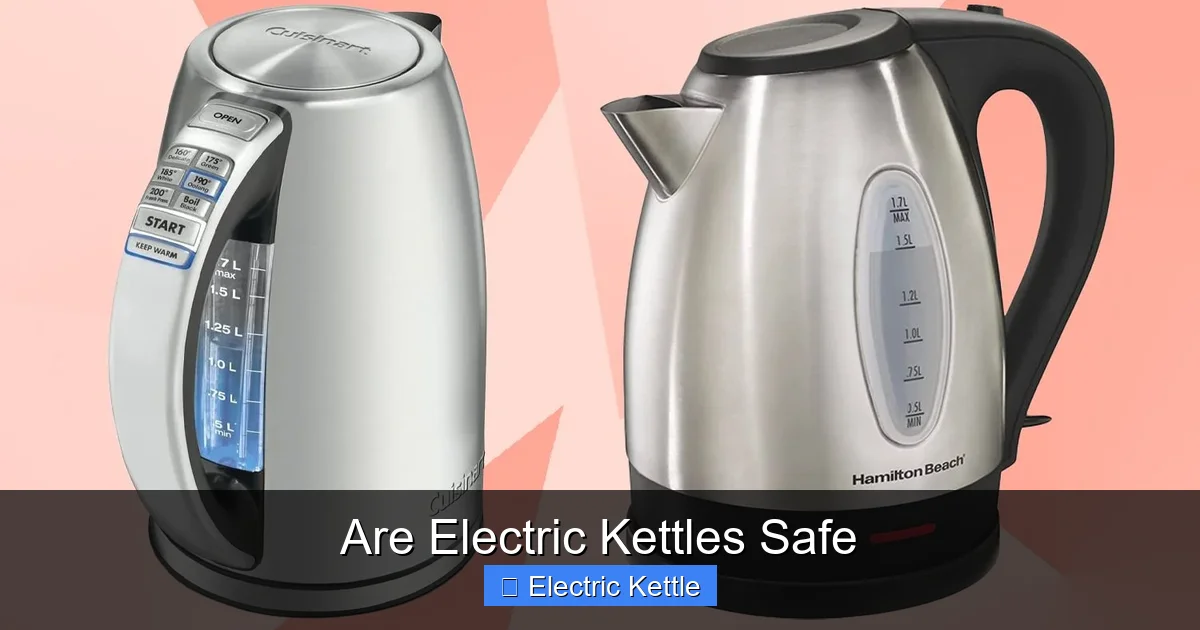
Visual guide about Are Electric Kettles Safe
Image source: realsimple.com
To understand why electric kettles are safe, it helps to know how they work. At the heart of every electric kettle is a heating element, usually located at the base. When you plug in the kettle and press the switch, electricity flows through this element, generating heat. That heat transfers directly to the water, bringing it to a boil quickly—often in under five minutes.
But what makes electric kettles safer than other heating methods? It’s the combination of smart design and automatic controls. Most modern electric kettles include several safety features that shut the unit down if something goes wrong. For example, if the water level is too low, the kettle won’t turn on—or it will turn off immediately if it detects dry boiling. This prevents the heating element from overheating and potentially causing a fire.
Another key safety aspect is the sealed design. Unlike stovetop kettles, electric kettles have a closed system. The heating element is hidden beneath a stainless steel or plastic base, so you never touch it directly. This reduces the risk of burns and electrical shock. Plus, the lid locks securely during operation, preventing steam from escaping unexpectedly.
Built-In Safety Features You Should Know About
Let’s take a closer look at the most common safety features found in today’s electric kettles:
- Auto Shut-Off: This is the most important safety feature. Once the water reaches boiling point (usually around 212°F or 100°C), the kettle automatically turns off. This prevents over-boiling, saves energy, and reduces the risk of fire.
- Boil-Dry Protection: If you accidentally turn on the kettle without water, this feature detects the lack of liquid and cuts power to the heating element. Without it, the element could overheat and fail—or worse, start a fire.
- Thermal Fuse: A thermal fuse is a one-time safety device that melts if the temperature gets too high. It acts as a backup if the auto shut-off fails, permanently disabling the kettle to prevent danger.
- Cool-Touch Exterior: Many kettles have insulated handles and outer shells that stay cool to the touch, even when the water inside is boiling. This prevents burns when pouring.
- Stable Base and Non-Slip Feet: A well-designed base keeps the kettle steady on countertops, reducing the chance of tipping over and spilling hot water.
- Cordless Design: Most electric kettles detach from the power base, making them easier to pour and store. This also reduces tripping hazards and cord damage.
These features work together to make electric kettles one of the safest ways to boil water at home. But remember—safety also depends on how you use and care for your appliance.
Material Safety: What Your Kettle Is Made Of Matters
Not all electric kettles are created equal—especially when it comes to materials. The type of material used in the kettle’s interior and exterior can affect both safety and taste. Some materials are safer than others, and choosing the right one can make a big difference in your daily use.
Stainless Steel: The Gold Standard
Stainless steel is widely considered the safest and most durable material for electric kettles. It’s non-reactive, meaning it won’t leach chemicals into your water, even when heated. High-quality stainless steel kettles (like those made with 18/8 or 304-grade steel) are resistant to rust, stains, and odors. They also retain heat well and are easy to clean.
One advantage of stainless steel is that the heating element is often concealed beneath the base, so it never touches the water directly. This reduces the risk of mineral buildup and keeps your water tasting fresh. Plus, stainless steel kettles often have a longer lifespan than plastic ones, making them a smart investment.
Glass Kettles: Clear and Clean, But Fragile
Glass electric kettles are popular for their modern look and the ability to see the water boiling. High-quality borosilicate glass is heat-resistant and doesn’t leach chemicals, making it a safe choice. However, glass is more fragile than metal or plastic, so it’s more prone to cracking if dropped or exposed to sudden temperature changes.
If you choose a glass kettle, look for one with a protective outer casing or silicone sleeve to reduce the risk of breakage. Also, avoid pouring cold water into a hot glass kettle, as this can cause thermal shock and cracks.
Plastic Kettles: Convenient but Controversial
Plastic electric kettles are lightweight and affordable, but they come with safety concerns. Some plastics can release harmful chemicals like BPA (bisphenol A) when heated, especially if the kettle is old or damaged. BPA is an endocrine disruptor linked to health issues, so it’s best avoided.
If you do use a plastic kettle, make sure it’s labeled “BPA-free” and made from food-grade materials like Tritan or polypropylene. Even then, avoid overheating or prolonged use, as high temperatures can still degrade plastic over time. For maximum safety, consider switching to stainless steel or glass.
Kettles with Exposed Heating Elements
Some budget kettles have exposed heating elements—meaning the metal coil is visible inside the kettle. While these are cheaper, they pose higher risks. Mineral buildup can accumulate on the element, reducing efficiency and potentially causing hot spots. There’s also a slightly higher chance of accidental contact, especially if the kettle is handled while hot.
For safety and performance, it’s better to choose a kettle with a concealed heating element, where the coil is hidden beneath a smooth, flat base.
Common Safety Risks and How to Avoid Them
Even with built-in safety features, electric kettles can pose risks if used improperly. The good news? Most of these risks are easy to avoid with a little awareness and care.
Overfilling the Kettle
Filling your kettle beyond the maximum water level is a common mistake. When water boils, it expands and can bubble over, spilling hot liquid onto the base or countertop. This can damage the electrical components, cause short circuits, or even start a fire.
Always check the “max” and “min” fill lines inside the kettle. If your kettle doesn’t have markings, a good rule of thumb is to leave at least an inch of space below the spout. For most kettles, this means filling no more than 1.5 to 1.7 liters, even if the capacity is higher.
Using the Kettle Without Water
Running an electric kettle dry is one of the most dangerous things you can do. Without water to absorb the heat, the heating element can overheat rapidly. This can melt internal components, damage the kettle, or ignite nearby materials.
Most kettles have boil-dry protection, but it’s not foolproof. Always double-check that there’s water in the kettle before turning it on. If you accidentally run it dry, unplug it immediately and let it cool before inspecting for damage.
Placing the Kettle on Unstable or Wet Surfaces
Electric kettles should always be placed on a flat, dry, heat-resistant surface. Avoid placing them near the edge of a counter, on a wet sponge, or on a wooden table that could warp or catch fire. Water and electricity don’t mix—spills can lead to shocks or short circuits.
Also, keep the kettle away from curtains, paper, or other flammable materials. Even though the exterior stays relatively cool, the base can get warm, and accidents happen.
Ignoring Mineral Buildup
If you live in an area with hard water, mineral deposits (like limescale) can build up inside your kettle over time. This isn’t just a cosmetic issue—it can insulate the heating element, making the kettle work harder and use more energy. In extreme cases, it can cause overheating or reduce the kettle’s lifespan.
To prevent this, descale your kettle every 4–6 weeks. Use a mixture of equal parts white vinegar and water, let it sit for an hour, then boil and rinse thoroughly. Alternatively, use a commercial descaling solution. Regular cleaning keeps your kettle safe and efficient.
Using Damaged or Frayed Cords
A frayed power cord is a serious hazard. Damaged insulation can expose wires, increasing the risk of electric shock or fire. If you notice cracks, burns, or exposed wires on the cord, stop using the kettle immediately and replace it.
Also, avoid wrapping the cord too tightly around the base, as this can weaken the wires over time. Store the kettle with the cord loosely coiled or use the built-in cord storage if available.
Tips for Safe and Efficient Use
Using your electric kettle safely doesn’t require complicated steps—just a few smart habits. Here are some practical tips to keep in mind:
- Read the manual: Every kettle is different. The manufacturer’s instructions will tell you about capacity, cleaning, and safety features specific to your model.
- Unplug when not in use: Even when turned off, leaving the kettle plugged in can pose a small risk. Unplugging it eliminates any chance of electrical issues.
- Let it cool before cleaning: Never rinse or wipe a hot kettle. Wait until it’s completely cool to avoid burns or warping the materials.
- Use the right water: Tap water is fine, but if your water is very hard, consider using filtered water to reduce mineral buildup.
- Don’t move the kettle while it’s boiling: The steam and hot water can cause burns. Wait until it shuts off and cools slightly before lifting.
- Store it properly: Keep your kettle in a dry, cool place. Avoid stacking heavy items on top, especially if it’s made of glass.
Following these simple practices can extend the life of your kettle and keep your kitchen safe.
Choosing a Safe Electric Kettle: What to Look For
If you’re in the market for a new electric kettle, safety should be a top priority. Here’s what to look for when shopping:
- Safety certifications: Look for labels like UL (Underwriters Laboratories), ETL (Intertek), or CE (Conformité Européenne). These indicate the product has been tested for electrical and fire safety.
- Auto shut-off and boil-dry protection: These features are non-negotiable for safety. Avoid kettles that lack them.
- Material quality: Choose stainless steel or BPA-free glass over low-grade plastic. Check the product description for material details.
- Concealed heating element: A hidden element reduces mineral buildup and improves safety.
- Cool-touch handle and lid: This prevents burns when pouring.
- Stable base and cordless design: Makes pouring safer and reduces tripping hazards.
- Capacity and wattage: A 1500-watt kettle boils water faster than a 1000-watt model, but higher wattage may require a dedicated outlet.
Brands like Breville, Cuisinart, Hamilton Beach, and OXO are known for reliable, safe electric kettles. Read customer reviews to see how they perform in real-world use.
Conclusion: Yes, Electric Kettles Are Safe—When Used Right
So, are electric kettles safe? The answer is a resounding yes—when you choose a quality model, follow the manufacturer’s instructions, and practice good maintenance. Modern electric kettles are engineered with multiple layers of protection to keep you safe from burns, fires, and electrical hazards.
From auto shut-off to boil-dry protection, from stainless steel construction to cool-touch handles, these appliances are designed with safety in mind. But like any tool, they work best when treated with care. Regular cleaning, proper use, and attention to detail go a long way in ensuring your kettle remains a safe and reliable part of your daily routine.
Whether you’re brewing your morning tea or preparing instant soup, your electric kettle can be a convenient and safe kitchen companion. Just remember: safety starts with you. Choose wisely, use responsibly, and enjoy the quick, hot water—without the worry.
Frequently Asked Questions
Can electric kettles cause fires?
Electric kettles are unlikely to cause fires when used properly and equipped with safety features like auto shut-off and boil-dry protection. However, misuse—such as running the kettle dry or placing it near flammable materials—can increase the risk. Always follow safety guidelines to minimize hazards.
Is it safe to leave an electric kettle plugged in?
It’s generally safe to leave an electric kettle plugged in when not in use, as long as it’s turned off and undamaged. However, unplugging it eliminates any small risk of electrical issues and is a good habit for safety and energy conservation.
Do electric kettles leak chemicals into water?
High-quality kettles made from stainless steel or BPA-free materials do not leach harmful chemicals into water. Avoid low-grade plastic kettles, especially when heated, as they may release substances like BPA. Always check the material before buying.
How often should I clean my electric kettle?
Clean your electric kettle every 4–6 weeks, or more often if you have hard water. Use a vinegar solution or descaling product to remove mineral buildup, which can affect performance and safety over time.
Can I use an electric kettle with hard water?
Yes, you can use an electric kettle with hard water, but mineral deposits will build up faster. Regular descaling is essential to maintain efficiency and prevent overheating. Using filtered water can also help reduce buildup.
What should I do if my electric kettle stops working?
If your kettle stops working, first check if it’s plugged in and the outlet is functional. If it still doesn’t work, it may have a blown thermal fuse or internal damage. Avoid trying to repair it yourself—contact the manufacturer or replace the unit for safety.