Electric kettles are generally safe for health when used properly and made from quality materials. Concerns about chemicals, overheating, or mineral leaching are valid but manageable with smart choices and maintenance.
Key Takeaways
- Material matters: Choose kettles made from stainless steel, glass, or BPA-free plastic to avoid harmful chemical leaching.
- Boiling water is safe: Heating water to a rolling boil effectively kills bacteria and pathogens, making it safer to drink.
- Avoid overheating: Most modern kettles have auto-shutoff features that prevent dry boiling and reduce fire or burn risks.
- Regular cleaning prevents buildup: Mineral deposits and mold can affect taste and safety—clean your kettle monthly.
- Plastic components should be minimal: If your kettle has plastic parts, ensure they’re labeled food-grade and BPA-free.
- Noise and steam are normal: These are not health hazards but may indicate scaling or wear over time.
- Follow manufacturer guidelines: Proper use and maintenance significantly improve safety and longevity.
📑 Table of Contents
- Are Electric Kettles Safe for Health? A Complete Guide
- Understanding How Electric Kettles Work
- Material Safety: What’s Inside Your Kettle?
- Heating and Water Quality: Does Boiling Affect Safety?
- Potential Health Risks and How to Avoid Them
- Tips for Safe and Healthy Kettle Use
- Conclusion: Electric Kettles Are Safe—When Used Right
Are Electric Kettles Safe for Health? A Complete Guide
If you’re like most people, your day starts with a cup of tea or coffee—and for many, that means reaching for an electric kettle. Quick, convenient, and energy-efficient, electric kettles have become a staple in kitchens around the world. But as their popularity grows, so do questions about safety. Are electric kettles safe for health? Could they be leaching harmful chemicals into your water? Are there hidden risks in the materials or heating process?
The short answer is: yes, electric kettles are generally safe—when chosen wisely and used correctly. But like any appliance, they come with considerations. From the type of material used in construction to how often you clean it, several factors influence whether your kettle is a health ally or a potential risk. In this guide, we’ll break down everything you need to know about electric kettle safety, from science-backed facts to practical tips you can use today.
Whether you’re a tea enthusiast, a busy parent, or just someone who values clean, safe drinking water, understanding the ins and outs of electric kettle safety empowers you to make better choices. Let’s dive in.
Understanding How Electric Kettles Work
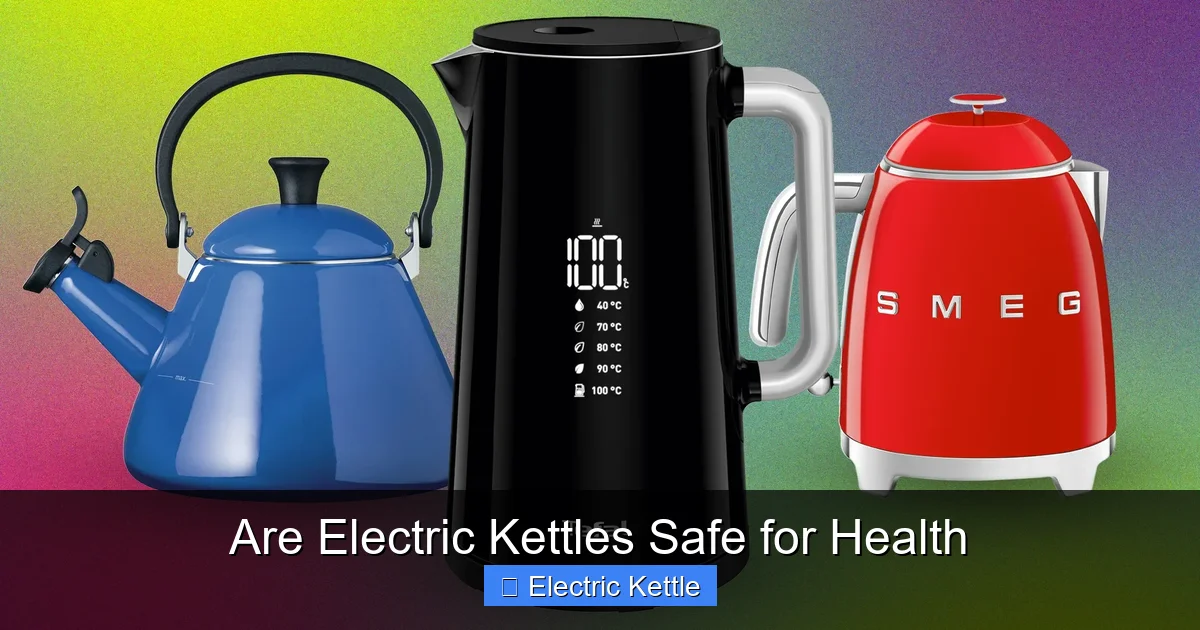
Visual guide about Are Electric Kettles Safe for Health
Image source: media.gq-magazine.co.uk
Before we talk about safety, it helps to understand how electric kettles function. At their core, electric kettles are simple devices: they use an internal heating element—usually hidden beneath the water reservoir—to heat water quickly and efficiently. When you press the “on” button, electricity flows through the heating coil, which becomes hot and transfers that heat directly to the water.
Most modern electric kettles are designed with automatic shut-off mechanisms. Once the water reaches boiling point (around 100°C or 212°F at sea level), a thermostat triggers the kettle to turn off. This prevents overheating, reduces energy waste, and minimizes the risk of burns or fire. Some advanced models even include features like temperature control, keep-warm functions, and boil-dry protection.
The speed and efficiency of electric kettles are part of what makes them so popular. They can boil water in just a few minutes—much faster than stovetop kettles—and use less energy than heating a full pot on the stove. But this convenience doesn’t come without responsibility. The materials used, the quality of construction, and how you maintain the kettle all play a role in its safety profile.
Common Types of Electric Kettles
Electric kettles come in several varieties, each with different materials and designs:
– Stainless steel kettles: Durable, non-reactive, and easy to clean. They’re a top choice for health-conscious users.
– Glass kettles: Transparent and aesthetically pleasing, glass allows you to see the water boiling. High-quality borosilicate glass is heat-resistant and non-toxic.
– Plastic kettles: Lightweight and affordable, but potentially risky if not made with food-safe materials. Look for BPA-free labels.
– Kettles with exposed heating elements: These are less common today but may pose a higher risk of mineral buildup and are harder to clean.
– Kettles with concealed heating elements: The heating coil is hidden under a stainless steel or ceramic plate, making them easier to clean and safer to use.
Understanding these differences helps you choose a kettle that aligns with your health priorities.
Material Safety: What’s Inside Your Kettle?
One of the biggest concerns about electric kettle safety revolves around materials. After all, you’re pouring water into these devices multiple times a day—sometimes for drinking, sometimes for cooking. If the materials aren’t safe, you could be unknowingly exposing yourself to harmful substances.
Let’s look at the most common materials and what you should know about each.
Stainless Steel: The Gold Standard
Stainless steel is widely regarded as one of the safest materials for electric kettles. It’s non-reactive, meaning it doesn’t leach chemicals into water, even when heated. High-quality stainless steel (like 304 or 18/8 grade) is rust-resistant, durable, and easy to clean.
One advantage of stainless steel kettles is that they often have a concealed heating element. This means the metal plate at the bottom is smooth and seamless, reducing the chance of mineral buildup and making cleaning easier. Plus, because the water doesn’t come into direct contact with the heating coil, there’s less risk of metallic taste or contamination.
However, not all stainless steel is created equal. Cheaper models may use lower-grade steel that can corrode over time or contain trace amounts of nickel or chromium. While these metals are generally safe in small amounts, people with sensitivities should opt for high-purity stainless steel.
Glass Kettles: Clean and Clear
Glass kettles are a favorite among those who want to see their water boil. Made from borosilicate glass—the same material used in laboratory equipment and high-end cookware—they’re resistant to thermal shock and don’t absorb odors or flavors.
The biggest benefit of glass is transparency. You can easily spot mineral buildup, mold, or discoloration, which encourages regular cleaning. And because glass is inert, it won’t react with water or release chemicals, even at high temperatures.
That said, glass kettles can be more fragile than metal ones. They’re also typically more expensive and may have plastic components (like the lid or handle) that need to be checked for safety. Always ensure any plastic parts are BPA-free and food-grade.
Plastic Kettles: Proceed with Caution
Plastic kettles are lightweight, inexpensive, and come in a variety of colors and styles. But they also raise the most health concerns.
The main issue with plastic is the potential for chemical leaching. When heated, certain plastics can release substances like bisphenol A (BPA), phthalates, or other endocrine disruptors into water. These chemicals have been linked to hormonal imbalances, reproductive issues, and other health problems—especially with long-term exposure.
The good news? Many manufacturers now produce BPA-free plastic kettles. But “BPA-free” doesn’t always mean “safe.” Some alternatives, like BPS or BPF, may have similar health risks. Additionally, plastic can degrade over time, especially when exposed to heat and repeated use.
If you do choose a plastic kettle, look for labels that say “food-grade,” “BPA-free,” and “heat-resistant.” Avoid kettles with strong chemical smells or those that feel flimsy or thin. And never use a plastic kettle that’s cracked, discolored, or warped.
Ceramic and Other Materials
Ceramic kettles are less common but offer a stylish, non-reactive option. They’re typically glazed on the inside, which prevents leaching—but only if the glaze is lead-free and food-safe. Some older or imported ceramic kettles may contain lead or cadmium in the glaze, which can be toxic when ingested.
Always check the manufacturer’s specifications and avoid kettles with chipped or cracked interiors. If you’re unsure, stick to trusted brands or choose stainless steel or glass instead.
Heating and Water Quality: Does Boiling Affect Safety?
Now that we’ve covered materials, let’s talk about the actual process of heating water. Does boiling water in an electric kettle pose any health risks?
The short answer is no—boiling water is one of the safest ways to purify it.
Boiling Kills Harmful Microorganisms
When water reaches a rolling boil (100°C or 212°F), it effectively kills bacteria, viruses, parasites, and other pathogens. This is why boiling is recommended for treating water in emergencies or when traveling to areas with questionable water quality.
Electric kettles are particularly good at this because they heat water quickly and consistently. Unlike stovetop kettles, which can lose heat if the flame is uneven, electric kettles maintain a steady temperature until the water boils.
However, boiling does not remove chemical contaminants like lead, chlorine, or pesticides. If your tap water contains such substances, boiling won’t make it safer—in fact, it can concentrate them as water evaporates. For this reason, it’s important to use filtered or high-quality tap water in your kettle.
Does Repeated Boiling Harm Water?
Some people worry that boiling water multiple times—like reheating leftover water—can make it unsafe. While it’s true that repeated boiling can slightly increase the concentration of dissolved minerals (like calcium and magnesium), this is generally not a health concern.
In fact, these minerals are naturally occurring and often beneficial. Hard water, which is high in calcium and magnesium, is safe to drink and may even contribute to your daily mineral intake.
That said, repeatedly boiling the same water can lead to mineral buildup inside the kettle (more on that later). It can also affect the taste, making water taste flat or stale. For the best flavor, it’s recommended to use fresh water each time you boil.
Steam and Noise: Are They Harmful?
You’ve probably noticed that electric kettles can get loud when boiling—especially older models. The noise comes from the rapid formation of steam bubbles and the vibration of the heating element. While this might be annoying, it’s not a health hazard.
Similarly, the steam released during boiling is just water vapor. It’s safe to breathe in small amounts, though it can increase humidity in small spaces. Just be careful not to place your face directly over the spout, as the steam can cause burns.
Modern kettles are designed to minimize noise and steam leakage, so if your kettle is excessively loud or leaking steam, it might be time for a replacement.
Potential Health Risks and How to Avoid Them
Despite their overall safety, electric kettles can pose health risks if not used or maintained properly. Let’s explore the most common concerns and how to address them.
Chemical Leaching from Poor-Quality Materials
As mentioned earlier, low-quality plastics or metals can leach harmful chemicals into water. This is especially true if the kettle is old, damaged, or made with substandard materials.
To avoid this:
– Choose kettles made from stainless steel, glass, or certified BPA-free plastic.
– Avoid kettles with strong chemical odors or discoloration.
– Replace kettles that show signs of wear, such as rust, cracks, or peeling interiors.
Mineral Buildup and Scale Formation
If you live in an area with hard water, you’ve likely seen white, chalky deposits inside your kettle. This is limescale—a buildup of calcium and magnesium carbonate.
While limescale isn’t toxic, it can affect the taste of your water and reduce the kettle’s efficiency. Over time, it can also harbor bacteria if not cleaned regularly.
To prevent buildup:
– Descale your kettle monthly using a mixture of white vinegar and water (1:1 ratio). Let it sit for an hour, then rinse thoroughly.
– Use filtered or softened water if possible.
– Wipe the interior with a soft cloth after each use to remove moisture.
Mold and Bacteria Growth
Leaving water sitting in the kettle for long periods can create a breeding ground for mold and bacteria—especially in warm, humid environments.
To prevent this:
– Empty the kettle after each use.
– Leave the lid open to allow air circulation and drying.
– Clean the interior and spout regularly with a mild detergent or vinegar solution.
Overheating and Dry Boiling
Dry boiling—when the kettle heats without water—can damage the heating element and pose a fire risk. Most modern kettles have boil-dry protection that shuts off the power if no water is detected.
However, this feature isn’t foolproof. To stay safe:
– Always ensure there’s enough water before turning on the kettle.
– Never operate the kettle without water, even for a few seconds.
– Replace kettles with faulty auto-shutoff mechanisms.
Electrical Safety Concerns
Electric kettles are electrical appliances, so there’s always a risk of shocks or short circuits—especially if the cord is frayed or the kettle is used near water.
To minimize risk:
– Keep the base and cord dry at all times.
– Don’t immerse the base or cord in water.
– Unplug the kettle when not in use.
– Replace damaged cords immediately.
Tips for Safe and Healthy Kettle Use
Now that we’ve covered the risks, let’s focus on how to use your electric kettle safely and healthily.
Choose the Right Kettle
Start with a high-quality kettle made from safe materials. Look for certifications like FDA approval, BPA-free labels, or NSF certification. Read reviews and choose reputable brands.
Use Clean, Filtered Water
The quality of your water affects both taste and safety. Use filtered tap water or bottled water if your local supply contains contaminants.
Clean Regularly
Descaling and cleaning should be part of your routine. Aim to descale monthly and wipe down the exterior and interior after each use.
Don’t Overfill
Most kettles have a minimum and maximum fill line. Overfilling can cause water to spill into the base, while underfilling can trigger dry boiling.
Store Properly
After use, empty the kettle and leave the lid open to dry. Store in a cool, dry place away from direct sunlight.
Replace When Needed
Even the best kettles wear out. If you notice rust, strange smells, or inconsistent heating, it’s time for a new one.
Conclusion: Electric Kettles Are Safe—When Used Right
So, are electric kettles safe for health? The answer is a resounding yes—when you choose wisely and maintain them properly. The convenience and efficiency of electric kettles make them a valuable kitchen tool, and with the right precautions, they pose minimal risk to your health.
The key is to focus on materials, maintenance, and mindful use. Opt for stainless steel or glass kettles, avoid low-quality plastics, and keep your appliance clean and dry. By doing so, you can enjoy hot water for tea, coffee, or cooking without worrying about hidden dangers.
Remember, no appliance is 100% risk-free, but electric kettles are among the safest when it comes to daily use. With a little care and attention, your kettle can serve you well for years—keeping your water hot, your drinks delicious, and your health protected.
Frequently Asked Questions
Can electric kettles leach chemicals into water?
Yes, but only if made from low-quality materials. Plastic kettles may leach BPA or other chemicals when heated, especially if damaged. Choose stainless steel, glass, or BPA-free plastic to minimize risk.
Is it safe to boil water multiple times in an electric kettle?
Yes, boiling water multiple times is safe. It may slightly concentrate minerals, but this isn’t harmful. For better taste, use fresh water each time.
Do electric kettles kill bacteria in water?
Yes, boiling water in an electric kettle kills bacteria, viruses, and parasites. However, it doesn’t remove chemical contaminants like lead or chlorine.
How often should I clean my electric kettle?
Clean the exterior after each use and descale the interior monthly, or more often if you have hard water. This prevents limescale and bacteria buildup.
Are plastic electric kettles safe?
Plastic kettles can be safe if they’re labeled BPA-free and food-grade. However, stainless steel or glass are safer long-term options.
Can an electric kettle cause a fire?
Rarely, but it’s possible if the kettle overheats or has a faulty auto-shutoff. Always use water when boiling and replace damaged units promptly.