Electric kettles are generally safe, but some models may leach harmful chemicals like BPA, lead, or nickel—especially if made with low-quality plastics or metals. Choosing kettles with food-grade stainless steel or high-quality glass interiors significantly reduces health risks and ensures cleaner, safer boiling.
Key Takeaways
- Most electric kettles are not toxic when made with safe materials: High-quality stainless steel, borosilicate glass, and BPA-free plastics are safe for daily use.
- Cheap plastic kettles may leach harmful chemicals: Low-grade plastics can release BPA, phthalates, or microplastics when heated, especially over time.
- Stainless steel kettles are the safest choice: Look for 18/8 or 304-grade stainless steel, which resists corrosion and doesn’t react with water.
- Check for certifications like FDA, LFGB, or SGS: These ensure the materials meet strict safety standards for food contact.
- Regular cleaning prevents buildup and contamination: Mineral deposits and mold can affect taste and safety—descale and clean your kettle monthly.
- Avoid kettles with exposed heating elements: These can corrode and introduce metal particles into your water.
- Glass kettles offer a non-reactive, toxin-free option: Ideal for those avoiding metal, but ensure the handle and base are heat-safe and BPA-free.
📑 Table of Contents
- Are Electric Kettles Toxic? The Truth Behind Your Morning Brew
- What Makes an Electric Kettle Potentially Toxic?
- Safe vs. Unsafe Materials: What to Look For
- How to Choose a Non-Toxic Electric Kettle
- Maintaining Your Kettle for Long-Term Safety
- Myths and Misconceptions About Electric Kettle Safety
- Conclusion: Are Electric Kettles Toxic?
Are Electric Kettles Toxic? The Truth Behind Your Morning Brew
You wake up, flip the switch on your electric kettle, and within minutes, you’re sipping a steaming cup of coffee or tea. It’s quick, convenient, and part of your daily routine. But have you ever stopped to wonder: are electric kettles toxic?
It’s a fair question. With growing awareness about plastic pollution, chemical leaching, and heavy metals in everyday products, it’s natural to scrutinize the appliances we use every day. Electric kettles heat water rapidly—sometimes to near-boiling temperatures—and that heat can interact with the materials they’re made from. If those materials aren’t food-safe, there’s a real risk of harmful substances ending up in your drink.
The good news? Most modern electric kettles are designed with safety in mind. Reputable brands use high-quality, non-toxic materials that won’t leach chemicals into your water. But not all kettles are created equal. Cheap, poorly made models—especially those with plastic interiors or low-grade metals—can pose health risks over time. Understanding what to look for can help you make a smarter, safer choice.
In this guide, we’ll break down the science behind electric kettle safety, explore which materials are safe (and which to avoid), and give you practical tips to ensure your kettle isn’t quietly contaminating your morning routine.
What Makes an Electric Kettle Potentially Toxic?
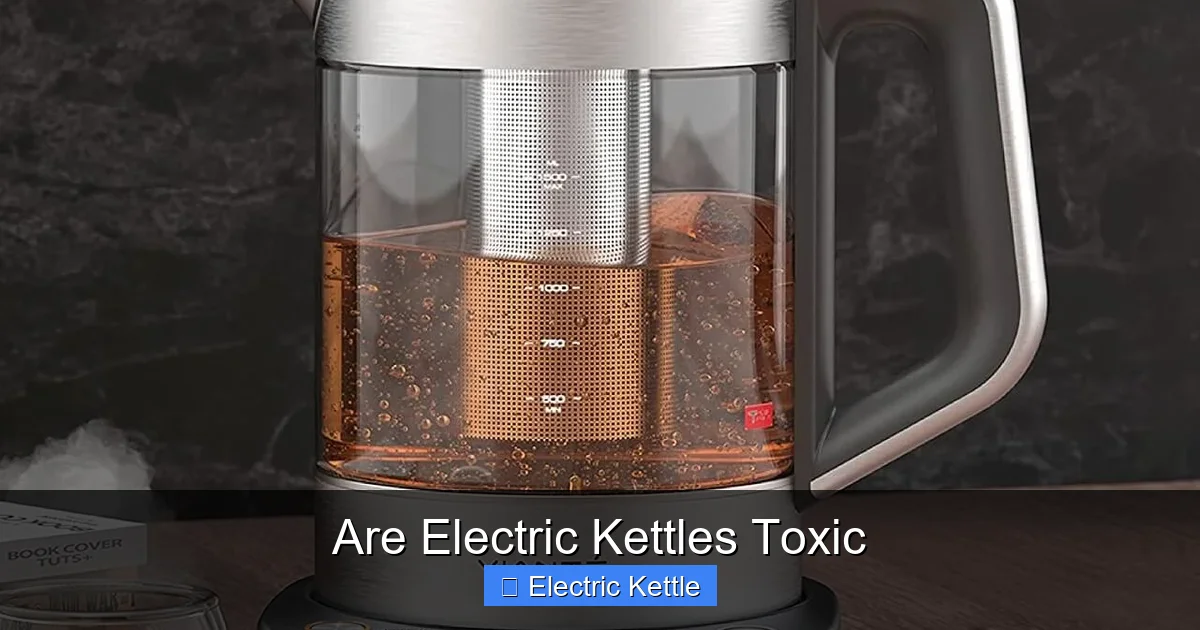
Visual guide about Are Electric Kettles Toxic
Image source: finedose.com
To understand whether electric kettles are toxic, we need to look at the materials they’re made from and how heat affects them. When water is heated to high temperatures—especially repeatedly—it can interact with the kettle’s interior surfaces. If those surfaces contain harmful chemicals or low-quality materials, there’s a chance those substances could leach into the water.
Let’s start with the most common culprit: plastic. Many budget electric kettles use plastic for the interior lining, handle, or lid. While some plastics are safe, others—particularly those not labeled BPA-free—can release endocrine-disrupting chemicals when heated. BPA (bisphenol A) and its alternatives like BPS have been linked to hormonal imbalances, reproductive issues, and increased cancer risk in animal studies. Even “BPA-free” plastics aren’t always safe, as some substitute chemicals may behave similarly.
Another concern is metal leaching. Stainless steel is generally safe, but lower-grade alloys or poorly coated metals can release nickel, chromium, or even lead—especially if the kettle is old, damaged, or made with substandard materials. Aluminum kettles, while lightweight, can also leach aluminum ions into water, and long-term exposure to aluminum has been associated with neurological concerns, though the evidence in humans is still debated.
Then there’s the issue of the heating element. In some kettles, the heating coil is exposed directly to the water. Over time, this can corrode, especially in hard water areas, leading to rust or metal particles in your drink. Even if the amount is small, repeated exposure isn’t ideal.
So, are electric kettles toxic? It depends. A well-made kettle from a trusted brand using food-safe materials is unlikely to pose a risk. But a cheap, no-name model bought from a discount store? That’s where the danger lies.
How Heat Affects Materials in Electric Kettles
Heat is the key factor that turns a safe material into a potential hazard. When water reaches boiling point (100°C or 212°F), it can accelerate chemical reactions and increase the likelihood of leaching. This is especially true for plastics and low-quality metals.
For example, polycarbonate plastic—once commonly used in water bottles and kettles—can break down when heated, releasing BPA. Even BPA-free plastics like Tritan or polypropylene can degrade over time, especially if exposed to repeated heating cycles, scratches, or harsh cleaning agents.
Metals behave differently. High-quality stainless steel (like 304 or 18/8 grade) is highly resistant to corrosion and doesn’t react with water, even when heated. But cheaper stainless steel or nickel-plated metals may contain impurities that can leach under heat. In rare cases, lead solder has been found in imported kettles, particularly in the base or heating element connections.
The takeaway? Heat doesn’t create toxins out of nowhere—but it can activate or accelerate the release of harmful substances from low-quality materials. That’s why material choice and manufacturing quality are so critical.
Signs Your Kettle Might Be Leaching Toxins
You don’t need a lab test to spot potential problems. Here are a few red flags that your electric kettle might be leaching harmful substances:
– A metallic or plastic taste in your water or tea
– Visible rust, pitting, or discoloration inside the kettle
– A cloudy or oily film on the water surface after boiling
– Cracks, scratches, or peeling in the interior lining
– A strong chemical smell when the kettle is first used or after cleaning
If you notice any of these signs, it’s time to replace your kettle. Continuing to use a damaged or degraded kettle increases your exposure to potential toxins.
Safe vs. Unsafe Materials: What to Look For
Not all electric kettles are created equal. The material used in the interior—where the water sits and heats—is the most important factor in determining safety. Let’s break down the most common materials and their safety profiles.
Stainless Steel: The Gold Standard
Stainless steel is widely regarded as the safest material for electric kettles. It’s durable, non-reactive, and doesn’t leach chemicals into water—even when heated repeatedly. Look for kettles labeled with “18/8” or “304” stainless steel. These grades contain 18% chromium and 8% nickel, making them highly resistant to corrosion and safe for food contact.
Brands like Breville, Cuisinart, and Hamilton Beach often use high-grade stainless steel in their premium models. These kettles typically have a seamless interior, which reduces the risk of bacterial buildup and makes cleaning easier.
One thing to watch for: some stainless steel kettles have a plastic lid or handle. Make sure these parts are BPA-free and heat-resistant. Also, avoid kettles where the heating element is exposed directly to the water, as this can lead to corrosion over time.
Glass: A Clear Choice for Purity
Glass kettles, especially those made from borosilicate glass, are another excellent option. Borosilicate glass is heat-resistant and non-porous, meaning it won’t absorb odors, flavors, or chemicals. It’s also completely inert—nothing leaches into the water, no matter how many times you boil it.
Glass kettles are ideal for people who want to avoid metal entirely, such as those with metal sensitivities or who prefer the taste of pure water. Brands like OXO and Cosori offer stylish glass models with stainless steel bases and BPA-free plastic handles.
The downside? Glass is more fragile than metal. Dropping it can cause cracks or shattering. Also, some glass kettles have plastic components in the lid or base, so always check the material list.
Plastic: Proceed with Caution
Plastic kettles are the most controversial. While some are safe, many budget models use low-grade plastics that can leach chemicals when heated. Even “BPA-free” doesn’t guarantee safety—some alternatives like BPS or BPF may have similar health risks.
If you do choose a plastic kettle, look for ones made from Tritan or food-grade polypropylene (PP), which are more heat-stable and less likely to leach. Avoid polycarbonate (marked with recycling code #7) unless it’s explicitly labeled BPA-free and food-safe.
Also, plastic kettles tend to retain odors and stains over time, and scratches can harbor bacteria. They’re also less durable—most last only a few years before showing wear.
Non-Stick Coatings: A Hidden Risk
Some kettles feature non-stick interiors, often made with PTFE (the same material as Teflon). While convenient for cleaning, non-stick coatings can degrade at high temperatures, releasing toxic fumes—especially if the kettle overheats or is used on a stovetop (which electric kettles should never be).
Even if used properly, scratched or worn non-stick surfaces can flake into your water. For this reason, it’s best to avoid kettles with non-stick coatings unless they’re clearly labeled as PFOA-free and food-safe.
How to Choose a Non-Toxic Electric Kettle
Now that you know what to look for, here’s a step-by-step guide to choosing a safe, non-toxic electric kettle:
1. **Check the interior material:** Prioritize stainless steel (18/8 or 304 grade) or borosilicate glass. Avoid plastic interiors unless they’re clearly labeled as food-grade and BPA-free.
2. **Look for safety certifications:** Reputable kettles often carry certifications like FDA (U.S. Food and Drug Administration), LFGB (German food safety standard), or SGS (international testing agency). These indicate the materials have been tested for food safety.
3. **Avoid exposed heating elements:** Choose kettles where the heating element is concealed beneath a stainless steel or glass plate. This reduces corrosion and prevents direct contact with water.
4. **Read reviews and brand reputation:** Stick to well-known brands with a history of quality and safety. Avoid no-name kettles from unknown online sellers.
5. **Consider the lid and handle:** Even if the interior is safe, plastic lids or handles can leach chemicals. Make sure all parts that contact water or steam are BPA-free and heat-resistant.
6. **Check for ease of cleaning:** A kettle that’s hard to clean can develop mold or mineral buildup, which affects taste and safety. Look for wide openings and removable lids.
7. **Test the taste:** After buying a new kettle, run it through 3–5 boil cycles with clean water (discard the water each time). This helps remove any manufacturing residues. If your water still tastes metallic or plasticky, return it.
Top Non-Toxic Electric Kettle Recommendations
Here are a few highly rated, non-toxic electric kettles that meet safety and performance standards:
– **Breville BKE820XL Smart Kettle:** Made with 304 stainless steel interior, concealed heating element, and precise temperature control. FDA-approved and easy to clean.
– **OXO Brew Classic Tea Kettle:** Borosilicate glass body with stainless steel base and BPA-free plastic handle. Elegant and toxin-free.
– **Cuisinart CPK-17 PerfecTemp:** 18/8 stainless steel interior, six preset temperature settings, and auto shut-off. Certified by SGS.
– **Hamilton Beach 40880:** Budget-friendly stainless steel kettle with a concealed element and drip-free spout. Great for everyday use.
These models are widely available and have consistently positive reviews for safety, durability, and performance.
Maintaining Your Kettle for Long-Term Safety
Even the safest kettle can become a source of contamination if not properly maintained. Over time, mineral deposits (limescale), mold, and bacteria can build up—especially in hard water areas. Here’s how to keep your kettle clean and safe:
Descaling Regularly
Limescale is the white, chalky buildup caused by minerals in hard water. It doesn’t just affect performance—it can harbor bacteria and alter the taste of your water. Descale your kettle every 1–2 months, or more often if you live in a hard water area.
To descale:
– Fill the kettle halfway with equal parts water and white vinegar.
– Boil the solution, then let it sit for 30–60 minutes.
– Rinse thoroughly with clean water and boil once more to remove any vinegar taste.
Alternatively, use a commercial descaling solution or citric acid (available at grocery stores).
Cleaning the Exterior and Lid
Wipe the outside with a damp cloth and mild soap. Avoid abrasive cleaners that can scratch the surface. For the lid and spout, use a soft brush or toothbrush to remove residue.
If your kettle has a removable filter (common in stainless steel models), take it out and rinse it under running water. Soak it in vinegar if it’s clogged with scale.
Preventing Mold and Bacteria
Never leave water sitting in the kettle for long periods. Empty it after each use and leave the lid open to air dry. This prevents mold growth, especially in humid environments.
If you notice a musty smell or slimy film, clean the interior with a mixture of baking soda and water, then rinse thoroughly.
Myths and Misconceptions About Electric Kettle Safety
There’s a lot of misinformation floating around about electric kettles. Let’s clear up some common myths:
Myth: All plastic kettles are toxic.
Not true. While many cheap plastic kettles use unsafe materials, some high-quality models are made with food-grade, BPA-free plastics that are safe for boiling water. The key is knowing what to look for.
Myth: Stainless steel kettles always leach nickel.
High-grade stainless steel (like 304) is designed to minimize leaching. While trace amounts of nickel may be present, they’re typically well below safety limits. People with severe nickel allergies should consult a doctor, but for most, stainless steel is safe.
Myth: Boiling water kills all contaminants.
Boiling kills bacteria and viruses, but it doesn’t remove chemicals, heavy metals, or microplastics. In fact, boiling can concentrate certain contaminants if water evaporates and leaves residues behind.
Myth: Glass kettles are fragile and impractical.
Modern borosilicate glass is highly durable and resistant to thermal shock. While not indestructible, it’s perfectly suitable for daily use with proper care.
Conclusion: Are Electric Kettles Toxic?
So, are electric kettles toxic? The short answer is: most are not—when chosen wisely. The risk comes not from the appliance itself, but from the materials used in its construction. Cheap, low-quality kettles with plastic interiors, exposed heating elements, or non-stick coatings can leach harmful substances into your water, especially over time.
But by choosing a kettle made from food-grade stainless steel or borosilicate glass, checking for safety certifications, and maintaining it properly, you can enjoy safe, clean, and great-tasting hot water every day.
Your morning cup of tea or coffee should be a moment of comfort—not a source of worry. With the right kettle and a little care, you can boil with confidence.
Frequently Asked Questions
Are all electric kettles made with BPA-free materials?
No, not all electric kettles are BPA-free. While many modern models use BPA-free plastics, some budget kettles—especially from unknown brands—may still contain BPA or similar chemicals. Always check the product description or packaging for BPA-free labeling.
Can stainless steel kettles leach metal into water?
High-quality stainless steel kettles (like those made with 304 or 18/8 grade) are designed to minimize leaching. While trace amounts of nickel or chromium may be present, they are typically well below safety limits and not harmful for most people.
Is it safe to boil water in a plastic electric kettle?
It can be, if the plastic is food-grade and BPA-free (such as Tritan or polypropylene). However, plastic kettles are more prone to scratching and degradation over time, so stainless steel or glass are safer long-term choices.
How often should I clean my electric kettle?
Clean your kettle monthly to remove limescale and bacteria. If you live in a hard water area, descale every 2–4 weeks. Regular cleaning ensures better taste and longer kettle life.
Can I use vinegar to clean my electric kettle?
Yes, white vinegar is an effective and natural descaling agent. Mix equal parts water and vinegar, boil, let sit for an hour, then rinse thoroughly. Avoid using vinegar on kettles with non-stick coatings.
Are glass electric kettles safer than stainless steel?
Glass kettles are non-reactive and won’t leach any substances, making them a very safe option. However, stainless steel is more durable and less likely to break. Both are safe when made with high-quality materials.