Electric tea kettles are not typically considered open heating elements. Most modern models use concealed or enclosed heating systems that keep the heating coil hidden beneath a stainless steel or glass base, improving safety and efficiency. Understanding the difference helps you choose safer, more reliable appliances for your kitchen.
Key Takeaways
- Most electric kettles use concealed heating elements: The heating coil is hidden under a sealed plate, not exposed to water or air, making them safer and more efficient.
- Open heating elements are rare in modern kettles: Older or industrial models may have exposed coils, but these are uncommon in household appliances today.
- Safety is significantly improved with enclosed designs: Concealed elements reduce the risk of burns, electrical hazards, and mineral buildup.
- Energy efficiency is higher with enclosed systems: Heat transfers directly to water with minimal loss, boiling faster and using less electricity.
- Maintenance is easier with hidden elements: No exposed coils mean less scaling and simpler cleaning, especially in hard water areas.
- Look for certifications like UL or ETL: These indicate the kettle meets safety standards, especially important if the heating method is unclear.
- Understanding your kettle’s design helps with troubleshooting: Knowing whether it has an open or closed element aids in diagnosing performance or safety issues.
📑 Table of Contents
- Are Electric Tea Kettle Considered Open Heating Elements?
- What Is an Open Heating Element?
- How Do Electric Tea Kettles Actually Work?
- Open vs. Closed Heating Elements: A Detailed Comparison
- Why Most Electric Kettles Use Concealed Heating Elements
- Are There Any Electric Kettles with Open Heating Elements?
- How to Identify the Heating Element Type in Your Kettle
- Maintenance Tips for Electric Kettles with Concealed Elements
- Conclusion: Safety, Efficiency, and Smart Choices
Are Electric Tea Kettle Considered Open Heating Elements?
When you think of an electric tea kettle, what comes to mind? Maybe the gentle hum as water heats up, the satisfying whistle when it’s ready, or the quick convenience of having hot water in minutes. But have you ever stopped to wonder how that water gets hot so fast—and whether the heating part is exposed or hidden? This brings us to a common question: Are electric tea kettles considered open heating elements?
The short answer is: most modern electric tea kettles are not open heating elements. Instead, they use concealed or enclosed heating systems that keep the heating coil safely hidden beneath a sealed base. This design has become the standard in household appliances due to its safety, efficiency, and durability. However, understanding the difference between open and closed heating elements is important—not just for curiosity, but for safety, performance, and long-term use.
In this article, we’ll dive deep into what defines an open heating element, how electric kettles actually work, and why the majority of today’s models fall into the “closed” category. We’ll also explore the pros and cons of each design, what to look for when buying a kettle, and how to maintain it for optimal performance. Whether you’re a tea lover, a coffee enthusiast, or just someone who values kitchen safety, this guide will help you make informed decisions.
What Is an Open Heating Element?
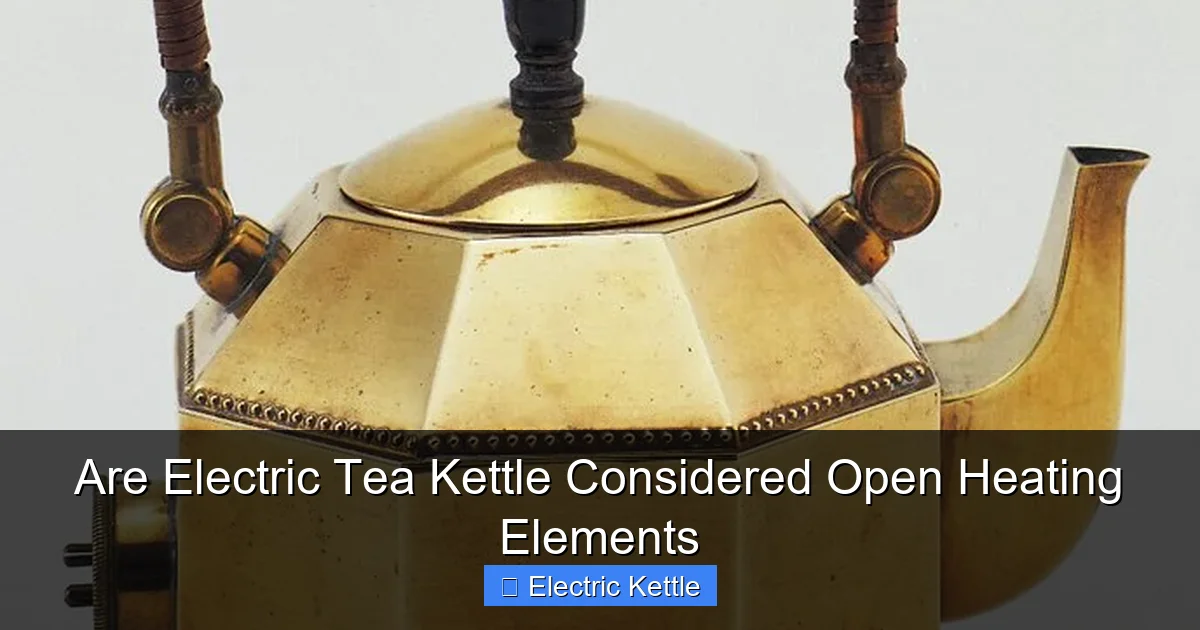
Visual guide about Are Electric Tea Kettle Considered Open Heating Elements
Image source: 2.api.artsmia.org
Before we can answer whether electric tea kettles are open heating elements, we need to understand what that term actually means. An open heating element refers to a heating coil or wire that is directly exposed to the surrounding environment—whether that’s air, water, or another medium. In appliances, this usually means the heating component is visible and not enclosed behind a protective barrier.
For example, think of an old-fashioned toaster. The wires inside glow red-hot when electricity passes through them, and they’re clearly visible through the slots. That’s an open heating element. Similarly, some space heaters use exposed coils that heat up when turned on—these are also open elements because the heat source is not shielded.
In the context of water-heating appliances, an open heating element would mean the coil is submerged directly in the water, with no protective covering. This design allows for very fast heat transfer, but it comes with significant downsides: increased risk of electrical shock, faster corrosion, and mineral buildup (especially in areas with hard water).
Historically, some early electric kettles and industrial water heaters used open elements. But as technology advanced and safety standards improved, manufacturers moved away from this design for home use. Today, open heating elements are mostly found in specialized or commercial equipment, not in the average kitchen.
How Do Electric Tea Kettles Actually Work?
Now that we know what an open heating element is, let’s look at how modern electric tea kettles function. The vast majority of kettles you’ll find in homes today use a concealed or enclosed heating element. This means the heating coil is not exposed to the water or air—it’s sealed beneath a flat, smooth base, usually made of stainless steel or glass.
Here’s how it works: When you plug in the kettle and turn it on, electricity flows through a hidden coil located under the bottom of the kettle. This coil heats up rapidly, and the heat is transferred through the metal base into the water above. Because the element is sealed, the water never touches the electrical component. This design is sometimes called a “dry heat” system, since the heating element doesn’t come into direct contact with water.
This method offers several advantages. First, it’s much safer—there’s no risk of electric shock from a wet coil. Second, it reduces mineral buildup (limescale) on the heating element, which can degrade performance over time. Third, it allows for easier cleaning, since the interior of the kettle is smooth and free of exposed parts.
Some high-end models even use advanced materials like copper or layered metals to improve heat conductivity. Others feature temperature control, allowing you to heat water to specific temperatures for different types of tea or coffee. But regardless of the extras, the core heating mechanism remains the same: a concealed element that heats the base, which in turn heats the water.
Open vs. Closed Heating Elements: A Detailed Comparison
To truly understand whether electric tea kettles are open heating elements, it helps to compare the two designs side by side. Let’s break down the key differences in terms of safety, efficiency, maintenance, and performance.
Safety
Open heating elements pose a higher risk of electrical hazards, especially when submerged in water. If the insulation fails or the coil corrodes, there’s a chance of electric shock. In contrast, closed elements are sealed behind a protective layer, eliminating direct contact between electricity and water. This makes them far safer for everyday use.
Energy Efficiency
Closed elements are generally more energy-efficient. Because the heat is transferred directly through a solid base, there’s less heat loss to the surrounding air. Open elements, while fast, can lose heat more easily, especially if the coil is exposed to air above the water line. This means closed systems often boil water faster and use less electricity.
Maintenance and Durability
Open elements are prone to scaling and corrosion, particularly in areas with hard water. Minerals like calcium and magnesium build up on the exposed coil, reducing efficiency and potentially causing damage over time. Closed elements are much easier to maintain—since the heating surface is smooth and sealed, limescale forms on the exterior of the base, where it’s easier to clean or descale.
Performance and Speed
Both designs can heat water quickly, but closed elements often have the edge in consistency. Because the heat is distributed evenly across the base, water heats more uniformly. Open elements can create hot spots, leading to uneven boiling or even localized boiling that affects taste.
Aesthetics and Design
From a design perspective, closed elements allow for sleeker, more modern kettles. Without exposed coils, manufacturers can create smooth interiors that are easier to clean and more visually appealing. Open elements, by contrast, often require more rugged, industrial-looking designs.
In summary, while open heating elements have their place in certain applications, closed elements are the clear winner for household electric kettles—offering better safety, efficiency, and longevity.
Why Most Electric Kettles Use Concealed Heating Elements
Given the advantages we’ve discussed, it’s no surprise that the vast majority of electric tea kettles on the market today use concealed heating elements. But why did this become the standard? Let’s explore the reasons behind this shift in design.
Improved Safety Standards
One of the biggest drivers was the push for safer home appliances. Regulatory bodies like UL (Underwriters Laboratories) and ETL (Intertek) set strict guidelines for electrical devices, especially those that involve water and heat. Exposed heating elements were flagged as potential hazards, leading manufacturers to adopt enclosed designs to meet certification requirements.
Consumer Demand for Reliability
Home users want appliances that last. Open elements degrade faster due to corrosion and scaling, leading to shorter lifespans. Concealed elements, by contrast, are protected from direct exposure, resulting in longer-lasting performance. This reliability has made them the preferred choice for consumers.
Advancements in Materials and Manufacturing
Modern manufacturing techniques allow for precise sealing of heating elements under durable materials like stainless steel. This wasn’t always possible—early kettles had limitations in how well they could protect the coil. Today’s technology makes it easy and cost-effective to produce safe, efficient enclosed systems.
Ease of Use and Cleaning
A smooth, seamless interior is much easier to clean than one with exposed coils. Users appreciate not having to scrub around tricky parts or worry about damaging the heating element. This convenience factor has helped drive the popularity of concealed designs.
Energy Efficiency Regulations
As governments around the world introduce energy efficiency standards, appliances must meet higher performance benchmarks. Closed heating elements typically use less energy to achieve the same result, making them more compliant with these regulations.
All these factors combined have made concealed heating elements the industry standard. While you might still find open-element kettles in niche markets or older models, they’re increasingly rare in mainstream retail.
Are There Any Electric Kettles with Open Heating Elements?
So, are there any electric tea kettles that still use open heating elements? The answer is yes—but they’re uncommon and typically not recommended for everyday home use.
Industrial or Commercial Models
Some commercial-grade water heaters or industrial kettles use open elements for rapid heating in high-demand environments. These are designed for durability and speed, not household safety, and are usually operated by trained personnel.
Vintage or Retro-Style Kettles
A few retro-inspired kettles mimic the look of older models with visible heating coils. However, even these often use enclosed elements with a stylized exterior to give the appearance of an open design. True open-element kettles in this category are rare and may not meet modern safety standards.
Budget or Low-Quality Models
In some cases, very inexpensive kettles—especially those imported from regions with less stringent regulations—may use exposed heating elements to cut costs. These should be avoided, as they pose higher risks of electrical faults, burns, and premature failure.
If you’re unsure whether a kettle has an open or closed element, check the product description or look for certifications like UL, ETL, or CE. Reputable brands will clearly state that the heating element is concealed. You can also inspect the base: if it’s smooth and seamless, it’s almost certainly enclosed.
How to Identify the Heating Element Type in Your Kettle
Not sure whether your electric tea kettle has an open or closed heating element? Here’s how to find out—without taking it apart.
Check the Product Manual or Label
The easiest way is to consult the user manual or the label on the bottom of the kettle. Most manufacturers specify whether the element is concealed or exposed. Look for terms like “concealed heating element,” “sealed base,” or “dry heat technology.”
Inspect the Interior Base
Open the kettle and look at the bottom of the interior. If you see a visible coil or spiral wire, it’s likely an open element. If the base is smooth—usually stainless steel or glass with no visible wires—it’s a closed element.
Look for Safety Certifications
Certifications like UL, ETL, or CSA indicate that the kettle has passed rigorous safety tests. These are rarely granted to appliances with exposed heating elements, so their presence is a good sign.
Research the Brand and Model
Search online for your kettle’s model number. Reviews, spec sheets, and brand websites often detail the heating mechanism. Reputable brands like Breville, Cuisinart, or Hamilton Beach will highlight their use of concealed elements as a safety feature.
Consider the Price and Age
Very cheap kettles (under $20) are more likely to use open elements to save on manufacturing costs. Similarly, kettles made before the 2000s may have older designs. If in doubt, it’s safer to assume older or ultra-low-cost models may not meet current safety standards.
Knowing your kettle’s design helps you use it safely and maintain it properly. It also gives you peace of mind that you’re using a modern, efficient appliance.
Maintenance Tips for Electric Kettles with Concealed Elements
Even though concealed heating elements are low-maintenance, they still require some care to keep your kettle performing well. Here are practical tips to extend its life and ensure safe operation.
Descale Regularly
Mineral buildup is the biggest enemy of electric kettles, especially in hard water areas. Over time, limescale can form on the exterior of the heating base, reducing efficiency and causing overheating. To descale, use a mixture of equal parts water and white vinegar. Fill the kettle, boil, let it sit for 30 minutes, then rinse thoroughly. For heavy buildup, repeat or use a commercial descaling solution.
Avoid Overfilling or Running Dry
Never operate the kettle without water, as this can damage the heating element. Similarly, don’t overfill beyond the maximum line, as boiling water can spill into the base and cause electrical issues.
Wipe the Exterior and Base
Keep the outside of the kettle clean with a damp cloth. Avoid submerging the base or plug in water. Also, wipe the heating base (the part that sits on the power dock) to remove dust or residue that could affect connectivity.
Store Properly
When not in use, store the kettle in a dry place with the lid closed to prevent dust and moisture buildup. Avoid stacking heavy items on top.
Replace When Needed
Even the best kettles have a lifespan—typically 3 to 5 years with regular use. If you notice slower boiling, strange smells, or electrical issues, it may be time for a replacement.
With proper care, a kettle with a concealed heating element can serve you reliably for years.
Conclusion: Safety, Efficiency, and Smart Choices
So, are electric tea kettles considered open heating elements? The answer is clear: no, most are not. The vast majority of modern electric kettles use concealed or enclosed heating elements that are sealed beneath a protective base. This design prioritizes safety, energy efficiency, and ease of maintenance—making it the standard for household use.
While open heating elements still exist in certain industrial or vintage models, they’re rare in everyday kitchens. The shift to enclosed systems reflects broader trends in appliance safety and consumer demand for reliable, long-lasting products. By understanding how your kettle works, you can make smarter choices when buying, using, and maintaining it.
When shopping for a new electric kettle, look for features like a concealed heating element, safety certifications, and easy cleaning. Avoid ultra-cheap models that may cut corners on safety. And remember: a little maintenance goes a long way in keeping your kettle—and your tea—perfectly brewed.
In the end, the best electric kettle is one that heats water quickly, safely, and efficiently—without exposing you to unnecessary risks. And thanks to modern design, that’s exactly what most kettles deliver.
Frequently Asked Questions
Are all electric kettles safe to use?
Most modern electric kettles are safe when used correctly, especially those with concealed heating elements and safety certifications like UL or ETL. Always follow the manufacturer’s instructions and avoid operating the kettle without water.
Can I see the heating element in my electric kettle?
In most cases, no—the heating element is hidden beneath a sealed base. If you can see a coil or wire inside the kettle, it may be an open element, which is less common and potentially less safe.
Do open heating elements boil water faster?
Open elements can transfer heat quickly, but they’re not necessarily faster overall. Closed elements often heat more efficiently due to better heat distribution and less energy loss.
How often should I descale my electric kettle?
It depends on your water hardness, but generally every 1–3 months is recommended. If you notice scaling or slower boiling, it’s time to descale with vinegar or a commercial solution.
Can I use my electric kettle with hard water?
Yes, but you’ll need to descale it more frequently to prevent limescale buildup. Using filtered water can also help reduce mineral deposits and extend the kettle’s life.
What should I do if my kettle stops working?
First, check the power source and ensure the kettle isn’t overfilled or running dry. If it still doesn’t work, it may be a faulty element or electrical issue—consider replacing it, especially if it’s older than 5 years.