Electric tea kettles are generally safe and not bad for your health when used properly. Concerns about materials, overheating, or mineral leaching are valid but manageable with smart choices and regular maintenance.
Key Takeaways
- Electric kettles are safe for daily use: Most modern models are designed with food-grade materials and safety features to prevent overheating or contamination.
- Material matters: Stainless steel and glass kettles are safer than plastic ones, which may release chemicals when heated.
- Mineral buildup is manageable: Regular descaling prevents limescale and ensures clean, great-tasting water.
- Avoid boiling water multiple times: Repeated boiling can concentrate impurities, so use fresh water each time.
- Choose certified brands: Look for kettles with UL, ETL, or CE certifications to ensure safety and quality standards.
- Proper cleaning extends lifespan: Wipe down the exterior and clean the interior weekly to prevent bacteria and residue buildup.
- Electric kettles are energy-efficient: They use less power than stovetop kettles and reduce the risk of overboiling or spills.
📑 Table of Contents
- Are Electric Tea Kettles Bad for You? The Truth Behind the Buzz
- Understanding How Electric Tea Kettles Work
- Common Health Concerns: Separating Fact from Fiction
- Material Matters: Choosing a Safe Electric Kettle
- Maintenance and Cleaning: Keeping Your Kettle Safe
- Best Practices for Safe and Healthy Use
- Conclusion: Electric Tea Kettles Are Safe When Used Wisely
Are Electric Tea Kettles Bad for You? The Truth Behind the Buzz
If you’ve ever stood in the kitchen, waiting for your electric tea kettle to whistle or click off, you might have wondered: *Is this thing actually safe?* With so much talk about chemicals, overheating, and even radiation, it’s easy to feel a little paranoid. After all, you’re pouring hot water into your favorite mug—water that’s meant for drinking, steeping tea, or making coffee. You want it to be clean, pure, and free from hidden dangers.
The good news? Electric tea kettles are not inherently bad for you. In fact, when used correctly and maintained well, they’re one of the safest and most convenient ways to boil water at home. But like any appliance, they come with caveats. The real question isn’t whether electric kettles are dangerous—it’s whether *your* kettle is safe, clean, and made from the right materials.
In this guide, we’ll break down the myths, examine the science, and give you practical tips to make sure your electric kettle is a healthy addition to your kitchen—not a hidden hazard. Whether you’re a tea lover, a coffee enthusiast, or just someone who likes hot water for instant soups, this article will help you brew with confidence.
Understanding How Electric Tea Kettles Work
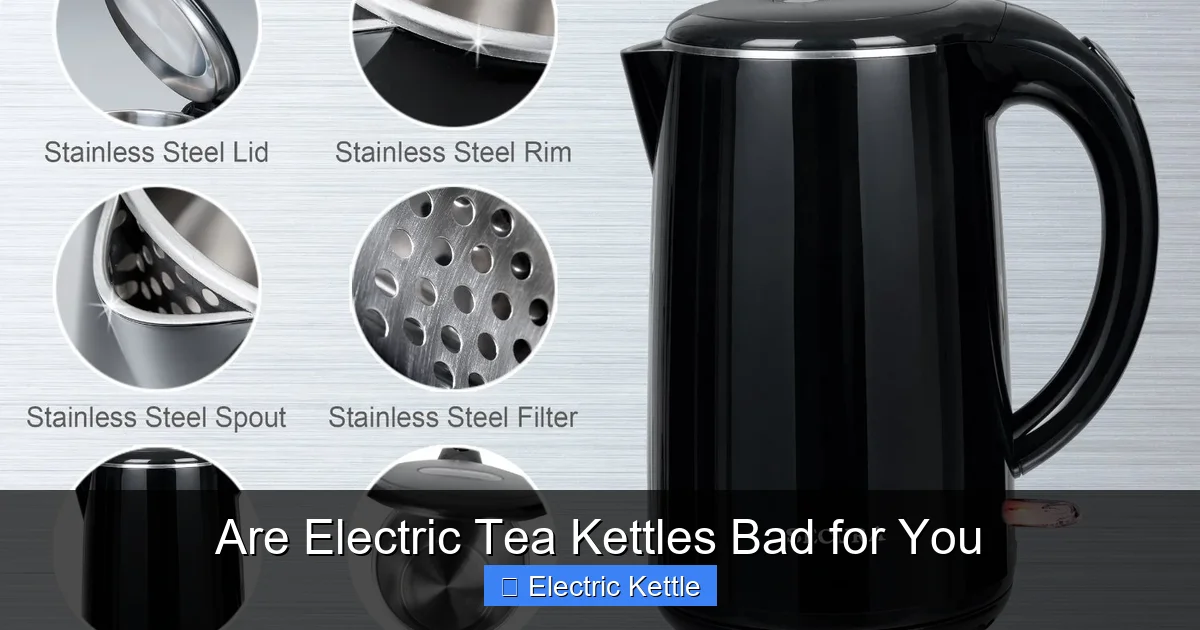
Visual guide about Are Electric Tea Kettles Bad for You
Image source: magneticcooky.com
Before we dive into health concerns, let’s take a quick look at how electric tea kettles actually function. Knowing the basics helps you understand where potential risks might come from—and how manufacturers design around them.
Most electric kettles have a simple design: a heating element (usually hidden under the base), a water reservoir, a lid, and an automatic shut-off mechanism. When you flip the switch, electricity flows to the heating element, which quickly heats the water. Once the water reaches boiling point (around 212°F or 100°C), a thermostat triggers the shut-off, turning the kettle off automatically. This prevents overheating and saves energy.
Some models also include features like variable temperature settings (great for green or white teas), keep-warm functions, and boil-dry protection—which cuts power if there’s no water inside. These features aren’t just convenient; they’re also safety measures that reduce the risk of fire, burns, or damage to the appliance.
The Role of Materials in Safety
One of the biggest factors in whether an electric kettle is “bad for you” comes down to what it’s made of. The materials used in the heating element, interior lining, and exterior casing can all impact your health—especially when exposed to high heat.
For example, older or cheaper kettles might use plastic interiors or coatings that can degrade over time. When heated repeatedly, certain plastics may release trace amounts of chemicals like bisphenol A (BPA) or phthalates—compounds linked to hormonal disruptions in some studies. While most modern kettles are BPA-free, it’s still important to check the label.
Stainless steel and glass are generally the safest choices. Stainless steel is durable, non-reactive, and doesn’t leach chemicals into water. Glass is even better in terms of purity, though it’s more fragile. Some high-end models combine both—glass bodies with stainless steel heating elements—for the best of both worlds.
Energy Efficiency and Environmental Impact
Another reason electric kettles are considered safe—and even beneficial—is their energy efficiency. Compared to stovetop kettles or microwaves, electric kettles heat water faster and use less electricity. This means lower energy bills and a smaller carbon footprint.
For example, boiling a full kettle might use about 0.1 kWh of electricity—roughly the same as running a 100-watt light bulb for an hour. That’s significantly less than heating water on a gas stove, which can waste heat and take longer. Plus, because electric kettles shut off automatically, there’s less risk of boiling dry or wasting energy.
From a health standpoint, this efficiency also reduces the chance of overheating or steam burns. You’re less likely to leave the kettle unattended, and the automatic shut-off gives you peace of mind.
Common Health Concerns: Separating Fact from Fiction
Now let’s tackle the big question: *Are electric tea kettles bad for you?* To answer that, we need to look at the most common concerns people have—and separate the real risks from the myths.
Do Electric Kettles Leach Harmful Chemicals?
This is probably the #1 worry. People hear “plastic” or “heating element” and immediately think of toxins leaching into their water. But the truth is more nuanced.
Most reputable electric kettles are made with food-grade stainless steel, glass, or BPA-free plastic. These materials are rigorously tested to ensure they don’t release harmful substances under normal use. For example, stainless steel is non-porous and inert, meaning it won’t react with water or release metals like aluminum or lead.
However, if you have a very old or low-quality kettle—especially one with a plastic interior—there’s a small risk of chemical leaching, particularly if the plastic cracks or degrades. That’s why it’s important to replace kettles that show signs of wear, like discoloration, warping, or strange odors.
Tip: Always check the manufacturer’s materials list. If it says “BPA-free” and “food-grade stainless steel,” you’re likely in the clear.
Can Boiling Water Multiple Times Be Harmful?
You’ve probably heard that reboiling water is bad—something about concentrating toxins or creating harmful compounds. But is that true?
The short answer: not really. Reboiling water doesn’t create new toxins. However, it can slightly increase the concentration of dissolved minerals like calcium and magnesium, especially if you’re using hard water. This isn’t dangerous, but it might affect the taste of your tea or coffee.
More importantly, repeatedly boiling the same water can lead to mineral buildup (limescale) inside the kettle. Over time, this can reduce efficiency, damage the heating element, and even harbor bacteria if not cleaned properly.
The best practice? Use fresh water each time you boil. It takes just a few seconds to refill the kettle, and it ensures the cleanest, best-tasting results.
Is There Radiation from Electric Kettles?
This one sounds scary, but it’s based on a misunderstanding. Electric kettles do emit a small amount of electromagnetic field (EMF) radiation—just like any electrical appliance. But the levels are extremely low and well within safety guidelines set by organizations like the World Health Organization (WHO).
For context, the EMF from an electric kettle is far lower than what you’d get from a cell phone, microwave, or even a hairdryer. And because you’re not holding the kettle close to your body while it’s running, the exposure is minimal.
So unless you’re standing with your head inside the kettle (which we don’t recommend!), there’s no need to worry about radiation.
Can Electric Kettles Cause Burns or Fires?
Safety is a valid concern, especially with hot water and electricity in the same appliance. But modern electric kettles are designed with multiple safety features to prevent accidents.
Most models include:
– Automatic shut-off when water boils
– Boil-dry protection (cuts power if no water is detected)
– Cool-touch exteriors (to prevent burns)
– Stable bases to reduce tipping
That said, accidents can still happen—especially with older or damaged kettles. Never leave a kettle unattended while it’s heating, and always place it on a flat, heat-resistant surface away from edges.
Also, avoid overfilling. Most kettles have a “max fill” line for a reason. Overfilling can cause water to spill into the electrical base, leading to short circuits or shocks.
Material Matters: Choosing a Safe Electric Kettle
Now that we’ve addressed the myths, let’s talk about how to choose a kettle that’s truly safe for daily use. The material of your kettle plays a huge role in both safety and performance.
Stainless Steel: The Gold Standard
Stainless steel is one of the most popular materials for electric kettles—and for good reason. It’s durable, rust-resistant, and doesn’t react with water or acidic liquids like lemon juice. High-quality stainless steel kettles (look for 304 or 18/8 grade) are non-toxic and easy to clean.
One downside? Some stainless steel kettles have a metallic taste, especially when new. This usually fades after a few uses and cleanings. To speed up the process, boil a few batches of water and discard them before using the kettle for tea or coffee.
Glass: Pure and Transparent
Glass kettles are a favorite among health-conscious users because they’re completely inert—meaning they won’t leach any chemicals, no matter how many times you boil water. They’re also easy to see inside, so you can spot mineral buildup or residue quickly.
The main drawback? Glass is fragile. If you drop it or expose it to sudden temperature changes (like pouring cold water into a hot kettle), it can crack or shatter. Look for borosilicate glass, which is more resistant to thermal shock.
Plastic: Proceed with Caution
Plastic kettles are lightweight and affordable, but they come with more health concerns. Even if labeled “BPA-free,” some plastics may contain other chemicals that can break down over time.
If you must use a plastic kettle, choose one with a stainless steel or glass interior lining. Avoid kettles where the heating element is exposed to plastic—this increases the risk of chemical leaching.
Kettles with Hidden Heating Elements
Many modern kettles have a concealed heating element—meaning the metal coil is hidden beneath a smooth, flat base. This design reduces the risk of mineral buildup and makes cleaning easier. It also minimizes direct contact between water and the heating surface, which can help prevent metallic tastes.
Just make sure the interior surface is made of safe materials like stainless steel or glass.
Maintenance and Cleaning: Keeping Your Kettle Safe
Even the safest kettle can become a health risk if it’s not cleaned regularly. Mineral deposits, bacteria, and residue can build up over time, affecting both taste and safety.
Descaling to Prevent Limescale
If you live in an area with hard water, you’ve probably seen white, chalky buildup inside your kettle. This is limescale—made of calcium and magnesium deposits. While not toxic, it can:
– Reduce heating efficiency
– Affect the taste of your drinks
– Harbor bacteria if left unchecked
To descale, use a mixture of equal parts white vinegar and water. Fill the kettle, let it sit for 30–60 minutes, then boil and discard the solution. Rinse thoroughly with fresh water. For heavy buildup, you may need to repeat the process.
Alternatively, use a commercial descaling solution or citric acid powder—both are effective and food-safe.
Cleaning the Exterior and Lid
Wipe down the outside of your kettle weekly with a damp cloth and mild soap. Avoid abrasive cleaners that can scratch the surface.
The lid and spout can collect dust, tea stains, or mold—especially if you leave the lid off. Use a soft brush or toothbrush to clean hard-to-reach areas. For stubborn stains, a baking soda paste works well.
When to Replace Your Kettle
Even the best kettles don’t last forever. Signs it’s time for a replacement include:
– Rust or corrosion inside
– Cracks in glass or plastic
– Strange noises or smells when heating
– Inconsistent boiling or failure to shut off
Most kettles last 3–5 years with proper care. If yours is older than that, consider upgrading to a newer, safer model.
Best Practices for Safe and Healthy Use
Now that you know how to choose and maintain a safe kettle, here are some everyday tips to keep your brewing experience healthy and enjoyable.
Use Fresh Water Every Time
Always start with fresh, cold water. Don’t “top off” a half-empty kettle—this can concentrate minerals and reduce efficiency.
Don’t Overfill
Fill only to the “max” line. Overfilling can cause spills, damage the base, or trigger the kettle to boil dry.
Let It Cool Before Cleaning
Never clean a hot kettle. Wait until it’s completely cool to avoid burns or warping the materials.
Store with the Lid Open
Leaving the lid slightly open allows moisture to escape, preventing mold and mildew.
Choose the Right Temperature
If your kettle has variable settings, use them! Green tea brews best at 160–180°F, while black tea needs a full boil. Overheating delicate teas can destroy flavor and nutrients.
Conclusion: Electric Tea Kettles Are Safe When Used Wisely
So, are electric tea kettles bad for you? The answer is a resounding *no*—as long as you choose a quality model, use it properly, and maintain it regularly.
These appliances are designed with safety in mind, from automatic shut-offs to food-grade materials. While concerns about chemicals, radiation, or reboiling are understandable, they’re largely based on myths or outdated information. With the right kettle and a little care, you can enjoy hot water for tea, coffee, or cooking without worry.
The key is to be informed. Read labels, avoid cheap plastics, descale regularly, and replace your kettle when it shows signs of wear. By doing so, you’ll not only protect your health but also extend the life of your appliance and improve the taste of your favorite beverages.
In the end, an electric tea kettle is more than just a convenience—it’s a tool that, when used wisely, supports a healthier, more enjoyable daily routine. So go ahead, fill it up, flip the switch, and savor that perfect cup.
Frequently Asked Questions
Can electric kettles cause cancer?
No, there is no scientific evidence linking electric kettles to cancer. They do not emit harmful radiation or release carcinogenic chemicals when used properly.
Is it safe to drink water from a plastic electric kettle?
It depends on the plastic. Choose BPA-free models with stainless steel or glass interiors. Avoid kettles where plastic directly contacts the heating element.
How often should I descale my electric kettle?
Descale every 1–2 months if you use it daily, or more often in hard water areas. Look for white buildup inside as a sign it’s time.
Can I leave water in my electric kettle overnight?
It’s best not to. Stagnant water can promote bacterial growth and mineral buildup. Empty and rinse the kettle after each use.
Do electric kettles use a lot of electricity?
No, they’re very efficient. Most use about 0.1 kWh per boil—less than a stovetop kettle or microwave.
Are glass kettles safer than stainless steel?
Glass is more inert and won’t leach any substances, making it slightly safer in theory. But high-quality stainless steel is also very safe and more durable.