Electric tea kettles are generally healthy and safe when made from high-quality materials like stainless steel or BPA-free plastic. However, low-quality models with poor construction or harmful coatings may leach chemicals into your water. Choosing the right kettle ensures you enjoy hot beverages without compromising your health.
Key Takeaways
- Material matters most: Stainless steel and glass kettles are the healthiest options, minimizing chemical leaching risks.
- Avoid low-quality plastics: Cheap plastic kettles may release BPA or other endocrine disruptors when heated.
- Regular cleaning prevents buildup: Mineral deposits and mold can affect taste and safety—clean your kettle weekly.
- Automatic shut-off enhances safety: Prevents overheating and reduces fire or burn risks, especially in busy households.
- Energy efficiency supports wellness: Electric kettles use less energy than stovetops, reducing environmental impact and promoting sustainable habits.
- Noise and speed don’t equal health risks: Faster boiling or louder operation doesn’t mean the kettle is unsafe—focus on build quality instead.
- Certifications add peace of mind: Look for FDA, LFGB, or NSF certifications to ensure food-safe materials and manufacturing standards.
📑 Table of Contents
- Are Electric Tea Kettles Healthy? A Complete Guide to Safe, Smart Boiling
- Why Material Choice Is the Biggest Factor in Kettle Health
- Potential Health Risks: What to Watch Out For
- Safety Features That Promote Health and Peace of Mind
- Cleaning and Maintenance: Keeping Your Kettle Healthy
- Environmental and Long-Term Health Benefits
- How to Choose the Healthiest Electric Tea Kettle
- Conclusion: Yes, Electric Tea Kettles Can Be Healthy—If You Choose Wisely
Are Electric Tea Kettles Healthy? A Complete Guide to Safe, Smart Boiling
If you’re someone who starts the day with a steaming cup of tea or relies on hot water for instant coffee, oatmeal, or soup, you’ve probably considered upgrading to an electric tea kettle. They’re fast, convenient, and often more energy-efficient than boiling water on the stove. But with so many models on the market—ranging from sleek stainless steel designs to colorful plastic ones—you might be wondering: Are electric tea kettles healthy?
The short answer? Yes, most electric tea kettles are healthy—especially when you choose the right one. But like any kitchen appliance, not all kettles are created equal. Some are built with materials that can potentially leach harmful chemicals into your water, especially when exposed to high heat. Others may harbor bacteria or mineral buildup if not cleaned regularly. So while electric kettles themselves aren’t inherently unhealthy, their impact on your well-being depends largely on the materials they’re made from, how they’re maintained, and how they’re used.
In this guide, we’ll dive deep into what makes an electric tea kettle a healthy choice. We’ll explore the safest materials, discuss potential health concerns, and share practical tips for keeping your kettle—and your water—clean and safe. Whether you’re a tea enthusiast, a busy parent, or just someone who values convenience and health, this article will help you make an informed decision.
Why Material Choice Is the Biggest Factor in Kettle Health
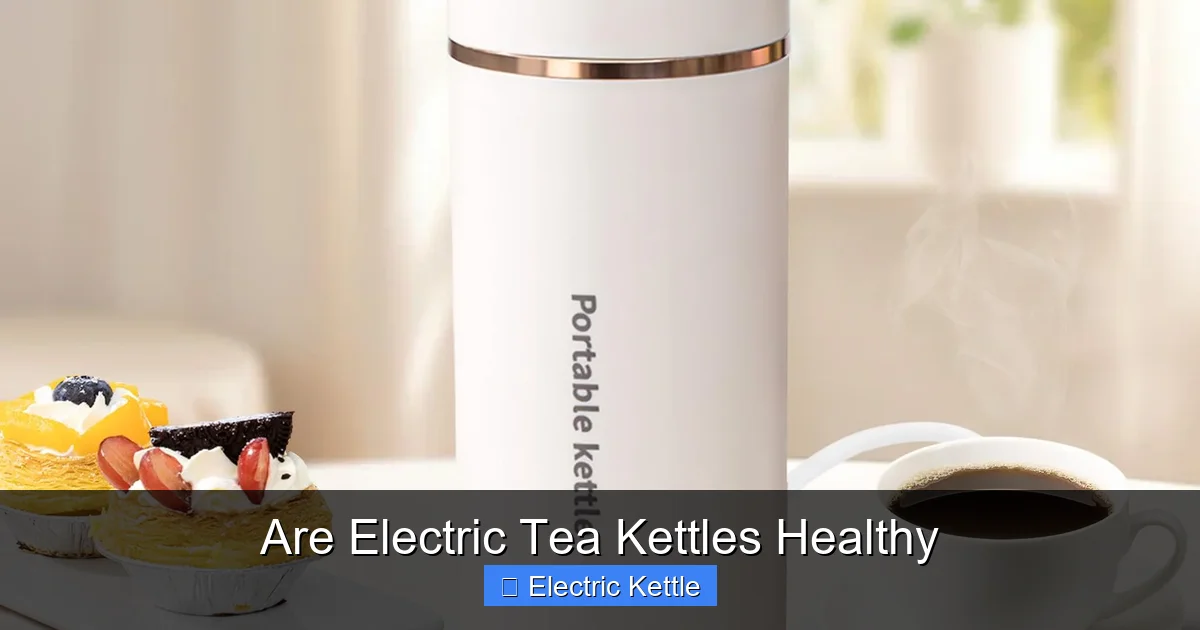
Visual guide about Are Electric Tea Kettles Healthy
Image source: m.media-amazon.com
When it comes to determining whether an electric tea kettle is healthy, the material it’s made from is the most important consideration. The interior surface—the part that comes into direct contact with your water—can either be a source of safety or a hidden health risk, depending on what it’s composed of.
Let’s break down the most common materials used in electric kettles and how they affect your health.
Stainless Steel: The Gold Standard
Stainless steel is widely regarded as the healthiest and most durable material for electric kettles. High-quality food-grade stainless steel (such as 304 or 18/8 grade) is non-reactive, meaning it won’t leach metals or chemicals into your water, even when heated to boiling temperatures. It’s also resistant to rust, corrosion, and staining, making it easy to clean and maintain.
One of the biggest advantages of stainless steel kettles is their longevity. Unlike plastic, they don’t degrade over time, and they won’t absorb odors or flavors from previous uses. This means your tea will always taste fresh and pure, without any metallic or plastic aftertaste.
Additionally, many stainless steel kettles feature a concealed heating element. This design not only improves efficiency but also reduces the risk of mineral buildup on the heating coil, which can affect performance and hygiene. Just be sure to choose a model with a seamless interior, as welded seams can trap bacteria and be harder to clean.
Glass: Transparent and Non-Reactive
Glass kettles are another excellent choice for health-conscious users. Made from borosilicate glass—a type of tempered glass resistant to thermal shock—these kettles allow you to see the water as it heats, which some people find reassuring. More importantly, glass is completely inert. It doesn’t react with water or release any substances, even at high temperatures.
This makes glass kettles ideal for people who are sensitive to tastes or concerned about chemical exposure. They’re also easy to clean and don’t retain odors. However, glass is more fragile than stainless steel, so it’s important to handle it with care. Look for models with protective outer shells or silicone sleeves to reduce the risk of breakage.
One thing to note: some glass kettles have metal components, such as a stainless steel lid or base. Make sure these parts are also food-grade and don’t come into prolonged contact with boiling water unless they’re designed to be safe at high temperatures.
Plastic: Proceed with Caution
Plastic kettles are often the most affordable option, but they come with significant health concerns. Many plastics contain chemicals like bisphenol A (BPA) or phthalates, which are known endocrine disruptors. These chemicals can leach into water, especially when heated, and have been linked to hormonal imbalances, reproductive issues, and other long-term health problems.
Even “BPA-free” plastics aren’t always safe. Some manufacturers replace BPA with similar compounds like BPS or BPF, which may have the same harmful effects. Additionally, plastic can degrade over time, developing micro-cracks that harbor bacteria and make cleaning difficult.
If you do choose a plastic kettle, opt for one labeled “BPA-free” and made from high-quality, heat-resistant materials like Tritan. Avoid kettles with strong chemical odors or those that feel flimsy or cheap. And never use a plastic kettle that’s cracked, discolored, or has a strange smell—these are signs of degradation.
Non-Stick Coatings: A Hidden Danger
Some electric kettles feature non-stick interiors, often coated with materials like Teflon (PTFE) or ceramic. While these coatings can make cleaning easier, they pose potential health risks—especially when overheated.
Teflon, for example, can release toxic fumes when heated above 500°F (260°C). While most kettles don’t reach such extreme temperatures, repeated overheating or dry boiling (running the kettle without water) can damage the coating and release harmful particles. Ceramic coatings are generally safer, but they can still chip or degrade over time, potentially contaminating your water.
For maximum safety, avoid kettles with non-stick interiors unless they’re clearly labeled as PFOA-free and designed for high-heat use. Stainless steel and glass remain the safest, most reliable options.
Potential Health Risks: What to Watch Out For
Even with the right materials, electric tea kettles can pose health risks if not used or maintained properly. Here are the most common issues to be aware of—and how to avoid them.
Chemical Leaching from Poor-Quality Materials
As mentioned earlier, low-quality plastics and non-stick coatings can leach chemicals into your water. This is especially true if the kettle is old, damaged, or frequently overheated. Symptoms of chemical exposure may include headaches, nausea, or a metallic or plastic taste in your water.
To minimize this risk, always choose kettles made from food-grade stainless steel or borosilicate glass. Check product labels and customer reviews for mentions of taste or odor issues. If your water starts to taste “off,” it may be time to replace your kettle.
Mineral Buildup and Scale
Hard water—water high in calcium and magnesium—can leave behind mineral deposits, or scale, inside your kettle. Over time, this buildup can affect the kettle’s performance, reduce heating efficiency, and even alter the taste of your water.
More importantly, scale can harbor bacteria and mold, especially in hard-to-reach areas like the heating element or spout. This can lead to contamination and potentially cause gastrointestinal issues if ingested.
To prevent scale buildup, descale your kettle regularly using a mixture of white vinegar and water (1:1 ratio). Let it sit for 30 minutes, then rinse thoroughly. In areas with very hard water, consider using filtered water in your kettle to reduce mineral content.
Bacterial Growth and Mold
Stagnant water, especially in the spout or lid, can become a breeding ground for bacteria and mold. This is more common in kettles that aren’t dried properly after use or that are left with water sitting inside for long periods.
To prevent microbial growth, always empty and dry your kettle after each use. Wipe the interior with a clean cloth and leave the lid open to allow airflow. If you notice a musty smell or visible mold, clean the kettle immediately with a mild bleach solution (1 tablespoon of bleach per gallon of water), rinse thoroughly, and air dry.
Overheating and Dry Boiling
Running an electric kettle without water—known as dry boiling—can damage the heating element and potentially release harmful fumes, especially in kettles with non-stick coatings. It can also pose a fire hazard.
Most modern kettles have automatic shut-off features that prevent dry boiling, but it’s still important to never leave your kettle unattended. Always ensure there’s enough water before turning it on, and replace older models that lack safety features.
Safety Features That Promote Health and Peace of Mind
Beyond materials, the safety features of an electric tea kettle play a crucial role in its overall health impact. A well-designed kettle doesn’t just boil water efficiently—it also protects you from burns, fires, and other hazards.
Automatic Shut-Off
One of the most important safety features is automatic shut-off. This mechanism turns off the kettle once the water reaches boiling point, preventing overheating and reducing the risk of fire or damage. It also saves energy and extends the life of the appliance.
Look for kettles with reliable shut-off systems that activate quickly and consistently. Some models even have boil-dry protection, which cuts power if the kettle is turned on without water.
Temperature Control
Not all beverages require boiling water. Green tea, for example, tastes best when brewed at around 175°F (80°C), while black tea needs closer to 212°F (100°C). Kettles with variable temperature settings allow you to heat water to the ideal temperature for your drink, preserving flavor and preventing scalding.
This feature is also healthier because it reduces the risk of overheating, which can degrade certain materials or release unwanted compounds. Plus, it saves energy by not heating water beyond what’s necessary.
Cool-Touch Exterior and Handles
A cool-touch exterior and ergonomic handle are essential for preventing burns. Many electric kettles get extremely hot during use, and a poorly designed handle can lead to accidental spills or injuries.
Choose a kettle with a heat-resistant handle and a base that stays cool to the touch. Some models even have double-wall insulation to keep the outer surface safe.
Stable Base and Cordless Design
A stable, non-slip base prevents the kettle from tipping over, which could cause burns or damage. Cordless designs—where the kettle lifts off the base for pouring—are also safer and more convenient, reducing the risk of tripping over cords or spilling hot water.
Cleaning and Maintenance: Keeping Your Kettle Healthy
Even the healthiest kettle can become a health hazard if it’s not cleaned and maintained properly. Regular care ensures your water stays pure, your kettle performs well, and you avoid contamination.
Daily and Weekly Cleaning Routine
After each use, empty the kettle and wipe the interior with a soft cloth. Rinse the spout and lid to remove any residue. Once a week, give it a deeper clean using a vinegar solution or a commercial descaling product.
For vinegar cleaning:
- Fill the kettle halfway with equal parts white vinegar and water.
- Boil the mixture, then let it sit for 30 minutes.
- Pour out the solution and rinse thoroughly with clean water.
- Boil fresh water once or twice to remove any vinegar taste.
Avoid using abrasive scrubbers or harsh chemicals, as they can damage the interior surface.
Deep Cleaning for Stubborn Buildup
If you notice heavy scale or discoloration, you may need a more intensive cleaning. Baking soda can help remove stubborn stains—mix it with water to form a paste, apply it to affected areas, and scrub gently with a soft brush.
For mold or mildew, use a diluted bleach solution (as mentioned earlier), but be sure to rinse thoroughly and air dry completely before use.
Replacing Your Kettle
No kettle lasts forever. Over time, even the best models can degrade, develop leaks, or lose efficiency. Most manufacturers recommend replacing your kettle every 3–5 years, or sooner if you notice signs of wear.
Signs it’s time for a new kettle include:
- Persistent bad taste or odor in water
- Visible cracks, rust, or discoloration
- Slow heating or inconsistent boiling
- Frequent tripping of the circuit breaker
Investing in a high-quality replacement ensures you continue to enjoy safe, healthy hot water for years to come.
Environmental and Long-Term Health Benefits
Choosing a healthy electric tea kettle isn’t just good for your body—it’s also good for the planet. Many of the features that make a kettle safe and efficient also contribute to sustainability and long-term wellness.
Energy Efficiency
Electric kettles are significantly more energy-efficient than stovetop methods. They heat water directly and quickly, using up to 50% less energy than boiling a full pot on the stove. This reduces your carbon footprint and lowers your utility bills.
Look for kettles with high wattage (1500W or more) for faster boiling, but avoid models that use excessive energy for small amounts of water. Some kettles have “eco modes” or variable settings to help conserve power.
Durability and Reduced Waste
High-quality kettles made from stainless steel or glass last longer than plastic models, reducing the need for frequent replacements. This means less waste in landfills and fewer resources used in manufacturing.
When it’s time to replace your kettle, recycle it responsibly. Many components, including metal and glass, can be recycled, and some manufacturers offer take-back programs.
Supporting Healthy Habits
A reliable electric kettle encourages healthy habits. It makes it easy to drink more tea, which is rich in antioxidants and linked to numerous health benefits, including improved heart health, reduced inflammation, and better hydration.
It also supports a clutter-free, efficient kitchen. With a kettle, you can quickly prepare hot water for meals, sterilize baby bottles, or even steam vegetables—all without turning on the stove.
How to Choose the Healthiest Electric Tea Kettle
With so many options available, selecting the right kettle can feel overwhelming. Here’s a simple checklist to help you find the healthiest model for your needs:
- Material: Choose stainless steel or glass. Avoid plastic and non-stick coatings.
- Certifications: Look for FDA, LFGB, or NSF approval to ensure food safety.
- Safety features: Automatic shut-off, boil-dry protection, and cool-touch handles are essential.
- Capacity: Match the size to your household needs—1.5 to 1.7 liters is ideal for most families.
- Ease of cleaning: Opt for a wide mouth, removable lids, and concealed heating elements.
- Brand reputation: Stick with trusted brands known for quality and customer support.
Popular healthy options include the Cuisinart CPK-17, Breville BKE820XL, and OXO Brew Classic. Read reviews, compare features, and prioritize safety and durability over flashy designs.
Conclusion: Yes, Electric Tea Kettles Can Be Healthy—If You Choose Wisely
So, are electric tea kettles healthy? The answer is a resounding yes—when you choose the right one. High-quality kettles made from stainless steel or glass are safe, durable, and free from harmful chemicals. They support healthy hydration, energy efficiency, and sustainable living.
The key is to avoid cheap plastics, non-stick coatings, and poorly constructed models. Instead, invest in a kettle with food-safe materials, essential safety features, and easy maintenance. Clean it regularly, replace it when needed, and enjoy the convenience and comfort of perfectly boiled water—without compromising your health.
Whether you’re sipping herbal tea, brewing coffee, or preparing a quick meal, your electric kettle can be a trusted, healthy companion in your daily routine. Just remember: when it comes to your health, what’s inside the kettle matters just as much as what’s inside your cup.
Frequently Asked Questions
Can electric kettles leach chemicals into water?
Yes, low-quality plastic or non-stick kettles may leach chemicals like BPA or PTFE when heated. To avoid this, choose kettles made from stainless steel or glass, which are non-reactive and safe.
Are BPA-free plastic kettles safe?
BPA-free doesn’t always mean safe. Some alternatives like BPS may have similar health risks. For maximum safety, opt for stainless steel or glass kettles instead of plastic.
How often should I clean my electric kettle?
Clean your kettle weekly with a vinegar solution to remove mineral buildup. Wipe it down after each use and descale more often if you have hard water.
Can I use my electric kettle for baby formula?
Yes, but only if it’s made from safe materials and cleaned regularly. Boil water, let it cool slightly, and ensure no residue or odor remains before use.
Do electric kettles use a lot of electricity?
No, electric kettles are energy-efficient. They use less power than stovetops and boil water faster, making them a greener choice for daily use.
Is it safe to leave water in an electric kettle?
It’s best to empty and dry your kettle after each use. Stagnant water can promote bacterial growth and mineral buildup, affecting taste and safety.