Electric tea kettles are significantly more energy-efficient, faster, and safer than traditional stovetop kettles. They use targeted heating elements, precise temperature control, and automatic shut-off to save time, electricity, and water—making them a smart choice for daily tea lovers.
Key Takeaways
- Electric kettles use less energy: They convert up to 80% of energy into heat, compared to 30–40% for gas stoves, reducing electricity waste.
- Faster boiling times: Most electric kettles boil water in 3–5 minutes, saving you time during busy mornings.
- Precise temperature control: Advanced models offer variable settings for green, black, or herbal teas, preserving flavor and nutrients.
- Automatic shut-off and safety features: Built-in sensors prevent overheating and dry boiling, enhancing kitchen safety.
- Water efficiency: You only heat the exact amount needed, reducing waste and saving money over time.
- Long-term cost savings: Lower energy bills and durability make electric kettles a smart investment.
- Eco-friendly option: Less energy consumption means a smaller carbon footprint compared to gas or induction stovetops.
📑 Table of Contents
- Are Electric Tea Kettles More Efficient? A Deep Dive into Performance, Energy Use, and Daily Convenience
- How Electric Kettles Work: The Science Behind the Speed
- Energy Efficiency: Comparing Electric Kettles to Stovetop Methods
- Water Efficiency: Boil Only What You Need
- Smart Features That Boost Efficiency
- Environmental Impact: A Greener Way to Boil Water
- Cost Savings: Is an Electric Kettle Worth the Investment?
- Choosing the Right Electric Kettle for Maximum Efficiency
- Conclusion: Yes, Electric Tea Kettles Are More Efficient
Are Electric Tea Kettles More Efficient? A Deep Dive into Performance, Energy Use, and Daily Convenience
If you’ve ever stood over a whistling stovetop kettle, waiting impatiently for your morning tea while the gas burner flickers or the electric coil glows red, you’ve probably wondered: is there a better way? Enter the electric tea kettle—a sleek, modern appliance that’s quietly revolutionized how we heat water. But beyond the convenience and style, the real question on many minds is: are electric tea kettles more efficient than their stovetop counterparts?
The short answer? Yes—by nearly every measurable standard. From energy consumption and speed to water usage and safety, electric kettles outperform traditional methods in almost every category. Whether you’re a tea enthusiast, a busy professional, or someone looking to cut down on household energy bills, understanding the efficiency of electric kettles can help you make smarter choices in the kitchen.
In this comprehensive guide, we’ll explore the science behind electric kettle efficiency, compare them to gas and induction stovetops, and break down the real-world benefits—like faster boil times, precise temperature control, and long-term savings. We’ll also look at practical tips for choosing the right model and using it effectively. By the end, you’ll have a clear picture of why electric kettles aren’t just a trendy upgrade—they’re a practical, efficient, and eco-conscious choice for modern homes.
How Electric Kettles Work: The Science Behind the Speed
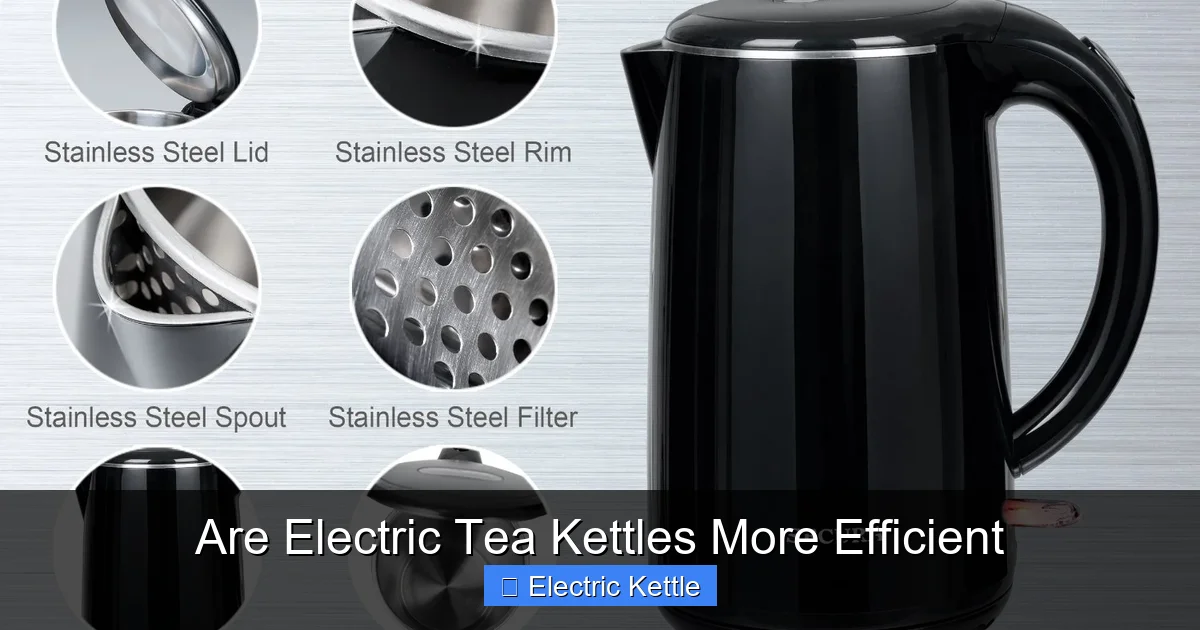
Visual guide about Are Electric Tea Kettles More Efficient
Image source: magneticcooky.com
To understand why electric kettles are more efficient, it helps to know how they work. Unlike stovetop kettles that rely on external heat sources (like gas flames or electric coils), electric kettles have built-in heating elements—usually located at the base of the appliance. When you plug in the kettle and press the start button, electricity flows through this element, converting electrical energy directly into heat.
This direct transfer is key to their efficiency. The heating element is submerged or closely integrated with the water, meaning nearly all the energy goes into heating the liquid—not the surrounding air or the stove. In contrast, stovetop kettles lose a significant amount of heat to the environment. A gas burner, for example, sends flames upward, but much of that heat escapes around the sides of the kettle. Electric stovetops aren’t much better—coils take time to heat up and cool down, leading to energy waste.
Energy Conversion: Where the Savings Come From
One of the biggest advantages of electric kettles is their high energy conversion rate. Studies show that electric kettles convert about 70–80% of the electricity they use into heat for the water. That’s a massive improvement over gas stoves, which typically convert only 30–40% of their energy into usable heat. Even induction stovetops, while more efficient than gas, still fall short at around 60–70% efficiency.
Let’s put that into perspective. If you boil one liter of water using a gas stove, you’re wasting more than half the energy you’re paying for. With an electric kettle, most of that energy goes straight into heating your water. Over time, this difference adds up—both in your utility bill and in your carbon footprint.
Speed Matters: Faster Boiling = Less Energy Used
Another factor in efficiency is speed. Electric kettles boil water faster than stovetop methods. Most models can bring a full liter of water to a boil in just 3 to 5 minutes, depending on wattage and starting temperature. A typical 1500-watt kettle will outperform a standard gas burner, which might take 6–8 minutes for the same task.
Why does speed matter for efficiency? Because the longer something takes to heat, the more energy is lost to the environment. Faster boiling means less time for heat to escape, resulting in lower overall energy consumption. Plus, let’s be honest—nobody likes waiting. A faster kettle means quicker tea, coffee, or instant oatmeal, making your mornings smoother and your kitchen more efficient.
Energy Efficiency: Comparing Electric Kettles to Stovetop Methods
Now that we’ve covered how electric kettles work, let’s put them head-to-head with traditional stovetop options. The goal isn’t just to say “electric is better”—it’s to show why and by how much.
Electric Kettle vs. Gas Stovetop
Gas stoves are popular for their instant flame and precise flame control, but they’re not the most efficient way to boil water. As mentioned earlier, gas burners lose a lot of heat to the air. The flame heats the bottom of the kettle, but much of that energy radiates outward instead of transferring to the water. This inefficiency is compounded by the fact that gas stoves often require preheating and take longer to boil water.
In contrast, electric kettles focus all their energy on the water. There’s no open flame, no wasted heat, and no need to wait for a burner to warm up. A 2020 study by the UK’s Energy Saving Trust found that electric kettles use about 25% less energy than gas stoves to boil the same amount of water. That’s a significant saving, especially if you boil water multiple times a day.
Electric Kettle vs. Electric Stovetop
You might think an electric coil stovetop would be more efficient than gas—and you’d be right, but only slightly. Electric stovetops do transfer more heat to the kettle than gas, but they still suffer from slow response times and heat loss. The coil takes time to heat up, and once it’s hot, it stays hot even after you turn it off, continuing to waste energy.
Electric kettles, on the other hand, heat up almost instantly. The heating element responds immediately to the power switch, and many models include thermostats that cut off power the moment the water reaches boiling point. This precision prevents over-boiling and reduces energy waste.
Electric Kettle vs. Induction Stovetop
Induction stoves are often hailed as the most efficient stovetop option. They use magnetic fields to heat the cookware directly, skipping the middle step of heating a burner. This makes them faster and more energy-efficient than gas or electric coils—boiling water in about 4–6 minutes.
However, even induction can’t match the targeted efficiency of an electric kettle. Induction requires compatible cookware (like magnetic-bottom kettles), and if the kettle isn’t perfectly centered, heat transfer becomes uneven. Plus, induction stoves still lose some energy to the surrounding cooktop surface.
Electric kettles, by contrast, are designed solely for boiling water. Every component—from the heating element to the thermostat—is optimized for this single task. This specialization makes them inherently more efficient.
Water Efficiency: Boil Only What You Need
Efficiency isn’t just about energy—it’s also about water. One of the biggest advantages of electric kettles is their ability to heat precise amounts of water. Most models come with clear measurement markings, allowing you to pour in exactly how much you need—whether it’s one cup for a single mug or four cups for a pot of tea.
This might seem like a small detail, but it has a big impact. On a stovetop, it’s easy to overfill the kettle “just in case” you need more water later. But boiling extra water uses more energy and takes longer. With an electric kettle, you can heat just one cup in under two minutes, using far less electricity than boiling a full kettle on the stove.
Let’s do the math. Boiling one liter of water on a gas stove might use about 0.1 kWh of energy. But if you only need 250ml (one cup), an electric kettle can do it in about 30 seconds using roughly 0.025 kWh. That’s a 75% reduction in energy use for the same task. Multiply that by several boils a day, and the savings add up quickly.
Practical Tip: Use the Right Amount of Water
To maximize water and energy efficiency, always fill your electric kettle with only the amount of water you need. Avoid the “fill it up” habit—it’s a common mistake that wastes both water and electricity. If you’re unsure, start with less. You can always boil a second batch if needed, but you can’t un-boil water.
Some advanced electric kettles even come with “cup-level” indicators or preset buttons for 1, 2, or 4 cups. These features make it easy to heat the exact amount, further boosting efficiency.
Smart Features That Boost Efficiency
Modern electric kettles aren’t just faster and more energy-efficient—they’re also smarter. Many models now include features that enhance both performance and convenience, making them even more efficient in daily use.
Precise Temperature Control
One of the most useful advancements is variable temperature control. Unlike stovetop kettles that only reach boiling point (100°C or 212°F), many electric kettles let you choose specific temperatures—like 80°C for green tea or 90°C for white tea. This precision prevents overheating, which can ruin delicate teas and waste energy.
For example, green tea brewed at boiling temperature can become bitter and lose its antioxidants. By using a lower temperature, you preserve flavor and nutrients while using less energy. Some kettles even have preset programs for different tea types, so you don’t have to guess.
Keep-Warm Function
Another efficiency-boosting feature is the keep-warm function. After boiling, some kettles automatically switch to a low-power mode that maintains the water temperature for 30 minutes to an hour. This means you don’t have to reboil water if you’re making multiple cups—saving time and energy.
Just be mindful: keeping water warm uses a small amount of electricity. If you don’t plan to use it soon, it’s better to let it cool and reheat only when needed.
Automatic Shut-Off and Boil-Dry Protection
Safety and efficiency go hand in hand. Most electric kettles include automatic shut-off, which turns the appliance off the moment the water reaches boiling point. This prevents over-boiling, reduces energy waste, and eliminates the risk of fire or damage.
Even better, many models have boil-dry protection. If you accidentally turn on the kettle without water, the sensor detects the lack of liquid and cuts power immediately. This not only protects the kettle but also prevents dangerous overheating.
Quick-Start and Rapid Boil Technology
High-wattage kettles (1500W to 3000W) can boil water in record time. Some premium models use rapid boil technology to heat water in under three minutes. While higher wattage uses more power per second, the shorter boiling time often results in lower total energy consumption compared to slower stovetop methods.
Environmental Impact: A Greener Way to Boil Water
Efficiency isn’t just about saving money—it’s also about reducing your environmental footprint. Because electric kettles use less energy and heat water faster, they contribute to lower greenhouse gas emissions, especially if your electricity comes from renewable sources.
Lower Carbon Footprint
Every kilowatt-hour of electricity saved means less demand on power plants, many of which still rely on fossil fuels. By using an electric kettle instead of a gas stove, you’re reducing both direct emissions (from burning gas) and indirect emissions (from electricity generation).
Even if your home uses gas for heating and cooking, switching to an electric kettle can still be greener—especially if your local grid is shifting toward wind, solar, or hydro power. In regions with high renewable energy adoption, electric appliances are becoming increasingly eco-friendly.
Reduced Water Waste
As mentioned earlier, electric kettles encourage mindful water use. By heating only what you need, you avoid wasting water—a precious resource. In drought-prone areas or households aiming for sustainability, this small change can make a big difference.
Durability and Longevity
High-quality electric kettles are built to last. Many models come with stainless steel or BPA-free plastic bodies, sealed heating elements, and warranties of 2–5 years. A durable appliance means fewer replacements, less waste, and a lower overall environmental impact.
Cost Savings: Is an Electric Kettle Worth the Investment?
You might be thinking: “Okay, electric kettles are efficient—but do they actually save me money?” The answer is yes, especially over time.
Initial Cost vs. Long-Term Savings
Electric kettles range from $20 for basic models to $100+ for premium versions with smart features. While this is more than a simple stovetop kettle, the long-term savings on energy bills can offset the upfront cost.
Let’s say you boil water five times a day. Using a gas stove, that might cost about $0.10 per day in energy. With an electric kettle, it could drop to $0.06—saving $0.04 daily. Over a year, that’s $14.60 saved. Multiply that by the kettle’s lifespan (5–10 years), and you’re looking at $70–$140 in energy savings alone.
Reduced Wear on Stovetops
Frequent boiling on a stovetop can cause wear and tear, especially on glass or ceramic cooktops. Scratches, heat damage, and residue buildup are common. Using an electric kettle reduces this strain, potentially extending the life of your stove.
Time Is Money
Let’s not forget the time saved. Faster boiling means quicker meals, less waiting, and more productivity. For busy families or remote workers, that convenience has real value.
Choosing the Right Electric Kettle for Maximum Efficiency
Not all electric kettles are created equal. To get the most efficiency, look for these features:
- High wattage (1500W–3000W): Higher wattage means faster boiling and often better energy efficiency.
- Thermostat and temperature control: Essential for precision and energy savings.
- Automatic shut-off and boil-dry protection: Safety and efficiency go hand in hand.
- Clear water level markings: Helps you measure accurately and avoid overfilling.
- Stainless steel or BPA-free materials: Durable, safe, and easy to clean.
- Removable limescale filter: Keeps water tasting fresh and maintains heating efficiency.
Practical Tip: Descale Regularly
Mineral buildup from hard water can insulate the heating element, making the kettle work harder and use more energy. Clean your kettle every 1–2 months with vinegar or a descaling solution to maintain peak efficiency.
Conclusion: Yes, Electric Tea Kettles Are More Efficient
So, are electric tea kettles more efficient? The evidence is clear: they use less energy, boil water faster, reduce water waste, and offer smart features that enhance both safety and convenience. Whether you’re comparing them to gas, electric, or induction stovetops, electric kettles consistently come out on top in terms of performance and sustainability.
They’re not just a luxury—they’re a practical upgrade for anyone who values time, money, and the environment. From morning tea rituals to quick meals, an electric kettle makes daily tasks easier and more efficient. And with models available at every price point, there’s no reason not to make the switch.
Next time you’re waiting for water to boil, ask yourself: could I be doing this smarter? With an electric kettle, the answer is yes.
Frequently Asked Questions
Are electric kettles more energy-efficient than gas stoves?
Yes, electric kettles are significantly more energy-efficient than gas stoves. They convert up to 80% of electricity into heat, while gas stoves only convert 30–40%, leading to less wasted energy and lower utility bills.
Do electric kettles use a lot of electricity?
Electric kettles use electricity quickly but for short periods. A typical 1500W kettle uses about 0.1 kWh to boil one liter—less than many kitchen appliances. Their speed and efficiency make them cost-effective over time.
Can I boil just one cup of water in an electric kettle?
Yes, and it’s one of the most efficient ways to heat water. Most electric kettles allow you to boil small amounts, using far less energy than heating a full kettle on the stove.
Are electric kettles safe to use?
Yes, modern electric kettles include safety features like automatic shut-off, boil-dry protection, and cool-touch handles, making them safer than many stovetop methods.
Do electric kettles save money in the long run?
Absolutely. While the upfront cost is higher than a stovetop kettle, the energy savings, durability, and reduced wear on your stove can save you $70–$140 over 5–10 years.
Are electric kettles better for the environment?
Yes. They use less energy, reduce water waste, and have a lower carbon footprint—especially when powered by renewable electricity sources like solar or wind.