
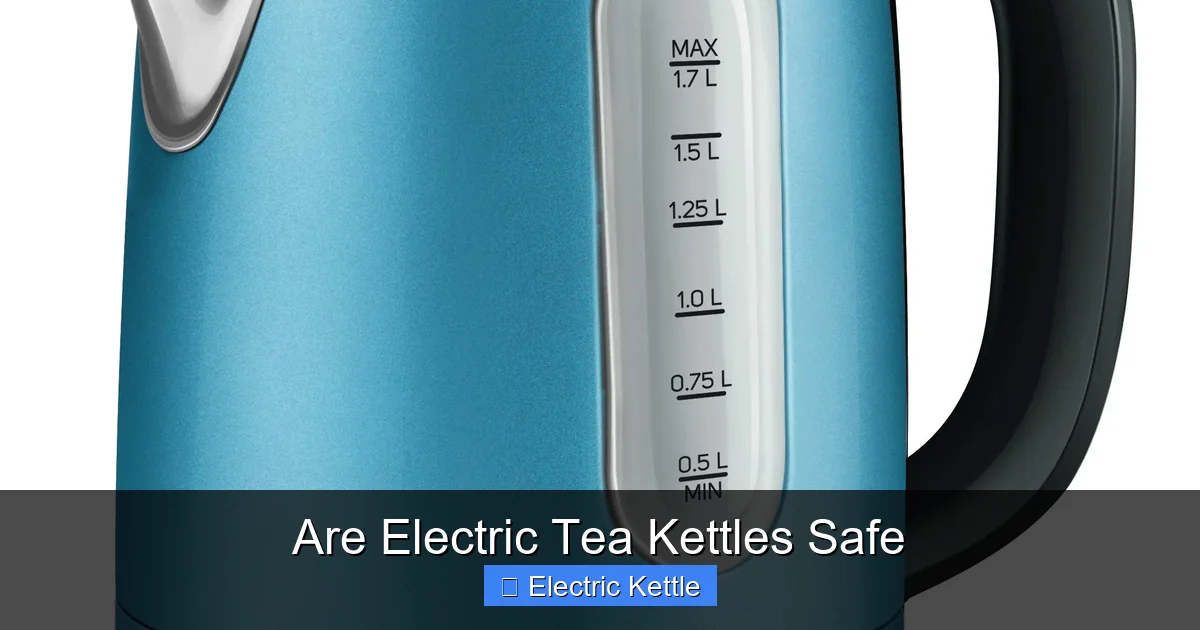
Electric tea kettles are generally safe when used correctly and maintained properly. Most modern models come with built-in safety features like auto shut-off and boil-dry protection, making them reliable for daily use. However, choosing high-quality materials and following manufacturer guidelines is key to long-term safety and performance.
Key Takeaways
- Electric tea kettles are safe when used as intended: Modern designs include multiple safety mechanisms to prevent overheating and accidents.
- Material matters: Opt for kettles made from stainless steel, BPA-free plastic, or glass to avoid harmful chemical leaching.
- Auto shut-off is a must: This feature turns off the kettle once water reaches boiling point, reducing fire and burn risks.
- Regular cleaning prevents buildup: Mineral deposits and mold can affect performance and safety—clean your kettle monthly.
- Avoid overfilling and underfilling: Follow water level guidelines to prevent damage and ensure efficient heating.
- Buy from reputable brands: Trusted manufacturers adhere to safety standards and offer better warranties and support.
- Unplug when not in use: Even with safety features, unplugging reduces electrical risks and saves energy.
📑 Table of Contents
- Are Electric Tea Kettles Safe? A Complete Guide to Safe Brewing
- Understanding How Electric Tea Kettles Work
- Safety Features That Make Electric Kettles Safe
- Materials Matter: Choosing a Safe Electric Tea Kettle
- Common Safety Risks and How to Avoid Them
- Best Practices for Safe and Long-Lasting Use
- Choosing the Right Electric Tea Kettle for Safety
- Conclusion: Yes, Electric Tea Kettles Are Safe—When Used Right
Are Electric Tea Kettles Safe? A Complete Guide to Safe Brewing
If you’re someone who starts the day with a steaming cup of tea or relies on hot water for instant coffee, soups, or oatmeal, an electric tea kettle is likely a staple in your kitchen. They’re fast, convenient, and energy-efficient—but like any electrical appliance, you might wonder: are electric tea kettles safe?
The short answer? Yes, electric tea kettles are generally safe when used properly. But like anything that involves electricity and boiling water, there are important factors to consider. From the materials they’re made of to the safety features they include, understanding how these appliances work can help you make smarter choices and use them with confidence.
In this guide, we’ll dive deep into the safety aspects of electric tea kettles. We’ll explore the potential risks, highlight the safety features that make modern kettles reliable, and offer practical tips to keep your kettle—and your kitchen—safe. Whether you’re a first-time buyer or looking to upgrade your current model, this article will give you everything you need to know.
Understanding How Electric Tea Kettles Work
Visual guide about Are Electric Tea Kettles Safe
Image source: jenuinehome.com
Before we talk about safety, it helps to understand how electric tea kettles function. Unlike stovetop kettles that rely on a flame or heating element under a pot, electric kettles have a built-in heating element—usually at the base—that heats water directly inside the unit.
When you fill the kettle with water and plug it in, the heating element warms up rapidly. Most kettles use a thermostat to monitor the water temperature. Once the water reaches boiling point (around 212°F or 100°C), the thermostat triggers an automatic shut-off, turning off the heating element. This process usually takes just a few minutes, depending on the kettle’s wattage and the amount of water.
Many modern electric kettles also come with additional features like variable temperature settings, keep-warm functions, and LED indicators. These enhancements not only improve convenience but also contribute to safety by giving you more control over the heating process.
The Role of Thermostats and Sensors
One of the most important safety components in an electric tea kettle is the thermostat. This small but powerful device monitors the temperature of the water and the heating element. If the water gets too hot or if the kettle is turned on without water (a condition known as “dry boiling”), the thermostat can shut off the power to prevent damage or fire.
Some advanced models use dual sensors—one for the water and one for the heating element—to provide even greater protection. These sensors work together to ensure the kettle only operates under safe conditions.
Power and Efficiency Considerations
Electric kettles typically range from 1,200 to 3,000 watts. Higher wattage means faster boiling, but it also means higher energy consumption and greater electrical demand. Most household circuits can handle this, but it’s important to avoid plugging your kettle into an overloaded outlet or using extension cords, which can overheat and pose a fire hazard.
Using a dedicated outlet and ensuring your home’s electrical system is up to code can go a long way in maintaining safety. If you notice flickering lights or warm outlets when using your kettle, it may be a sign of an electrical issue that needs attention.
Safety Features That Make Electric Kettles Safe
One of the main reasons electric tea kettles are considered safe is the inclusion of multiple built-in safety features. These aren’t just marketing gimmicks—they’re essential protections that prevent accidents and extend the life of your appliance.
Let’s look at the most common and effective safety features found in modern electric kettles.
Auto Shut-Off Function
The auto shut-off feature is perhaps the most important safety mechanism in an electric tea kettle. Once the water reaches boiling point, the kettle automatically turns off. This prevents the water from boiling away completely, which could damage the heating element or cause a fire.
This feature is especially useful if you tend to get distracted while waiting for your water to boil. Whether you’re answering a phone call or checking your email, you don’t have to worry about forgetting the kettle on the counter.
Some kettles even have a “boil-dry protection” system that detects when there’s no water inside and shuts off the heating element immediately. This dual-layer protection significantly reduces the risk of overheating and potential hazards.
Boil-Dry Protection
Boil-dry protection is a close cousin of auto shut-off. It’s designed to prevent the kettle from operating when it’s empty or nearly empty. Running a kettle without water can cause the heating element to overheat, potentially leading to melting, smoke, or even a fire.
Most reputable brands include this feature as standard. It works by using a thermal sensor that detects the temperature of the heating element. If the element gets too hot—indicating a lack of water—the kettle cuts power instantly.
This is especially important for people who multitask or have busy mornings. You won’t have to worry about accidentally turning on an empty kettle.
Cool-Touch Exteriors and Handles
Another key safety feature is the cool-touch design. Many electric kettles are built with insulated exteriors and heat-resistant handles, so the outside of the kettle stays cool even when the water inside is boiling.
This prevents burns if you accidentally touch the kettle while it’s heating or right after it turns off. It’s particularly helpful in households with children or pets, where accidental contact is more likely.
Look for kettles with ergonomic, non-slip handles that are easy to grip. Some models even have handles that stay cool to the touch throughout the entire heating process.
Stability and Non-Slip Bases
A stable base is crucial for safety. Electric kettles should have a wide, flat bottom that sits securely on countertops. Many models include non-slip rubber feet to prevent the kettle from sliding or tipping over during use.
Tipping is a common cause of burns and spills, especially when the kettle is full of hot water. A stable design reduces this risk and gives you peace of mind when pouring.
Some premium kettles also feature a 360-degree swivel base, allowing you to lift and pour the kettle without having to unplug it. This design keeps the cord out of the way and reduces strain on the power connection.
Overheat Protection
In rare cases, electrical faults or component failures can cause a kettle to overheat even with water inside. Overheat protection is a secondary safety system that monitors the internal temperature and cuts power if it exceeds safe limits.
This feature is often integrated into the thermostat or control board and acts as a last line of defense. While it’s not something you’ll notice during normal use, it’s a critical safeguard in the event of a malfunction.
Materials Matter: Choosing a Safe Electric Tea Kettle
Not all electric tea kettles are created equal—especially when it comes to materials. The substance your kettle is made from can affect not only its safety but also the taste of your water and your long-term health.
Let’s break down the most common materials used in electric kettles and what you should look for.
Stainless Steel
Stainless steel is one of the safest and most durable materials for electric tea kettles. It’s non-reactive, meaning it won’t leach chemicals into your water, even when heated repeatedly. High-quality stainless steel kettles (like those made from 18/8 or 304 grade) are resistant to rust, corrosion, and staining.
One advantage of stainless steel is that it’s easy to clean and doesn’t retain odors or flavors from previous brews. It also retains heat well, so your water stays warm longer after boiling.
However, some stainless steel kettles have exposed heating elements, which can make cleaning more difficult and increase the risk of mineral buildup. Look for models with concealed heating elements for easier maintenance.
Glass
Glass kettles are a popular choice for those who want to see the water boiling and prefer a clean, chemical-free brewing experience. High-quality borosilicate glass is heat-resistant and won’t crack under rapid temperature changes.
Like stainless steel, glass is non-porous and non-reactive, so it won’t affect the taste of your water. It’s also easy to clean and doesn’t retain stains or odors.
The downside? Glass is more fragile than metal and can break if dropped or exposed to sudden temperature shifts (like pouring cold water into a hot kettle). If you choose a glass kettle, handle it with care and avoid extreme temperature changes.
BPA-Free Plastic
Plastic kettles are lightweight and often more affordable, but they come with caveats. The biggest concern is the potential leaching of chemicals, especially when heated.
Look for kettles labeled “BPA-free” and made from food-grade, heat-resistant plastics like Tritan. These materials are designed to withstand high temperatures without releasing harmful substances.
Even with BPA-free plastic, some people prefer to avoid plastic altogether due to concerns about long-term exposure to other chemicals. If you do choose a plastic kettle, avoid overheating it and replace it if you notice any discoloration, warping, or strange odors.
Non-Stick Coatings: Proceed with Caution
Some budget kettles feature non-stick coatings on the interior to prevent mineral buildup. While this sounds convenient, non-stick materials like Teflon can degrade at high temperatures and release toxic fumes if overheated.
We recommend avoiding kettles with non-stick interiors, especially if they’re made from low-quality materials. Instead, opt for stainless steel or glass models and clean them regularly to prevent scale buildup.
Common Safety Risks and How to Avoid Them
Even with advanced safety features, electric tea kettles can pose risks if used improperly. Being aware of these potential hazards and knowing how to avoid them is key to safe operation.
Electrical Hazards
Electric kettles use high wattage and are often used near water, creating a potential risk for electrical shock or short circuits. To minimize this risk:
– Always plug your kettle directly into a grounded outlet—never use extension cords or power strips.
– Keep the power cord away from water and heat sources.
– Inspect the cord regularly for fraying or damage.
– Unplug the kettle when not in use, especially if you’re leaving the house.
If you notice sparks, smoke, or a burning smell, stop using the kettle immediately and have it inspected by a professional.
Burns and Scalds
Boiling water is hot—there’s no way around it. Burns can occur if you spill hot water while pouring or if you touch the kettle’s exterior or lid.
To prevent burns:
– Always use the handle and pour slowly.
– Keep the kettle away from the edges of countertops.
– Never open the lid while the kettle is heating—steam can escape and cause burns.
– Use oven mitts if you need to handle the kettle right after use.
If you have children, consider a kettle with a locking lid or keep it out of reach when in use.
Mineral Buildup and Scale
Hard water contains minerals like calcium and magnesium that can accumulate inside your kettle over time. This buildup, known as limescale, can affect performance, reduce heating efficiency, and even harbor bacteria if not cleaned.
To prevent scale:
– Use filtered or distilled water if you have hard water.
– Clean your kettle monthly with a mixture of vinegar and water (fill halfway, boil, let sit for 30 minutes, then rinse thoroughly).
– Avoid letting water sit in the kettle for long periods.
Regular cleaning not only improves safety but also extends the life of your kettle.
Mold and Bacteria Growth
If you leave water in your kettle for days or don’t clean it regularly, mold and bacteria can grow—especially in warm, moist environments.
To prevent this:
– Empty the kettle after each use.
– Wipe the interior dry with a clean cloth.
– Store the kettle with the lid open to allow airflow.
If you notice a musty smell or slimy residue, deep clean the kettle immediately.
Best Practices for Safe and Long-Lasting Use
Using your electric tea kettle safely isn’t just about avoiding risks—it’s also about maintaining it properly to ensure it lasts for years. Here are some best practices to follow.
Follow the Manufacturer’s Instructions
Every kettle is different. Always read the user manual before first use. It will tell you the recommended water levels, cleaning methods, and safety warnings specific to your model.
For example, some kettles have a minimum water level (usually marked inside) that must be met to activate the heating element. Ignoring this can trigger boil-dry protection or damage the kettle.
Don’t Overfill or Underfill
Overfilling can cause water to spill out when boiling, potentially damaging the base or creating a slipping hazard. Underfilling can trigger boil-dry protection or strain the heating element.
Most kettles have “min” and “max” water level indicators. Stick to these guidelines for optimal performance and safety.
Clean Regularly
We’ve mentioned cleaning before, but it’s worth repeating: regular cleaning is essential. Aim to descale your kettle every 1–3 months, depending on water hardness and usage.
For a natural cleaning solution, mix equal parts white vinegar and water, fill the kettle, boil, let it sit for 30 minutes, then rinse thoroughly. For stubborn scale, repeat the process or use a commercial descaling product.
Store Properly
When not in use, store your kettle in a dry, cool place. Keep the lid open to prevent moisture buildup and odors. Avoid stacking heavy items on top of it, especially if it’s made of glass.
Replace When Necessary
Even the best kettles don’t last forever. Signs it’s time to replace your kettle include:
– Frequent auto shut-offs or failure to heat
– Visible cracks or damage
– Persistent odors or tastes
– Electrical issues like flickering or sparking
Most electric kettles last 3–5 years with proper care. Investing in a high-quality model can extend this lifespan.
Choosing the Right Electric Tea Kettle for Safety
With so many options on the market, how do you pick a safe electric tea kettle? Here are some tips to help you make the right choice.
Look for Safety Certifications
Reputable kettles are tested and certified by organizations like UL (Underwriters Laboratories), ETL, or CSA. These certifications mean the product has been evaluated for electrical and fire safety.
Check the label or product description for these marks. Avoid unbranded or extremely cheap kettles that lack certification.
Choose Reputable Brands
Stick with well-known brands like Breville, Cuisinart, Hamilton Beach, or OXO. These companies have a track record of quality and safety, and they often offer better customer support and warranties.
Read Reviews
Before buying, read customer reviews—especially those that mention safety, durability, and performance. Look for patterns in feedback, such as frequent reports of overheating or poor build quality.
Consider Your Needs
Think about how you’ll use the kettle. Do you need variable temperature settings for different teas? A large capacity for family use? A quiet operation for early mornings?
Matching the kettle’s features to your lifestyle will help you get the most value—and safety—out of your purchase.
Conclusion: Yes, Electric Tea Kettles Are Safe—When Used Right
So, are electric tea kettles safe? The answer is a resounding yes—when you choose a quality model, follow safety guidelines, and maintain it properly. Modern electric kettles are designed with multiple layers of protection, from auto shut-off to boil-dry detection, making them one of the safest ways to boil water quickly and efficiently.
The key is to be mindful of the materials, use the kettle as intended, and keep it clean. Avoid cheap, uncertified models, and always prioritize safety features over flashy extras.
By following the tips in this guide, you can enjoy fast, convenient, and safe boiling for years to come. Whether you’re brewing a morning cup of Earl Grey or preparing hot water for pasta, your electric tea kettle can be a reliable and safe kitchen companion.
Frequently Asked Questions
Can electric tea kettles cause fires?
While rare, electric tea kettles can pose a fire risk if they malfunction or are used improperly. However, modern kettles with auto shut-off, boil-dry protection, and overheat sensors significantly reduce this risk. Always use your kettle as directed and inspect it regularly for damage.
Is it safe to leave an electric tea kettle plugged in?
It’s generally safe to leave your kettle plugged in if it has proper safety features, but unplugging it when not in use reduces electrical risks and saves energy. This is especially recommended if you’re away from home for extended periods.
Do electric kettles leach chemicals into water?
High-quality kettles made from stainless steel, glass, or BPA-free plastic are designed not to leach chemicals. Avoid kettles with non-stick coatings or low-grade plastics, as these may release harmful substances when heated.
How often should I clean my electric tea kettle?
Clean your kettle every 1–3 months, depending on water hardness and usage. Use a vinegar-water solution to remove limescale and prevent buildup that can affect performance and safety.
Can I use an electric tea kettle with hard water?
Yes, but hard water can cause mineral buildup over time. Use filtered water when possible and descale your kettle regularly to maintain efficiency and prevent damage.
What should I do if my electric kettle smells or tastes off?
A strange smell or taste may indicate mold, bacteria, or mineral buildup. Deep clean the kettle with vinegar and water, and ensure it’s dried thoroughly after each use. If the issue persists, consider replacing the kettle.