Electric tea kettles are generally safe, but some models may pose health risks depending on materials used. Concerns about toxins often stem from low-quality plastics, non-stick coatings, or metal leaching—especially in cheaper models. Choosing high-quality, certified kettles with stainless steel or borosilicate glass interiors significantly reduces any potential toxicity.
Key Takeaways
- Most electric kettles are safe when made with food-grade materials: High-quality stainless steel, borosilicate glass, and BPA-free plastics are non-toxic and ideal for boiling water.
- Cheap kettles may leach harmful chemicals: Low-cost models with thin metal, unknown coatings, or low-grade plastic can release toxins like lead, nickel, or BPA when heated.
- Non-stick coatings are a red flag: Kettles with Teflon or similar coatings can degrade at high temperatures, releasing potentially harmful fumes.
- Look for safety certifications: Choose kettles certified by NSF, FDA, or LFGB to ensure materials meet strict safety standards.
- Regular cleaning prevents buildup: Mineral deposits and biofilm can harbor bacteria or react with materials, so descale and clean your kettle weekly.
- Glass and stainless steel are the safest options: These materials are inert, durable, and least likely to leach chemicals into your water.
- Avoid kettles with exposed heating elements: Models where the coil touches water increase the risk of metal leaching and are harder to clean.
📑 Table of Contents
- Are Electric Tea Kettles Toxic? The Truth Behind Your Morning Brew
- Understanding the Materials: What’s Inside Your Kettle?
- Metal Leaching: Can Your Kettle Contaminate Your Water?
- Safety Certifications: How to Spot a Safe Kettle
- Design Features That Affect Safety
- Maintaining Your Kettle: Preventing Toxicity Through Care
- Conclusion: Choosing a Safe, Non-Toxic Electric Kettle
Are Electric Tea Kettles Toxic? The Truth Behind Your Morning Brew
You wake up, flick on your electric kettle, and within minutes, you’re sipping a warm cup of tea or coffee. It’s quick, convenient, and part of your daily ritual. But have you ever stopped to wonder: are electric tea kettles toxic?
It’s a fair question. After all, you’re pouring water into a device, heating it to near-boiling temperatures, and then drinking it. If the kettle contains harmful materials, those substances could potentially leach into your water—especially when exposed to high heat. With so many kettles on the market—ranging from $10 budget models to $100+ premium designs—it’s important to know what’s safe and what’s not.
The good news? Most modern electric kettles are designed with safety in mind. Reputable brands use food-grade materials that are tested for durability and non-toxicity. But not all kettles are created equal. Some cheaper models cut corners, using questionable plastics, thin metals, or coatings that can degrade over time. Understanding the materials, design features, and certifications can help you make a smarter, healthier choice.
In this guide, we’ll break down the potential toxicity risks of electric tea kettles, explain which materials are safest, and give you practical tips to ensure your kettle is both safe and long-lasting. Whether you’re a tea lover, coffee enthusiast, or just someone who values clean, healthy hydration, this information will help you brew with confidence.
Understanding the Materials: What’s Inside Your Kettle?
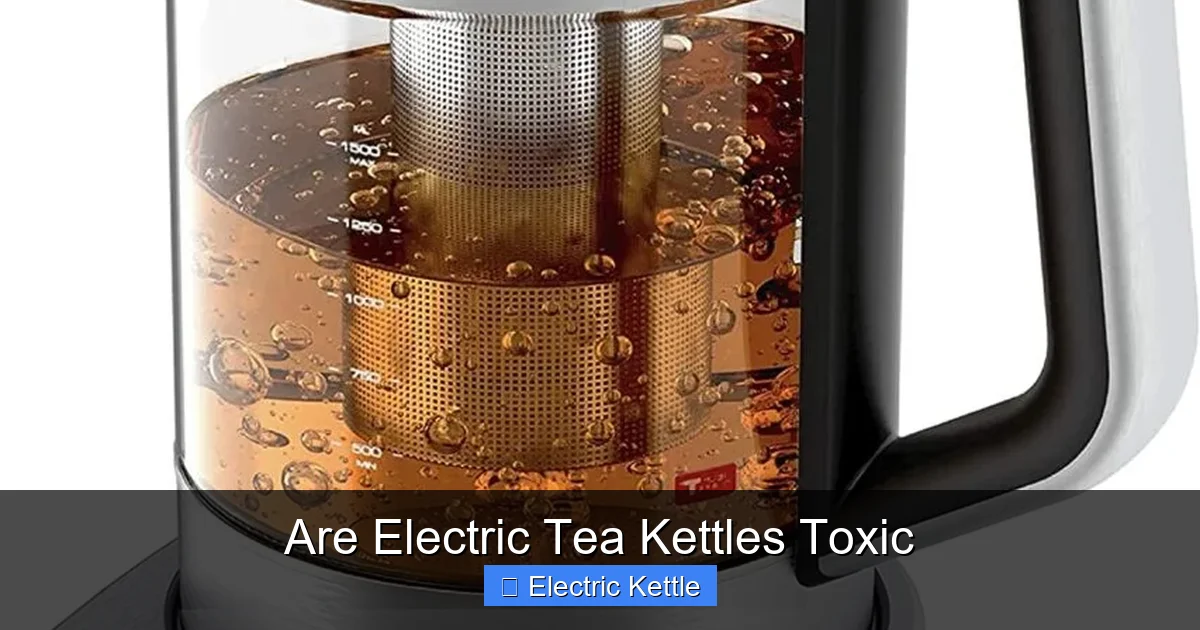
Visual guide about Are Electric Tea Kettles Toxic
Image source: finedose.com
The safety of your electric kettle largely depends on the materials used in its construction. Let’s take a closer look at the most common materials and their potential risks.
Stainless Steel: The Gold Standard
Stainless steel is one of the safest and most popular materials for electric kettles. High-quality food-grade stainless steel—particularly 304 or 18/8 grade—is non-reactive, durable, and resistant to rust and corrosion. It doesn’t leach harmful chemicals into water, even when heated repeatedly.
Look for kettles labeled “18/8 stainless steel,” which means they contain 18% chromium and 8% nickel. This composition creates a protective oxide layer that prevents metal from entering your water. Brands like Breville, Cuisinart, and Hamilton Beach often use this grade in their premium models.
One thing to note: some stainless steel kettles have an aluminum core for better heat conduction. As long as the aluminum is fully encapsulated and doesn’t come into contact with water, this is perfectly safe. However, avoid kettles where aluminum is exposed—especially if the interior lining is scratched or damaged.
Glass: Pure and Transparent
Borosilicate glass is another excellent choice. Known for its resistance to thermal shock, this type of glass can handle rapid temperature changes without cracking. It’s also completely inert, meaning it won’t react with water or release any chemicals.
Glass kettles, like those from brands such as Cosori or OXO, allow you to see the water boiling—a nice visual touch. They’re also easy to clean and don’t retain odors or flavors. The main downside? They’re more fragile than metal kettles and can break if dropped.
If you choose a glass kettle, make sure it’s made from borosilicate glass (not regular soda-lime glass), and check that the heating element is concealed or made from safe materials. Some glass kettles have a stainless steel base or lid, which is fine as long as those parts are food-grade.
Plastic: Proceed with Caution
Plastic kettles are common in budget models, but they come with significant concerns. Many plastics contain BPA (bisphenol A) or similar chemicals that can leach into water, especially when heated. BPA is an endocrine disruptor linked to hormonal imbalances, reproductive issues, and other health problems.
Even “BPA-free” plastics aren’t always safe. Some manufacturers replace BPA with BPS or BPF, which may have similar health risks. Additionally, low-quality plastics can degrade over time, releasing microplastics or other toxins into your water.
If you must use a plastic kettle, look for ones labeled “BPA-free” and made from Tritan or other high-grade, heat-resistant plastics. Avoid kettles with a strong chemical smell—this is a red flag. And never boil water in a plastic kettle that’s cracked, warped, or discolored.
Non-Stick Coatings: A Hidden Danger
Some kettles feature non-stick interiors, often made with Teflon (PTFE) or ceramic coatings. While these make cleaning easier, they can be problematic.
Teflon begins to break down at temperatures above 500°F (260°C). While water boils at 212°F (100°C), the heating element can get much hotter—especially if the kettle boils dry. This can cause the coating to degrade, releasing toxic fumes like perfluorooctanoic acid (PFOA), which has been linked to cancer and other health issues.
Ceramic coatings are generally safer, but they can still chip or wear off over time, exposing the underlying metal. If you notice flaking or discoloration, it’s time to replace the kettle.
The safest approach? Avoid non-stick coatings altogether. Stainless steel and glass kettles don’t need them—and they’re easier to clean with a simple vinegar rinse.
Metal Leaching: Can Your Kettle Contaminate Your Water?
One of the biggest concerns about electric kettles is metal leaching—the process where metals from the kettle dissolve into the water. This is especially relevant for kettles made with low-quality steel, aluminum, or copper.
Nickel and Chromium Leaching
Stainless steel contains small amounts of nickel and chromium. In high-quality kettles, these metals are locked in place by the protective oxide layer. But in cheaper models with thin or poorly made steel, that layer can break down—especially with repeated use or exposure to acidic liquids like lemon water.
Studies have shown that some kettles can leach trace amounts of nickel into water, particularly when boiling for extended periods or using hard water. While the levels are usually below regulatory limits, people with nickel allergies or sensitivities may experience skin rashes or digestive issues.
To minimize risk, choose kettles with thick, high-grade stainless steel interiors. Avoid kettles with visible seams, rough welds, or discolored spots—these can indicate poor construction.
Aluminum and Lead Concerns
Aluminum is lightweight and conducts heat well, which is why some kettles use it in the base or heating element. But if aluminum comes into direct contact with water—especially acidic or alkaline liquids—it can leach into your drink.
The World Health Organization (WHO) states that aluminum intake should be limited, as high levels have been linked to neurological issues. While occasional exposure from a kettle is unlikely to cause harm, it’s best to avoid kettles with exposed aluminum interiors.
Lead is another concern, particularly in imported or counterfeit kettles. Some low-cost models use solder or coatings containing lead, which can leach into water over time. Lead is highly toxic, even in small amounts, and can cause developmental issues in children and organ damage in adults.
Always buy from reputable brands and retailers. If a kettle seems unusually cheap or lacks safety certifications, it’s probably not worth the risk.
Safety Certifications: How to Spot a Safe Kettle
With so many options on the market, how can you be sure your kettle is safe? The answer lies in safety certifications.
NSF Certification
The NSF (National Sanitation Foundation) is a globally recognized organization that tests and certifies products for safety and performance. Kettles with NSF certification have been independently verified to meet strict standards for material safety, durability, and hygiene.
Look for the NSF mark on the packaging or product description. This ensures the kettle is free from harmful chemicals and safe for contact with drinking water.
FDA Compliance
In the U.S., the FDA regulates food contact materials. While the FDA doesn’t “certify” kettles, it sets guidelines for materials that are safe for use with food and beverages. Kettles labeled “FDA-compliant” meet these standards.
This is especially important for plastics and coatings. FDA-compliant materials are tested to ensure they don’t leach harmful substances under normal use conditions.
LFGB Certification (Europe)
In Europe, the LFGB (Lebensmittel- und Futtermittelgesetzbuch) is the equivalent of the FDA. Kettles sold in the EU must meet LFGB standards for food safety. This includes testing for heavy metals, migration of chemicals, and overall material integrity.
If you’re buying a kettle online from an international seller, check for LFGB certification—especially if it’s made in China or another country with less stringent regulations.
CE and RoHS Marks
The CE mark indicates that a product complies with European health, safety, and environmental standards. The RoHS (Restriction of Hazardous Substances) directive limits the use of certain toxic materials in electronics, including lead, mercury, and cadmium.
While these marks don’t guarantee food safety, they do indicate that the kettle meets basic safety and environmental standards.
Design Features That Affect Safety
Beyond materials, the design of your kettle can impact its safety and performance.
Exposed vs. Concealed Heating Elements
Most modern kettles have concealed heating elements—meaning the coil is hidden beneath a stainless steel or glass plate. This design prevents direct contact between the element and water, reducing the risk of metal leaching and making cleaning easier.
Kettles with exposed heating elements—where the coil is visible inside the kettle—are more common in older or budget models. These are harder to clean, more prone to scale buildup, and increase the risk of metal contamination. If the element is made of low-quality materials, it can corrode or leach metals into your water.
Always choose a kettle with a concealed heating element for better safety and longevity.
Lid and Spout Design
The lid and spout should be easy to open and close, with a secure seal to prevent spills. Look for kettles with wide openings for easy filling and cleaning.
Avoid kettles with plastic lids that sit directly over the boiling water. Steam and heat can cause plastic to degrade over time, potentially releasing chemicals. Stainless steel or heat-resistant silicone lids are safer choices.
Automatic Shut-Off and Boil-Dry Protection
Safety features like automatic shut-off and boil-dry protection are essential. These prevent the kettle from overheating or running dry, which can damage the unit and create fire hazards.
Boil-dry protection detects when there’s no water left and cuts power to the heating element. This not only protects the kettle but also reduces the risk of toxic fumes from overheated materials.
Maintaining Your Kettle: Preventing Toxicity Through Care
Even the safest kettle can become a source of contamination if not properly maintained.
Descaling Regularly
Hard water leaves behind mineral deposits (scale) that build up inside the kettle. Over time, this can harbor bacteria, affect taste, and even react with metal surfaces.
To descale, mix equal parts water and white vinegar, fill the kettle, and let it sit for 30 minutes. Boil the solution, then rinse thoroughly. Repeat monthly or as needed.
Cleaning the Interior
Wipe the interior with a soft cloth or sponge after each use. Avoid abrasive cleaners or steel wool, which can scratch surfaces and damage protective layers.
For stubborn stains, use a paste of baking soda and water. Apply, let sit for 15 minutes, then rinse.
Checking for Damage
Inspect your kettle regularly for cracks, discoloration, or peeling coatings. Even small damages can compromise safety. If you notice any issues, replace the kettle immediately.
Conclusion: Choosing a Safe, Non-Toxic Electric Kettle
So, are electric tea kettles toxic? The short answer is: most are safe—if you choose wisely.
High-quality kettles made from stainless steel or borosilicate glass, with concealed heating elements and safety certifications, pose minimal risk. They’re designed to withstand daily use without leaching harmful chemicals into your water.
On the other hand, cheap, poorly made kettles with plastic interiors, non-stick coatings, or exposed heating elements can introduce toxins—especially when heated repeatedly. These models may save you money upfront but could cost you in health and performance over time.
To brew safely, prioritize materials, design, and certifications. Invest in a kettle from a reputable brand, clean it regularly, and replace it if you notice any damage. Your morning tea or coffee should be a moment of comfort—not a source of concern.
With the right kettle, you can enjoy fast, convenient, and truly safe hot water every day.
Frequently Asked Questions
Can electric kettles leach chemicals into water?
Yes, some kettles—especially low-quality models with plastic interiors or non-stick coatings—can leach chemicals like BPA, nickel, or lead into water when heated. Choosing food-grade stainless steel or glass kettles minimizes this risk.
Are BPA-free kettles safe?
BPA-free kettles are safer than those containing BPA, but not all BPA-free plastics are risk-free. Some use替代 chemicals like BPS, which may have similar health effects. Look for Tritan or other high-grade, heat-resistant plastics.
Is it safe to boil water in a stainless steel kettle?
Yes, as long as it’s made from food-grade stainless steel (like 18/8 or 304 grade). This material is non-reactive and won’t leach harmful metals into your water under normal use.
How often should I clean my electric kettle?
Clean your kettle weekly with a vinegar solution to remove scale and bacteria. Wipe the interior after each use and descale monthly if you have hard water.
Can I use my kettle for lemon water or other acidic drinks?
It’s best to avoid boiling acidic liquids like lemon water in metal kettles, as acids can accelerate metal leaching. Use a glass kettle or rinse thoroughly after use.
What should I do if my kettle has a strange smell or taste?
A chemical smell or odd taste may indicate material degradation or contamination. Stop using the kettle immediately and replace it, especially if it’s made of plastic or has a non-stick coating.