Electric tea kettles offer faster boiling, precise temperature control, and energy efficiency compared to stovetop models. They’re ideal for tea lovers, busy households, and anyone seeking convenience and safety in the kitchen.
Key Takeaways
- Faster boiling times: Electric kettles heat water significantly quicker than stovetop kettles, often in under 5 minutes.
- Energy efficiency: They use less electricity than boiling water on a stove, saving both time and energy.
- Precise temperature control: Many models offer variable temperature settings, perfect for different types of tea and coffee.
- Enhanced safety features: Auto shut-off, boil-dry protection, and cool-touch exteriors reduce the risk of accidents.
- Convenience and ease of use: One-touch operation, cordless designs, and keep-warm functions make daily use effortless.
- Durability and low maintenance: High-quality electric kettles last for years with minimal upkeep.
- Worth the investment: Despite a higher upfront cost, the long-term benefits make electric kettles a smart purchase for regular users.
📑 Table of Contents
- Are Electric Tea Kettles Worth It? A Complete Guide
- How Electric Tea Kettles Work
- Speed and Efficiency: Why Electric Kettles Boil Faster
- Precision and Versatility: Temperature Control for Every Brew
- Safety Features That Make a Difference
- Cost, Durability, and Long-Term Value
- Who Should Buy an Electric Tea Kettle?
- Final Verdict: Are Electric Tea Kettles Worth It?
Are Electric Tea Kettles Worth It? A Complete Guide
If you’ve ever stood over a stovetop kettle, waiting impatiently for it to whistle while your morning coffee craving grows stronger, you’re not alone. In today’s fast-paced world, convenience is king—and that’s where electric tea kettles come in. These sleek, modern appliances promise to boil water faster, safer, and more efficiently than traditional methods. But are electric tea kettles worth it? That’s the million-dollar question, and the answer might surprise you.
At first glance, electric kettles may seem like a luxury—especially when you already have a working stovetop kettle. But once you consider the time saved, the energy efficiency, and the added features like temperature control and auto shut-off, the value becomes clear. Whether you’re a tea enthusiast, a coffee lover, or just someone who enjoys a hot beverage multiple times a day, an electric kettle can transform your kitchen routine. From boiling water in under three minutes to maintaining the perfect temperature for delicate green tea, these devices offer a level of precision and ease that stovetop kettles simply can’t match.
So, let’s dive into the world of electric tea kettles and explore whether they’re truly worth the investment. We’ll look at how they work, what makes them different from traditional kettles, and why so many people are making the switch. By the end of this guide, you’ll have all the information you need to decide if an electric kettle deserves a spot on your countertop.
How Electric Tea Kettles Work
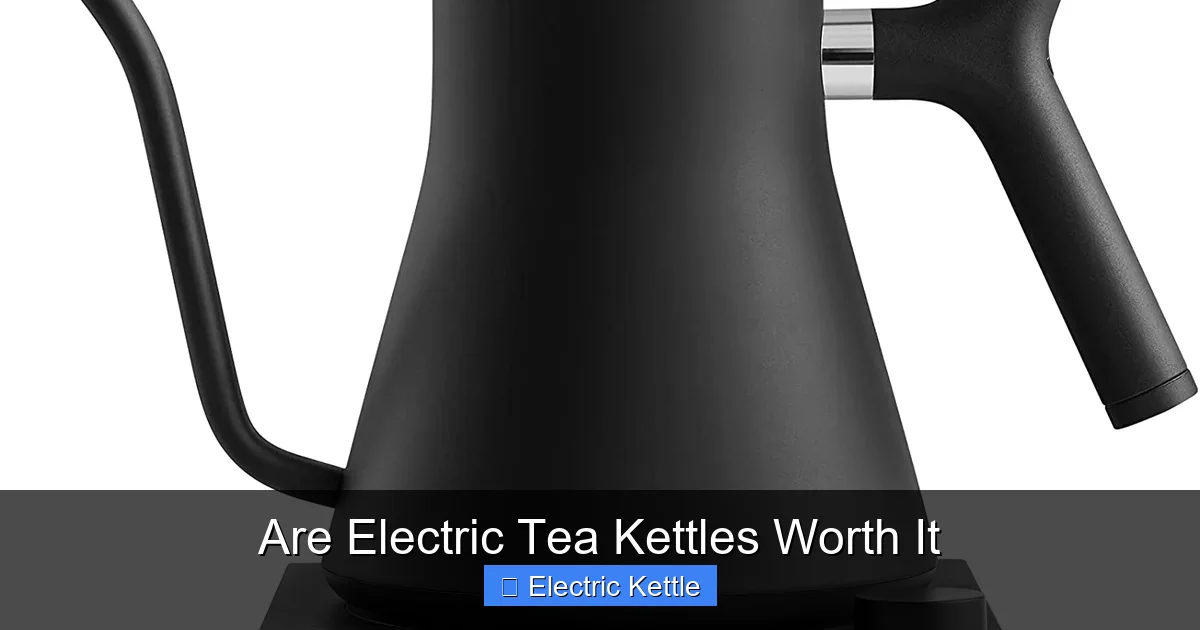
Visual guide about Are Electric Tea Kettles Worth It
Image source: iheartbritain.com
Electric tea kettles are designed to heat water quickly and efficiently using built-in heating elements. Unlike stovetop kettles that rely on an external heat source—like a gas flame or electric burner—electric kettles have a heating coil or plate located at the base of the unit. When you plug in the kettle and press the power button, electricity flows through this heating element, rapidly warming the water inside.
One of the key advantages of this design is direct heat transfer. Because the heating element is submerged or in direct contact with the water, there’s minimal energy loss. This means more of the electricity you’re using goes directly into heating the water, rather than being wasted on heating the surrounding air or the stove. As a result, electric kettles can boil water up to 50% faster than stovetop models, depending on the wattage and capacity.
Most electric kettles also feature automatic shut-off mechanisms. Once the water reaches boiling point (or a preset temperature), the kettle detects the change in steam or temperature and turns itself off. This not only prevents over-boiling but also enhances safety by reducing the risk of dry boiling or overheating. Some advanced models even include a keep-warm function that maintains the water at an ideal drinking temperature for up to an hour after boiling.
Another innovation in modern electric kettles is variable temperature control. Unlike stovetop kettles that only boil water to 212°F (100°C), many electric models allow you to select specific temperatures—such as 160°F for green tea or 185°F for white tea. This precision ensures that delicate teas aren’t scorched by excessive heat, preserving their flavor and aroma. For coffee lovers, some kettles even have settings optimized for pour-over or French press brewing.
In short, electric tea kettles combine speed, safety, and smart technology to deliver a superior boiling experience. Whether you’re making a quick cup of tea or preparing water for cooking, these appliances are engineered to make the process faster, easier, and more reliable.
Speed and Efficiency: Why Electric Kettles Boil Faster
One of the most compelling reasons to consider an electric tea kettle is speed. If you’ve ever timed how long it takes to boil water on the stove, you know it can feel like an eternity—especially when you’re in a hurry. Electric kettles, on the other hand, are built for speed. Most models can bring a full liter of water to a boil in just 3 to 5 minutes, depending on the wattage and starting temperature of the water.
To put this into perspective, a typical stovetop kettle might take 6 to 10 minutes to boil the same amount of water. That’s a significant difference, especially if you’re making multiple cups throughout the day. For busy professionals, parents, or students, saving even a few minutes each time can add up to hours over the course of a month.
But speed isn’t the only benefit—efficiency plays a big role too. Electric kettles are generally more energy-efficient than stovetop kettles because they convert more of the electrical energy into heat. According to studies by the U.S. Department of Energy, electric kettles can be up to 80% efficient, compared to about 30–40% for gas stoves and 70% for electric stovetops. This means less wasted energy and lower utility bills over time.
Let’s break it down with a real-world example. Suppose you boil water twice a day—once in the morning for coffee and once in the evening for tea. If your electric kettle uses 1500 watts and takes 4 minutes to boil a liter of water, it consumes about 0.1 kilowatt-hours (kWh) per use. At an average electricity rate of $0.13 per kWh, that’s just $0.013 per boil. Over a year, that’s less than $10 in electricity costs. Meanwhile, a gas stove might use more energy and take longer, costing more in the long run.
Another efficiency advantage is the ability to boil only the amount of water you need. Many electric kettles have clear water-level markings, allowing you to fill them with just enough water for one or two cups. This prevents wasting energy on heating excess water—something that’s harder to do with a stovetop kettle, which often requires filling it to at least half capacity to work efficiently.
In addition, some high-end electric kettles come with insulated walls or double-wall construction, which helps retain heat and reduces the need to reboil water. This is especially useful if you’re making multiple beverages in a short period. Instead of waiting for the kettle to reheat, you can pour and go, knowing the water will stay hot longer.
So, if you value your time and want to reduce energy consumption, an electric tea kettle is a smart upgrade. The combination of faster boiling times and higher efficiency makes it a practical choice for modern kitchens.
Precision and Versatility: Temperature Control for Every Brew
One of the standout features that sets electric tea kettles apart from their stovetop counterparts is precision temperature control. While traditional kettles only boil water to a single temperature—212°F (100°C)—many electric models offer multiple preset settings tailored to different types of beverages. This level of control is a game-changer for tea and coffee lovers who understand that not all drinks require the same water temperature.
For example, green tea is best brewed at around 160°F to 180°F. If you pour boiling water directly onto green tea leaves, you risk scorching them, which can result in a bitter, unpleasant taste. Similarly, white tea and oolong tea require slightly lower temperatures than black tea, which can handle near-boiling water. With an electric kettle that offers variable temperature settings, you can select the perfect heat level for each type of tea, ensuring optimal flavor extraction and aroma.
Coffee enthusiasts also benefit from this precision. Pour-over coffee, for instance, is best made with water between 195°F and 205°F. If the water is too hot, it can over-extract the coffee, leading to bitterness. If it’s too cool, the coffee may taste weak or underdeveloped. Some electric kettles even have a “coffee” setting that automatically heats water to this ideal range, making it easier than ever to brew a perfect cup at home.
Beyond tea and coffee, temperature control is useful for other kitchen tasks. Need hot water for instant oatmeal, noodles, or baby formula? An electric kettle lets you heat water to the exact temperature needed—no guessing, no overheating. This is especially helpful for parents who need to prepare formula at a safe, consistent temperature.
Many modern electric kettles also include a keep-warm function, which maintains the water at your selected temperature for up to an hour. This is incredibly convenient if you’re brewing multiple cups or preparing a meal that requires hot water at different stages. Instead of reheating the kettle each time, you can pour as needed and enjoy perfectly heated water on demand.
Some high-end models even come with LED displays or digital interfaces that show the current water temperature in real time. This allows for even greater precision, especially when experimenting with new recipes or brewing techniques. For serious tea drinkers or home baristas, this level of control can elevate the entire experience.
In short, the ability to control water temperature transforms an electric kettle from a simple appliance into a versatile kitchen tool. Whether you’re steeping a delicate white tea or crafting a pour-over coffee, having the right temperature at your fingertips makes all the difference.
Safety Features That Make a Difference
When it comes to kitchen appliances, safety should always be a top priority—and electric tea kettles excel in this area. Unlike stovetop kettles, which require constant monitoring and can pose risks if left unattended, electric kettles are designed with multiple safety mechanisms to prevent accidents and give users peace of mind.
One of the most important safety features is automatic shut-off. Once the water reaches the desired temperature—whether it’s boiling or a lower preset—the kettle automatically turns off. This prevents over-boiling, which can lead to steam burns, water spillage, or even damage to the appliance. It also eliminates the risk of forgetting the kettle on the stove, a common cause of kitchen fires.
Another critical feature is boil-dry protection. If you accidentally turn on the kettle without water inside, the heating element will detect the lack of water and shut off immediately. This prevents the kettle from overheating, which could damage the unit or create a fire hazard. This feature is especially valuable for busy households where distractions are common.
Many electric kettles also have cool-touch exteriors, meaning the outer body remains relatively cool even when the water inside is boiling. This reduces the risk of burns when handling the kettle, particularly important if you have children or elderly family members at home. Some models even feature heat-resistant handles and lids that stay cool to the touch.
Cordless designs add another layer of safety and convenience. With a detachable base, you can lift the kettle off the power source to pour, minimizing the risk of tripping over cords or accidentally pulling the kettle off the counter. The base itself is usually designed with non-slip feet to keep it stable during use.
Additionally, many electric kettles are made from BPA-free materials, ensuring that no harmful chemicals leach into your water during heating. This is especially important for health-conscious consumers who want to avoid plastic contaminants.
Some advanced models go a step further with features like child locks, which prevent accidental activation, and steam guards that direct steam away from the user when pouring. These small but thoughtful details make electric kettles a safer choice for families and individuals alike.
In summary, the built-in safety features of electric tea kettles make them a reliable and worry-free option for daily use. Whether you’re a busy parent, a forgetful coffee drinker, or just someone who values safety in the kitchen, these appliances offer peace of mind with every pour.
Cost, Durability, and Long-Term Value
When deciding whether electric tea kettles are worth it, cost is often the first consideration. While it’s true that electric kettles typically have a higher upfront price than stovetop models—ranging from $30 to $150 depending on features and brand—the long-term value they offer makes them a worthwhile investment for many households.
Let’s start with durability. High-quality electric kettles are built to last. Models made from stainless steel or heat-resistant borosilicate glass are resistant to rust, stains, and odors, ensuring they stay in good condition for years. Many brands also offer warranties ranging from one to three years, reflecting confidence in their product’s longevity. In contrast, stovetop kettles—especially those made from thin metal—can dent, warp, or develop leaks over time, requiring replacement sooner.
Maintenance is another factor that affects long-term value. Electric kettles are generally easy to clean. Most have wide openings that allow you to reach inside with a sponge or brush, and many are dishwasher-safe (at least the removable parts). Some models even have concealed heating elements, which reduce mineral buildup and make descaling easier. Regular cleaning with vinegar or a descaling solution can keep your kettle running efficiently for years.
When it comes to cost savings, electric kettles shine in energy efficiency. As mentioned earlier, they use less electricity than stovetops to boil the same amount of water. Over time, this can lead to noticeable savings on your utility bill—especially if you boil water multiple times a day. Additionally, because electric kettles boil water faster, they reduce the time your appliances are running, further cutting energy use.
There’s also the value of convenience. Think about how much time you spend waiting for water to boil on the stove. Multiply that by the number of times you make tea, coffee, or instant meals each week. Over a year, those minutes add up. An electric kettle saves you time, reduces frustration, and makes your kitchen routine smoother. For many people, that convenience is priceless.
Finally, consider the versatility. An electric kettle isn’t just for tea—it’s useful for making coffee, instant soups, oatmeal, pasta, and even sterilizing baby bottles. This multi-functionality means you’re getting more use out of a single appliance, reducing the need for additional gadgets in your kitchen.
In conclusion, while the initial cost of an electric tea kettle may seem high, the combination of durability, energy savings, low maintenance, and added convenience makes it a smart long-term investment. For regular users, the benefits far outweigh the price.
Who Should Buy an Electric Tea Kettle?
Not everyone needs an electric tea kettle, but for certain lifestyles and habits, it’s almost essential. So, who should consider making the switch?
First and foremost, tea lovers will benefit the most. If you enjoy different types of tea—green, white, oolong, black, or herbal—an electric kettle with temperature control allows you to brew each variety at its ideal temperature. This ensures the best flavor and prevents bitterness, enhancing your overall tea experience.
Coffee enthusiasts are another group that can gain a lot from an electric kettle. Pour-over, French press, and AeroPress methods all require precise water temperatures. An electric kettle with a gooseneck spout and variable settings makes it easier to achieve café-quality coffee at home.
Busy professionals and students will appreciate the speed and convenience. If you’re rushing out the door in the morning or need a quick caffeine fix between classes, an electric kettle can boil water in minutes—no waiting, no hassle.
Families with children or elderly members will value the safety features. Auto shut-off, cool-touch exteriors, and boil-dry protection reduce the risk of accidents, making electric kettles a safer choice for households with little ones or older adults.
People living in small spaces—like dorm rooms or apartments without full kitchens—also benefit. Electric kettles are compact, portable, and don’t require a stove, making them ideal for limited counter space or shared living environments.
Finally, anyone who values energy efficiency and sustainability should consider an electric kettle. By using less energy and boiling only the water you need, you’re reducing your environmental footprint while saving money on utilities.
In short, if you boil water more than once a day, care about flavor and precision, or simply want a safer, faster way to make hot beverages, an electric tea kettle is likely worth it for you.
Final Verdict: Are Electric Tea Kettles Worth It?
After exploring the speed, efficiency, precision, safety, and long-term value of electric tea kettles, the answer is clear: for most people, they are absolutely worth it. While the upfront cost may be higher than a basic stovetop kettle, the benefits far outweigh the price—especially for regular users.
Electric kettles save time, reduce energy consumption, and offer features that enhance both safety and flavor. Whether you’re a tea connoisseur, a coffee lover, or just someone who enjoys a hot drink, an electric kettle can simplify your routine and improve your experience. The ability to control temperature, boil water quickly, and operate safely makes these appliances a smart addition to any kitchen.
Of course, if you only boil water occasionally or live in a place with limited electricity access, a stovetop kettle may still suffice. But for the majority of households, the convenience and performance of an electric tea kettle make it a worthwhile investment.
So, are electric tea kettles worth it? If you value your time, care about quality, and want a safer, more efficient way to boil water, the answer is a resounding yes.
Frequently Asked Questions
Are electric tea kettles more energy-efficient than stovetop kettles?
Yes, electric kettles are generally more energy-efficient because they convert more electricity into heat with less waste. They also allow you to boil only the water you need, reducing energy use.
Can I use an electric kettle for coffee?
Absolutely. Many electric kettles have temperature settings ideal for pour-over, French press, and other coffee methods, helping you brew a better cup at home.
Do electric kettles use a lot of electricity?
No, they use about 0.1 kWh per boil, which costs just a few cents. Over time, this is often less than using a gas or electric stove.
How long do electric kettles last?
With proper care, a high-quality electric kettle can last 5 to 10 years. Regular descaling and avoiding dry boiling help extend its lifespan.
Are electric kettles safe to leave unattended?
Yes, most have auto shut-off and boil-dry protection, making them safe to use without constant monitoring. However, it’s still best to stay nearby when in use.
Can I boil milk or other liquids in an electric kettle?
It’s not recommended. Most electric kettles are designed for water only. Boiling milk or sugary liquids can damage the heating element and void the warranty.