Electric water kettles are generally safe when used properly and maintained well. Most modern models include built-in safety features like auto shut-off and boil-dry protection. Choosing high-quality materials and following manufacturer guidelines ensures safe, efficient performance for years.
Key Takeaways
- Electric kettles are safe when made with food-grade materials: Look for stainless steel, BPA-free plastic, or glass interiors to avoid harmful chemical leaching.
- Auto shut-off and boil-dry protection prevent accidents: These features stop the kettle if it overheats or runs dry, reducing fire and burn risks.
- Regular cleaning prevents mineral buildup and bacteria: Descaling monthly and wiping surfaces keeps your kettle hygienic and efficient.
- Proper usage and placement matter: Always place the kettle on a stable, heat-resistant surface and avoid overfilling.
- Certifications like UL, ETL, or CE ensure safety compliance: These marks confirm the kettle meets electrical and safety standards.
- Older or damaged kettles pose higher risks: Frayed cords, cracked bodies, or malfunctioning switches should be replaced immediately.
- Children should be supervised around electric kettles: The hot surface and steam can cause burns, so keep them away during use.
📑 Table of Contents
- Are Electric Water Kettles Safe? A Comprehensive Guide
- How Electric Kettles Work and Why Safety Matters
- Materials Matter: What Your Kettle Is Made Of
- Built-In Safety Features That Protect You
- Proper Use and Maintenance for Long-Term Safety
- Red Flags: When to Replace Your Electric Kettle
- Conclusion: Safe, Smart, and Stress-Free Boiling
Are Electric Water Kettles Safe? A Comprehensive Guide
If you’ve ever wondered, “Are electric water kettles safe?” you’re not alone. With more people switching from stovetop kettles to electric models for their speed and convenience, safety concerns naturally come up. After all, you’re dealing with electricity, water, and high heat—three elements that don’t usually mix well. But the good news is that modern electric kettles are designed with safety in mind. When used correctly and maintained properly, they’re not only safe but also incredibly reliable.
Electric kettles have become a kitchen staple in homes around the world. Whether you’re brewing tea, making instant coffee, or preparing oatmeal, they offer a quick and energy-efficient way to boil water. But like any appliance that uses electricity and generates heat, there are potential risks—especially if the kettle is old, damaged, or used improperly. The key to safe use lies in understanding how these devices work, what safety features to look for, and how to care for your kettle over time.
In this guide, we’ll dive deep into the safety aspects of electric water kettles. We’ll explore the materials they’re made from, the built-in safety mechanisms, and the best practices for daily use. You’ll also learn how to spot red flags and when it’s time to replace your kettle. By the end, you’ll have all the information you need to use your electric kettle with confidence—knowing it’s not just convenient, but safe too.
How Electric Kettles Work and Why Safety Matters
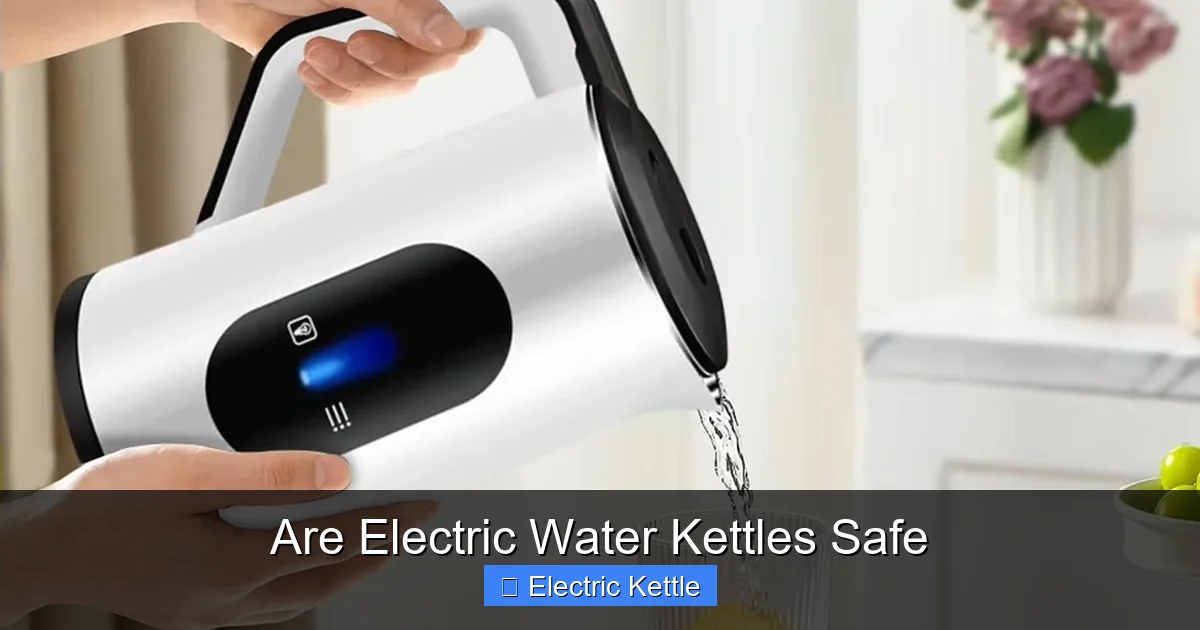
Visual guide about Are Electric Water Kettles Safe
Image source: bestbuypick.com
To understand whether electric water kettles are safe, it helps to know how they work. At their core, electric kettles are simple devices. They consist of a heating element—usually located at the base—that warms up when electricity flows through it. This heat is transferred directly to the water inside the kettle, bringing it to a boil quickly and efficiently.
Most electric kettles also include a thermostat, which monitors the water temperature. Once the water reaches boiling point (around 212°F or 100°C), the thermostat triggers an automatic shut-off mechanism. This prevents the kettle from continuing to heat dry, which could damage the unit or create a fire hazard. Some advanced models even have variable temperature settings, allowing you to heat water to specific temperatures for different types of tea or coffee.
But here’s where safety comes into play: if the thermostat fails, or if the kettle is used without water, the heating element can overheat. That’s why modern kettles are equipped with multiple layers of protection. These include thermal fuses, boil-dry protection, and insulated handles. Without these features, the risks of burns, electrical shocks, or even fires increase significantly.
Another reason safety matters is the materials used in construction. If your kettle has a plastic interior or lid made from low-quality materials, harmful chemicals like BPA could leach into your water—especially when heated. That’s why it’s crucial to choose kettles made from food-safe, non-reactive materials like stainless steel or borosilicate glass.
In short, electric kettles are safe because of smart engineering and thoughtful design. But like any appliance, they’re only as safe as the care you give them. Regular maintenance, proper usage, and awareness of potential hazards go a long way in ensuring your kettle remains a safe and reliable part of your daily routine.
Materials Matter: What Your Kettle Is Made Of
One of the most important factors in determining whether an electric water kettle is safe is the material it’s made from. The interior, in particular, comes into direct contact with water and heat, so it must be non-toxic, durable, and resistant to corrosion. Let’s break down the most common materials and what you need to know about each.
Stainless Steel
Stainless steel is one of the safest and most popular materials for electric kettles. It’s non-reactive, meaning it won’t leach chemicals into your water, even when heated to high temperatures. High-quality stainless steel kettles (look for 304 or 18/8 grade) are also resistant to rust and staining, making them long-lasting and easy to clean.
One advantage of stainless steel is that it heats up quickly and retains heat well. Many models also feature a concealed heating element, which reduces mineral buildup and makes cleaning easier. Just be sure the exterior handle and lid are heat-resistant and stay cool to the touch during use.
Glass
Glass kettles offer a sleek, modern look and allow you to see the water boiling—a fun and functional feature. Borosilicate glass, the type used in high-quality kettles, is heat-resistant and won’t crack under rapid temperature changes. Like stainless steel, glass is non-reactive and doesn’t impart any flavors or odors to your water.
However, glass kettles can be more fragile than metal ones, so they require careful handling. They’re also typically more expensive and may not retain heat as well after boiling. Still, for those who prioritize purity and aesthetics, glass is an excellent safe choice.
Plastic
Plastic kettles are lightweight and often more affordable, but they come with significant safety concerns. Low-quality plastics may contain BPA or other harmful chemicals that can leach into water when heated. Even BPA-free plastics can release other potentially toxic substances under high heat.
If you do choose a plastic kettle, make sure it’s labeled as food-grade and BPA-free. Better yet, opt for models where only the exterior is plastic, and the interior is lined with stainless steel or glass. This gives you the lightweight convenience of plastic without compromising safety.
Non-Stick Coatings
Some budget kettles feature non-stick interiors to prevent mineral buildup. While this sounds convenient, non-stick coatings like Teflon can degrade over time, especially when scratched or overheated. Damaged coatings may release fumes or particles that are unsafe to ingest.
For this reason, it’s best to avoid kettles with non-stick interiors. Instead, choose models with smooth, easy-to-clean surfaces like stainless steel or glass, and descale regularly to prevent limescale.
Tips for Choosing Safe Materials
When shopping for an electric kettle, always check the product description for material details. Look for certifications like FDA approval for food contact or NSF certification for safety. Avoid kettles with vague labeling like “high-grade plastic” without specifics.
Also, consider the kettle’s design. A fully enclosed heating element reduces the risk of mineral buildup and makes cleaning safer. And if you’re concerned about taste, stainless steel and glass are your best bets—they won’t alter the flavor of your water.
In summary, the material of your electric kettle plays a huge role in its safety. Stainless steel and glass are the top choices for health and durability, while plastic and non-stick coatings come with more risks. By choosing wisely, you can enjoy safe, great-tasting water every time you boil.
Built-In Safety Features That Protect You
Modern electric kettles are packed with safety features designed to prevent accidents and extend the life of the appliance. These aren’t just marketing gimmicks—they’re essential protections that make using your kettle worry-free. Let’s look at the most important ones and how they work.
Auto Shut-Off
This is perhaps the most critical safety feature in any electric kettle. Once the water reaches boiling point, the thermostat detects the temperature and automatically cuts off the power. This prevents the kettle from continuing to heat, which could lead to overheating, damage, or even a fire.
Auto shut-off also saves energy. Without it, the kettle would keep drawing electricity long after the water has boiled, wasting power and increasing your utility bill. Most kettles shut off within seconds of reaching boiling temperature, so you don’t have to stand by and monitor them.
Boil-Dry Protection
Boil-dry protection is a lifesaver—literally. If you accidentally turn on the kettle without water, or if all the water evaporates before boiling, this feature detects the lack of liquid and shuts off the heating element. This prevents the element from burning out and reduces the risk of fire or electrical damage.
Some kettles go a step further by including a thermal fuse that permanently cuts power if the temperature exceeds safe limits. This is a one-time safety measure, but it’s highly effective in preventing catastrophic failure.
Cool-Touch Exterior and Handle
Many kettles are designed with insulated bodies and handles that stay cool even when the water inside is boiling. This reduces the risk of burns when pouring or carrying the kettle. Look for models with ergonomic, heat-resistant handles and wide bases for stability.
Some premium kettles also feature double-wall construction, which keeps the exterior cool and improves heat retention. This is especially useful if you have children or pets in the home.
Overheat Protection
In addition to auto shut-off, many kettles include overheat protection circuits. These monitor the internal temperature and cut power if it rises too high—even if the thermostat fails. This redundant safety layer adds peace of mind, especially in older or lower-quality models.
Stable Base and Cordless Design
A stable, non-slip base prevents the kettle from tipping over, which could cause spills, burns, or electrical hazards. Cordless kettles, which sit on a separate power base, are even safer because there’s no cord near the hot water. This design also makes pouring easier and reduces clutter on your countertop.
LED Indicators and Alerts
Some kettles include LED lights that show when the kettle is on, heating, or ready. Others have audible alerts or digital displays. While not directly safety features, these indicators help prevent accidents by reminding you when the kettle is active.
Why These Features Matter
Imagine forgetting to add water before turning on your kettle. Without boil-dry protection, the heating element could overheat in minutes, damaging the unit or starting a fire. Or picture picking up a kettle with a hot handle—without cool-touch design, you could easily get burned.
These features aren’t just convenient—they’re essential for safe operation. When shopping for a kettle, always check the product specs for these safety mechanisms. A kettle without auto shut-off or boil-dry protection is not worth the risk, no matter how cheap it is.
In short, the best electric kettles are those that think ahead—protecting you from mistakes, malfunctions, and accidents. With these built-in safeguards, you can boil water confidently, knowing your kettle has your back.
Proper Use and Maintenance for Long-Term Safety
Even the safest electric kettle can become a hazard if it’s used improperly or neglected over time. Safe operation isn’t just about the features—it’s also about how you use and care for your appliance. Follow these best practices to keep your kettle safe and functioning well for years.
How to Use Your Kettle Safely
Always place your kettle on a flat, heat-resistant surface away from edges. Never operate it near flammable materials like paper towels or curtains. Make sure the power cord is untangled and not draped over the stove or sink.
Only fill the kettle with the recommended amount of water—never below the minimum or above the maximum line. Overfilling can cause boiling water to spill out, leading to burns or electrical shorts. Underfilling risks activating the heating element without enough water, which can trigger boil-dry protection or damage the unit.
Use the kettle only for its intended purpose: heating water. Don’t use it to cook food, sterilize items, or heat other liquids like milk or soup unless the manufacturer specifically allows it. These substances can leave residues, clog the spout, or damage the interior.
Always unplug the kettle when not in use, especially if you’re leaving the house or going to bed. This reduces the risk of electrical faults or accidental activation.
Cleaning and Descaling
Mineral buildup from hard water is one of the biggest threats to your kettle’s safety and performance. Over time, limescale can insulate the heating element, causing it to overheat and fail. It can also harbor bacteria and affect the taste of your water.
To prevent this, descale your kettle regularly—ideally once a month if you have hard water, or every two to three months otherwise. Use a mixture of equal parts white vinegar and water. Fill the kettle, let it sit for an hour, then boil the solution and let it cool. Pour it out, rinse thoroughly, and boil fresh water once or twice to remove any vinegar taste.
For stubborn buildup, use a commercial descaling solution designed for kettles. Avoid abrasive scrubbers or steel wool, which can scratch the interior and damage non-stick coatings.
Wipe the exterior with a damp cloth and mild detergent. Never submerge the base or power cord in water—only the removable kettle portion should be washed.
Inspecting for Damage
Regularly check your kettle for signs of wear and tear. Look for cracks in the body, frayed cords, loose handles, or discolored heating elements. If the kettle makes unusual noises, smells burnt, or fails to shut off automatically, stop using it immediately.
Even small cracks can allow water to seep into electrical components, creating a shock hazard. A damaged cord can expose wires, increasing the risk of electrocution or fire.
If you notice any issues, unplug the kettle and contact the manufacturer or a qualified technician. Don’t attempt to repair it yourself unless you’re trained.
Storing Your Kettle
When not in use, store your kettle in a dry, cool place. Keep it away from moisture and direct sunlight. If you’re storing it for a long time, make sure it’s completely dry to prevent mold or corrosion.
Avoid stacking heavy items on top of the kettle, which could crack the body or damage the lid.
Teaching Kids About Kettle Safety
If you have children, teach them early about the dangers of hot appliances. Keep the kettle out of reach when in use, and never let young children operate it unsupervised. Use the cool-touch handle as a teaching tool—show them how it stays safe to touch even when the water is boiling.
Consider using a kettle with a child-lock feature or a lid that requires pressing to open, reducing the risk of accidental spills.
By following these simple steps, you’ll not only keep your kettle safe but also extend its lifespan and maintain its efficiency. A well-cared-for kettle is a safe kettle.
Red Flags: When to Replace Your Electric Kettle
No appliance lasts forever, and electric kettles are no exception. Even with proper care, wear and tear will eventually take their toll. Knowing when to replace your kettle is crucial for safety. Here are the top warning signs that it’s time for an upgrade.
Frequent Malfunctions
If your kettle starts failing to turn on, shutting off too early, or not heating properly, it may be nearing the end of its life. These issues can stem from a failing thermostat, damaged heating element, or faulty wiring. Continuing to use a malfunctioning kettle increases the risk of electrical faults or fires.
Visible Damage
Cracks, dents, or warping in the body can compromise the kettle’s integrity. A cracked interior may allow water to seep into electrical parts, creating a shock hazard. A warped base might not sit properly on the power dock, causing poor contact or overheating.
Frayed or Damaged Cord
The power cord is one of the most vulnerable parts of any electric appliance. If you notice fraying, exposed wires, or loose connections, stop using the kettle immediately. A damaged cord can cause short circuits, electrocution, or fires.
Persistent Odors or Tastes
If your water consistently tastes metallic, plasticky, or off—even after cleaning—it could mean the interior materials are degrading. This is especially common in older plastic kettles or those with damaged coatings. Don’t ignore this sign; it could indicate chemical leaching.
Overheating or Smoke
If your kettle gets excessively hot on the outside, emits smoke, or gives off a burning smell, unplug it right away. These are serious signs of electrical or mechanical failure. Continuing to use it could result in fire or injury.
Age of the Kettle
Most electric kettles last between 3 to 5 years with regular use. If yours is older than that and showing any of the above signs, it’s time to replace it. Even if it still works, older models may lack modern safety features and are more prone to failure.
What to Do When Replacing
When buying a new kettle, look for one with strong safety certifications, high-quality materials, and positive user reviews. Consider upgrading to a model with advanced features like variable temperature control or a keep-warm function.
Recycle your old kettle responsibly. Many manufacturers and retailers offer take-back programs, or you can check with local e-waste recycling centers.
Replacing your kettle before it becomes a hazard is a smart, proactive step. It ensures you’re always using a safe, efficient appliance—protecting both your health and your home.
Conclusion: Safe, Smart, and Stress-Free Boiling
So, are electric water kettles safe? The answer is a resounding yes—when you choose the right model, use it correctly, and maintain it properly. Modern electric kettles are engineered with multiple layers of protection, from auto shut-off to boil-dry sensors, making them far safer than their stovetop counterparts in many ways.
The key to safety lies in awareness. Choose kettles made from food-grade stainless steel or glass, avoid low-quality plastics, and always look for trusted safety certifications. Use your kettle as intended, keep it clean, and replace it when signs of wear appear. With these habits, you’ll enjoy fast, convenient boiling without the risks.
Electric kettles aren’t just about speed—they’re about peace of mind. Knowing your appliance is designed to protect you allows you to focus on what matters: a perfect cup of tea, a quick meal, or simply starting your day right. So go ahead, boil with confidence. Your safe, reliable kettle is ready when you are.
Frequently Asked Questions
Can electric kettles cause cancer?
No, there is no scientific evidence that electric kettles cause cancer. As long as they’re made with food-safe materials like stainless steel or glass and used properly, they do not release harmful substances into water.
Is it safe to leave an electric kettle plugged in?
It’s generally safe to leave an electric kettle plugged in, but it’s best to unplug it when not in use. This reduces the risk of electrical faults and saves energy, especially if the kettle doesn’t have a standby mode.
Do electric kettles use a lot of electricity?
Electric kettles are actually energy-efficient. They heat water faster and use less energy than stovetop kettles or microwaves, especially when you only boil the amount of water you need.
Can I put milk or other liquids in an electric kettle?
It’s not recommended unless the manufacturer specifically allows it. Milk and sugary liquids can burn, leave sticky residues, and damage the heating element or interior surface.
How often should I clean my electric kettle?
Clean the exterior weekly and descale the interior monthly if you have hard water, or every 2–3 months otherwise. Regular cleaning prevents mineral buildup and keeps your water tasting fresh.
Are cordless electric kettles safer?
Yes, cordless kettles are generally safer because the power base stays away from water and heat. This reduces the risk of electrical hazards and makes pouring easier and more stable.