Glass electric kettles offer a stylish, transparent way to boil water while allowing you to monitor the heating process. They’re great for aesthetics and taste purity but require extra care due to fragility and potential mineral buildup.
Key Takeaways
- Transparent Design: Glass kettles let you see water boiling, adding a visual appeal and helping you monitor cleanliness.
- No Metallic Taste: Unlike some metal kettles, high-quality glass models don’t impart flavors, ensuring pure-tasting water for tea and coffee.
- Fragile Construction: Glass is more prone to cracking or shattering if dropped or exposed to sudden temperature changes.
- Easy to Clean: Smooth glass surfaces resist staining and are simple to wipe down, though limescale can build up over time.
- Heat Retention: Glass doesn’t retain heat as well as stainless steel, so water cools faster after boiling.
- Energy Efficient: Most glass electric kettles heat water quickly, saving time and electricity compared to stovetop methods.
- Modern Aesthetic: Their sleek, minimalist look fits well in contemporary kitchens and complements other appliances.
📑 Table of Contents
- Are Glass Electric Kettles Any Good? A Honest Look at Pros, Cons, and Performance
- What Makes Glass Electric Kettles Stand Out?
- Performance and Efficiency: How Do Glass Kettles Compare?
- Durability and Safety Concerns
- Taste and Health: Does Glass Affect Water Quality?
- Cleaning and Maintenance Tips for Glass Kettles
- Glass vs. Other Materials: Which Is Best?
- Top Uses and Who Should Buy a Glass Kettle
- Final Verdict: Are Glass Electric Kettles Worth It?
Are Glass Electric Kettles Any Good? A Honest Look at Pros, Cons, and Performance
If you’ve ever stood in the kitchen aisle staring at rows of electric kettles, wondering which one to pick, you’re not alone. With so many materials—stainless steel, plastic, ceramic, and glass—it’s easy to feel overwhelmed. But lately, glass electric kettles have been gaining popularity, thanks to their sleek design and transparent appeal. But the big question remains: are glass electric kettles any good?
At first glance, they look stunning. The clear body lets you watch water bubble and steam rise, turning a simple task like boiling water into a mini science experiment. It’s mesmerizing, especially if you’re making tea or coffee and want to see exactly when it’s ready. But beauty isn’t everything. You need a kettle that’s durable, efficient, and safe. So, do glass kettles deliver on function as well as form?
In this guide, we’ll dive deep into what makes glass electric kettles tick. We’ll explore their advantages, uncover their drawbacks, compare them to other materials, and help you decide whether a glass kettle is the right fit for your kitchen. Whether you’re a tea enthusiast, a coffee connoisseur, or just someone who wants hot water fast, this article will give you the real scoop—no marketing fluff, just honest insights.
What Makes Glass Electric Kettles Stand Out?
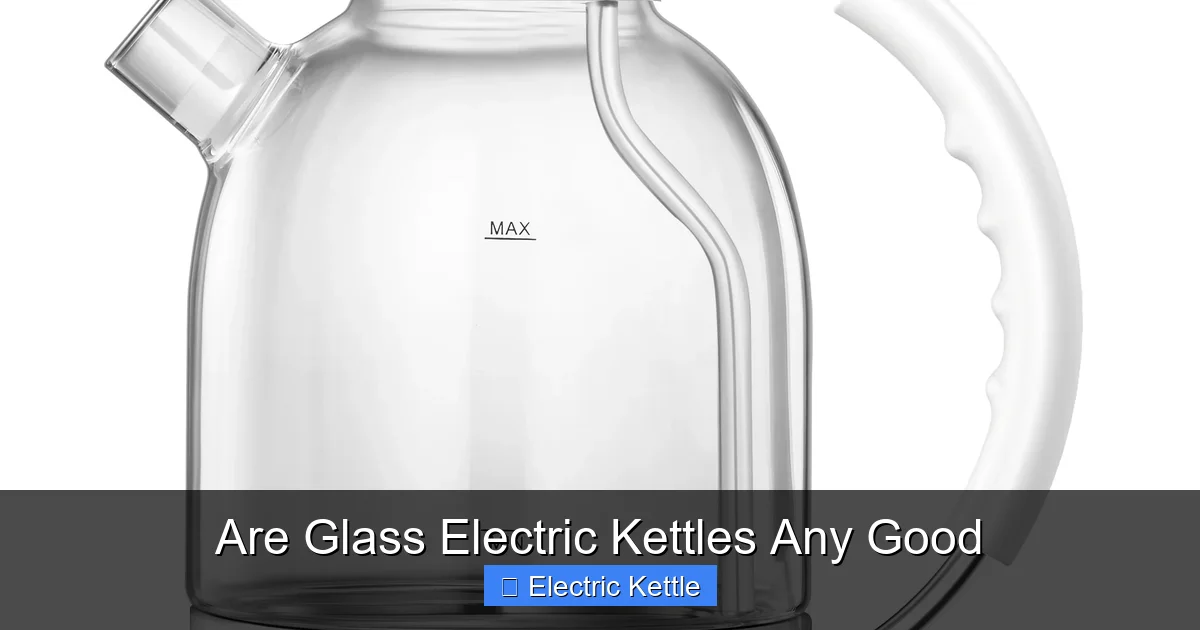
Visual guide about Are Glass Electric Kettles Any Good
Image source: ascot-home.com
Glass electric kettles aren’t just about looks—though they definitely win points for style. Their transparent design offers several practical benefits that go beyond aesthetics. One of the biggest advantages is visibility. Unlike opaque kettles, you can see exactly how much water is inside, how clean the interior is, and when the water reaches a rolling boil. This is especially helpful if you’re brewing delicate teas that require precise temperatures or if you want to avoid overfilling.
Another standout feature is taste purity. High-quality borosilicate glass—the kind used in most premium glass kettles—doesn’t react with water or release any odors. This means your water stays clean and flavor-free, which is a big deal if you’re sensitive to metallic or plastic tastes. For example, if you’ve ever noticed a slight “tinny” flavor in your tea from a stainless steel kettle, switching to glass could make a noticeable difference.
Visual Appeal and Kitchen Aesthetics
Let’s be honest—kitchen appliances are part of your home’s decor. A glass electric kettle can be a statement piece. Its clean lines and see-through body give it a modern, minimalist vibe that fits well in contemporary kitchens. Some models even come with LED lighting that illuminates the water as it heats, adding a touch of elegance and making it easier to use in low-light conditions.
Imagine waking up on a chilly morning, flipping the switch on your glass kettle, and watching the water gradually heat up with a soft blue glow. It’s not just functional—it’s almost therapeutic. For people who enjoy the ritual of making tea or coffee, this visual feedback can enhance the experience.
Material Quality Matters: Borosilicate vs. Regular Glass
Not all glass is created equal. When shopping for a glass electric kettle, look for ones made with borosilicate glass. This type of glass is specially engineered to withstand rapid temperature changes—like going from room temperature to boiling in seconds—without cracking. It’s the same material used in laboratory equipment and high-end bakeware.
Regular soda-lime glass, on the other hand, is more prone to thermal shock. If you pour cold water into a hot kettle or place it on a cold surface right after boiling, it could shatter. Borosilicate glass reduces this risk significantly, making it the safer and more durable choice for electric kettles.
Performance and Efficiency: How Do Glass Kettles Compare?
When it comes to performance, glass electric kettles hold their own against other materials. Most models heat water quickly, often in under five minutes, depending on the capacity and wattage. Many come with variable temperature settings, allowing you to choose the perfect heat level for different beverages. For instance, green tea brews best at around 175°F (80°C), while French press coffee needs near-boiling water at 200°F (93°C).
Heating Speed and Energy Use
Glass kettles typically range from 1200 to 1800 watts, which is standard for electric kettles. Higher wattage means faster boiling, so if speed is a priority, look for a model with at least 1500 watts. In terms of energy efficiency, electric kettles—glass or otherwise—are generally more efficient than stovetop kettles because they heat water directly and lose less heat to the surrounding air.
One study by the Energy Saving Trust found that electric kettles use about 25% less energy than boiling water on a gas stove. So, even though glass doesn’t retain heat as well as metal, the overall energy consumption remains low due to fast heating times.
Temperature Control and Precision
Many modern glass electric kettles come with built-in temperature controls. This is a game-changer for tea lovers. Instead of guessing when the water is ready, you can set the exact temperature and let the kettle do the work. Some models even have keep-warm functions that maintain the water at your desired temperature for up to an hour.
For example, the Breville BKE820XL Smart Kettle is a popular glass model with five preset temperature settings and a digital display. It’s perfect for brewing everything from delicate white tea to robust black coffee. The precision helps extract the best flavors without scalding the leaves or grounds.
Durability and Safety Concerns
Now, let’s talk about the elephant in the room: glass breaks. While borosilicate glass is more resilient than regular glass, it’s still not as tough as stainless steel. Dropping a glass kettle—even from a small height—can result in cracks or shattering. This makes them less ideal for households with young children or busy kitchens where accidents happen.
Thermal Shock Risks
One of the biggest safety concerns with glass kettles is thermal shock. This occurs when glass is exposed to sudden temperature changes. For example, if you boil water and then immediately place the kettle on a cold countertop or pour icy water into it, the glass can crack.
To avoid this, always let the kettle cool down naturally before cleaning or refilling. Avoid placing it directly on cold surfaces right after use. Some manufacturers include silicone sleeves or bases to help insulate the glass and reduce the risk of breakage.
Handling and Maintenance
Glass kettles require a bit more care than their metal counterparts. They’re heavier when full, so lifting them requires a firm grip. The smooth surface can also become slippery when wet, increasing the chance of dropping them.
Cleaning is generally easy—just wipe the exterior with a damp cloth and rinse the interior. However, mineral deposits from hard water can build up over time, leaving cloudy spots or scale on the glass. Regular descaling with vinegar or a commercial cleaner can help maintain clarity and performance.
Taste and Health: Does Glass Affect Water Quality?
One of the strongest arguments for glass electric kettles is their impact on taste and health. Unlike plastic kettles, which can leach chemicals like BPA when heated, glass is inert and non-reactive. This means it won’t alter the flavor of your water or introduce harmful substances.
No Metallic or Plastic Aftertaste
Stainless steel kettles are durable and efficient, but some users report a slight metallic taste, especially with lower-quality models or after prolonged use. Plastic kettles, while lightweight and affordable, are more likely to absorb odors and release microplastics over time.
Glass eliminates these concerns. Because it doesn’t interact with water, your tea, coffee, or instant soup will taste exactly as intended. This is particularly important for high-quality teas and specialty coffees, where even a subtle off-flavor can ruin the experience.
Easy to Monitor Cleanliness
Another health benefit is visibility. Since you can see inside the kettle, it’s easy to spot buildup, residue, or mold. This encourages regular cleaning and reduces the risk of bacterial growth. In contrast, opaque kettles hide what’s going on inside, making it easier to neglect maintenance.
For example, if you notice a film or discoloration in your glass kettle, you can address it immediately. With a metal kettle, you might not realize there’s an issue until your water starts tasting off.
Cleaning and Maintenance Tips for Glass Kettles
Keeping your glass electric kettle in top condition doesn’t have to be complicated. With a few simple habits, you can extend its lifespan and ensure it performs well for years.
Daily Cleaning Routine
After each use, rinse the interior with warm water and wipe the exterior with a soft, damp cloth. Avoid abrasive sponges or harsh chemicals, as they can scratch the glass or damage the heating element. If there’s residue on the heating plate, use a cotton swab dipped in vinegar to gently clean it.
Descaling for Hard Water Areas
If you live in an area with hard water, mineral deposits will build up over time. To descale your kettle, fill it halfway with equal parts water and white vinegar. Let it sit for 30 minutes, then boil the solution. After boiling, let it cool, then rinse thoroughly with clean water. Repeat if necessary.
For a quicker method, use a commercial descaling solution designed for kettles. Always follow the manufacturer’s instructions to avoid damaging the unit.
Preventing Scratches and Cloudiness
Over time, glass can become cloudy due to mineral buildup or soap residue. To prevent this, avoid using dish soap inside the kettle—it’s not necessary and can leave a film. Stick to water and vinegar for cleaning.
Also, be gentle when handling the kettle. Avoid tapping it against hard surfaces or using metal utensils inside, as they can scratch the glass.
Glass vs. Other Materials: Which Is Best?
To truly answer “are glass electric kettles any good?” you need to compare them to the alternatives. Let’s break down how glass stacks up against stainless steel, plastic, and ceramic.
Glass vs. Stainless Steel
Stainless steel kettles are tough, durable, and excellent at retaining heat. They’re less likely to break and often come with advanced features like insulation and cordless designs. However, they can impart a metallic taste, and you can’t see inside to monitor water level or cleanliness.
Glass wins on taste purity and visibility but loses on durability and heat retention. If you prioritize longevity and don’t mind a slight taste difference, stainless steel might be better. If you value flavor and aesthetics, go glass.
Glass vs. Plastic
Plastic kettles are lightweight and inexpensive, but they’re the least healthy option. Heating plastic can release chemicals, and they’re prone to staining and odor retention. Glass is a clear upgrade in terms of safety and taste.
Glass vs. Ceramic
Ceramic kettles are beautiful and retain heat well, but they’re heavy and can chip or crack. They also don’t offer the same level of visibility as glass. If you want to see your water boil, glass is the better choice.
Top Uses and Who Should Buy a Glass Kettle
Glass electric kettles are ideal for certain users and situations. Here’s who might benefit most:
– **Tea and Coffee Enthusiasts:** If you’re serious about brewing, the precise temperature control and pure taste of glass make it a great investment.
– **Health-Conscious Users:** People who avoid plastic or metal in their kitchen will appreciate glass’s non-reactive nature.
– **Design-Focused Homeowners:** If you care about how your appliances look, a glass kettle can be a stylish addition.
– **Small Households:** Glass kettles often come in smaller capacities (1–1.7 liters), making them perfect for individuals or couples.
They’re less ideal for large families, busy kitchens, or anyone who prioritizes durability over aesthetics.
Final Verdict: Are Glass Electric Kettles Worth It?
So, are glass electric kettles any good? The answer is yes—but with caveats. They’re excellent for taste, visibility, and style, making them a top choice for tea lovers and design-savvy users. However, they require careful handling and aren’t as durable as metal alternatives.
If you’re willing to take extra care and prioritize flavor and aesthetics, a high-quality glass electric kettle can be a worthwhile addition to your kitchen. Just make sure to choose a model with borosilicate glass, temperature control, and a good warranty.
In the end, the best kettle is the one that fits your lifestyle. For some, that’s a rugged stainless steel workhorse. For others, it’s a sleek glass beauty that turns boiling water into a moment of calm. If you fall into the latter camp, a glass electric kettle might just be your perfect match.
Frequently Asked Questions
Are glass electric kettles safe to use?
Yes, glass electric kettles are safe when made with high-quality borosilicate glass and used properly. Avoid sudden temperature changes and handle with care to prevent breakage.
Do glass kettles break easily?
Glass kettles are more fragile than metal ones and can crack if dropped or exposed to thermal shock. However, borosilicate glass is designed to resist cracking under normal use.
Can you see limescale in a glass kettle?
Yes, one advantage of glass kettles is that you can easily see mineral buildup, making it simpler to clean and maintain compared to opaque models.
Do glass kettles affect the taste of water?
No, high-quality glass doesn’t react with water or impart any flavors, ensuring pure-tasting water for tea, coffee, and other beverages.
How do you clean a glass electric kettle?
Rinse with water after each use and descale regularly with a vinegar-water solution to remove mineral deposits. Avoid soap and abrasive cleaners.
Are glass kettles energy efficient?
Yes, most glass electric kettles heat water quickly and use less energy than stovetop methods, making them an efficient choice for daily use.