Glass electric kettles are generally safe when made with high-quality borosilicate glass and used properly. While concerns about breakage and chemical leaching exist, modern designs prioritize safety with heat-resistant materials and protective features. This article dives into real user experiences, expert opinions, and practical tips to help you decide if a glass kettle is right for you.
If you’ve ever stood in the kitchen, staring at a row of electric kettles and wondering, “Are glass electric kettles safe?”—you’re not alone. It’s a question that pops up frequently on platforms like Quora, where home cooks, health enthusiasts, and tea lovers share their experiences and concerns. The rise of minimalist, health-conscious kitchens has brought glass appliances into the spotlight, and electric kettles are no exception. But with so many materials on the market—stainless steel, plastic, ceramic—why choose glass? And more importantly, is it truly safe?
Glass electric kettles have gained popularity for their sleek design, transparency, and promise of “pure” boiling. Unlike plastic, they don’t contain BPA or other potentially harmful chemicals. Unlike some metals, they don’t alter the taste of water. But safety isn’t just about what’s not there—it’s also about how the product performs under real-world conditions. Can it handle daily use? Will it break if it falls? Could tiny particles leach into your morning tea? These are the kinds of questions people ask on Quora, and the answers are a mix of personal stories, expert insights, and practical advice.
In this article, we’ll explore everything you need to know about the safety of glass electric kettles. From the science behind borosilicate glass to real user testimonials from Quora, we’ll break down the pros and cons, debunk myths, and give you the tools to make an informed decision. Whether you’re upgrading your kitchen or just curious about the latest trends, this guide will help you understand whether a glass electric kettle is a safe and smart choice for your home.
Key Takeaways
- Glass kettles are safe when made with borosilicate glass: This type of glass resists thermal shock and doesn’t leach chemicals into water, even at high temperatures.
- Breakage is rare but possible: While durable, glass can crack if dropped or exposed to sudden temperature changes—handle with care.
- No metallic taste or contamination: Unlike some plastic or metal kettles, glass doesn’t impart flavors or release harmful substances into boiling water.
- Easy to clean and maintain: Transparent walls let you see buildup, and most models are dishwasher-safe for hassle-free cleaning.
- Look for certifications and quality brands: Choose kettles with BPA-free labels, UL certification, and positive user reviews for added peace of mind.
- User experiences on Quora highlight reliability: Many users report years of safe use with no issues, praising clarity, taste, and design.
- Proper usage extends lifespan: Avoid overheating, use soft water when possible, and never operate the kettle empty to prevent damage.
📑 Table of Contents
- Understanding Glass Electric Kettles: What Makes Them Different?
- Safety Concerns: Debunking Myths and Addressing Real Risks
- Real User Experiences: What Quora Users Say About Safety
- How to Choose a Safe Glass Electric Kettle
- Maintenance and Care: Keeping Your Kettle Safe and Functional
- Conclusion: Are Glass Electric Kettles Safe?
Understanding Glass Electric Kettles: What Makes Them Different?
Glass electric kettles stand out in the crowded appliance market for one simple reason: you can see what’s happening inside. That transparency isn’t just aesthetic—it’s functional. When you boil water, you can watch it bubble, check for mineral buildup, and ensure the heating element is clean. But beyond visibility, the material itself plays a huge role in safety and performance.
Most high-quality glass kettles are made from borosilicate glass, a type of glass invented in the late 19th century and famously used in laboratory equipment and kitchenware like Pyrex. What makes borosilicate special is its ability to withstand extreme temperature changes without cracking. For example, you can pour boiling water into a borosilicate glass beaker that’s been sitting in the freezer, and it won’t shatter. This thermal shock resistance is crucial for electric kettles, which heat water from room temperature to boiling in minutes.
In contrast, regular soda-lime glass—the kind used in windows and drinking glasses—is more prone to cracking under rapid temperature shifts. That’s why you’ll rarely find electric kettles made from standard glass. The risk of breakage during heating or pouring would be too high. Borosilicate glass, on the other hand, expands and contracts much more slowly, making it ideal for repeated heating cycles.
Another key difference is chemical stability. Glass, especially high-purity borosilicate, is inert. That means it doesn’t react with water, even when heated to 100°C (212°F). Unlike some plastics that may release microplastics or endocrine-disrupting chemicals when hot, or certain metals that can leach ions into water, glass remains neutral. This is why many people prefer glass kettles for brewing tea, coffee, or baby formula—where taste and purity matter most.
But not all glass kettles are created equal. Some budget models use thinner or lower-grade glass that may not meet the same safety standards. That’s why it’s important to look for reputable brands and check product specifications. A good glass kettle should clearly state that it’s made from borosilicate glass and ideally come with safety certifications like UL (Underwriters Laboratories) or CE (Conformité Européenne).
Safety Concerns: Debunking Myths and Addressing Real Risks
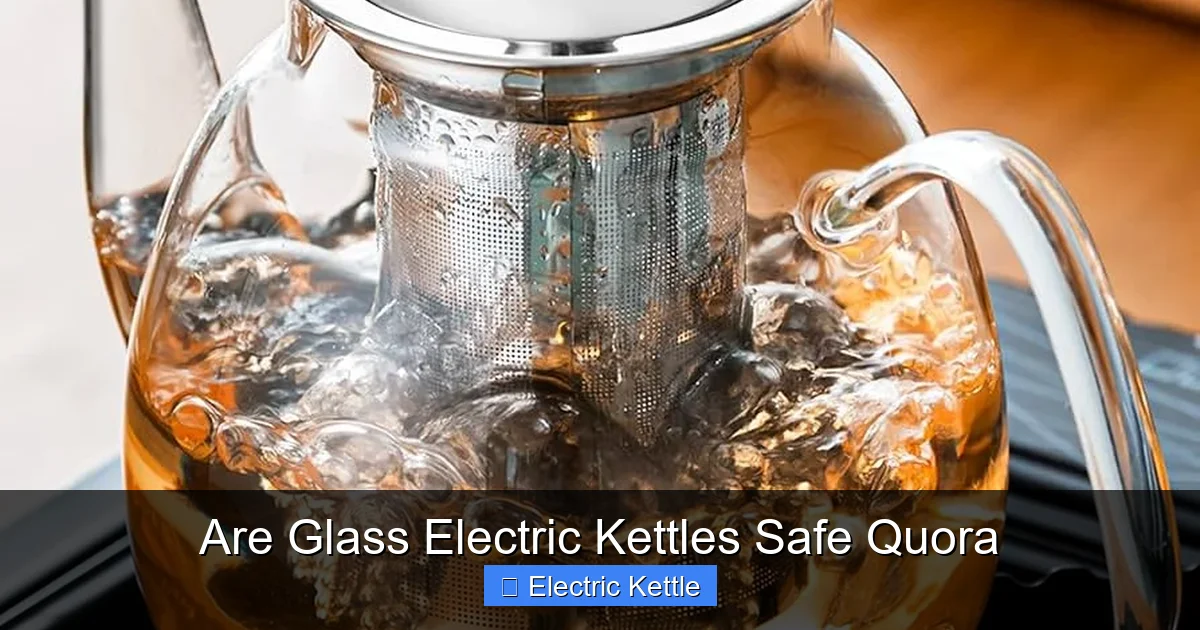
Visual guide about Are Glass Electric Kettles Safe Quora
Image source: m.media-amazon.com
When it comes to safety, glass electric kettles often face two main concerns: breakage and chemical leaching. Let’s tackle these one by one, using both scientific evidence and real-world user experiences from Quora and other forums.
Can Glass Kettles Break or Shatter?
Yes, glass can break—but the likelihood depends heavily on the quality of the glass and how the kettle is used. As mentioned earlier, borosilicate glass is highly resistant to thermal shock, but it’s not indestructible. Dropping the kettle, knocking it against a counter, or pouring cold water into a very hot kettle can cause cracks or breaks.
However, most users on Quora report that their glass kettles have lasted for years without issues. One user shared, “I’ve had my glass kettle for over three years. I’ve dropped it once (on a soft rug), and it was fine. I’ve also accidentally turned it on empty once, and it just shut off automatically. No cracks, no problems.” This highlights two important points: modern kettles often come with safety features like automatic shut-off, and careful handling goes a long way.
That said, if you have young children or pets, or if you’re prone to accidents in the kitchen, you might want to consider a kettle with a protective outer shell or a more durable material like stainless steel. Some glass kettles come with silicone sleeves or bases that absorb impact and reduce the risk of breakage.
Do Glass Kettles Leach Chemicals into Water?
This is a common concern, especially for people trying to avoid plastics and metals in their cooking. The good news? High-quality glass kettles do not leach chemicals into water. Borosilicate glass is made from silica and boron trioxide—both naturally occurring, stable compounds that don’t break down under heat.
In contrast, some plastic kettles may release BPA or phthalates when heated, and certain stainless steel kettles (especially those with lower-grade alloys) can leach small amounts of nickel or chromium. While these levels are usually within safety limits, they can affect taste and raise concerns for sensitive individuals.
One Quora user wrote, “I switched to glass because my old stainless steel kettle gave my tea a metallic taste. With glass, the water tastes clean and pure—just like it should.” This sentiment is echoed by many who prioritize flavor and health.
That said, it’s worth noting that some glass kettles have plastic or metal components—like the lid, handle, or base. These parts should be BPA-free and heat-resistant. Always check the product description to ensure all materials are food-safe and rated for high temperatures.
What About Microfractures and Long-Term Use?
Over time, repeated heating and cooling can cause tiny stress fractures in glass, especially if the kettle is mishandled. These microfractures are usually invisible but can weaken the structure over time. However, this is rare with borosilicate glass and proper care.
To minimize risk, avoid slamming the kettle down, don’t expose it to sudden temperature changes (like placing a hot kettle in cold water), and inspect it regularly for cracks. If you notice any damage, it’s best to replace the kettle.
Real User Experiences: What Quora Users Say About Safety
One of the best ways to gauge the safety of glass electric kettles is to listen to real users. Quora is a goldmine of firsthand experiences, and the consensus is overwhelmingly positive—especially when it comes to safety and performance.
Longevity and Durability
Many Quora contributors emphasize how long their glass kettles have lasted. One user said, “I’ve had mine for five years. It’s been dropped, overheated, and used daily. Still works like new.” Another added, “I live in a hard water area, and even with limescale buildup, the glass hasn’t cracked or clouded.”
These stories suggest that with proper care, glass kettles can be just as durable as their metal counterparts. The key is choosing a well-made model and following basic maintenance tips.
Taste and Purity
A recurring theme on Quora is the superior taste of water boiled in glass kettles. Users report no metallic aftertaste, no plastic smell, and a cleaner flavor overall. This is especially important for tea drinkers, who often notice even subtle changes in water quality.
One user explained, “I’m a tea snob, and I can tell the difference. Glass gives me the purest brew.” Another said, “I use it for baby formula, and I feel better knowing there’s no risk of chemical leaching.”
Safety Features and Peace of Mind
Modern glass kettles often come with built-in safety mechanisms that enhance their reliability. Features like automatic shut-off, boil-dry protection, and cool-touch handles are common in reputable brands. These not only prevent accidents but also extend the life of the kettle.
A Quora user shared, “I once forgot the kettle was on and walked away. It turned off automatically after boiling. No fire, no damage—just peace of mind.”
When Things Go Wrong
Of course, not every experience is perfect. Some users reported breakage, usually due to accidents or poor-quality products. One person wrote, “I bought a cheap glass kettle from a discount store. It cracked after two months. I learned my lesson—go for quality, not price.”
This reinforces the importance of investing in a well-reviewed, certified product rather than opting for the cheapest option.
How to Choose a Safe Glass Electric Kettle
With so many options on the market, how do you pick a safe and reliable glass electric kettle? Here are some practical tips to guide your decision.
Look for Borosilicate Glass
Always check the product description to confirm the kettle is made from borosilicate glass. Avoid vague terms like “heat-resistant glass” unless they specify the type. Borosilicate is the gold standard for safety and durability.
Check for Safety Certifications
Reputable kettles will have certifications like UL, CE, or ETL. These indicate that the product has been tested for electrical safety and performance. Avoid uncertified or unknown brands, especially if they’re significantly cheaper than competitors.
Inspect the Materials
Even if the body is glass, other parts matter. The lid, handle, and base should be made from BPA-free, heat-resistant materials. Silicone seals and stainless steel elements are common and safe choices.
Read User Reviews
Before buying, read reviews on sites like Amazon, Best Buy, or Quora. Look for patterns—do multiple users mention breakage? Do they praise the taste? Real feedback is invaluable.
Consider Additional Features
Features like variable temperature control, keep-warm function, and water level indicators can enhance safety and convenience. A kettle with a wide opening is also easier to clean, reducing the risk of bacterial buildup.
Warranty and Brand Reputation
Choose a brand with a good warranty (at least one year) and a history of quality appliances. Brands like Breville, Cuisinart, and OXO are known for reliable glass kettles.
Maintenance and Care: Keeping Your Kettle Safe and Functional
A safe kettle is a well-maintained kettle. Even the best glass electric kettles need regular care to perform optimally and last longer.
Cleaning Tips
Mineral buildup from hard water can affect performance and taste. To clean, mix equal parts water and white vinegar, fill the kettle, and let it sit for 30 minutes. Boil the solution, then rinse thoroughly. For daily cleaning, wipe the exterior with a damp cloth and rinse the interior after each use.
Avoid abrasive scrubbers or harsh chemicals, which can scratch the glass or damage seals.
Preventing Breakage
Always place the kettle on a stable, heat-resistant surface. Don’t move it while hot, and never pour cold water into a recently boiled kettle. If you drop it, inspect it carefully before using it again.
Descaling Regularly
In areas with hard water, descale your kettle every 1–2 months. This prevents limescale from clogging the heating element and ensures efficient boiling.
Storing Safely
When not in use, store the kettle in a dry place with the lid off to prevent moisture buildup. Avoid stacking heavy items on top of it.
Conclusion: Are Glass Electric Kettles Safe?
So, are glass electric kettles safe? The answer is a resounding yes—when you choose a high-quality model and use it responsibly. Made from durable borosilicate glass, these kettles offer a safe, clean, and visually appealing way to boil water. They don’t leach chemicals, they preserve taste, and with modern safety features, they’re designed to prevent accidents.
Real user experiences from Quora and beyond confirm that glass kettles can be reliable, long-lasting, and a joy to use. While they require a bit more care than stainless steel models, the benefits—especially for health-conscious and flavor-focused users—are well worth it.
If you’re considering a glass electric kettle, focus on quality, certifications, and user feedback. Avoid cheap imitations, and invest in a brand you trust. With proper maintenance, your glass kettle can serve you safely and beautifully for years to come.
Whether you’re brewing your morning coffee, preparing a soothing cup of tea, or heating water for cooking, a glass electric kettle can be a safe, stylish, and smart addition to your kitchen.
Frequently Asked Questions
Can glass electric kettles break easily?
Glass kettles made from borosilicate glass are highly resistant to breaking under normal use. However, they can crack if dropped or exposed to sudden temperature changes. Handle with care and avoid impacts.
Do glass kettles leach chemicals into water?
No, high-quality glass kettles made from borosilicate glass do not leach chemicals. They are inert and safe for boiling water, unlike some plastics or low-grade metals.
Are glass kettles safe for babies and formula?
Yes, glass kettles are considered safe for preparing baby formula because they don’t release harmful substances. Many parents prefer them for this reason.
How do I clean a glass electric kettle?
Use a mixture of equal parts water and white vinegar. Let it sit, boil, then rinse thoroughly. Wipe the exterior with a damp cloth and avoid abrasive cleaners.
Can I put a glass kettle in the dishwasher?
Most glass kettles are not dishwasher-safe due to electrical components. However, the glass body can often be hand-washed or rinsed safely.
What should I do if my glass kettle cracks?
Stop using it immediately. Even small cracks can worsen and pose a safety risk. Replace the kettle with a new, high-quality model.