Plastic electric kettles can be safe if they’re made with high-quality, BPA-free materials and used correctly. However, cheaper models may leach harmful chemicals when heated, especially over time. Choosing certified, food-grade plastic and following care tips helps reduce risks.
Key Takeaways
- Not all plastic kettles are created equal: Safety depends on the type of plastic used, manufacturing standards, and whether the product is labeled BPA-free.
- Heat increases chemical leaching risk: Repeated heating can cause low-quality plastics to release compounds like BPA or phthalates into your water.
- Look for certifications: Products certified by NSF, FDA, or LFGB are more likely to meet safety standards for food contact.
- Proper maintenance matters: Avoid overheating, descale regularly, and never run the kettle dry to extend lifespan and reduce risks.
- Consider alternatives: Glass, stainless steel, or ceramic kettles eliminate plastic concerns entirely and are often more durable.
- Short-term use is lower risk: If you only boil water occasionally, a good-quality plastic kettle may pose minimal danger—but daily users should prioritize safer materials.
- Check for visible wear: Cracks, discoloration, or a plastic smell are signs it’s time to replace your kettle.
📑 Table of Contents
- Are Plastic Electric Kettles Safe? A Complete Guide to Health, Materials, and Smart Choices
- Understanding the Risks: What Happens When Plastic Gets Hot?
- What Makes a Plastic Kettle “Safe”?
- Real-World Examples: Safe vs. Risky Kettles
- How to Use and Maintain a Plastic Kettle Safely
- Safer Alternatives to Plastic Kettles
- Who Should Avoid Plastic Kettles?
- Final Thoughts: Making the Right Choice for Your Kitchen
Are Plastic Electric Kettles Safe? A Complete Guide to Health, Materials, and Smart Choices
You wake up, flip on the coffee maker, and reach for your trusty electric kettle to boil water for tea or oatmeal. It’s quick, convenient, and part of your daily routine. But have you ever stopped to wonder: *Is that plastic kettle really safe?*
Plastic electric kettles are everywhere—affordable, lightweight, and stylish. But beneath their sleek exteriors lies a growing concern among health-conscious consumers: Could heating plastic release harmful chemicals into your drinking water? The short answer is: it depends. Not all plastic kettles are risky, but many low-quality models can pose real health hazards—especially with repeated use. Understanding what makes a plastic kettle safe (or unsafe) empowers you to make smarter choices for you and your family.
In this guide, we’ll dive deep into the science behind plastic kettles, explore the risks of chemical leaching, examine certifications and materials, and offer practical tips to help you decide whether a plastic kettle belongs in your kitchen—or if it’s time to switch to a safer alternative.
Understanding the Risks: What Happens When Plastic Gets Hot?
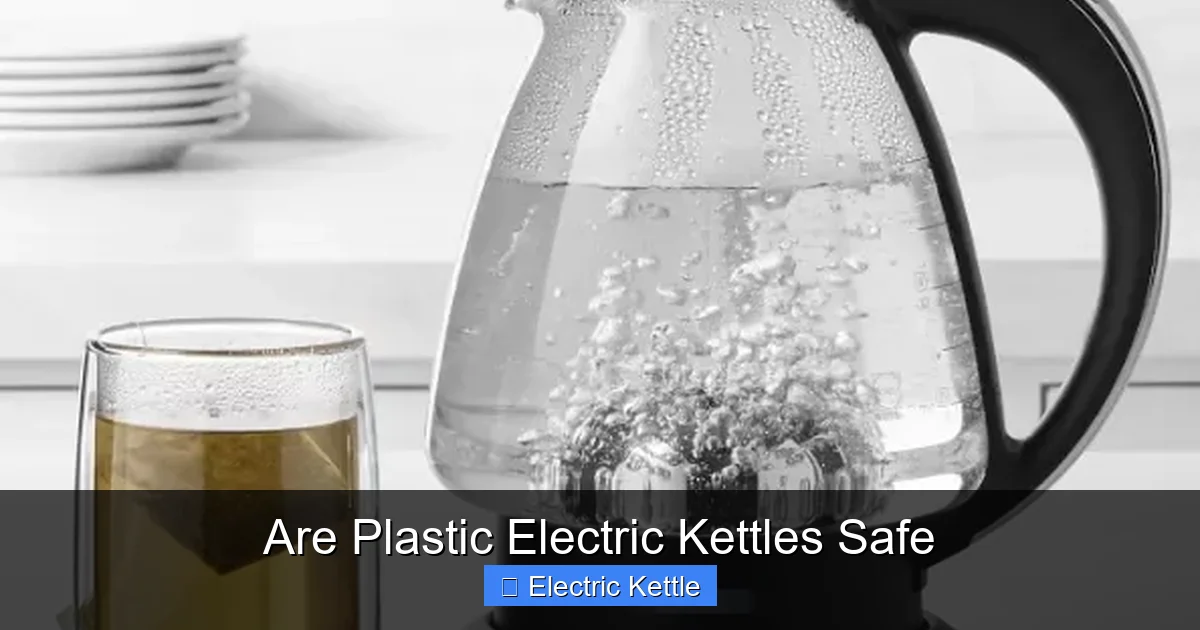
Visual guide about Are Plastic Electric Kettles Safe
Image source: irrorwxhiqijjr5q.ldycdn.com
When you heat water in any container, especially to boiling temperatures (212°F or 100°C), you’re creating conditions that can stress materials. Plastic, in particular, is sensitive to heat. While modern plastics are engineered to withstand high temperatures, not all are created equal—and some can break down over time.
Chemical Leaching: The Hidden Danger
The primary concern with plastic electric kettles is chemical leaching—the process where compounds from the plastic migrate into the water. This becomes more likely as the plastic heats up, ages, or gets scratched. Two chemicals often cited in safety discussions are:
– Bisphenol A (BPA): A synthetic compound once widely used in polycarbonate plastics. BPA mimics estrogen in the body and has been linked to hormonal disruptions, reproductive issues, and increased risk of certain cancers. While many manufacturers now claim their products are “BPA-free,” this doesn’t automatically mean safe.
– Phthalates: Used to make plastics more flexible, phthalates are also endocrine disruptors. They’ve been associated with developmental and reproductive problems, especially in children.
Even if a kettle is labeled BPA-free, it may contain BPA substitutes like BPS or BPF—chemicals that studies suggest may be just as harmful. A 2018 study published in *Environmental Health Perspectives* found that BPS and BPF also disrupt hormone function, raising similar health concerns.
Heat Accelerates the Problem
Water boils at 212°F (100°C), and electric kettles often exceed this slightly during operation. Most food-grade plastics are rated to handle temperatures up to around 176°F (80°C) for short periods—but boiling water pushes them to their limits. Repeated exposure to high heat can cause microscopic cracks, warping, or degradation, increasing the surface area where chemicals can leach out.
Imagine using a plastic water bottle left in a hot car—it might taste “off” because chemicals have seeped into the liquid. The same principle applies to kettles. Over time, especially with daily use, the risk grows.
Signs Your Kettle May Be Leaching
You can’t always see or smell chemical leaching, but there are warning signs:
– A plastic or chemical taste in your water or tea
– Visible cloudiness or discoloration inside the kettle
– Cracks, scratches, or warping in the plastic
– A strong odor when the kettle heats up
If you notice any of these, it’s time to replace your kettle—no matter how new it looks.
What Makes a Plastic Kettle “Safe”?
Not all plastic kettles are risky. Some are designed with safety in mind, using high-quality, food-grade materials and rigorous testing. Here’s what to look for when evaluating a plastic electric kettle’s safety.
Material Matters: Food-Grade vs. Industrial Plastics
The type of plastic used is the biggest factor in safety. Look for kettles made from:
– Polypropylene (PP): Often marked with recycling code #5, PP is heat-resistant, chemically stable, and commonly used in food containers. It’s considered one of the safer plastics for hot liquids when high-quality.
– Tritan™ Copolyester: A BPA-free plastic developed by Eastman Chemical, Tritan is known for its clarity, durability, and resistance to heat and chemicals. Many premium kettles use Tritan for the water chamber.
Avoid kettles made from:
– Polycarbonate (PC): Recycling code #7, often contains BPA unless explicitly labeled BPA-free. Even then, substitutes may be used.
– Polystyrene (PS) or PVC: These are not suitable for hot liquids and can release toxic fumes when heated.
BPA-Free Isn’t Enough
“BPA-free” is a common marketing term, but it’s not a guarantee of safety. As mentioned earlier, BPA-free plastics may contain other bisphenols (like BPS or BPF) that behave similarly in the body. A 2020 review in *The Lancet Diabetes & Endocrinology* emphasized that BPA substitutes may pose comparable health risks.
Instead of focusing solely on “BPA-free,” look for kettles that specify the exact plastic used (e.g., “made with Tritan”) and are certified by reputable third parties.
Certifications to Trust
Independent certifications provide peace of mind. Look for:
– NSF Certification: NSF International tests products for safety and performance. NSF/ANSI Standard 51 covers food equipment materials.
– FDA Compliance: The U.S. Food and Drug Administration regulates materials that contact food. FDA-compliant plastics have been tested for migration limits.
– LFGB Certification: A German standard stricter than FDA, often used in European markets. It tests for overall migration and specific substances.
– CE Marking: Indicates compliance with European health and safety standards.
These labels mean the product has undergone testing and meets specific safety thresholds—though they don’t eliminate all risk, they significantly reduce it.
Real-World Examples: Safe vs. Risky Kettles
Let’s compare two common scenarios to illustrate the difference.
Example 1: A Budget Plastic Kettle ($15–$25)
You buy a sleek, colorful kettle from a discount store. It’s lightweight, heats quickly, and has a “BPA-free” label. But after a few weeks, your tea starts tasting faintly plastic. You notice small scratches inside from cleaning with a sponge. Over time, the plastic develops a yellowish tint.
This kettle likely uses a lower-grade polypropylene or an unverified BPA substitute. Without certifications, there’s no guarantee of long-term safety. The heat, combined with wear and tear, increases leaching risk—especially with daily use.
Example 2: A Certified Tritan Kettle ($40–$60)
You invest in a kettle made with Eastman Tritan, labeled “BPA-free,” and certified by NSF and FDA. It’s clear, durable, and doesn’t retain odors. Even after months of use, there’s no taste change or discoloration.
This kettle is designed for repeated heating. Tritan resists chemical breakdown, and the certifications ensure it meets strict migration limits. While no plastic is 100% risk-free, this model represents a much safer choice.
User Tip: Test for Odor
A simple way to check your kettle: Boil water, let it cool, and smell it. If you detect any plastic or chemical odor, your kettle may be leaching. This isn’t foolproof, but it’s a useful early warning.
How to Use and Maintain a Plastic Kettle Safely
Even the safest plastic kettle requires proper care to minimize risks. Follow these best practices:
Never Run It Dry
Running an electric kettle without water can cause the heating element to overheat, damaging the plastic and increasing leaching risk. Always ensure there’s water before turning it on.
Descale Regularly
Mineral buildup (scale) from hard water can trap heat and degrade plastic over time. Use a mixture of white vinegar and water (1:1 ratio), boil, let sit for 30 minutes, then rinse thoroughly. Do this every 1–2 months, depending on water hardness.
Avoid Abrasive Cleaners
Scrubbing with steel wool or harsh chemicals can scratch the interior, creating crevices where bacteria and chemicals accumulate. Use a soft sponge and mild dish soap instead.
Don’t Overheat
Most kettles have automatic shut-off, but if yours allows manual control, avoid boiling water repeatedly or for longer than necessary. Excess heat stresses the plastic.
Replace When Needed
Even high-quality plastic degrades over time. Most manufacturers recommend replacing kettles every 2–3 years with regular use. Watch for signs of wear: cracks, warping, discoloration, or persistent odors.
Safer Alternatives to Plastic Kettles
If you’re concerned about plastic, consider switching to a non-plastic electric kettle. These materials eliminate the risk of chemical leaching entirely.
Stainless Steel Kettles
Durable, easy to clean, and non-reactive, stainless steel is a top choice for safety and longevity. Look for 18/8 or 18/10 food-grade stainless steel. Some models have a plastic handle or lid, but the water never touches plastic. Brands like Breville, Cuisinart, and Hamilton Beach offer reliable options.
Glass Kettles
Transparent and non-porous, glass kettles let you see the water and won’t retain odors or flavors. Borosilicate glass (like Pyrex) resists thermal shock. However, they’re more fragile and can break if dropped. Models from brands like OXO and Chef’sChoice are popular.
Ceramic Kettles
Ceramic is inert and safe for boiling water. It’s also stylish and retains heat well. However, it’s heavy and can chip or crack. Ensure the interior glaze is lead-free and food-safe.
Hybrid Designs
Some kettles combine materials—like a stainless steel interior with a glass or plastic exterior. These offer the benefits of multiple materials while minimizing exposure.
Cost vs. Longevity
While non-plastic kettles often cost more upfront ($50–$100+), they typically last longer and require fewer replacements. Over time, they can be more economical and safer.
Who Should Avoid Plastic Kettles?
While occasional use of a high-quality plastic kettle may pose minimal risk, certain groups should be extra cautious:
– Pregnant women and young children: Developing bodies are more sensitive to endocrine disruptors.
– People with compromised immune systems: May be more vulnerable to chemical exposures.
– Daily heavy users: Boiling water multiple times a day increases cumulative exposure.
– Those with chemical sensitivities: May react to even low levels of leached compounds.
If you fall into any of these categories, switching to glass or stainless steel is a wise precaution.
Final Thoughts: Making the Right Choice for Your Kitchen
So, are plastic electric kettles safe? The answer isn’t black and white. A well-made, certified plastic kettle used occasionally and maintained properly can be a low-risk option. But for daily use—especially in households with children or health concerns—opting for glass or stainless steel is the safest long-term choice.
Plastic convenience shouldn’t come at the cost of your health. By understanding the risks, reading labels carefully, and choosing quality over price, you can enjoy your morning tea without worry. And if you do stick with plastic, treat your kettle like any other kitchen tool: maintain it, monitor it, and replace it when it shows signs of wear.
Your health is worth the extra attention. Whether you choose plastic, glass, or steel, the best kettle is one that keeps your water pure, your drinks delicious, and your peace of mind intact.
Frequently Asked Questions
Can plastic kettles cause cancer?
There’s no direct evidence that using plastic kettles causes cancer, but some chemicals like BPA and phthalates are classified as potential carcinogens and endocrine disruptors. Long-term exposure, especially from low-quality plastics, may increase health risks.
Is it safe to boil water in a BPA-free plastic kettle?
BPA-free kettles are safer than those containing BPA, but they may still use other bisphenols (like BPS) that pose similar risks. Safety also depends on the plastic type, certifications, and how the kettle is used and maintained.
How often should I replace my plastic electric kettle?
Most experts recommend replacing plastic kettles every 2–3 years with regular use. Replace sooner if you notice cracks, discoloration, odors, or a plastic taste in your water.
Can I put vinegar in a plastic kettle to clean it?
Yes, but use a diluted solution (1 part white vinegar to 1 part water), boil it, let it sit for 30 minutes, then rinse thoroughly. Avoid undiluted vinegar or harsh cleaners that can damage the plastic.
Do all electric kettles have plastic parts?
Many do, but not all. Some stainless steel or glass kettles have only minimal plastic components (like handles or lids), and the water never touches plastic. Look for models labeled “plastic-free” or “water-contact stainless steel.”
Are cheaper plastic kettles more dangerous?
Generally, yes. Lower-cost kettles often use inferior plastics, lack certifications, and may not undergo rigorous safety testing. Investing in a mid-range, certified model reduces risk significantly.