Plastic electric kettles can be toxic if made with low-quality materials that leach harmful chemicals like BPA or phthalates when heated. However, many modern models use food-grade, BPA-free plastics designed to minimize risk—especially when used properly.
Key Takeaways
- Not all plastic kettles are toxic: Many are made with BPA-free, food-grade materials that meet safety standards.
- Heat increases chemical leaching risk: High temperatures can cause certain plastics to release harmful substances into water.
- BPA and phthalates are primary concerns: These endocrine disruptors may affect hormone balance and long-term health.
- Look for certifications like FDA, LFGB, or NSF: These labels indicate safer materials and manufacturing practices.
- Stainless steel or glass kettles are safer alternatives: They eliminate plastic contact entirely and are more durable.
- Proper use reduces risk: Avoid overheating, don’t reuse old kettles, and clean regularly to prevent buildup.
- Check the base and handle materials: Even if the body is plastic, internal components may still pose risks.
📑 Table of Contents
- Are Plastic Electric Kettles Toxic? The Truth You Need to Know
- What Makes Plastic Kettles Potentially Toxic?
- Are All Plastic Kettles Unsafe?
- Safer Alternatives to Plastic Electric Kettles
- How to Use a Plastic Kettle Safely
- What Do Experts and Studies Say?
- Making the Right Choice for Your Kitchen
- Final Thoughts
Are Plastic Electric Kettles Toxic? The Truth You Need to Know
You’ve probably seen them on kitchen counters everywhere—sleek, colorful, and ready to boil water in minutes. Plastic electric kettles are convenient, lightweight, and often budget-friendly. But with growing concerns about chemical exposure from everyday products, it’s natural to wonder: Are plastic electric kettles toxic?
The short answer? It depends. Not all plastic kettles are created equal. Some are made with safe, high-quality materials that won’t harm your health. Others, especially cheaper or older models, may contain chemicals that can leach into your water when heated—posing potential risks over time. The key is understanding what’s inside your kettle, how heat affects plastic, and what safer alternatives exist.
In this guide, we’ll break down the science behind plastic kettles, explore the risks of chemical leaching, and help you make an informed choice for your kitchen. Whether you’re a tea lover, coffee enthusiast, or just someone who wants clean, safe water, this article will give you the facts you need—without the jargon.
What Makes Plastic Kettles Potentially Toxic?
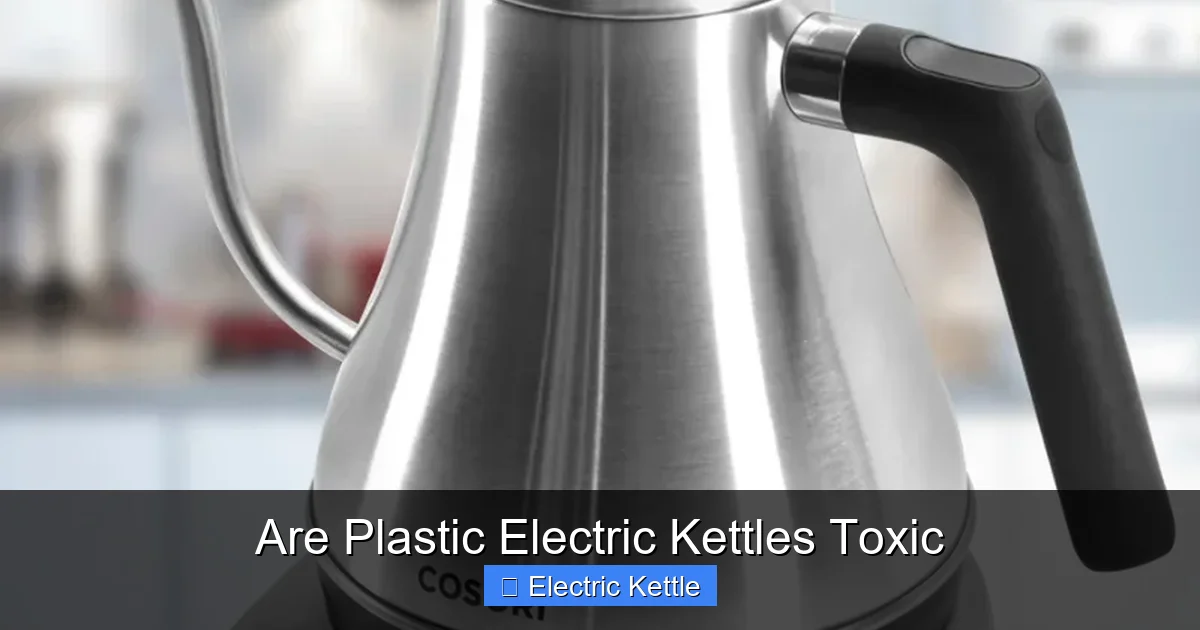
Visual guide about Are Plastic Electric Kettles Toxic
Image source: toxicfreechoice.com
To understand whether plastic electric kettles are toxic, we need to look at the materials they’re made from and how those materials behave under heat. Most plastic kettles are constructed from thermoplastic polymers—materials that soften when heated and harden when cooled. Common types include polypropylene (PP), polycarbonate (PC), and acrylonitrile butadiene styrene (ABS).
The main concern with these plastics is chemical leaching—the process where substances migrate from the plastic into the water, especially when exposed to high temperatures. This is particularly relevant for electric kettles, which heat water to near-boiling temperatures (around 212°F or 100°C) every time you use them.
BPA and Its Health Risks
One of the most well-known culprits in plastic toxicity is bisphenol A (BPA). This industrial chemical was widely used in polycarbonate plastics and epoxy resins until research linked it to serious health issues. BPA is an endocrine disruptor, meaning it can mimic hormones like estrogen in the body. Long-term exposure has been associated with reproductive disorders, developmental problems in children, increased risk of certain cancers, and metabolic issues like obesity and diabetes.
While many manufacturers have phased out BPA in response to public concern, it’s still found in some older or low-cost kettles—especially those made with polycarbonate plastic. Even “BPA-free” labels don’t always guarantee complete safety, as some alternatives (like BPS or BPF) may have similar hormonal effects.
Other Harmful Chemicals in Plastic
Beyond BPA, other chemicals in plastic kettles can pose risks. Phthalates, for example, are plasticizers used to increase flexibility. They’ve been linked to hormonal imbalances, reduced fertility, and developmental issues in children. Antimony, a metalloid used as a catalyst in plastic production, can leach into water and is considered a possible human carcinogen in high doses.
Additionally, some plastics release volatile organic compounds (VOCs) when heated. These can contribute to indoor air pollution and may cause headaches, dizziness, or respiratory irritation—especially in poorly ventilated kitchens.
How Heat Accelerates Leaching
Temperature plays a major role in chemical migration. Studies have shown that the hotter the water, the more likely chemicals are to leach out of plastic. A 2014 study published in the journal *Environmental Health Perspectives* found that BPA leaching from polycarbonate bottles increased significantly when exposed to boiling water.
In an electric kettle, water is heated repeatedly and often held at high temperatures for short periods. This constant thermal stress can degrade plastic over time, increasing the risk of contamination. Scratches, cracks, or wear on the interior surface can also create pathways for chemicals to enter your water.
Are All Plastic Kettles Unsafe?
The good news? Not all plastic kettles are toxic. Many modern models are designed with safety in mind and use materials that minimize chemical leaching. The key is knowing what to look for.
BPA-Free and Food-Grade Plastics
Most reputable brands now use BPA-free plastics, such as polypropylene (PP), which is considered one of the safer options for food contact. PP has a high melting point (around 320°F or 160°C) and is less likely to leach chemicals under normal use. It’s commonly used in food containers, baby bottles, and medical devices.
Food-grade certification means the plastic has been tested and approved for contact with consumables. Look for labels like “food-grade,” “FDA-approved,” or “LFGB-certified” (a German standard for food safety). These indicate that the material meets strict safety guidelines.
Quality Matters: Cheap vs. Premium Kettles
There’s a big difference between a $15 kettle from a discount store and a $50 model from a trusted brand. Cheaper kettles often use lower-grade plastics, thinner walls, and poorly sealed components—all of which increase the risk of chemical leaching. They may also lack proper insulation or temperature controls, leading to overheating.
Premium kettles, on the other hand, are typically made with higher-quality materials, better construction, and additional safety features. For example, some models include double-walled designs to reduce heat transfer to the outer plastic, or they use stainless steel interiors with only the handle and base made of plastic.
Certifications to Look For
When shopping for a plastic kettle, check for third-party certifications that verify safety:
– FDA (U.S. Food and Drug Administration): Ensures materials are safe for food contact.
– LFGB (German Food and Feed Code): A stricter European standard that tests for migration of harmful substances.
– NSF International: Certifies products for public health safety, including kitchen appliances.
– BPA-Free Label: While not a certification itself, it indicates the absence of this specific chemical.
These labels don’t guarantee zero risk, but they do suggest the manufacturer has taken steps to ensure safety.
Safer Alternatives to Plastic Electric Kettles
If you’re concerned about plastic toxicity, you’re not alone—and you have better options. Switching to a non-plastic kettle can eliminate the risk of chemical leaching entirely.
Stainless Steel Kettles
Stainless steel is one of the safest and most durable materials for electric kettles. High-quality models use 304-grade (also called 18/8) stainless steel, which is non-reactive, rust-resistant, and free from harmful chemicals. Unlike plastic, steel doesn’t degrade with heat or time, and it won’t leach substances into your water.
Many stainless steel kettles also feature concealed heating elements, which make cleaning easier and reduce the risk of mineral buildup. They’re ideal for boiling water for tea, coffee, or instant meals, and they often come with temperature control settings for precision brewing.
One thing to note: some stainless steel kettles have plastic handles, lids, or bases. While these parts don’t typically come into contact with hot water, they can still pose a minor risk if made from low-quality materials. Look for models with heat-resistant, BPA-free plastic components or fully metal designs.
Glass Kettles
Glass is another excellent alternative. It’s inert, meaning it doesn’t react with water or release chemicals—even at high temperatures. Borosilicate glass, the same material used in laboratory equipment and high-end cookware, is especially resistant to thermal shock and won’t crack when exposed to sudden temperature changes.
Glass kettles allow you to see the water boiling, which some people find satisfying and practical. They’re also easy to clean and don’t retain odors or flavors from previous uses. However, they can be more fragile than metal kettles, so handle them with care.
Like stainless steel models, some glass kettles have plastic parts. Again, check the materials and opt for BPA-free, heat-resistant plastics if possible.
Kettles with Stainless Steel or Glass Interiors
Some kettles combine materials for the best of both worlds. For example, a plastic exterior with a stainless steel or glass interior keeps the lightweight convenience of plastic while protecting your water from direct contact. These hybrid designs are a great compromise if you prefer the look or feel of plastic but want to avoid chemical exposure.
How to Use a Plastic Kettle Safely
If you already own a plastic kettle or prefer its convenience, you can still use it safely by following a few best practices.
Avoid Overheating and Repeated Boiling
Never let your kettle boil dry or run without water. This can cause the heating element to overheat and damage the plastic, increasing the risk of chemical release. Also, avoid reboiling water multiple times in quick succession. Each cycle stresses the plastic and may accelerate degradation.
Instead, boil only the amount of water you need. This reduces thermal stress and saves energy.
Don’t Use It for Other Liquids
Plastic kettles are designed for water—not milk, juice, or soup. Sugary or acidic liquids can react with plastic, increase leaching, and leave behind sticky residues that are hard to clean. Stick to plain water to minimize risk.
Clean and Maintain Regularly
Mineral buildup from hard water can create rough surfaces inside the kettle, which may trap bacteria or promote chemical migration. Clean your kettle monthly with a mixture of white vinegar and water. Let it sit for 30 minutes, then rinse thoroughly.
Also, inspect the interior for scratches, cracks, or discoloration. If you notice any damage, it’s time to replace the kettle—even if it still works.
Replace Old or Worn Kettles
Plastic degrades over time, especially with daily use. Most experts recommend replacing a plastic kettle every 2–3 years, or sooner if you notice signs of wear. Don’t wait for it to break—proactive replacement is key to safety.
Store Properly
Keep your kettle in a cool, dry place away from direct sunlight. UV rays can weaken plastic and increase the risk of chemical breakdown. Avoid stacking heavy items on top of it, which could cause cracks.
What Do Experts and Studies Say?
Scientific research on plastic kettles is ongoing, but several studies have raised red flags.
A 2019 study by the University of Cincinnati found that some BPA-free plastics released estrogenic chemicals when exposed to heat—sometimes at levels higher than traditional BPA products. This suggests that “BPA-free” doesn’t always mean “safe.”
Another study published in *Chemosphere* in 2020 tested 20 different kettles and found that plastic models leached more antimony and other metals compared to stainless steel or glass. The leaching increased with repeated use and higher temperatures.
Regulatory agencies like the FDA and European Food Safety Authority (EFSA) continue to monitor plastic safety. While they maintain that most food-grade plastics are safe under normal conditions, they also recommend minimizing exposure—especially for vulnerable groups like pregnant women and children.
Consumer advocacy groups, such as the Environmental Working Group (EWG), advise avoiding plastic whenever possible, particularly for hot liquids. They recommend stainless steel or glass as the safest choices.
Making the Right Choice for Your Kitchen
So, are plastic electric kettles toxic? The answer isn’t black and white. While many modern plastic kettles are made with safer materials and pose minimal risk when used correctly, they still carry a higher potential for chemical exposure than non-plastic alternatives.
If you’re health-conscious, have young children, or simply want peace of mind, switching to a stainless steel or glass kettle is the best long-term solution. These materials are durable, easy to clean, and free from the risks associated with plastic.
But if you’re on a budget or prefer the lightweight design of plastic, you can still use it safely—just choose a high-quality, BPA-free model with proper certifications, and follow best practices for use and maintenance.
Ultimately, the goal is to enjoy your morning tea or coffee without worrying about what’s lurking in your water. With the right knowledge and tools, you can make a choice that’s both convenient and safe.
Final Thoughts
Plastic electric kettles aren’t inherently toxic, but they do come with risks—especially if they’re made from low-quality materials or used improperly. Heat, age, and wear can all contribute to chemical leaching, potentially exposing you to harmful substances like BPA, phthalates, and antimony.
The good news is that safer options are widely available. Stainless steel and glass kettles offer excellent performance without the health concerns. And if you do stick with plastic, choosing a certified, food-grade model and using it responsibly can significantly reduce your risk.
Your kitchen should be a place of comfort and safety. By understanding the pros and cons of plastic kettles, you can make an informed decision that protects your health and enhances your daily routine.
Frequently Asked Questions
Can plastic electric kettles leach chemicals into water?
Yes, especially when heated. Chemicals like BPA, phthalates, and antimony can migrate from low-quality plastics into water, particularly at high temperatures or with repeated use.
Are BPA-free plastic kettles safe?
Generally safer than those with BPA, but not risk-free. Some BPA-free plastics may still release other endocrine-disrupting chemicals when heated. Look for additional certifications like FDA or LFGB.
How often should I replace my plastic kettle?
Every 2–3 years, or sooner if you notice scratches, cracks, or discoloration. Degraded plastic is more likely to leach chemicals.
Is it safe to boil water in a plastic kettle every day?
It can be, if the kettle is made from high-quality, food-grade plastic and used properly. Avoid overheating, reboiling, and using it for non-water liquids.
What’s the safest material for an electric kettle?
Stainless steel and glass are the safest options. They don’t leach chemicals, are durable, and are easy to clean.
Can I clean a plastic kettle with vinegar?
Yes, vinegar is safe and effective for removing mineral buildup. Mix equal parts white vinegar and water, let it sit for 30 minutes, then rinse thoroughly.