Stainless steel electric kettles are generally safe, durable, and free from harmful chemicals like BPA. They resist rust, don’t leach toxins into water, and offer excellent heat retention, making them a top choice for health-conscious households.
Key Takeaways
- Non-toxic and BPA-free: High-quality stainless steel kettles don’t contain harmful plastics or coatings that can leach into water.
- Resistant to corrosion and rust: Stainless steel is built to last, even with daily use and exposure to hot water.
- No metallic taste: Unlike some metals, food-grade stainless steel doesn’t alter the flavor of your water or tea.
- Easy to clean and maintain: Smooth surfaces prevent buildup, and most models are dishwasher-safe or simple to wipe down.
- Energy-efficient and fast-heating: Stainless steel conducts heat well, boiling water quickly while using less electricity.
- Long lifespan: With proper care, a stainless steel kettle can last 5–10 years or more.
- Eco-friendly choice: Durable and recyclable, stainless steel reduces waste compared to plastic alternatives.
📑 Table of Contents
- Are Stainless Steel Electric Kettles Safe? A Complete Guide
- What Makes Stainless Steel a Safe Material?
- Health and Safety Benefits of Stainless Steel Kettles
- Durability and Longevity: Built to Last
- Energy Efficiency and Performance
- Cleaning and Maintenance Tips
- Potential Concerns and How to Avoid Them
- Stainless Steel vs. Other Kettle Materials
- Conclusion: Are Stainless Steel Electric Kettles Safe?
Are Stainless Steel Electric Kettles Safe? A Complete Guide
You’ve probably seen them on kitchen counters everywhere—sleek, shiny, and ready to boil water in minutes. Stainless steel electric kettles are a popular choice for making tea, coffee, instant oatmeal, or even sterilizing baby bottles. But with so many materials on the market—plastic, glass, ceramic, and metal—you might be wondering: Are stainless steel electric kettles safe?
The short answer? Yes, when made with high-quality materials and used properly, stainless steel electric kettles are among the safest options available. Unlike plastic kettles that may release chemicals when heated, or glass models that can shatter, stainless steel offers a durable, non-reactive, and long-lasting solution. But like any kitchen appliance, safety depends on design, material quality, and how you use and maintain it. In this guide, we’ll dive deep into the safety, benefits, and potential concerns of stainless steel electric kettles so you can make an informed decision for your home.
What Makes Stainless Steel a Safe Material?
Stainless steel is an alloy primarily made of iron, chromium, and often nickel or manganese. The key to its safety lies in the chromium content—typically at least 10.5%, which forms a passive oxide layer on the surface. This layer protects the metal from corrosion, rust, and chemical reactions, even when exposed to hot water and steam.
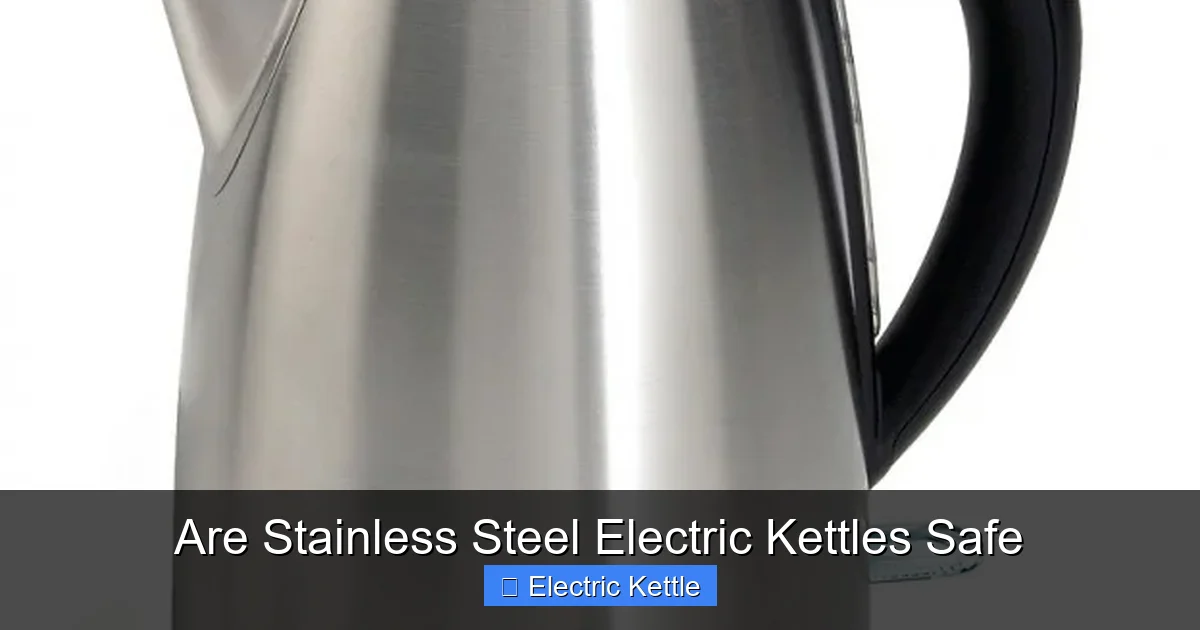
Visual guide about Are Stainless Steel Electric Kettles Safe
Image source: tlbox.com
Food-Grade Stainless Steel: The Gold Standard
Not all stainless steel is created equal. For kitchen appliances like electric kettles, look for food-grade stainless steel, specifically grades like 304 (also known as 18/8) or 316. These grades are widely used in cookware and food processing because they’re non-toxic, resistant to acids and alkalis, and safe for repeated use with food and beverages.
Grade 304 stainless steel, for example, contains 18% chromium and 8% nickel. It’s the most common type used in kettles and is known for its excellent balance of durability, safety, and affordability. Grade 316, often called “marine-grade,” has added molybdenum for even greater corrosion resistance and is ideal for areas with hard water or high humidity.
Non-Reactive and Non-Leaching
One of the biggest concerns with any kettle material is whether it leaches chemicals or metals into your water. Stainless steel, especially high-grade varieties, is non-reactive under normal conditions. This means it won’t release harmful substances like lead, cadmium, or BPA—chemicals sometimes found in lower-quality plastics or poorly coated metals.
For example, when you boil water in a plastic kettle, especially one made with polycarbonate, heat can cause BPA or other plasticizers to migrate into the water. This has raised health concerns over long-term exposure. Stainless steel avoids this entirely. As long as the interior of the kettle is made of solid stainless steel (not lined with questionable coatings), your water stays pure and safe.
No Metallic Taste
Some people worry that stainless steel might give water a “metallic” taste. In reality, high-quality stainless steel kettles do not affect the flavor of water. The smooth, inert surface doesn’t interact with water, preserving its natural taste. This makes stainless steel kettles ideal for brewing delicate teas or French press coffee, where flavor purity matters.
Health and Safety Benefits of Stainless Steel Kettles
Beyond material safety, stainless steel electric kettles offer several health and safety advantages that make them a smart choice for modern kitchens.
Free from Harmful Chemicals
Unlike plastic kettles, stainless steel models don’t contain BPA, phthalates, or other endocrine-disrupting chemicals. These substances have been linked to hormonal imbalances, reproductive issues, and developmental problems, especially in children. By choosing stainless steel, you eliminate this risk entirely.
Even “BPA-free” plastics aren’t always safe. Many contain BPS or BPF, which may have similar health effects. Stainless steel sidesteps this issue completely—no plastics, no coatings, just solid metal.
Resistant to Bacteria and Mold
The smooth, non-porous surface of stainless steel makes it difficult for bacteria, mold, or mildew to grow. This is especially important in kettles, where moisture and warmth can create ideal conditions for microbial growth. With regular cleaning, stainless steel kettles stay hygienic and safe for daily use.
Compare this to plastic kettles, which can develop scratches over time. These tiny grooves trap moisture and organic matter, creating breeding grounds for bacteria. Stainless steel resists scratching and is easier to sanitize.
Safe for High Temperatures
Stainless steel can withstand high temperatures without degrading. Electric kettles often reach boiling point (100°C or 212°F), and some models even go higher for specialty functions like sterilizing. Stainless steel handles this heat without warping, cracking, or releasing fumes—unlike some plastics that may melt or emit odors when overheated.
This thermal stability also means your kettle won’t degrade over time. You won’t see discoloration, peeling, or weakening of the material, even after years of use.
Durability and Longevity: Built to Last
One of the standout features of stainless steel electric kettles is their durability. These appliances are designed to handle daily use, frequent boiling, and the occasional bump or drop.
Resistance to Rust and Corrosion
Thanks to its chromium content, stainless steel naturally resists rust and corrosion. This is especially important in kettles, which are constantly exposed to water and steam. Even in humid environments or areas with hard water (high in minerals like calcium and magnesium), stainless steel kettles maintain their integrity.
Hard water can cause limescale buildup, but this doesn’t compromise the safety of stainless steel. In fact, limescale is easier to remove from stainless steel than from plastic or aluminum surfaces. Regular descaling with vinegar or a commercial cleaner keeps your kettle in top condition.
Impact Resistance
Stainless steel is tough. It won’t crack like glass or chip like ceramic. If you accidentally knock your kettle off the counter (we’ve all been there), a stainless steel model is far more likely to survive the fall. This makes it a great choice for busy households, families with kids, or anyone who values reliability.
Long Lifespan
A well-made stainless steel electric kettle can last 5 to 10 years or more with proper care. Compare that to plastic kettles, which may degrade in just 1–3 years due to heat exposure and wear. Over time, stainless steel offers better value for money and reduces waste.
Many high-end models even come with warranties of 2–5 years, reflecting manufacturer confidence in their durability.
Energy Efficiency and Performance
Safety isn’t just about health—it’s also about performance and efficiency. Stainless steel electric kettles excel in both areas.
Fast and Even Heating
Stainless steel conducts heat well, allowing kettles to boil water quickly and evenly. Most models heat water in 3–5 minutes, depending on capacity and wattage. This saves time and energy compared to stovetop kettles or slower electric models.
Many stainless steel kettles also feature flat heating elements or concealed coils, which improve heat distribution and reduce the risk of hot spots. This not only speeds up boiling but also prevents overheating and potential damage.
Energy-Saving Features
Modern stainless steel kettles often include energy-efficient designs. Look for models with automatic shut-off, boil-dry protection, and variable temperature settings. These features prevent overheating, reduce electricity use, and enhance safety.
For example, automatic shut-off turns the kettle off once water reaches boiling point, preventing it from running dry or overheating. Boil-dry protection cuts power if the kettle is turned on without water—a common cause of appliance failure and fire risk.
Temperature Control for Precision
Some advanced stainless steel kettles offer variable temperature settings, allowing you to choose the ideal heat for different beverages. Green tea brews best at 70–80°C, while black coffee needs near-boiling water. This precision not only improves taste but also saves energy by avoiding unnecessary overheating.
Cleaning and Maintenance Tips
To keep your stainless steel electric kettle safe and functional, regular cleaning and maintenance are essential.
Daily Cleaning
After each use, rinse the interior with clean water and wipe the exterior with a damp cloth. Avoid abrasive sponges or harsh chemicals that could scratch the surface. Most stainless steel kettles have smooth, easy-to-clean interiors that resist staining.
Descaling for Hard Water
If you live in an area with hard water, limescale buildup is inevitable. To descale, fill the kettle halfway with equal parts water and white vinegar. Let it sit for 30–60 minutes, then boil the solution. Rinse thoroughly with clean water and boil a few times with fresh water to remove any vinegar taste.
Alternatively, use a commercial descaling solution or citric acid. Avoid using bleach or ammonia, which can damage the stainless steel or leave harmful residues.
Deep Cleaning the Exterior
For stubborn stains or water spots on the outside, use a paste of baking soda and water. Gently scrub with a soft cloth, then rinse and dry. For a shiny finish, polish with a microfiber cloth or a stainless steel cleaner.
Check the Heating Element
If your kettle has a concealed heating element, mineral deposits can still build up underneath. Regular descaling helps prevent this. For exposed coils, use a soft brush to remove debris after descaling.
Potential Concerns and How to Avoid Them
While stainless steel electric kettles are generally safe, there are a few things to watch out for.
Low-Quality or Mixed Materials
Not all stainless steel kettles are made equally. Some budget models use lower-grade steel or mix materials—like plastic handles or rubber seals—that may degrade over time. Always check the product description and look for kettles labeled “100% stainless steel interior” or “food-grade 304 stainless steel.”
Nickel Sensitivity
Stainless steel contains small amounts of nickel, which can cause allergic reactions in sensitive individuals. However, the amount that leaches into water is typically negligible and well below safety limits. If you have a severe nickel allergy, consult a doctor or consider a nickel-free alternative like titanium or high-grade 316L steel.
Overheating and Burns
Like any electric appliance, kettles can pose a burn risk if mishandled. Always use the handle, avoid touching the hot exterior, and keep the kettle away from children. Choose models with cool-touch handles and automatic shut-off for added safety.
Electrical Safety
Ensure your kettle is certified by a recognized safety organization (like UL, ETL, or CSA). Avoid using damaged cords or plugs, and never immerse the base in water. Place the kettle on a stable, heat-resistant surface away from edges.
Stainless Steel vs. Other Kettle Materials
How does stainless steel stack up against other common kettle materials?
Plastic Kettles
Plastic is lightweight and cheap but poses health risks due to chemical leaching. It’s also prone to cracking, discoloration, and odor retention. Stainless steel is safer, more durable, and better for the environment.
Glass Kettles
Glass is non-reactive and allows you to see the water boil, but it’s fragile and can shatter if dropped or exposed to sudden temperature changes. Stainless steel offers similar safety with far greater durability.
Aluminum Kettles
Aluminum is lightweight and heats quickly, but it can react with acidic liquids and may leach into food. Many aluminum kettles are lined with non-stick coatings, which can degrade over time. Stainless steel is a safer, more stable alternative.
Ceramic Kettles
Ceramic is attractive and non-reactive but heavy and prone to chipping. It also takes longer to heat. Stainless steel offers better performance and longevity.
Conclusion: Are Stainless Steel Electric Kettles Safe?
After examining the materials, health benefits, durability, and performance, the answer is clear: stainless steel electric kettles are safe, reliable, and excellent choices for everyday use. They’re free from harmful chemicals, resistant to rust and bacteria, and built to last for years. With proper care, they deliver clean, great-tasting water without compromising your health or the environment.
When shopping for a stainless steel kettle, prioritize quality. Look for food-grade 304 or 316 stainless steel, automatic shut-off, boil-dry protection, and a solid warranty. Avoid models with plastic interiors or unclear material specifications. And remember—regular cleaning and descaling will keep your kettle performing at its best.
Whether you’re brewing your morning coffee, preparing baby formula, or just need hot water fast, a stainless steel electric kettle is a safe, smart, and sustainable investment for your kitchen.
Frequently Asked Questions
Can stainless steel kettles leach metals into water?
High-quality food-grade stainless steel (like 304 or 316) is non-reactive and does not leach harmful metals into water under normal use. Trace amounts of nickel or chromium may be present, but they are well within safe limits set by health organizations.
Are stainless steel kettles safe for babies?
Yes, stainless steel kettles are safe for preparing baby formula or sterilizing bottles. They don’t release chemicals like BPA, and their smooth surfaces are easy to clean and sanitize.
Do stainless steel kettles rust?
Stainless steel is highly resistant to rust due to its chromium content. However, prolonged exposure to saltwater or harsh chemicals can cause corrosion. Regular cleaning and proper storage prevent rust.
Can I put vinegar in a stainless steel kettle for cleaning?
Yes, white vinegar is safe and effective for descaling stainless steel kettles. Use a 1:1 mixture with water, let it sit, then rinse thoroughly. Avoid using strong acids like bleach.
Do stainless steel kettles affect the taste of water?
No, high-quality stainless steel does not alter the taste of water. It’s non-reactive and preserves the natural flavor, making it ideal for tea, coffee, and other beverages.
How long do stainless steel electric kettles last?
With proper care, a stainless steel electric kettle can last 5–10 years or more. Durability depends on material quality, usage frequency, and maintenance habits.