Yes, chargable electric kettles do exist—but they’re not your typical plug-in models. These innovative devices use rechargeable batteries, USB power, or portable power banks to heat water without needing a wall outlet. Perfect for travel, camping, or off-grid living, they offer convenience and flexibility when traditional electric kettles aren’t an option.
Key Takeaways
- Chargable electric kettles are real and growing in popularity: Designed for portability, they use built-in or external batteries to boil water without a power outlet.
- They’re ideal for travel and outdoor use: Whether you’re camping, in a hotel room, or on a long road trip, a rechargeable kettle lets you enjoy hot water anywhere.
- Most models use USB-C or standard USB charging: You can charge them via power banks, car adapters, laptops, or solar chargers for maximum flexibility.
- Heating time is slower than plug-in kettles: Due to lower wattage, expect 5–10 minutes to boil water, depending on the model and water volume.
- Safety features are essential: Look for auto shut-off, boil-dry protection, and insulated handles to prevent accidents during use.
- Battery life varies widely: Some kettles hold enough charge for 2–4 boils, while others may only manage one before needing a recharge.
- They’re not meant to replace home kettles: Best used as a backup or travel companion, not for daily high-volume boiling at home.
📑 Table of Contents
- Are There Chargable Electric Kettle Options Available?
- How Do Chargable Electric Kettles Work?
- Types of Chargable Electric Kettles
- Pros and Cons of Using a Chargable Electric Kettle
- Who Should Buy a Chargable Electric Kettle?
- How to Choose the Best Chargable Electric Kettle
- Top Tips for Using Your Chargable Electric Kettle
- Final Thoughts: Are Chargable Electric Kettles Worth It?
Are There Chargable Electric Kettle Options Available?
If you’ve ever found yourself in a hotel room wishing for a cup of tea, or out camping and craving hot coffee, you’ve probably wondered: *Are there chargable electric kettles?* The short answer is yes—but they’re not quite like the electric kettles you use at home. These are portable, battery-powered devices designed for convenience when you’re away from a standard power outlet.
Unlike traditional electric kettles that plug directly into a wall socket, chargable electric kettles rely on rechargeable batteries or external power sources like USB cables and power banks. They’re built for mobility, often made from lightweight materials like stainless steel or heat-resistant plastic, and come with compact designs that fit easily into backpacks or suitcases.
The idea behind these kettles is simple: give people access to hot water anytime, anywhere—without needing to hunt for an outlet. Whether you’re a frequent traveler, a digital nomad, or someone who enjoys outdoor adventures, a rechargeable kettle can be a game-changer. It lets you brew tea, prepare instant noodles, make baby formula, or even clean utensils using hot water, all without relying on a stove or microwave.
But before you rush out to buy one, it’s important to understand how they work, what to look for, and whether they’re worth the investment. In this guide, we’ll explore the world of chargable electric kettles in detail—covering how they function, the different types available, their pros and cons, and tips for choosing the right one for your needs.
How Do Chargable Electric Kettles Work?
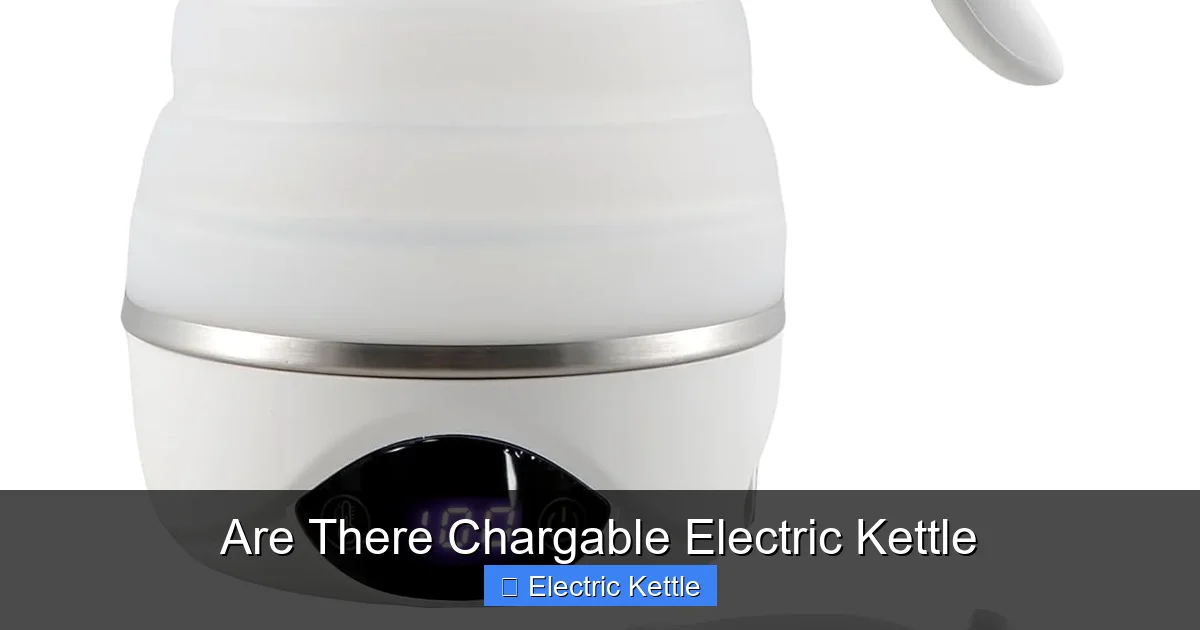
Visual guide about Are There Chargable Electric Kettle
Image source: m.media-amazon.com
At first glance, a chargable electric kettle might seem like magic—how can it boil water without being plugged in? The secret lies in its internal battery and heating element. Most models use lithium-ion batteries, similar to those found in smartphones or power banks, to store electrical energy. When you press the boil button, that stored energy powers a small heating coil inside the kettle, which heats the water to boiling point.
These kettles typically charge via USB-C or standard USB ports, allowing you to recharge them using a variety of sources: a wall adapter, a laptop, a car charger, or even a portable solar panel. Some advanced models come with built-in batteries, while others are designed to work with external power banks—giving you even more flexibility.
One key difference from traditional kettles is power output. Most plug-in electric kettles operate at 1200–1800 watts, allowing them to boil a full liter of water in under 5 minutes. In contrast, chargable kettles usually run at 300–600 watts due to battery limitations. This means they take longer—often 7 to 10 minutes—to heat the same amount of water. However, for small servings (like a single cup), the difference is less noticeable.
Another important feature is thermal insulation. Since these kettles aren’t constantly connected to power, many are designed with double-walled insulation to keep water hot longer after boiling. This helps conserve battery life and ensures your drink stays warm while you prepare it.
Battery Types and Charging Methods
The type of battery used in a chargable electric kettle plays a big role in its performance and lifespan. Most modern models use lithium-ion (Li-ion) or lithium-polymer (Li-Po) batteries because they’re lightweight, rechargeable, and hold a charge well over time.
Li-ion batteries are the most common. They offer a good balance of energy density, weight, and cost. You’ll typically find them in mid-range portable kettles. Li-Po batteries, on the other hand, are lighter and can be shaped to fit compact designs, making them ideal for ultra-portable models.
Charging methods vary by model. Some kettles come with a dedicated charging dock or cable, while others use standard USB-C ports—just like your phone. This makes recharging incredibly convenient. For example, if you’re on a road trip, you can plug your kettle into your car’s USB port while driving. If you’re camping, a portable power bank can keep it charged for days.
One innovative feature in newer models is pass-through charging. This allows the kettle to boil water while it’s still connected to a power source, so you don’t have to wait for a full recharge before using it again. It’s especially useful when you’re low on battery but have access to a charger.
Heating Mechanism and Efficiency
The heating element in a chargable electric kettle is usually a thin, flat coil made of stainless steel or nichrome wire. When electricity flows through it, the coil heats up rapidly, transferring thermal energy to the water. Because these kettles are battery-powered, manufacturers focus on energy efficiency to maximize battery life.
Many models include smart temperature control, allowing you to select specific heat settings—like 175°F for green tea or 212°F for boiling. This not only saves energy but also prevents overheating and preserves the flavor of delicate teas.
Efficiency also depends on the kettle’s design. Kettles with better insulation lose less heat to the environment, meaning the heating element doesn’t have to work as hard. Some even have vacuum-sealed walls, similar to high-end travel mugs, to maintain temperature.
It’s worth noting that chargable kettles are most efficient with smaller volumes of water. Boiling a full 1-liter capacity drains the battery quickly, so many users opt to heat only what they need—say, 300–500ml at a time. This not only saves power but also reduces boiling time.
Types of Chargable Electric Kettles
Not all chargable electric kettles are created equal. Depending on your needs, you’ll find several types on the market, each with unique features and use cases. Understanding the differences can help you pick the right one.
Built-in Battery Kettles
These are the most common type. They come with a rechargeable battery sealed inside the unit, so there’s no need for external power sources during use. You charge them like a smartphone—plug in the cable, wait a few hours, and you’re ready to go.
Pros:
– Fully self-contained and easy to use
– No extra gear needed
– Often include safety features like auto shut-off
Cons:
– Heavier than other types due to the internal battery
– Battery cannot be replaced easily (may shorten product lifespan)
– Longer recharge times
Popular examples include the *Travel Kettle Pro* and *GoHeat Portable Kettle*, which offer 500–750ml capacity and 4–6 boils per charge.
USB-Powered Kettles
These kettles don’t have their own battery. Instead, they rely on external power sources like USB cables connected to power banks, laptops, or car adapters. They’re lighter and often cheaper than built-in models.
Pros:
– Lightweight and compact
– Can use any USB power source
– No battery degradation over time
Cons:
– Must be connected to power while boiling
– Not truly “wireless” during operation
– Limited by power bank capacity
These are great for office use or short trips where you have access to a power bank. The *USB BoilGo Kettle* is a popular choice, heating 300ml in under 8 minutes when connected to a 20,000mAh power bank.
Solar-Powered Kettles
A niche but growing category, solar-powered kettles use built-in solar panels or connect to external solar chargers. They’re ideal for eco-conscious travelers or those in remote areas with abundant sunlight.
Pros:
– Environmentally friendly
– Unlimited power source (sunlight)
– Perfect for long camping trips
Cons:
– Slow charging in cloudy weather
– Larger and bulkier due to solar panels
– Higher upfront cost
The *SunBoil Solar Kettle* is one example, featuring foldable solar panels and a 600ml capacity. It can boil water in 10–15 minutes under direct sunlight.
Multi-Functional Travel Kettles
Some chargable kettles go beyond just boiling water. They include features like built-in mugs, temperature displays, or even coffee makers. These all-in-one devices are perfect for minimalist travelers who want to pack light.
For instance, the *All-in-One Travel Kettle Mug* combines a 400ml kettle with a detachable drinking cup and lid. It’s USB-rechargeable and includes a digital thermometer so you can brew at the perfect temperature.
Pros and Cons of Using a Chargable Electric Kettle
Like any product, chargable electric kettles come with advantages and drawbacks. Let’s break them down so you can decide if one fits your lifestyle.
Advantages
Portability: The biggest benefit is mobility. These kettles are lightweight, compact, and easy to carry. Whether you’re backpacking through Europe or working remotely from a cabin, you can enjoy hot water without relying on local appliances.
Convenience: No more searching for a microwave or stove. Just fill, press a button, and wait a few minutes. Some models even have one-touch boiling and keep-warm functions.
Energy Efficiency: Because they heat only the water you need, they use less energy than boiling a full kettle at home. This is especially useful when traveling or living off-grid.
Versatility: Beyond tea and coffee, you can use them to rehydrate meals, sterilize baby bottles, or clean dishes in a pinch.
Eco-Friendly Options: Solar and USB-powered models reduce reliance on disposable heating methods like gas stoves or single-use hot water dispensers.
Disadvantages
Slower Heating: As mentioned, battery-powered kettles take longer to boil water—sometimes double the time of a plug-in model. This can be frustrating if you’re in a hurry.
Limited Capacity: Most hold between 300ml and 750ml, which is fine for one or two people but not ideal for families or groups.
Battery Life: Depending on usage, you may only get 2–4 boils per charge. If you forget to recharge, you could be left without hot water.
Higher Cost: Quality chargable kettles often cost $50–$100, which is more than basic electric kettles. However, the convenience may justify the price for frequent travelers.
Durability Concerns: Frequent charging and discharging can degrade the battery over time. Some models aren’t built to last more than a year or two with heavy use.
Who Should Buy a Chargable Electric Kettle?
Chargable electric kettles aren’t for everyone—but for the right person, they’re incredibly useful. Here’s who benefits most:
Frequent Travelers
If you’re always on the move—whether for work or leisure—a rechargeable kettle ensures you can enjoy your favorite hot drinks in hotel rooms, Airbnbs, or even airport lounges. Many hotels don’t provide kettles, and those that do may not be clean or reliable.
Campers and Outdoor Enthusiasts
For campers, hikers, and RV owners, access to hot water can make a big difference. A chargable kettle lets you brew coffee at sunrise, cook dehydrated meals, or wash up without needing a fire or propane stove.
Digital Nomads and Remote Workers
If you work from coffee shops, co-working spaces, or temporary accommodations, a portable kettle gives you control over your beverage quality. No more settling for stale coffee or weak tea.
Students and Dorm Dwellers
College students living in dorms often have limited kitchen access. A small, USB-powered kettle can be a lifesaver for making instant meals, tea, or oatmeal—without violating dorm rules (just check your school’s policies first!).
Eco-Conscious Consumers
Those looking to reduce their carbon footprint may appreciate solar or USB-powered models that minimize energy waste and avoid single-use heating methods.
How to Choose the Best Chargable Electric Kettle
With so many options available, picking the right chargable electric kettle can feel overwhelming. Here are key factors to consider:
Capacity
Think about how much water you typically need. If you drink one cup at a time, a 300–400ml kettle is sufficient. For two people or larger servings, look for 600–750ml models.
Battery Life and Charging Time
Check how many boils the kettle can handle on a single charge and how long it takes to recharge. Aim for at least 3–4 boils and a charging time under 3 hours.
Power Source Compatibility
Ensure the kettle works with your existing gear. USB-C is the most versatile, but some models only accept proprietary chargers.
Safety Features
Look for:
– Auto shut-off when water boils
– Boil-dry protection (stops heating if no water is detected)
– Cool-touch exterior and insulated handle
– Overheat protection
Material and Build Quality
Stainless steel is durable and retains heat well. BPA-free plastic is lighter but may retain odors over time. Avoid cheap materials that can warp or leak.
Portability
Consider weight, size, and whether it comes with a carrying case. A kettle under 1.5 pounds is ideal for travel.
Additional Features
Some extras to look for:
– Temperature control settings
– LED display or indicator lights
– Detachable cord or mug
– Keep-warm function
Top Tips for Using Your Chargable Electric Kettle
To get the most out of your rechargeable kettle, follow these practical tips:
- Pre-charge before trips: Always start with a full battery. There’s nothing worse than needing hot water and finding your kettle is dead.
- Use filtered water: Minerals in tap water can build up and affect performance. Filtered or distilled water helps extend the kettle’s life.
- Don’t overfill: Stick to the recommended maximum level. Overfilling can cause spills and strain the heating element.
- Clean regularly: Wipe the interior with a damp cloth and vinegar solution monthly to remove limescale.
- Store properly: Keep the kettle dry and store it with the lid open to prevent mold or odors.
- Use a power bank wisely: If using an external power source, choose one with at least 20,000mAh capacity for multiple boils.
Final Thoughts: Are Chargable Electric Kettles Worth It?
So, are there chargable electric kettles? Absolutely. And for the right user, they’re not just a novelty—they’re a practical, convenient tool that enhances travel, outdoor adventures, and daily routines.
While they won’t replace your kitchen kettle for everyday use, they fill an important gap: providing hot water when and where you need it, without relying on outlets or stoves. With advancements in battery tech and USB-C charging, these devices are becoming more reliable, efficient, and affordable.
If you value independence, convenience, and the simple pleasure of a hot drink on the go, a rechargeable electric kettle is a smart investment. Just be sure to choose a model that matches your needs—whether that’s a compact USB-powered version for the office or a solar-ready kettle for the wilderness.
In a world where mobility matters, the chargable electric kettle is a small but powerful step toward greater freedom and comfort.
Frequently Asked Questions
Can a chargable electric kettle boil water as fast as a regular one?
No, chargable electric kettles are generally slower due to lower wattage. While a standard kettle boils water in 3–5 minutes, a rechargeable model may take 7–10 minutes, depending on the battery and water volume.
How long does the battery last on a rechargeable kettle?
Battery life varies by model, but most provide 2–4 full boils per charge. High-capacity models with larger batteries may last longer, while smaller ones may only manage one or two uses before needing a recharge.
Can I use a power bank to charge my electric kettle?
Yes, many USB-powered kettles are designed to work with power banks. Just ensure the power bank has sufficient output (at least 2A) and capacity (20,000mAh or more) to boil water effectively.
Are chargable electric kettles safe to use?
Yes, as long as they include safety features like auto shut-off, boil-dry protection, and insulated handles. Always follow the manufacturer’s instructions and avoid overfilling or using damaged units.
Can I take a rechargeable kettle on a plane?
Most rechargeable kettles are allowed in checked luggage, but lithium batteries may be restricted in carry-on bags. Check with your airline and TSA guidelines before flying. Some models are designed to meet aviation safety standards.
Do solar-powered kettles work on cloudy days?
Solar kettles are less effective in cloudy or low-light conditions. They work best under direct sunlight and may take significantly longer—or not boil at all—on overcast days. A backup charging method is recommended.