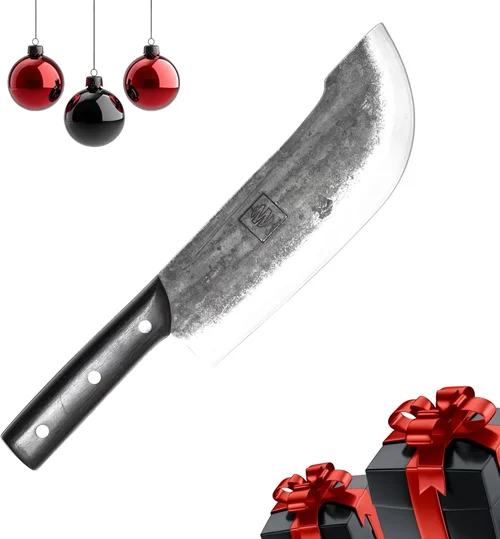
When it comes to breaking down large cuts of meat—whether you’re a home cook tackling a whole chicken, a weekend warrior processing a side of beef, or a professional butcher working through primal cuts—the right knife isn’t just helpful, it’s essential. A high-quality butcher knife can mean the difference between a clean, efficient breakdown and a frustrating, injury-prone ordeal. In 2026, the market is flooded with options, from budget-friendly imports to hand-forged Japanese masterpieces, making it harder than ever to know what truly delivers performance, durability, and value.
This comprehensive buying guide is designed to cut through the noise. Whether you’re preparing for your first whole-animal butchery project or upgrading your professional kit, we’ll walk you through everything you need to know to choose the best butcher knife for your needs. You’ll learn how to evaluate blade steel, handle ergonomics, balance, and construction quality. We’ll compare different types of butcher knives, highlight common pitfalls, and provide expert-backed recommendations across all budget ranges. By the end, you’ll have the knowledge and confidence to invest in a tool that will serve you reliably for years.
The butcher knife market in 2026 reflects a blend of tradition and innovation. Classic Western-style cleavers and breaking knives coexist with modern high-carbon stainless steels, ergonomic composite handles, and even hybrid designs that blend utility with precision. Brands like Wüsthof, Victorinox, Dexter-Russell, and Japanese specialists such as Masamoto and Misono continue to dominate, while emerging artisans and direct-to-consumer brands offer compelling alternatives. With sustainability, craftsmanship, and performance at the forefront, today’s buyers have more informed choices than ever before.
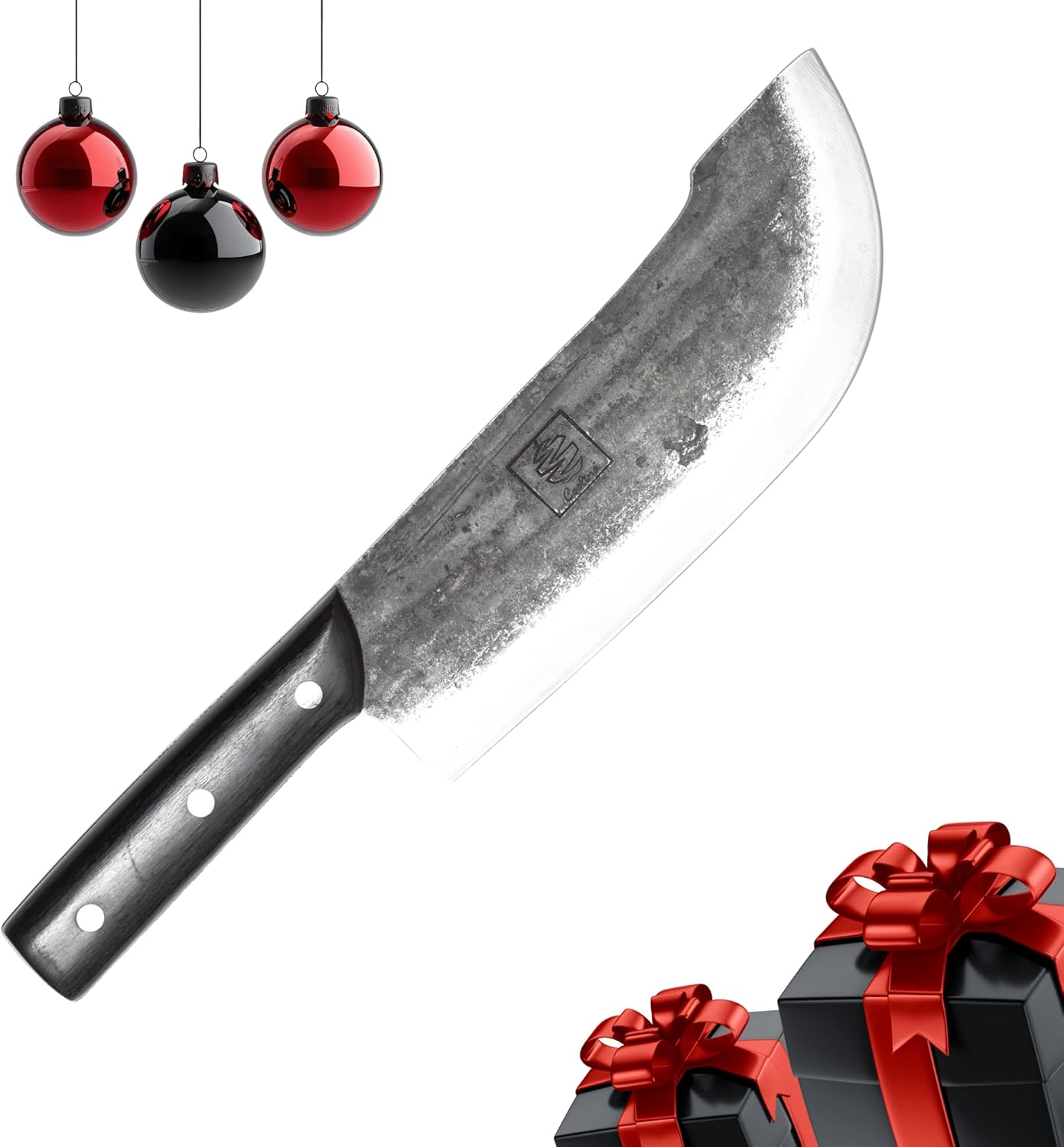
What to Look for When Buying Buying Guide
1. Blade Steel and Composition
The heart of any butcher knife is its blade steel. This determines how well the knife holds an edge, resists corrosion, and withstands the rigors of heavy-duty cutting. For breaking down large cuts, you need a steel that balances hardness, toughness, and ease of sharpening. High-carbon stainless steels like VG-10, AUS-10, and 440C are popular choices because they offer excellent edge retention and rust resistance. Carbon steels, such as 1095 or Shirogami (white steel), are favored by traditionalists for their razor-sharp edges and ease of sharpening, though they require more maintenance to prevent rust.
Look for blades with a Rockwell hardness (HRC) between 56 and 60. Knives below 56 HRC may dull quickly under heavy use, while those above 60 can become brittle and prone to chipping when striking bone or cartilage. Japanese knives often lean toward higher HRC ratings (58–62), ideal for precision work, while Western-style butcher knives typically sit in the 56–58 range, offering better durability for forceful cuts.
2. Blade Length and Shape
Blade length directly impacts your ability to handle large cuts. For breaking down whole animals or large primals, a blade between 8 and 10 inches is ideal. This length provides enough surface area to make long, controlled strokes while maintaining maneuverability. Shorter blades (6–7 inches) are better suited for smaller tasks like deboning poultry, while anything over 10 inches may become unwieldy for detailed work.
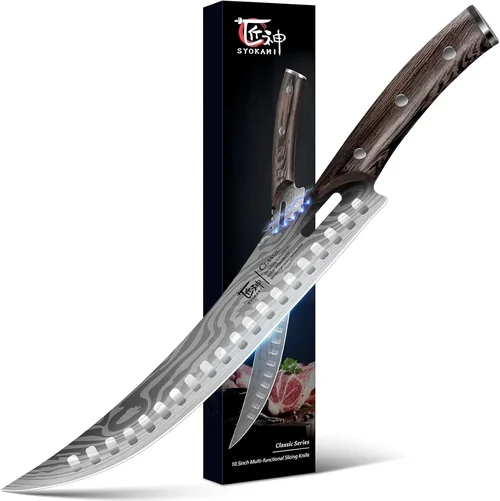
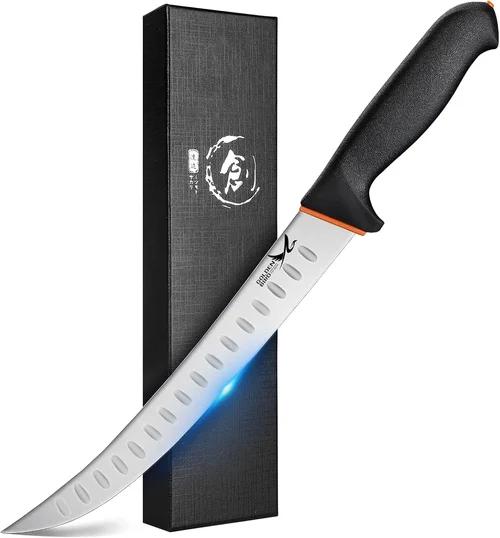
The shape of the blade also matters. A traditional butcher knife features a broad, slightly curved belly that allows for rocking motions when trimming fat or slicing meat. The tip is often pointed for precision work, while the spine is thick and sturdy to absorb impact. Some models incorporate a “breaking knife” design—wider and heavier than a standard chef’s knife—optimized for splitting ribs, cutting through cartilage, or portioning large sections.
3. Handle Ergonomics and Material
A butcher knife is only as good as the hand that wields it. After hours of breaking down meat, an uncomfortable handle can lead to fatigue, slippage, and even injury. Look for handles with ergonomic contours that fit naturally in your grip, especially if you have larger hands. Full-tang construction—where the blade steel extends through the entire handle—is a must for balance and durability.
Handle materials vary widely. Traditional options include hardwood (like walnut or rosewood), which offers a classic feel but can absorb moisture and bacteria if not properly sealed. Modern synthetics like G-10, Micarta, or high-density polypropylene are increasingly popular due to their durability, slip resistance, and ease of cleaning. Some premium knives feature composite handles with textured grips or finger grooves for added control.
4. Weight and Balance
Weight distribution is critical when working with large cuts. A well-balanced butcher knife should feel like an extension of your arm—neither too front-heavy nor too handle-heavy. Most quality butcher knives weigh between 8 and 14 ounces. Heavier knives (12+ ounces) are better for chopping through bone or dense connective tissue, while lighter models (under 10 ounces) offer greater agility for trimming and slicing.
Balance is determined by where the knife pivots in your hand. Ideally, the balance point should be just ahead of the handle, allowing for precise control without excessive wrist strain. Full-tang knives with evenly distributed mass tend to offer the best balance. Avoid knives that feel “blade-heavy,” as they can cause fatigue and reduce accuracy over time.
5. Edge Retention and Sharpening Ease
No matter how sharp a knife starts, it will dull with use—especially when cutting through bone, cartilage, or frozen meat. Edge retention refers to how long the blade maintains its sharpness under normal use. High-end steels like VG-10 or powdered metallurgy alloys (e.g., ZDP-189) offer superior edge retention but may require specialized sharpening tools.
Consider your sharpening routine. If you sharpen frequently with a whetstone, a harder steel (HRC 58+) may be ideal. If you prefer convenience, opt for a softer, more forgiving steel that’s easy to maintain with a honing rod or pull-through sharpener. Some manufacturers include sharpening instructions or recommend specific angles (typically 15–20 degrees per side for butcher knives).
6. Build Quality and Construction
The way a knife is made speaks volumes about its longevity. Look for seamless transitions between blade and handle, secure rivets (if applicable), and no visible gaps or rough edges. Full-tang construction is preferred for durability, as it reduces the risk of the blade loosening over time. Hidden tang knives (where the tang is encased in the handle) can be strong but are generally less robust under heavy impact.
Pay attention to the heat treatment process. A properly heat-treated blade will have consistent hardness and flexibility. Poorly treated steel may warp, crack, or chip prematurely. Reputable brands often disclose their heat treatment methods or use third-party testing to verify performance.
7. Intended Use and Versatility
Not all butcher knives are created equal. Some are designed specifically for breaking down large cuts, while others double as general-purpose kitchen tools. A dedicated breaking knife will have a thicker spine and heavier blade for power cuts, whereas a boning knife is thinner and more flexible for detailed work.
Consider how you’ll use the knife. If you’re processing whole chickens, a 7-inch flexible boning knife might suffice. For beef ribs or pork shoulders, an 8–10 inch stiff breaking knife is better. Some chefs prefer a “cleaver-style” butcher knife for its versatility—it can chop, slice, and even crush garlic.
8. Brand Reputation and Warranty
Established brands like Wüsthof, Victorinox, and Dexter-Russell have decades of experience crafting professional-grade cutlery. They invest in quality control, consistent materials, and customer support. While lesser-known brands can offer great value, they may lack the same level of reliability or after-sales service.
Check the warranty. Most reputable manufacturers offer at least a limited lifetime warranty covering defects in materials and workmanship. Some even include free sharpening or repair services. Avoid brands with vague or non-existent warranties—this is often a red flag for poor quality control.
Different Types of Buying Guide

Common Buying Mistakes to Avoid
❌ Mistake: Prioritizing Price Over Performance
Why it’s bad: A cheap knife may save money upfront but often leads to frustration, frequent sharpening, and even injury due to poor balance or weak construction. Low-quality steel dulls quickly and may chip when hitting bone.
What to do instead: Invest in a mid-range knife ($100–$150) from a reputable brand. It will last longer, perform better, and reduce long-term costs.
❌ Mistake: Ignoring Handle Comfort
Why it’s bad: An uncomfortable handle causes hand fatigue, reduces control, and increases the risk of slipping—especially when hands are wet or greasy.
What to do instead: Choose a knife with an ergonomic, non-slip handle. Test it in-store or read detailed reviews about grip feel.
❌ Mistake: Choosing the Wrong Blade Length
Why it’s bad: A blade that’s too short limits your ability to make clean, long cuts. One that’s too long becomes unwieldy and difficult to control.
What to do instead: Match blade length to your typical tasks. 8–10 inches is ideal for most large-cut butchery.
❌ Mistake: Overlooking Maintenance Needs
Why it’s bad: Carbon steel knives require regular oiling and drying to prevent rust. Neglecting this can ruin an otherwise excellent blade.
What to do instead: If you’re not prepared for maintenance, choose a high-quality stainless steel knife instead.
❌ Mistake: Buying Based on Aesthetics Alone
Why it’s bad: A beautiful knife with a Damascus pattern or exotic wood handle may look great but perform poorly if the steel or balance is subpar.
What to do instead: Focus on function first. Beauty is a bonus, not a priority.
❌ Mistake: Skipping the Warranty Check
Why it’s bad: Without a solid warranty, you’re stuck with a defective or broken knife and no recourse.
What to do instead: Always verify the warranty terms before purchasing. Look for brands that offer lifetime coverage.
❌ Mistake: Assuming All “Professional” Knives Are Equal
Why it’s bad: The term “professional” is unregulated. Some budget knives are marketed as pro-grade but lack the materials or build quality.
What to do instead: Research the brand, read independent reviews, and check for full-tang construction and quality steel.
Budget Guidelines: How Much Should You Spend?
Why it’s bad: A blade that’s too short limits your ability to make clean, long cuts. One that’s too long becomes unwieldy and difficult to control.
What to do instead: Match blade length to your typical tasks. 8–10 inches is ideal for most large-cut butchery.
❌ Mistake: Overlooking Maintenance Needs
Why it’s bad: Carbon steel knives require regular oiling and drying to prevent rust. Neglecting this can ruin an otherwise excellent blade.
What to do instead: If you’re not prepared for maintenance, choose a high-quality stainless steel knife instead.
❌ Mistake: Buying Based on Aesthetics Alone
Why it’s bad: A beautiful knife with a Damascus pattern or exotic wood handle may look great but perform poorly if the steel or balance is subpar.
What to do instead: Focus on function first. Beauty is a bonus, not a priority.
❌ Mistake: Skipping the Warranty Check
Why it’s bad: Without a solid warranty, you’re stuck with a defective or broken knife and no recourse.
What to do instead: Always verify the warranty terms before purchasing. Look for brands that offer lifetime coverage.
❌ Mistake: Assuming All “Professional” Knives Are Equal
Why it’s bad: The term “professional” is unregulated. Some budget knives are marketed as pro-grade but lack the materials or build quality.
What to do instead: Research the brand, read independent reviews, and check for full-tang construction and quality steel.
Budget Guidelines: How Much Should You Spend?
Why it’s bad: A beautiful knife with a Damascus pattern or exotic wood handle may look great but perform poorly if the steel or balance is subpar.
What to do instead: Focus on function first. Beauty is a bonus, not a priority.
❌ Mistake: Skipping the Warranty Check
Why it’s bad: Without a solid warranty, you’re stuck with a defective or broken knife and no recourse.
What to do instead: Always verify the warranty terms before purchasing. Look for brands that offer lifetime coverage.
❌ Mistake: Assuming All “Professional” Knives Are Equal
Why it’s bad: The term “professional” is unregulated. Some budget knives are marketed as pro-grade but lack the materials or build quality.
What to do instead: Research the brand, read independent reviews, and check for full-tang construction and quality steel.
Budget Guidelines: How Much Should You Spend?
Why it’s bad: The term “professional” is unregulated. Some budget knives are marketed as pro-grade but lack the materials or build quality.
What to do instead: Research the brand, read independent reviews, and check for full-tang construction and quality steel.
Budget Guidelines: How Much Should You Spend?
– Entry-Level ($50–$90): What to expect… Knives in this range are often mass-produced with stamped blades and partial tangs. They may use lower-grade stainless steel (e.g., 420J2) that dulls quickly. Suitable for occasional use or beginners, but not recommended for frequent butchery. Brands like Mercer and Rada offer decent value here.
– Mid-Range ($90–$180): Sweet spot for most buyers… This is where you’ll find the best balance of performance, durability, and value. Knives from Victorinox, Dexter-Russell, and Wüsthof’s Classic line fall here. Expect full-tang construction, high-carbon stainless steel, and ergonomic handles. Ideal for home butchers and serious cooks.
– Premium ($180–$350): For enthusiasts and professionals… These knives feature superior steel (VG-10, AUS-10), hand-forged blades, and premium handles. Brands like Shun, Global, and Misono excel here. Expect excellent edge retention, precise balance, and long-term reliability. Worth the investment for daily use.
– Luxury ($350+): Top-tier features… Handcrafted by master smiths, often using Damascus cladding, rare woods, or custom fittings. These are collector’s items as much as tools. While beautiful and functional, they may require specialized care. Best for serious collectors or those who value artisanal craftsmanship.
Expert Tips for Getting the Best Deal
– Buy during seasonal sales: Look for discounts around Black Friday, Memorial Day, or post-holiday clearance events. Many retailers offer 20–30% off premium brands.
– Shop directly from manufacturers: Brands like Wüsthof and Victorinox often have exclusive deals or refurbished models on their websites at lower prices.
– Consider refurbished or factory-second knives: These are typically inspected, sharpened, and sold at a discount. Perfect for budget-conscious buyers who want quality.
– Read long-term user reviews: Focus on reviews from people who’ve used the knife for 6+ months. They’ll reveal durability issues not apparent in first impressions.
– Check return policies: Ensure you can return or exchange the knife if it doesn’t meet expectations. Some retailers offer 30-day trials.
– Test before buying (if possible): Visit a kitchen supply store and handle the knife. Feel the weight, balance, and grip. Your instincts matter.
– Bundle with other tools: Some retailers offer discounts when you buy a knife set or include a sharpening stone or honing rod.
– Join brand newsletters: Many companies send exclusive promo codes or early access to sales to subscribers.

Frequently Asked Questions
Q: What’s the difference between a butcher knife and a cleaver?
A: While often used interchangeably, a butcher knife is typically narrower and more tapered, designed for slicing and trimming meat. A cleaver is broader, heavier, and built for chopping through bone and dense materials. Some knives blend both designs.
Q: Can I use a butcher knife on a cutting board?
A: Yes, but use a sturdy, non-slip board made of wood or high-quality polyethylene. Avoid glass or ceramic, which can damage the blade.
Q: How often should I sharpen my butcher knife?
A: It depends on usage. For frequent butchery, sharpen every 2–4 weeks. Use a honing rod daily to maintain the edge between sharpenings.
Q: Are Japanese butcher knives better than Western ones?
A: Not necessarily. Japanese knives (like Deba) excel in precision and edge retention but may be less durable for heavy chopping. Western knives offer better balance and toughness for breaking down large cuts.
Q: Can I put my butcher knife in the dishwasher?
A: No. Dishwashers can damage the blade, handle, and edge. Always hand-wash and dry immediately.
Q: What’s the best way to store a butcher knife?
A: Use a knife block, magnetic strip, or blade guard. Avoid tossing it in a drawer with other utensils, which can dull the edge.
Q: Do I need more than one butcher knife?
A: For serious butchery, yes. A breaking knife for large cuts, a boning knife for detail work, and a cleaver for bone are ideal. Start with one versatile 8–10 inch knife and expand as needed.
Q: How do I know if a knife is full-tang?
A: Look for the metal extending through the entire handle. You should see the tang on both sides, often secured with rivets.
Q: Can I sharpen a butcher knife at home?
A: Absolutely. Use a whetstone (1000/6000 grit) or guided sharpener. Maintain a consistent angle (15–20 degrees) for best results.
Q: Are expensive knives worth it?
A: If you use the knife regularly, yes. A high-quality knife improves safety, efficiency, and enjoyment. For occasional use, a mid-range option is sufficient.
Our Final Recommendations
– Best for Budget-Conscious Buyers: Victorinox Fibrox Pro 8″ Butcher Knife ($65) – Outstanding value with a comfortable, non-slip handle and durable stainless steel. Ideal for home butchers on a budget.
– Best Overall Value: Wüsthof Classic 9″ Butcher Knife ($160) – Full-tang, precision-forged, and balanced. A reliable workhorse for serious cooks and small-scale processors.
– Best Premium Option: Misono UX10 9.5″ Butcher Knife ($320) – Made with premium Swedish steel, this Japanese-style knife offers exceptional sharpness and edge retention. Perfect for professionals.
– Best for Beginners: Dexter-Russell 8″ Breaking Knife ($85) – Simple, sturdy, and easy to maintain. Great for learning proper butchery techniques.
– Best for Advanced Users: Shun Premier 9″ Butcher Knife ($280) – Damascus-clad, hand-sharpened, and beautifully balanced. Combines artistry with performance for experienced users.
Conclusion: Making the Right Choice
Choosing the best butcher knife for breaking down large cuts is about more than just picking a sharp blade—it’s about finding a tool that fits your hands, your workflow, and your long-term goals. From steel composition and blade length to handle comfort and brand reputation, every detail matters when you’re working with meat on a large scale.
We’ve covered the key factors, compared types, highlighted common mistakes, and provided actionable advice to help you make an informed decision. Remember, the best knife is the one you’ll use confidently and safely, day after day. Don’t rush the process. Take time to research, test, and reflect on your needs.
Whether you’re processing a whole hog for a community feast or simply want to master the art of butchery at home, the right knife will elevate your craft. Invest wisely, maintain it well, and it will serve you faithfully for years to come. Now go forth—break down those cuts like a pro.