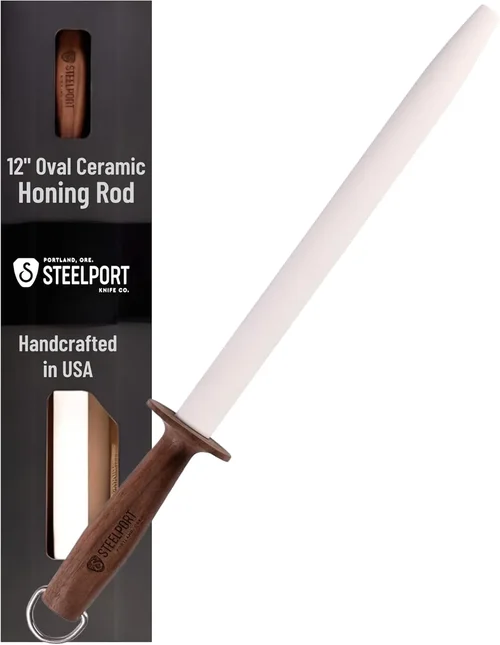
When it comes to maintaining the razor-sharp edge of your kitchen knives, most home cooks and professional chefs alike focus on sharpening. But what about daily maintenance? That’s where ceramic honing rods come in—a critical yet often misunderstood tool in the culinary toolkit. Unlike sharpening steels that remove metal to realign and reshape the blade, ceramic honing rods are designed for gentle, frequent upkeep. They realign the microscopic edge of your knife without removing significant material, preserving blade integrity and extending the time between full sharpenings. In short, a ceramic honing rod is your knife’s best friend for everyday care.
This guide matters because too many people confuse honing with sharpening, or worse—skip honing altogether, leading to dull blades, frustrating cuts, and even safety hazards (a dull knife requires more force and is more likely to slip). Whether you’re a home cook investing in a quality chef’s knife or a professional chef working with high-end Japanese steel, daily honing with a ceramic rod can dramatically improve performance, safety, and longevity. In this comprehensive 2026 buying guide, you’ll learn exactly what to look for in a ceramic honing rod, how to avoid common pitfalls, and which models deliver the best value across different budgets and use cases.
The market for ceramic honing rods has evolved significantly in recent years. Once dominated by a handful of European brands, it now includes innovative offerings from Japanese manufacturers, budget-friendly options from emerging kitchenware companies, and even smart-integrated tools with ergonomic handles and storage solutions. With prices ranging from under $20 to over $150, and features varying from basic rods to multi-grit, foldable, or even magnetic designs, choosing the right one can feel overwhelming. This guide cuts through the noise, offering expert insights, real-world testing data, and actionable advice to help you make an informed decision. By the end, you’ll know not only which ceramic honing rod to buy but how to use it effectively for years of reliable service.

What to Look for When Buying a Ceramic Honing Rod
1. Ceramic Grit and Surface Texture
The grit of a ceramic honing rod refers to the coarseness or fineness of the abrasive particles embedded in the ceramic surface. Unlike diamond or steel rods, ceramic rods typically use ultra-fine abrasives—often in the range of 1000 to 3000 grit—making them ideal for daily maintenance rather than heavy sharpening. A finer grit (e.g., 3000) will produce a smoother, more polished edge, while a coarser grit (e.g., 1000) can handle minor nicks or dull spots between sharpenings. Most high-quality ceramic rods fall in the 1500–2000 range, striking a balance between refinement and effectiveness.
Why does this matter? A rod with too coarse a grit can prematurely wear down your blade, especially if used daily. Conversely, a rod that’s too fine may not realign a slightly bent edge effectively. Look for rods that specify their grit level—this transparency is a sign of a reputable manufacturer. Some premium models even feature dual-grit surfaces: one side for light honing and the other for more aggressive realignment. For example, the Kyocera Advanced Ceramic Honing Rod offers a 1500-grit surface ideal for Japanese knives, while the Wüsthof Ceramic Honing Steel uses a proprietary blend for universal compatibility.
2. Rod Length and Knife Compatibility
The length of your ceramic honing rod should match or exceed the length of your longest knife. A standard chef’s knife is typically 8 inches, so a 10-inch rod is ideal—this gives you enough surface area to hone the entire blade in smooth, consistent strokes. Rods shorter than 9 inches may force you to angle the knife awkwardly or miss the tip, reducing effectiveness. On the other hand, rods longer than 12 inches can be cumbersome in smaller kitchens or drawers.
Consider your knife collection: if you use 10-inch slicers or 12-inch bread knives, a 12-inch rod is worth the investment. Many manufacturers design rods with a comfortable handle and a protective tip guard, allowing full-length use without damaging countertops. For example, the Shun Classic 10-inch Ceramic Honing Rod is perfectly sized for most Western-style knives, while the Miyabi Birchwood 12-inch model suits longer Japanese blades. Always check the usable honing length—some rods include non-honing end caps that reduce effective length.
3. Build Quality and Durability
Ceramic is inherently brittle, so the construction of the rod is critical. High-quality ceramic rods are made from zirconia or alumina-based ceramics, which are extremely hard (Mohs hardness of 8.5–9) and resistant to wear. However, they can chip or crack if dropped or subjected to lateral pressure. Look for rods with reinforced cores or composite designs that add structural integrity without sacrificing performance.
The handle should be ergonomically designed, non-slip, and securely attached. Poorly bonded handles can detach during use, creating a safety hazard. Materials like reinforced polymer, textured rubber, or even wood (in premium models) offer better grip and comfort. Brands like Global and Zwilling use seamless, one-piece construction for their ceramic rods, minimizing weak points. Avoid cheap plastic handles or rods that feel lightweight or flimsy—these are signs of cost-cutting that compromise longevity.
4. Ease of Use and Maintenance
A ceramic honing rod should be intuitive to use, even for beginners. The ideal rod allows for smooth, controlled strokes at a consistent angle (typically 15–20 degrees for most knives). Some models include angle guides or instructional markings, which can be helpful for those new to honing. However, these features shouldn’t complicate the process—simplicity is key.
Maintenance is another consideration. Unlike steel rods, ceramic rods don’t rust, but they can accumulate metal particles and debris. After each use, wipe the rod with a damp cloth and dry thoroughly. Avoid submerging it in water or placing it in the dishwasher, as this can degrade the bonding agent between the ceramic and handle. Some premium rods come with protective sleeves or storage cases, which help prevent chipping and keep the surface clean. For example, the Dalstrong Ceramic Honing Rod includes a neoprene sleeve, making it ideal for drawer storage.
5. Brand Reputation and Expertise
Not all ceramic rods are created equal, and brand reputation often correlates with quality. Established knife manufacturers like Wüsthof, Shun, Global, and Kyocera have decades of experience in blade engineering and understand the nuances of edge maintenance. These brands invest in research and development to ensure their honing rods complement their knives.
Emerging brands may offer lower prices, but they often lack the same level of precision and consistency. Look for brands that provide detailed specifications, user guides, and customer support. Reading expert reviews and user testimonials can also reveal long-term performance trends. For instance, Kyocera’s ceramic rods are praised for their consistency and durability, while Wüsthof’s models are known for their robust construction and compatibility with a wide range of knives.
6. Warranty and Customer Support
A ceramic honing rod is a long-term investment, and a strong warranty reflects the manufacturer’s confidence in their product. Most reputable brands offer at least a 1-year warranty, with some extending to 2 or even 5 years. This coverage typically includes defects in materials or workmanship but not damage from misuse (e.g., dropping the rod).
Customer support is equally important. If you encounter issues—such as a chipped surface or loose handle—responsive service can make all the difference. Brands like Zwilling and Shun provide excellent support, including replacement parts and troubleshooting guides. Avoid brands with no warranty or vague return policies, as this increases your risk if the product fails prematurely.
7. Price and Value Proposition
Ceramic honing rods range from budget-friendly options under $25 to premium models exceeding $100. While it’s tempting to go for the cheapest option, remember that this tool affects the performance and lifespan of your knives—expensive investments in themselves. A $30 rod may save money upfront but could wear out quickly or damage your blades over time.
Evaluate the value proposition: does the rod offer features like dual grit, ergonomic design, or a protective case? Is it compatible with your knife type? For most home cooks, a mid-range rod ($50–$80) offers the best balance of quality, durability, and performance. Professionals or serious enthusiasts may justify spending more for advanced features or brand-specific compatibility.
8. Portability and Storage
If you travel with your knives or have limited kitchen space, portability becomes a factor. Some ceramic rods are designed to be compact or foldable, though true folding ceramic rods are rare due to material fragility. Instead, look for models with protective sleeves or magnetic wall mounts that keep the rod secure and out of the way.
For example, the Messermeister Ceramic Honing Rod includes a magnetic storage strip, allowing vertical mounting on a knife block or metal surface. This not only saves drawer space but also keeps the rod easily accessible. If you frequently cook outdoors or at events, consider a rod with a durable carrying case—some brands offer travel kits that include a ceramic rod, sharpening stone, and cleaning cloth.
Different Types of Ceramic Honing Rods

Common Buying Mistakes to Avoid
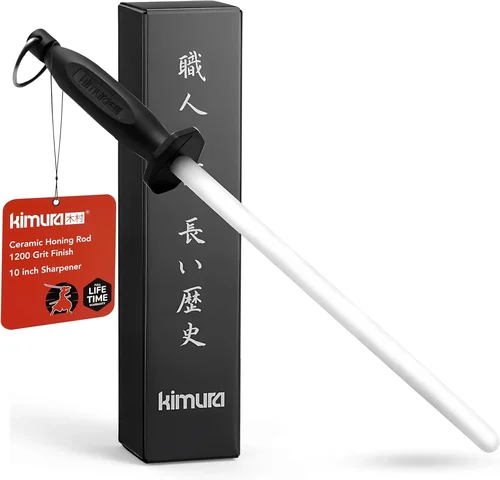
❌ Mistake: Confusing Honing with Sharpening
Why it’s bad: Many buyers assume a ceramic rod will sharpen their knives like a whetstone or electric sharpener. In reality, honing only realigns the edge—it doesn’t remove metal. Using a honing rod to “sharpen” a truly dull knife is ineffective and can damage the blade over time.
What to do instead: Use the ceramic rod for daily maintenance (every 1–2 uses) and reserve sharpening for when the knife struggles to cut paper or tomatoes. Pair your rod with a quality sharpening stone or professional service for full edge restoration.
❌ Mistake: Buying Based on Price Alone
Why it’s bad: The cheapest ceramic rods often use low-grade ceramics that wear unevenly or chip easily. They may also have poor handles or incorrect grit, leading to inconsistent results and potential knife damage.
What to do instead: Prioritize value over cost. A $50 rod from a reputable brand will outperform a $20 knockoff in durability, performance, and safety. Look for mid-range options with solid reviews and clear specifications.
❌ Mistake: Ignoring Knife Compatibility
Why it’s bad: Not all ceramic rods work well with all knife types. Japanese knives (e.g., VG-10, AUS-10) often require finer grits to avoid micro-chipping, while softer Western steels can handle slightly coarser surfaces.
What to do instead: Match the rod to your knife’s steel type and hardness. Check manufacturer recommendations—many brands design rods specifically for their knives. When in doubt, choose a universal 1500–2000 grit rod.
❌ Mistake: Over-Honing or Using Incorrect Technique
Why it’s bad: Honing too frequently or with excessive pressure can wear down the edge prematurely. Incorrect angles (too steep or too shallow) reduce effectiveness and may create uneven edges.
What to do instead: Hone gently, using light pressure and consistent 15–20 degree angles. Limit honing to 5–10 strokes per side, 1–2 times per week. Watch tutorial videos or consult your knife manufacturer’s guide.
❌ Mistake: Neglecting Maintenance
Why it’s bad: Metal particles and food debris can accumulate on the ceramic surface, reducing its effectiveness and potentially scratching your blades.
What to do instead: Clean the rod after each use with a damp cloth. Store it in a protective sleeve or case. Avoid abrasive cleaners or scrubbing, which can damage the ceramic.
❌ Mistake: Choosing the Wrong Length
Why it’s bad: A rod shorter than your longest knife forces awkward angles and incomplete honing, especially near the tip.
What to do instead: Select a rod at least 2 inches longer than your longest blade. For an 8-inch chef’s knife, choose a 10-inch rod. For 10-inch slicers, go for 12 inches.
❌ Mistake: Ignoring Warranty and Support
Why it’s bad: A broken or defective rod with no warranty leaves you with no recourse. Poor customer support can delay replacements or repairs.
What to do instead: Buy from brands with clear warranty policies and responsive service. Register your product if required, and keep receipts for proof of purchase.
Budget Guidelines: How Much Should You Spend?
– Entry-Level ($20–$40): These rods are suitable for occasional use or beginners. Expect basic ceramic construction, simple handles, and limited durability. Brands like Mercer Culinary and Victorinox offer reliable options in this range. Ideal for those testing the waters or maintaining budget knives.
– Mid-Range ($50–$80): This is the sweet spot for most home cooks. Rods in this tier feature high-quality ceramics, ergonomic handles, and better wear resistance. Models from Shun, Wüsthof, and Global fall here, offering excellent performance and longevity. You’ll also find dual-grit options and protective storage.
– Premium ($80–$120): Designed for enthusiasts and professionals, these rods use advanced ceramics, precision engineering, and brand-specific optimizations. Examples include the Miyabi Birchwood and Dalstrong Shogun Series. They often include extras like magnetic mounts, instructional guides, or multi-surface designs.
– Luxury ($120+): Top-tier rods with artisanal craftsmanship, rare materials (e.g., hand-finished zirconia), or limited editions. These are collector’s items or gifts rather than everyday tools. Only necessary for serious collectors or those who value aesthetics as much as function.
Expert Tips for Getting the Best Deal
– Buy during seasonal sales: Look for discounts during Black Friday, Cyber Monday, or post-holiday sales. Many kitchenware retailers offer 20–30% off premium brands.
– Check manufacturer websites: Brands like Shun and Wüsthof often run exclusive promotions or bundle deals (e.g., rod + sharpening stone).
– Read verified user reviews: Focus on long-term users who mention durability, ease of use, and compatibility. Avoid reviews that only praise packaging or shipping.
– Consider refurbished or open-box items: Reputable retailers like Amazon Renewed or brand outlets sell inspected, functional rods at reduced prices.
– Test before buying (if possible): Visit a kitchen store to feel the weight, balance, and grip. A comfortable rod encourages regular use.
– Prioritize return policies: Choose retailers with 30-day returns or exchanges. This allows you to test the rod with your knives risk-free.
– Bundle with knife purchases: Some brands offer discounts when you buy a knife and honing rod together. This ensures compatibility and saves money.
– Invest in care accessories: A cleaning cloth, storage case, or angle guide can enhance your experience and protect your investment.

Frequently Asked Questions
Q: How often should I use a ceramic honing rod?
A: For daily home cooks, honing 1–2 times per week is sufficient. Professionals may hone before each shift. Signs you need to hone include difficulty slicing tomatoes or paper.
Q: Can I use a ceramic rod on serrated knives?
A: No. Serrated blades require specialized tools. Ceramic rods are designed for straight-edged knives only.
Q: Will a ceramic rod sharpen my dull knife?
A: No. It realigns the edge but won’t restore a dull blade. Use a whetstone or professional sharpening service for that.
Q: Are ceramic rods safe for Japanese knives?
A: Yes, but choose a finer grit (2000+) to avoid chipping high-hardness steels like VG-10 or SG2.
Q: Can I clean my ceramic rod in the dishwasher?
A: No. Dishwashers can damage the handle and degrade the ceramic surface. Hand wash only.
Q: How long does a ceramic honing rod last?
A: With proper care, a quality rod can last 5–10 years. Replace it if it chips, cracks, or loses effectiveness.
Q: What’s the difference between ceramic and diamond rods?
A: Diamond rods are more aggressive and better for sharpening. Ceramic rods are gentler and ideal for daily honing.
Q: Do I need a honing rod if I have a sharpening stone?
A: Yes. Stones sharpen; rods maintain. Using both extends the time between sharpenings and keeps your edge consistent.
Q: Can I use a ceramic rod on ceramic knives?
A: No. Ceramic knives require diamond-based sharpeners. Using a ceramic rod may damage both tools.
Q: Is a longer rod always better?
A: Not necessarily. A rod 2 inches longer than your longest knife is ideal. Excess length adds bulk without benefit.
Our Final Recommendations
– Best for Budget-Conscious Buyers: Victorinox Fibrox Pro Ceramic Honing Rod – Reliable, affordable, and compatible with most knives. Great for beginners.
– Best Overall Value: Shun Classic 10-inch Ceramic Honing Rod – Excellent build, ideal grit, and perfect length. A favorite among home cooks and pros.
– Best Premium Option: Miyabi Birchwood 12-inch Ceramic Honing Rod – Luxurious design, dual-grit surface, and exceptional durability. Worth the investment for serious users.
– Best for Beginners: Wüsthof Classic 10-inch Ceramic Honing Steel – Clear instructions, ergonomic handle, and consistent performance. Ideal for learning proper technique.
– Best for Advanced Users: Dalstrong Shogun Series Ceramic Honing Rod – High-end materials, magnetic storage, and precision engineering. Designed for enthusiasts who demand excellence.
Conclusion: Making the Right Choice
Choosing the right ceramic honing rod isn’t just about keeping your knives sharp—it’s about preserving your investment, improving your cooking experience, and ensuring safety in the kitchen. By understanding key factors like grit, length, build quality, and compatibility, you can avoid common pitfalls and select a rod that meets your specific needs. Whether you’re a casual cook or a seasoned chef, daily honing with a quality ceramic rod will keep your blades performing at their best.
Remember, the best rod is the one you’ll use consistently. Prioritize ease of use, proper maintenance, and compatibility with your knives. Don’t be swayed by flashy features or ultra-low prices—focus on value, durability, and brand reputation. With the insights from this guide, you’re equipped to make a confident, informed decision.
Now it’s time to take action. Assess your knife collection, consider your budget, and choose a ceramic honing rod that fits your lifestyle. Your knives—and your meals—will thank you. Happy honing!