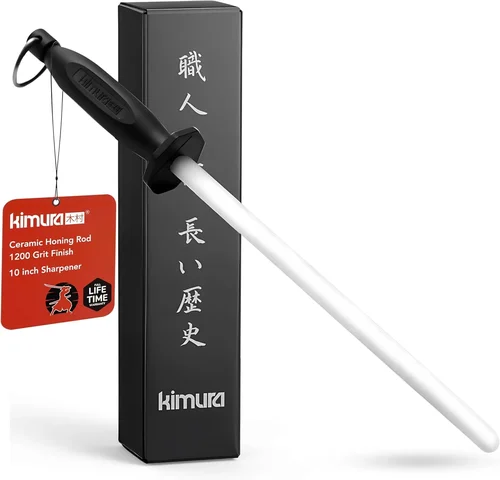
Ceramic knives have become a staple in modern kitchens, prized for their razor-sharp edges, lightweight design, and resistance to rust and stains. Unlike traditional steel blades, ceramic knives maintain their sharpness for significantly longer periods—sometimes up to five times longer—making them ideal for precision tasks like slicing tomatoes, dicing herbs, or carving delicate proteins. However, this same hardness that gives ceramic knives their edge retention also makes them notoriously difficult to sharpen. A standard steel honing rod or whetstone designed for metal blades will do little—or worse, damage the brittle ceramic edge. This is where a dedicated ceramic knife sharpener becomes not just helpful, but essential.
That’s why choosing the right ceramic knife sharpener isn’t just about convenience—it’s about preserving your investment and maintaining peak performance. With so many options flooding the market, from handheld devices to electric systems and diamond-coated stones, it’s easy to feel overwhelmed. Some sharpeners promise quick fixes but deliver inconsistent results; others are built for professionals but come with a steep learning curve. Whether you’re a home cook who uses a ceramic chef’s knife weekly or a culinary enthusiast with a full set, understanding what makes a quality sharpener—and how to use it properly—can mean the difference between a perfectly honed blade and a chipped, unusable tool.
In this comprehensive guide, we’ll walk you through everything you need to know to select the best ceramic knife sharpener for finishing your blades. You’ll learn how to evaluate key features like abrasive material, angle precision, ease of use, and build quality. We’ll break down the different types of sharpeners available, highlight common pitfalls to avoid, and provide real-world recommendations based on performance, value, and user feedback. By the end, you’ll have the knowledge and confidence to choose a sharpener that not only restores your ceramic knives to factory-level sharpness but also extends their lifespan for years to come.

What to Look for When Buying Buying Guide
1. Abrasive Material: Diamond vs. Ceramic vs. Tungsten Carbide
The single most important factor in any ceramic knife sharpener is the abrasive material used to reshape the edge. Because ceramic is harder than steel—often rating 8.5–9 on the Mohs scale—it requires an even harder substance to effectively grind and refine its edge. Diamond abrasives are the gold standard here. Industrial-grade diamond particles embedded in metal or resin can cut through ceramic without chipping, providing consistent, controlled material removal. Look for sharpeners that specify “diamond-coated” or “diamond-impregnated” surfaces, ideally with a grit rating between 300 and 600 for finishing work.
Ceramic abrasives, while suitable for some steel knives, are generally too soft to effectively sharpen ceramic blades and may wear down quickly or fail to remove enough material. Tungsten carbide sharpeners, often found in pull-through devices, can work in a pinch but tend to create micro-fractures in brittle ceramic edges due to their aggressive, non-adjustable action. For finishing—where precision and edge refinement matter most—diamond remains unmatched.
2. Angle Consistency and Precision
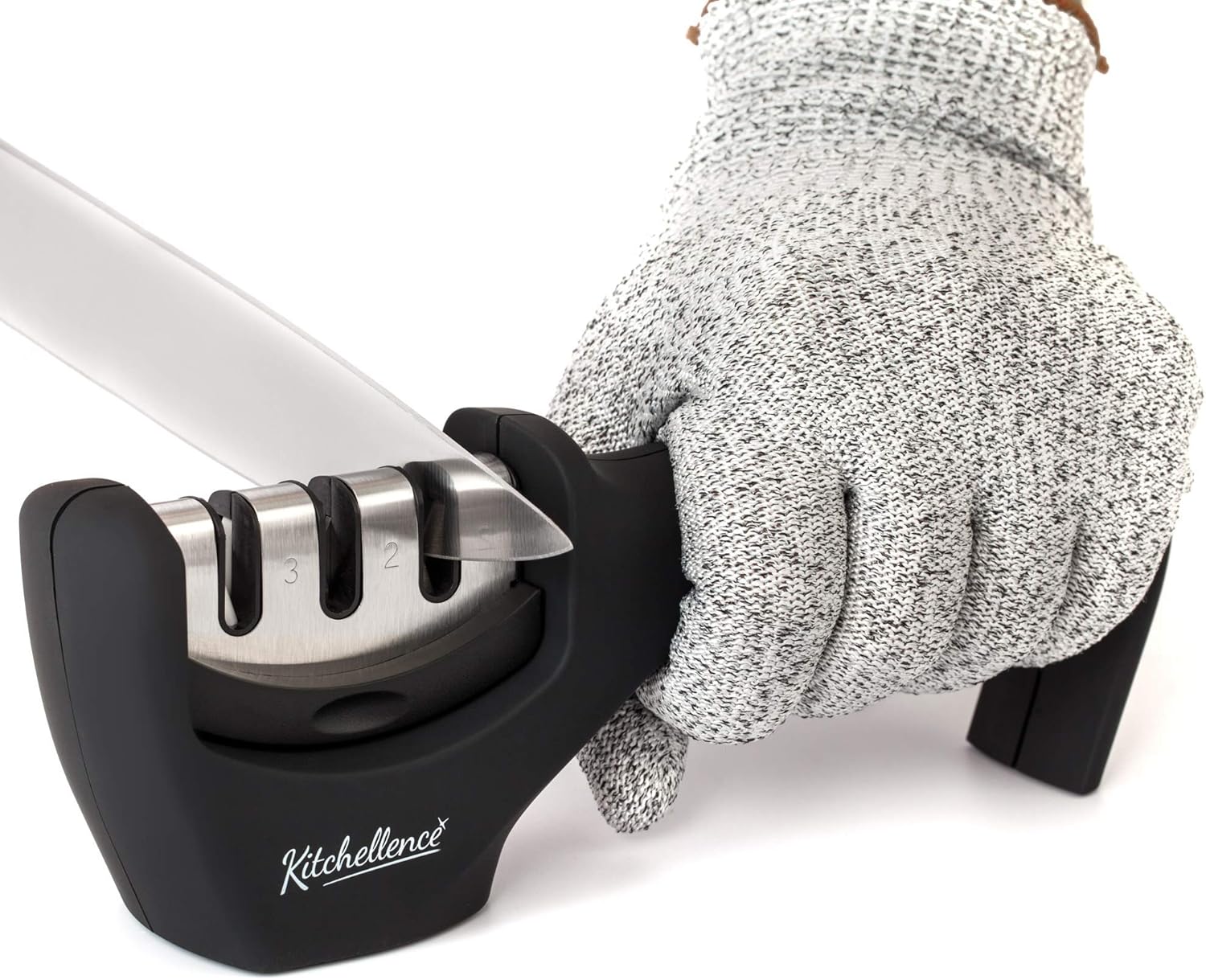
Ceramic knives are typically ground at very specific angles, often between 15° and 20° per side, depending on the brand and intended use. Maintaining this exact angle during sharpening is critical; even a slight deviation can result in a dull or uneven edge. The best ceramic sharpeners feature guided angle systems—either V-shaped slots, adjustable clamps, or rotating wheels—that lock the blade into place at the correct angle throughout the process.
Handheld diamond rods without angle guides may seem convenient, but they require significant skill to use effectively and often lead to inconsistent results. Electric sharpeners with preset angles offer the most reliability, especially for beginners. Always check whether the sharpener supports the angle range of your specific ceramic knives—some high-end models allow micro-adjustments for custom angles, which is ideal if you own multiple brands.
3. Grit Progression and Finishing Capability
Sharpening ceramic isn’t just about removing metal—it’s about refining the edge to a mirror-like finish. A good ceramic sharpener should offer multiple stages or interchangeable heads with varying grit levels. For finishing, you’ll want access to fine or ultra-fine grits (typically 600+ grit diamond) that polish the edge rather than aggressively grind it. This final stage removes burrs, smooths micro-serrations, and creates a clean, surgical-sharp finish.
Some premium sharpeners include a stropping or honing stage using leather or composite materials infused with fine abrasives. While not always necessary, these stages can elevate performance, especially for tasks requiring extreme precision, like sushi preparation or filleting fish. Avoid single-stage sharpeners that only offer coarse grit—they’re better suited for repair than finishing.
4. Build Quality and Durability
Given the hardness of both the abrasive and the blade being sharpened, the sharpener itself must be built to last. Look for housings made from reinforced polymers, stainless steel, or aircraft-grade aluminum. Plastic components may warp over time, leading to misalignment and poor sharpening results. Diamond abrasives should be securely bonded—not just painted on—so they don’t flake off after a few uses.
Check for stability features like non-slip bases, ergonomic grips, or magnetic blade rests. A wobbly or slippery sharpener increases the risk of accidental slips that could chip your expensive ceramic knife. High-end models often undergo rigorous testing for longevity, with some brands offering 10+ years of expected service life under normal use.
5. Ease of Use and Learning Curve
Even the most advanced sharpener is useless if it’s too complicated to operate. Consider your skill level: beginners benefit from automated systems with clear instructions and foolproof guides, while experienced users might prefer manual control for fine-tuning. Electric sharpeners generally require less technique but offer less customization. Manual pull-through or rod-style sharpeners demand more practice but allow greater tactile feedback.
Look for intuitive designs—color-coded stages, audible cues, or visual indicators—that reduce guesswork. Some models include instructional videos or QR codes linking to tutorials. If you’re new to sharpening ceramic, prioritize user-friendly interfaces over raw power. A sharpener that’s easy to clean and store also scores points for practicality.
6. Compatibility with Knife Brands and Sizes
Not all ceramic knives are created equal. Brands like Kyocera, Shun, and Wüsthof produce blades with varying thicknesses, edge geometries, and handle designs. Your sharpener must accommodate these differences. Most quality sharpeners support standard blade widths (up to 1.5 inches), but ultra-narrow paring knives or wide cleavers may require specialized slots.
Check manufacturer specifications for compatibility lists. Some sharpeners are explicitly designed for Kyocera blades, which dominate the market, while others claim universal fit. If you own multiple ceramic knives from different makers, opt for a versatile model with adjustable guides or multiple slot sizes. Avoid one-size-fits-all claims unless verified by user reviews.
7. Safety Features
Ceramic knives are brittle and can shatter if mishandled during sharpening. A good sharpener minimizes this risk through secure clamping, smooth motion mechanisms, and protective covers. Electric models should have safety interlocks that prevent operation unless properly assembled. Manual sharpeners should include finger guards or recessed abrasive surfaces.
Never force a blade through a sharpener—this is a leading cause of chipping. Instead, choose tools that encourage slow, steady strokes. Some premium sharpeners even include pressure sensors or feedback systems that alert you if you’re applying too much force. Remember: ceramic doesn’t bend—it breaks.
8. Warranty and Customer Support
Given the specialized nature of ceramic sharpening, robust customer support is invaluable. Reputable brands offer at least a 1–2 year warranty, with some extending to 5 years or more. Look for companies that provide replacement parts (like diamond wheels), troubleshooting guides, and responsive service teams. Avoid no-name brands sold solely through third-party marketplaces with no verifiable contact information.
Read return policies carefully—some sharpeners can’t be returned once used due to hygiene concerns. If possible, buy from retailers with generous trial periods. Community forums and YouTube reviews often reveal how well a company handles complaints or defects, so do your homework before purchasing.
Different Types of Buying Guide
Common Buying Mistakes to Avoid
❌ Mistake: Using Steel Knife Sharpeners on Ceramic Blades
Why it’s bad: Steel sharpeners, including honing rods and whetstones rated for metal, are softer than ceramic and cannot effectively abrade the blade. Worse, they can cause micro-chips or full fractures due to uneven pressure.
What to do instead: Always use a sharpener specifically designed for ceramic knives with diamond or equivalent super-abrasives. Never assume compatibility—check the product description.
❌ Mistake: Ignoring Angle Guidance
Why it’s bad: Freehand sharpening without angle control leads to inconsistent edges, reduced sharpness, and premature wear. Ceramic’s brittleness amplifies errors.
What to do instead: Choose sharpeners with fixed or adjustable angle guides. Even manual rods should be used with a protractor or guide block for accuracy.
❌ Mistake: Over-Sharpening or Applying Excessive Pressure
Why it’s bad: Ceramic doesn’t respond well to aggressive grinding. Too much pressure or repeated passes can overheat the edge, causing thermal shock and cracking.
What to do instead: Use light, consistent strokes. Most ceramic knives only need 3–5 passes per side for maintenance. Let the abrasive do the work—not your muscles.
❌ Mistake: Buying Based Solely on Price
Why it’s bad: Cheap sharpeners often use low-quality abrasives that wear out quickly or fail to sharpen properly, wasting money and risking blade damage.
What to do instead: Invest in a mid-range or premium model from a reputable brand. Think of it as protecting a $100+ knife—the sharpener is part of the ecosystem.
❌ Mistake: Neglecting Maintenance of the Sharpener
Why it’s bad: Diamond abrasives clog with ceramic dust, reducing effectiveness over time. Dirty sharpeners also transfer debris back onto the blade.
What to do instead: Clean your sharpener after each use with a soft brush and mild soap. For electric models, follow manufacturer cleaning protocols to preserve motor and wheel life.
❌ Mistake: Assuming All Ceramic Knives Sharpen the Same
Why it’s bad: Different brands use varying ceramic compositions (e.g., zirconia vs. alumina), affecting hardness and sharpenability. A sharpener ideal for Kyocera may not suit lesser-known brands.
What to do instead: Research your knife’s material specs and choose a sharpener proven to work with that type. When in doubt, consult the knife manufacturer’s recommendations.
❌ Mistake: Skipping the Finishing Stage
Why it’s bad: Coarse sharpening alone leaves a rough, micro-serrated edge that feels sharp initially but dulls quickly and tears food instead of slicing cleanly.
What to do instead: Always finish with a fine-grit stage (600+ diamond) or stropping. This polishes the edge for maximum performance and longevity.
Budget Guidelines: How Much Should You Spend?
Entry-Level ($20–$50): These are typically basic pull-through sharpeners with fixed diamond slots. They work for occasional touch-ups but lack angle precision and durability. Best for casual users with one or two ceramic knives who prioritize affordability over perfection. Expect limited lifespan and inconsistent results.
Mid-Range ($50–$120): This is the sweet spot for most home cooks. Models in this range offer better build quality, multi-stage sharpening (coarse + fine), and improved angle guides. Brands like Chef’sChoice and Work Sharp dominate here with reliable electric and manual options. You’ll get consistent finishes, decent warranties, and compatibility with major ceramic brands.
Premium ($120–$300): Designed for enthusiasts and serious home chefs, these sharpeners feature precision-engineered diamond wheels, adjustable angles, and advanced finishing stages. Many include stropping compartments or ultrasonic cleaning features. Expect professional-grade results, robust construction, and excellent customer support. Ideal if you own a full ceramic knife set or value long-term performance.
Luxury ($300+): Reserved for professionals, knife restorers, or collectors, these systems offer industrial-level precision, modular components, and sometimes even digital angle readouts. Examples include Tormek-style wet grinders adapted for ceramic or custom-built bench units. While overkill for most, they deliver museum-quality edges and can handle frequent, heavy-duty use.
Expert Tips for Getting the Best Deal
- Shop During Off-Seasons: Major retailers often discount kitchen tools in late winter (February–March) or post-holiday (January). Sign up for newsletters to catch flash sales on brands like Kyocera or Smith’s.
- Buy Direct from Manufacturers: Companies like Chef’sChoice and Work Sharp frequently offer exclusive bundles, extended warranties, or free shipping on their websites—better than Amazon markups.
- Check Refurbished or Open-Box Deals: Certified refurbished sharpeners from reputable sellers (e.g., Best Buy Outlet, manufacturer outlets) can save 20–40% with full functionality and warranty coverage.
- Read Deep-Dive Reviews: Skip the star ratings—look for detailed video reviews on YouTube that show actual sharpening tests, edge microscopy, and long-term durability assessments.
- Test Return Policies: Before committing, verify the return window. Some sharpeners can’t be returned once used, so ensure you have at least 30 days to trial the product.
- Beware of “Universal” Claims: If a sharpener says it works on “all knives including ceramic,” dig deeper. True ceramic-specific tools will highlight diamond abrasives and angle precision upfront.
- Consider Bundles: Some kits include ceramic knife storage blocks, blade guards, or cleaning kits—adding value beyond the sharpener alone.
- Join Knife Enthusiast Forums: Communities like Reddit’s r/knives or BladeForums often share exclusive discount codes or alert members to rare deals on high-end sharpeners.

Frequently Asked Questions
Q: Can I use a regular whetstone to sharpen my ceramic knife?
A: No—unless it’s specifically labeled for ceramic and uses diamond or CBN (cubic boron nitride) abrasives. Traditional water stones or oil stones made for steel won’t cut ceramic and may damage both the stone and blade.
Q: How often should I sharpen my ceramic knife?
A: Unlike steel, ceramic holds its edge much longer. Most users only need to sharpen every 6–12 months with regular use. However, if you notice tearing instead of clean cuts, it’s time for a touch-up. Daily honing isn’t necessary—and can actually cause micro-fractures.
Q: Will sharpening void my ceramic knife’s warranty?
A: It depends on the brand. Kyocera, for example, offers free sharpening services and encourages professional maintenance. However, using improper tools (like steel sharpeners) that cause damage may void coverage. Always check your warranty terms.
Q: Are electric sharpeners safe for ceramic knives?
A: Yes—if they’re designed for ceramic. Look for models with low RPM motors and diamond wheels. Avoid high-speed grinders meant for steel, as they generate excessive heat and vibration that can crack ceramic.
Q: Can I sharpen a chipped ceramic knife?
A: Minor chips (less than 1mm) can sometimes be repaired with a coarse diamond stage, but deep chips or cracks usually mean the blade is beyond saving. Ceramic doesn’t flex—it fractures. Replacement is often safer and more cost-effective.
Q: Do I need to lubricate my sharpener?
A: Only if it’s a wet sharpener (like some Tormek systems). Most dry diamond sharpeners require no lubrication—just occasional cleaning. Adding oil to a dry sharpener can clog the abrasives.
Q: Why does my ceramic knife feel sharp but not cut well?
A: This usually indicates a burr or micro-serration left from improper sharpening. Run the blade through a fine-grit finishing stage or strop it lightly to polish the edge. A truly sharp ceramic knife should slice paper effortlessly.
Q: Can I use a ceramic sharpener on steel knives?
A: Generally no. Diamond sharpeners for ceramic are often too aggressive for steel and can remove too much material. Use dedicated steel sharpeners for metal blades to preserve their geometry.
Q: How do I clean my ceramic knife after sharpening?
A: Rinse with warm water and mild soap immediately after use. Avoid dishwashers—the high heat and harsh detergents can degrade the handle and loosen the blade. Dry thoroughly to prevent moisture buildup.
Q: Is it worth buying a sharpener if I only have one ceramic knife?
A: If it’s a high-quality knife you use regularly, yes. The cost of professional sharpening ($10–$20 per session) adds up. A $60–$100 sharpener pays for itself after 3–5 uses and gives you control over maintenance timing.
Our Final Recommendations
Best for Budget-Conscious Buyers: Smith’s PP1 Pocket Pal Multifunction Sharpener – At under $40, this compact pull-through features dual diamond slots (coarse/fine) and a sturdy design. While it lacks adjustable angles, it’s reliable for basic maintenance and highly portable.
Best Overall Value: Chef’sChoice Trizor XV EdgeSelect 15 – Priced around $130, this electric sharpener offers three stages (including a fine diamond finish), precise 15° angle guidance, and works on both ceramic and select steel knives. Its consistency and ease of use make it ideal for daily kitchens.
Best Premium Option: Work Sharp Culinary E5 Electric Sharpener – With interchangeable diamond wheels, adjustable angles (15°–20°), and a built-in stropping stage, the E5 delivers pro-level results. At $180, it’s an investment—but one that protects your entire ceramic collection.
Best for Beginners: Kyocera Advanced Ceramic Sharpener – Designed by the makers of the world’s most popular ceramic knives, this $50 handheld tool has foolproof V-slots and clear instructions. Perfect for first-timers who want brand-matched reliability.
Best for Advanced Users: Tormek T-8 with Diamond Jig – Though primarily a wet grinder, the T-8 paired with a ceramic-specific diamond jig offers unparalleled control and edge refinement. At $700+, it’s for serious collectors or professionals who demand perfection.
Conclusion: Making the Right Choice
Choosing the best ceramic knife sharpener isn’t just about restoring sharpness—it’s about respecting the unique properties of ceramic blades and investing in tools that honor their precision. From understanding the critical role of diamond abrasives to avoiding common pitfalls like angle inconsistency or over-sharpening, every decision you make impacts the longevity and performance of your knives. Whether you’re sharpening a single paring knife or maintaining a full professional set, the right sharpener becomes an extension of your culinary craft.
Remember, ceramic knives aren’t disposable—they’re precision instruments that deserve thoughtful care. Don’t let a subpar sharpener turn a $150 blade into a paperweight. Prioritize quality, compatibility, and finishing capability over flashy marketing or rock-bottom prices. Use this guide as your compass: evaluate your needs, set a realistic budget, and choose a sharpener that aligns with your skill level and usage patterns.
Finally, treat sharpening as part of your kitchen ritual, not a chore. With the right tool, it becomes a moment of connection with your knives—a chance to restore their edge and renew your confidence in the kitchen. So go ahead: pick the sharpener that speaks to you, follow the guidelines, and enjoy the satisfying slice of a perfectly honed ceramic blade. Your tomatoes—and your taste buds—will thank you.