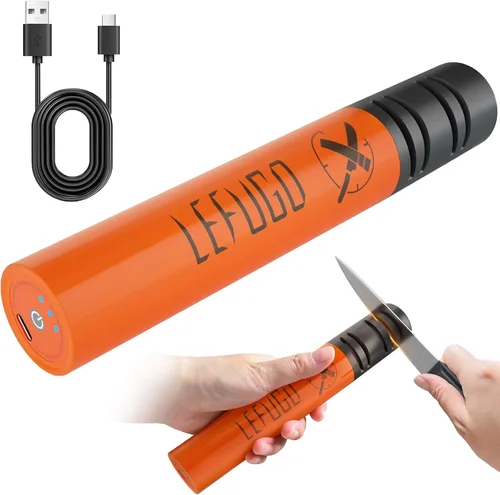
If you’ve ever struggled to slice through a ripe tomato without crushing it, or found your chef’s knife dragging through bread like a dull saw, you already know how vital a sharp blade is in the kitchen. A well-sharpened knife isn’t just about precision—it’s about safety, efficiency, and the sheer joy of cooking with tools that respond to your touch. Yet, maintaining that edge can be intimidating. Traditional sharpening stones require skill, patience, and practice. Manual pull-through sharpeners often deliver inconsistent results. Enter the modern solution: cordless, rechargeable electric knife sharpeners.
These compact, high-tech devices are revolutionizing home kitchens by combining professional-grade sharpening with user-friendly operation. No more guessing angles, no more messy stones, and no more cords cluttering your countertop. With a rechargeable electric sharpener, you simply press a button, guide your blade through preset slots, and within seconds, you’re ready to chop, slice, and dice with confidence. As we move into 2026, the market for these devices has matured significantly—offering smarter features, longer battery life, and improved sharpening technology at increasingly accessible price points. Whether you’re a weekend cook or a seasoned home chef, understanding what makes one model stand out from another is essential to making a smart investment.
This comprehensive buying guide is designed to cut through the noise and help you choose the best cordless electric knife sharpener for your needs. You’ll learn how to evaluate performance, durability, and usability—not just based on flashy marketing claims, but on real-world functionality. We’ll break down key factors like sharpening stages, battery technology, build quality, and safety features. You’ll also discover common pitfalls to avoid, budget-friendly options that don’t sacrifice quality, and expert tips to get the most value from your purchase. By the end, you’ll have a clear roadmap to select a sharpener that fits your kitchen, your knives, and your lifestyle.
The cordless electric knife sharpener market has evolved rapidly over the past few years. Once dominated by bulky, corded models from legacy brands like Chef’sChoice and Work Sharp, today’s landscape includes innovative newcomers offering sleek designs, multi-angle systems, and even app connectivity. Brands like Mueller, Presto, and even Dremel have entered the fray with rechargeable options that prioritize convenience without compromising on edge quality. At the same time, professional-grade tools are becoming more accessible, bringing features like diamond abrasives, ceramic honing, and precision angle guides into everyday homes. This shift means more choices than ever—but also more confusion. That’s why this guide focuses not just on listing products, but on teaching you how to think critically about what you really need. Whether you own a set of Japanese gyutos, German-style chef knives, or budget-friendly stamped blades, there’s a rechargeable sharpener designed for you.

What to Look for When Buying Buying Guide
1. Sharpening Stages and Technology
The heart of any electric knife sharpener lies in its sharpening system. Most quality models use a multi-stage process to restore and refine your blade. Stage 1 typically involves coarse grinding—often using diamond abrasives—to reshape dull or damaged edges. Stage 2 uses finer abrasives (like ceramic or tungsten carbide) to refine the edge and remove burrs. Some premium models include a third stage for polishing or micro-beveling, which enhances sharpness and prolongs edge retention.
When evaluating technology, look for sharpeners that offer adjustable angle settings. Different knives require different angles: Western-style knives (like Wüsthof or Henckels) perform best at 20 degrees per side, while Japanese blades (such as Shun or Miyabi) often use a sharper 15-degree angle. A sharpener that allows you to switch between angles ensures compatibility with your entire knife collection. Also consider whether the device uses fixed slots or guided mechanisms. Fixed slots are simpler and faster but may not accommodate thicker or irregularly shaped blades. Guided systems offer more control but can be slower and require more user input.
2. Battery Life and Charging Speed
Since these are rechargeable devices, battery performance directly impacts usability. Look for models with lithium-ion batteries, which offer higher energy density, longer lifespans, and faster charging than older nickel-based cells. A good benchmark is at least 30–50 sharpening cycles per full charge—enough to maintain a full knife set multiple times before needing a recharge.
Charging time matters too. Top-tier sharpeners can recharge in under two hours via USB-C, while budget models might take four or more hours using micro-USB. Some even support quick-charge modes that give you 10–15 uses after just 30 minutes of charging. Consider how often you’ll use the sharpener. If you sharpen weekly, a longer battery life is less critical. But if you’re someone who waits months between sharpenings and wants instant readiness, fast charging becomes essential.
Also check whether the sharpener can operate while plugged in. This is useful if you’re doing heavy-duty resharpening and don’t want to worry about running out of juice mid-session.
3. Build Quality and Durability
A sharpener is only as good as its construction. Cheap plastic housings may crack under pressure or warp over time, leading to misaligned sharpening slots and inconsistent results. Opt for models with reinforced polymer bodies or metal-reinforced components, especially around the motor and abrasive wheels.
The motor itself should be brushless for longevity and quiet operation. Brushless motors generate less heat, consume less power, and last significantly longer than brushed alternatives. Additionally, inspect the quality of the abrasives. Diamond-coated wheels are the gold standard for durability and cutting efficiency—they won’t wear down quickly even with frequent use. Ceramic wheels are excellent for finishing but may degrade faster under heavy loads.
Seal integrity is another often-overlooked factor. Since sharpening creates fine metal dust, a well-sealed unit prevents debris from entering the motor or battery compartment, which can cause malfunctions over time.
4. Ease of Use and Safety Features
One of the main advantages of electric sharpeners is their simplicity. However, not all models are created equal when it comes to user experience. Look for intuitive controls—usually a single button or switch—and clear indicators for power, charging, and sharpening status. LED lights that show battery level or sharpening progress add convenience.
Safety is paramount. The best sharpeners include automatic shutoff after a set time or number of cycles to prevent overheating. Some also feature blade guides that keep your fingers safely away from the abrasive wheels. Non-slip feet or rubberized bases ensure the unit stays put during use, reducing the risk of accidents.
Avoid models that require you to apply excessive pressure. A quality sharpener should do the work with minimal effort—just steady, gentle guidance. Excessive force can damage both the knife and the sharpener.
5. Compatibility with Knife Types and Sizes
Not every sharpener works with every knife. Standard chef’s knives, paring knives, and utility blades are usually no problem, but specialty blades—like serrated knives, scissors, or ultra-thin Japanese gyutos—may not fit or may require specific settings.
Check the slot width and depth. Narrow slots may not accommodate thicker blades (common in German-style knives), while overly wide slots can lead to imprecise sharpening on slim blades. Some models include dedicated slots for serrated edges or scissors, which use a different abrasive pattern to maintain the scalloped profile.
If you own bread knives, look for a sharpener with a serrated-specific stage. These use a finer grit and specialized wheel geometry to preserve the saw-like edge without flattening the serrations.
6. Portability and Storage
Cordless sharpeners shine when it comes to portability. Their compact size makes them ideal for small kitchens, RVs, or even outdoor cooking setups. However, “compact” doesn’t always mean “easy to store.” Some models come with protective cases or magnetic mounts, while others are designed to sit discreetly on a countertop.
Weight matters too. A lightweight unit (under 2 lbs) is easier to move around, but extremely light models may feel flimsy. Aim for a balance between portability and sturdiness.
Consider whether the sharpener includes a dust collection tray or compartment. Metal shavings can accumulate quickly, and having a built-in tray makes cleanup effortless.
7. Brand Reputation and Customer Support
While new brands are entering the market with impressive specs, established names often provide better long-term reliability and customer service. Brands like Chef’sChoice, Work Sharp, and Mueller have decades of experience in blade maintenance and typically offer robust warranties and responsive support teams.
Research user forums and retailer reviews to gauge real-world performance. A sharpener might look great on paper, but if customers report motor failures after six months or poor replacement part availability, it’s a red flag.
Also check if the company offers firmware updates (for smart models) or accessory compatibility. Some sharpeners allow you to swap out wheels or add attachments for axes or pocket knives—a sign of forward-thinking design.
8. Warranty and Return Policy
A solid warranty is a strong indicator of a manufacturer’s confidence in their product. Look for at least a one-year limited warranty, with two years or more being ideal. Some premium brands even offer lifetime warranties on critical components like the motor or abrasives.
Return policies are equally important. Buying online means you can’t test the sharpener before purchase. Ensure the retailer (or manufacturer) offers a 30-day return window with free return shipping. This gives you time to test performance on your actual knives and confirm it meets your expectations.
Avoid third-party sellers on marketplaces unless they’re authorized dealers. Unauthorized resellers may void your warranty or sell refurbished units as new.
Different Types of Buying Guide

Common Buying Mistakes to Avoid
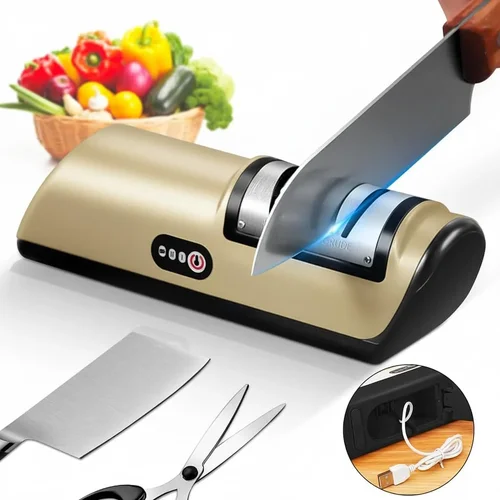
❌ Mistake: Prioritizing Price Over Performance
Why it’s bad: The cheapest sharpeners often use low-quality motors and abrasive materials that wear out quickly or produce inconsistent edges. You may end up replacing the unit within a year, costing more in the long run.
What to do instead: Set a realistic budget based on your usage frequency and knife investment. A $60 sharpener that lasts three years is better value than a $30 model that fails in six months.
❌ Mistake: Ignoring Angle Compatibility
Why it’s bad: Using the wrong sharpening angle can ruin your knife’s geometry. Over-sharpening at too steep an angle dulls Japanese blades; too shallow an angle weakens Western knives.
What to do instead: Identify your knives’ optimal angles and choose a sharpener that supports them. Many manufacturers list compatible angles in the product specs.
❌ Mistake: Overlooking Battery Specifications
Why it’s bad: A sharpener with poor battery life becomes useless when you need it most. Slow charging or inability to use while plugged in adds frustration.
What to do instead: Check battery capacity (measured in mAh), charging port type (USB-C preferred), and whether it supports pass-through power.
❌ Mistake: Assuming All Electric Sharpeners Are Equal
Why it’s bad: Some models aggressively grind away metal, shortening your knife’s lifespan. Others lack precision, leaving edges uneven.
What to do instead: Read detailed reviews that test edge retention and metal removal rates. Look for sharpeners that balance speed with conservation of blade material.
❌ Mistake: Neglecting Maintenance Requirements
Why it’s bad: Dust buildup can clog motors and reduce abrasive effectiveness. Without regular cleaning, performance degrades rapidly.
What to do instead: Choose models with accessible dust trays and easy-to-clean components. Wipe down after each use and empty the tray weekly.
❌ Mistake: Buying Without Testing Return Options
Why it’s bad: Online specs don’t always reflect real-world performance. A sharpener might look perfect but fail on your specific knives.
What to do instead: Only buy from retailers with generous return policies. Test the sharpener on a less valuable knife first to verify results.
Budget Guidelines: How Much Should You Spend?
Entry-Level ($40–$70): Ideal for occasional users with basic knife sets. These models typically feature 2-stage sharpening, plastic bodies, and modest battery life. Expect decent performance on standard Western knives but limited versatility. Great for college students, small apartments, or as a backup sharpener.
Mid-Range ($80–$130): The sweet spot for most home cooks. These sharpeners offer 3-stage systems, adjustable angles, better build quality, and longer-lasting batteries. Many include diamond abrasives and brushless motors. Perfect for mixed knife collections and weekly maintenance.
Premium ($140–$220): Designed for serious enthusiasts and small professionals. Expect robust construction, advanced safety features, extended warranties, and compatibility with specialty blades. These models often include accessories like blade guides or storage cases.
Luxury ($220+): Top-tier devices with smart features, app connectivity, and industrial-grade components. Best for tech lovers, collectors, or those who view knife care as a craft. While overkill for casual use, they offer unmatched precision and longevity.
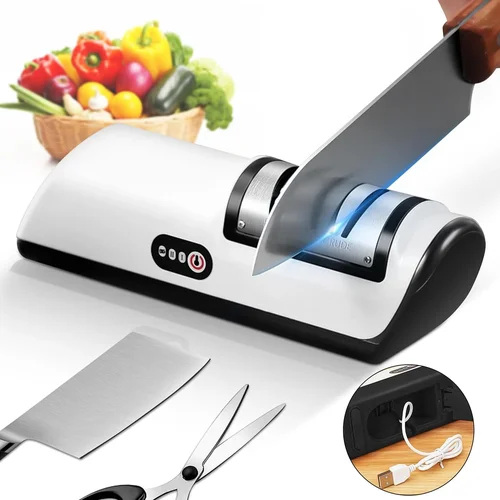
Expert Tips for Getting the Best Deal
– Shop during seasonal sales: Black Friday, Prime Day, and post-holiday clearances often feature 20–30% discounts on kitchen gadgets. Sign up for brand newsletters to get early access.
– Buy directly from manufacturers: Brands like Work Sharp and Chef’sChoice frequently offer exclusive bundles or extended warranties on their websites.
– Check refurbished options: Certified refurbished units from authorized sellers come with full warranties and can save you 25–40%.
– Read long-term reviews: Look for YouTube or blog reviews that test sharpeners over months, not just unboxings. Real durability shows up over time.
– Compare total cost of ownership: Factor in replacement wheels, battery lifespan, and warranty coverage—not just the upfront price.
– Test before committing: If possible, try a friend’s model or visit a store that allows demos. Feel the weight, noise level, and ease of use firsthand.
– Prioritize USB-C charging: Future-proof your purchase—USB-C is faster, reversible, and becoming the universal standard.

Frequently Asked Questions
Q: Can a cordless electric sharpener damage my expensive knives?
A: It depends on the model and how you use it. High-quality sharpeners with controlled metal removal and proper angle guidance will not damage good knives. However, cheap or overly aggressive models can grind away too much steel, shortening your knife’s life. Always follow the manufacturer’s instructions and avoid excessive passes.
Q: How often should I sharpen my knives with an electric sharpener?
A: For home use, sharpening every 2–3 months is usually sufficient. Honing (realignment) with a steel rod weekly helps maintain the edge between sharpenings. Heavy users may need to sharpen monthly.
Q: Do these sharpeners work on ceramic knives?
A: Most electric sharpeners are designed for steel blades and will not work on ceramic. Ceramic requires diamond grinding wheels and specialized equipment—typically only found in professional services.
Q: Are rechargeable sharpeners really cordless, or do they need to be plugged in frequently?
A: True cordless models operate entirely on battery power. However, some allow you to use them while charging, which is helpful for extended sessions. Check the specs to confirm full cordless functionality.
Q: Can I sharpen serrated knives with a standard electric sharpener?
A: Only if the model includes a dedicated serrated slot. Standard flat slots will flatten the serrations, ruining the blade’s cutting performance. Look for “serrated-compatible” in the description.
Q: How long do the abrasive wheels last?
A: Diamond wheels can last 5–10 years with regular home use. Ceramic wheels may need replacement every 2–3 years. Many brands sell replacement kits, so check availability before buying.
Q: Is it safe to let kids use a rechargeable electric sharpener?
A: Generally no. Even with safety features, these devices involve moving abrasives and should only be used by adults. Store them out of reach of children when not in use.
Q: Do I need to clean the sharpener after each use?
A: Yes. Metal dust accumulates quickly and can affect performance. Most models have removable trays—empty and wipe down after every few uses.
Our Final Recommendations
Best for Budget-Conscious Buyers: Mueller Ultra-Sharp Rechargeable Electric Knife Sharpener – At under $60, it delivers reliable 2-stage sharpening, USB-C charging, and solid build quality. Perfect for basic maintenance without breaking the bank.
Best Overall Value: Work Sharp Culinary E2 Electric Knife Sharpener – Priced around $110, it offers 3-stage sharpening, dual-angle settings (15° and 20°), and a durable design. Ideal for mixed knife collections and frequent use.
Best Premium Option: Chef’sChoice Trizor XV EdgeSelect 320 Rechargeable – With diamond abrasives, a brushless motor, and a 2-year warranty, this $190 model is built for longevity and precision. A top choice for discerning home chefs.
Best for Beginners: Presto 08800 EverSharp Rechargeable – Simple one-button operation, clear indicators, and foolproof slot design make this $75 sharpener incredibly user-friendly. Great for those new to electric sharpening.
Best for Advanced Users: Work Sharp Ken Onion Edition Rechargeable Sharpener – Inspired by the legendary knife maker, this $250+ model features adjustable angle control from 15° to 30°, ceramic honing, and app connectivity for tracking sharpening history. For those who treat knife care as an art.
Conclusion: Making the Right Choice
Choosing the right cordless electric knife sharpener isn’t just about finding the shiniest gadget—it’s about matching technology to your lifestyle, knife collection, and culinary habits. From budget-friendly basics to smart-connected powerhouses, the 2026 market offers something for everyone. By focusing on sharpening stages, battery performance, build quality, and compatibility, you can avoid costly mistakes and invest in a tool that will serve you for years.
Remember: a sharp knife is a safe knife. Don’t let dull blades turn cooking into a chore. Whether you’re slicing herbs, carving roast chicken, or opening packages, a well-maintained edge makes all the difference. Use this guide to prioritize what matters most to you—whether it’s affordability, versatility, or cutting-edge innovation—and make a confident decision.
Take the time to read reviews, compare specs, and consider your long-term needs. And when you find the right sharpener, treat it with care: clean it regularly, store it properly, and respect its limits. Your knives—and your meals—will thank you.