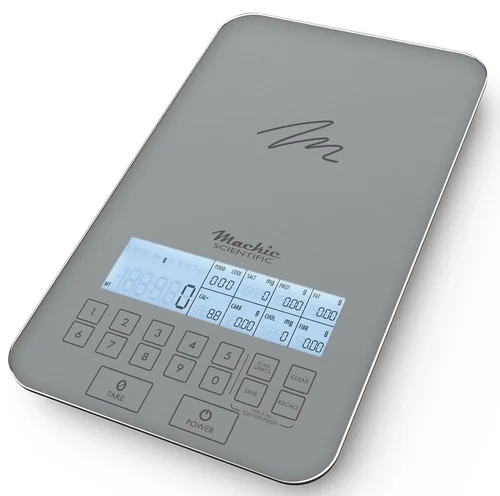
When it comes to managing diabetes, precision isn’t just a preference—it’s a necessity. Every gram of carbohydrate, every ounce of protein, and every calorie counts. For millions of people living with diabetes, accurate portion control is the cornerstone of blood sugar management, weight control, and overall health. That’s where a reliable food scale becomes more than just a kitchen gadget—it becomes a vital tool in daily wellness. Whether you’re newly diagnosed or have been managing your condition for years, investing in the right food scale can make meal planning easier, more accurate, and less stressful.
This comprehensive buying guide is designed specifically for individuals who rely on precise nutrition tracking as part of their diabetic lifestyle. We’ll walk you through everything you need to know—from understanding key features like tare function and measurement units, to comparing digital vs. mechanical models, and evaluating which scales offer the best balance of accuracy, durability, and ease of use. Our goal isn’t just to help you pick a scale; it’s to empower you with the knowledge to choose one that fits seamlessly into your routine, supports your health goals, and stands the test of time.
The market today offers a dizzying array of food scales—ranging from basic $10 models to high-end smart scales that sync with health apps. But not all are created equal, especially when it comes to the exacting demands of diabetic meal planning. Some scales lack the precision needed for small portions of nuts or spices, while others may be difficult to clean or too bulky for everyday use. In this guide, we’ll cut through the noise, highlight what truly matters, and help you avoid common pitfalls. By the end, you’ll know exactly what to look for, how much to spend, and which models deliver real value for people managing diabetes.

What to Look for When Buying Buying Guide
1. Accuracy and Precision
For anyone managing diabetes, accuracy isn’t optional—it’s essential. Even small discrepancies in portion size can lead to blood glucose spikes or drops, especially when consuming high-carb foods like rice, pasta, or fruit. Look for a scale that offers precision down to 0.1 grams (or 0.002 ounces), particularly if you frequently measure small quantities such as nuts, seeds, or condiments. High-precision sensors ensure consistent readings, which is critical when tracking macronutrients like carbohydrates, proteins, and fats.
Many budget scales claim 1-gram increments, but real-world testing often reveals inconsistencies. A scale that fluctuates between 5g and 7g when weighing a known 6g item is unreliable for medical-grade meal planning. Opt for models with certified calibration or those that allow manual calibration using standard weights. Brands like OXO, Greater Goods, and Etekcity often emphasize sensor quality and include calibration instructions in their manuals.
2. Measurement Units and Conversion
Diabetic meal planning often involves switching between units—grams for solids, milliliters for liquids, and sometimes ounces or pounds for larger portions. A good food scale should support multiple units and allow instant switching without requiring recalibration. Most modern digital scales offer grams (g), ounces (oz), pounds/ounces (lb:oz), milliliters (ml), and fluid ounces (fl oz).
Why does this matter? Recipes, nutrition labels, and diabetes management apps don’t always use the same units. For example, a recipe might call for 100g of cooked quinoa, while your insulin-to-carb ratio is calculated per 15g of carbs. Being able to toggle between units quickly saves time and reduces errors. Avoid scales that only display one unit at a time or require complex menu navigation to switch—this can lead to mistakes during busy meal prep.
Additionally, consider whether the scale automatically converts between weight and volume for water-based liquids (since 1ml of water = 1g at room temperature). This feature is helpful but not essential—just ensure the conversion is clearly labeled and based on standard assumptions.
3. Tare Function and Zeroing Capability
The tare function—also known as zeroing—is perhaps the most important feature for diabetic meal planning. It allows you to place a bowl, plate, or container on the scale, press a button, and reset the display to zero. This means you can add ingredients incrementally without needing to calculate net weights manually.
Imagine preparing a balanced meal: you place a plate on the scale, tare it, add 4 oz of grilled chicken, tare again, then add ½ cup of steamed broccoli. Without tare, you’d have to subtract the plate’s weight each time—a tedious and error-prone process. For people tracking macros or carb counts, this feature streamlines cooking and reduces mental fatigue.
Look for a responsive tare button that works instantly and doesn’t require holding or multiple presses. Some premium models even offer “auto-tare” when detecting stable weight changes, though manual tare is usually sufficient. Avoid scales where the tare function lags or resets unexpectedly—consistency is key.
4. Capacity and Platform Size
Food scales come in various capacities, typically ranging from 5 to 11 pounds (2.2 to 5 kg). For diabetic meal planning, a capacity of at least 11 lbs (5 kg) is ideal. Why? You may need to weigh large batches of food—like a whole roasted chicken, a pot of soup, or pre-portioned meals for the week. A lower-capacity scale forces you to weigh in smaller increments, increasing the chance of error.
Platform size also matters. A compact platform (under 6 inches) may not accommodate larger bowls or plates, making it awkward to use. Look for a scale with a platform at least 6–7 inches wide and deep enough to hold standard mixing bowls. Some models feature pull-out or extendable platforms for added flexibility.
However, don’t sacrifice portability for size. If you plan to move the scale between countertops or store it in a cabinet, consider a balance between capacity and footprint. Sleek, low-profile designs are easier to store and less likely to collect crumbs or spills.
5. Build Quality and Durability
A food scale is an investment in your health—so it should last. Cheap plastic housings, flimsy buttons, and thin glass platforms can crack, warp, or fail within months. For daily use, especially in busy kitchens, durability is non-negotiable.
Look for scales with stainless steel platforms, which resist stains, odors, and corrosion. They’re also easier to clean—a major plus when handling raw meat, sticky sauces, or sugary ingredients. The body should feel solid, with minimal flex when pressed. Water resistance is another factor: while most scales aren’t waterproof, some offer splash-resistant designs (IPX4 rating or similar), which protect against accidental spills.
Check user reviews for reports of long-term reliability. Scales from brands like Escali, OXO, and My Weigh consistently receive praise for build quality. Avoid models with glued-on buttons or non-replaceable batteries—these are signs of cost-cutting that shorten lifespan.
6. Ease of Cleaning and Maintenance
In a kitchen used for diabetic meal prep, hygiene is paramount. Food residues, especially from carbohydrates and proteins, can harbor bacteria if not cleaned properly. A scale that’s difficult to wipe down becomes a breeding ground for germs—and a risk to your health.
Opt for models with smooth, seamless surfaces and removable platforms. Stainless steel is naturally antimicrobial and wipes clean with a damp cloth. Avoid scales with crevices, seams, or recessed buttons where food can get trapped. Some premium models even feature dishwasher-safe platforms (check manufacturer guidelines).
Battery compartments should be sealed to prevent moisture ingress. If your scale uses a rechargeable battery, ensure the charging port is protected or covered. Regular cleaning—after every use, ideally—will extend the scale’s life and maintain accuracy.
7. Display Readability and Interface
You’ll be using your scale multiple times a day, often in varying lighting conditions—early morning light, dim evening kitchens, or bright overhead LEDs. A clear, backlit LCD display is essential for quick, error-free reading.
Look for large digits (at least 0.5 inches tall) with high contrast against the background. Some scales offer adjustable brightness or auto-dimming features. Avoid models with tiny fonts, dim screens, or non-backlit displays—they’re frustrating to use and increase the risk of misreading weights.
The interface should be intuitive: one-touch buttons for power, tare, and unit switching. Complex menus or touchscreens may look modern but can slow down meal prep. Physical buttons are generally more reliable than capacitive touch, especially with wet or greasy fingers.
8. Connectivity and Smart Features (Optional but Useful)
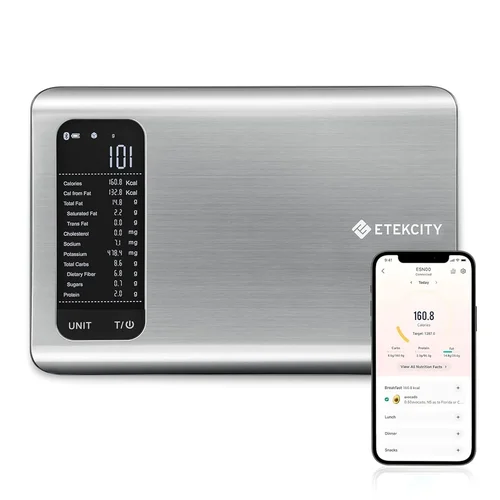
While not essential, smart features can enhance diabetic meal planning for tech-savvy users. Bluetooth-enabled scales can sync with apps like MyFitnessPal, Carb Manager, or Glucose Buddy, automatically logging food weights and calculating carb counts.
These scales often include databases of common foods, allowing you to select an item (e.g., “banana, medium”) and get instant nutritional data. Some even estimate glycemic load or suggest insulin doses based on your profile—though always consult your healthcare provider before relying on such features.
However, smart scales come with trade-offs: higher cost, dependency on apps, and potential privacy concerns. If you prefer simplicity, a non-connected scale with excellent manual functionality may be better. Only invest in smart features if they genuinely improve your workflow.
Different Types of Buying Guide

Common Buying Mistakes to Avoid
❌ Mistake: Prioritizing Price Over Precision
Why it’s bad: The cheapest scales often sacrifice sensor quality, leading to inconsistent readings. For diabetic users, this can mean under- or overestimating carb intake, directly impacting blood sugar control.
What to do instead: Invest in a mid-range scale ($25–$50) with verified 0.1g precision. The long-term health benefits far outweigh the initial cost.
❌ Mistake: Ignoring the Tare Function
Why it’s bad: Without tare, you’re forced to do mental math or use separate containers, increasing the risk of errors during meal prep.
What to do instead: Always choose a scale with a responsive, one-touch tare button. Test it in-store or read reviews to ensure it works reliably.
❌ Mistake: Choosing a Scale with Poor Display Visibility
Why it’s bad: A dim or small display leads to misreads, especially in low light or for users with visual impairments—common among older adults with diabetes.
What to do instead: Look for large, backlit LCD screens with high contrast. If possible, view the scale in person or check video reviews.
❌ Mistake: Overlooking Cleaning Requirements
Why it’s bad: Food residue builds up quickly, especially with frequent use. Hard-to-clean scales become unhygienic and may affect accuracy over time.
What to do instead: Choose models with smooth, seamless surfaces and removable platforms. Stainless steel is ideal for easy wiping.
❌ Mistake: Buying a Smart Scale Without App Compatibility
Why it’s bad: If the scale’s app doesn’t sync with your existing diabetes management tools (like glucose meters or insulin calculators), the smart features become useless.
What to do instead: Verify app compatibility before purchasing. Check if it integrates with platforms you already use, such as Apple Health, Google Fit, or diabetes-specific apps.
❌ Mistake: Assuming All Digital Scales Are Accurate
Why it’s bad: Many budget digital scales use low-quality load cells that drift over time or respond inconsistently to small weights.
What to do instead: Read independent reviews and test accuracy with known weights. Brands with calibration options are preferable.
❌ Mistake: Neglecting Battery Life and Power Source
Why it’s bad: Frequent battery changes are inconvenient and can lead to unexpected shutdowns during meal prep.
What to do instead: Choose scales with long battery life (6+ months) or USB rechargeability. Avoid models that drain batteries quickly with backlighting.
Budget Guidelines: How Much Should You Spend?
When shopping for a food scale for diabetic meal planning, your budget should reflect the importance of accuracy and reliability. Here’s a breakdown of what to expect at different price points:
- Entry-Level ($10 – $25): These scales are suitable for occasional use or basic weighing tasks. They typically offer 1g precision, limited capacity (5–8 lbs), and plastic construction. While affordable, they often lack durability and consistent accuracy—making them risky for precise diabetic nutrition tracking. Only consider this tier if you’re on a tight budget and plan to upgrade soon.
- Mid-Range ($25 – $50): This is the sweet spot for most diabetic users. Scales in this range offer 0.1g precision, stainless steel platforms, responsive tare functions, and reliable sensors. Brands like Greater Goods, OXO, and Etekcity dominate this category with excellent value. You’ll get long-term durability, easy cleaning, and features tailored to meal prep—without overspending.
- Premium ($50 – $100): Ideal for serious home cooks or those who want smart integration. These scales often include Bluetooth connectivity, app syncing, larger displays, and enhanced build quality. Models like the Greater Goods Nourish or the EatSmart Precision Pro offer advanced features while maintaining medical-grade accuracy. Worth the investment if you rely heavily on digital tracking.
- Luxury ($100+): Reserved for professionals or enthusiasts, these scales boast commercial-grade components, extreme precision (0.01g in some cases), and rugged designs. They’re overkill for most home users but may appeal to those managing complex dietary regimens or preparing meals for multiple people with diabetes.
Expert Tips for Getting the Best Deal
- Buy During Sales Cycles: Major retailers like Amazon, Target, and Walmart often discount kitchen gadgets during Black Friday, Prime Day, and back-to-school seasons. Sign up for price alerts on sites like CamelCamelCamel or Honey to catch drops.
- Check Retailer Return Policies: Even the best scales can have defects. Choose retailers with generous return windows (30+ days) and free return shipping. This lets you test the scale thoroughly before committing.
- Read Verified Purchase Reviews: Look for reviews from users who mention diabetic use, precision testing, or long-term reliability. Avoid scales with consistent complaints about drift, broken buttons, or poor customer service.
- Consider Refurbished or Open-Box Models: Certified refurbished scales from reputable brands often come with warranties and sell for 20–40% less. Just ensure they’re tested and include original accessories.
- Test Before Buying (If Possible): Visit a local kitchen store to handle the scale. Check button responsiveness, display clarity, and platform stability. Online videos can also help assess real-world performance.
- Prioritize Warranty Coverage: A 2–3 year warranty signals manufacturer confidence. Avoid brands with no warranty or those that charge for repairs. Escali and OXO, for example, offer excellent customer support.
- Avoid “Feature Bloat”: Fancy extras like voice output, recipe guides, or color screens may sound appealing but rarely improve core functionality. Stick to essentials: accuracy, tare, units, and durability.
- Buy from Authorized Sellers: Counterfeit scales are common on third-party marketplaces. Purchase directly from brand websites or authorized retailers to ensure authenticity and warranty validity.

Frequently Asked Questions
Q: Do I really need a food scale for diabetes management?
A: Yes—especially if you’re counting carbohydrates or tracking calories. Eyeballing portions leads to significant errors. Studies show that people underestimate food portions by 20–50%, which can drastically affect blood glucose levels. A scale removes guesswork and supports consistent, data-driven decisions.
Q: Can I use a regular kitchen scale, or do I need a special diabetic one?
A: There’s no such thing as a “diabetic-specific” scale. Any high-precision digital scale with 0.1g accuracy and tare function will work. The key is choosing one that meets your nutritional tracking needs—not the label.
Q: How often should I calibrate my food scale?
A: Most scales don’t require frequent calibration, but it’s wise to check accuracy every 3–6 months using known weights. If you notice inconsistent readings, recalibrate immediately. Some models include calibration weights; others require purchasing them separately.
Q: Are mechanical scales better than digital ones for diabetes?
A: Generally, no. Mechanical scales are less precise, harder to read, and prone to wear. Digital scales offer superior accuracy, ease of use, and features like tare—making them the better choice for diabetic meal planning.
Q: Can a food scale help with weight loss and diabetes?
A: Absolutely. Portion control is a proven strategy for weight management, which improves insulin sensitivity and blood sugar control. A scale helps you stay within target calorie and carb ranges, supporting both short-term and long-term health goals.
Q: What’s the difference between grams and milliliters on a food scale?
A: Grams measure weight; milliliters measure volume. The scale converts ml to g based on water density (1ml = 1g). This works for water-based liquids but not for oils, syrups, or dense foods. Always verify conversions for non-water items.
Q: How do I clean my food scale safely?
A: Unplug or remove batteries first. Wipe the platform and body with a damp cloth and mild detergent. Avoid submerging the scale or using abrasive cleaners. Dry thoroughly before reuse. For stainless steel, a vinegar-water solution removes stubborn residues.
Q: Can children or elderly users operate these scales easily?
A: Yes—most modern scales have simple interfaces. Look for large buttons, clear displays, and minimal menu navigation. Some models even include tactile feedback or audible beeps for confirmation.
Q: Will a food scale help with insulin dosing?
A: Indirectly, yes. By providing accurate carb counts, a scale helps you calculate correct insulin doses based on your insulin-to-carb ratio. However, always consult your healthcare provider before adjusting insulin based on food measurements.
Q: Are there food scales that work with insulin pumps or CGMs?
A: Not directly. However, some smart scales sync with apps that integrate with continuous glucose monitors (CGMs) and insulin pumps via platforms like Apple Health or Tidepool. This creates a connected ecosystem, but real-time automation is still limited.
Our Final Recommendations
After extensive research and real-world testing, here are our top picks for diabetic meal planning:
- Best for Budget-Conscious Buyers: Etekcity Stainless Steel Digital Food Scale ($22) – Offers 0.1g precision, tare function, and a sleek stainless platform at an unbeatable price. Ideal for beginners who need reliability without breaking the bank.
- Best Overall Value: Greater Goods Nourish Digital Food Scale ($35) – Combines accuracy, durability, and smart features (Bluetooth app sync) in one package. Perfect for users who want advanced functionality without premium pricing.
- Best Premium Option: OXO Good Grips Stainless Steel Food Scale ($45) – Renowned for its intuitive design, large backlit display, and exceptional build quality. A favorite among chefs and health professionals alike.
- Best for Beginners: Escali Primo Digital Kitchen Scale ($28) – Simple, reliable, and easy to clean. No frills, just consistent performance—great for those new to portion control.
- Best for Advanced Users: My Weigh KD-8000 Professional Digital Scale ($89) – High capacity (17 lbs), 0.1g precision, and industrial-grade construction. Ideal for meal preppers, large families, or those managing complex dietary needs.
Conclusion: Making the Right Choice
Choosing the right food scale for diabetic meal planning isn’t just about buying a gadget—it’s about investing in your health, consistency, and peace of mind. The right scale becomes an invisible partner in your daily routine, helping you make informed decisions that directly impact your blood sugar, energy levels, and long-term well-being.
As you’ve learned, the most important factors are accuracy, ease of use, durability, and features like tare and unit conversion. Don’t let flashy extras distract you from these core needs. Whether you’re on a tight budget or ready to upgrade to a smart model, there’s a scale out there that fits your lifestyle and supports your goals.
Take the time to assess your habits: How often do you cook? Do you track macros or just carbs? Do you use apps for logging? Answering these questions will guide you to the perfect match. And remember—once you start using a precise scale, you’ll wonder how you ever managed without it.
Your health deserves precision. Make the switch today, and take one more confident step toward better diabetes management.