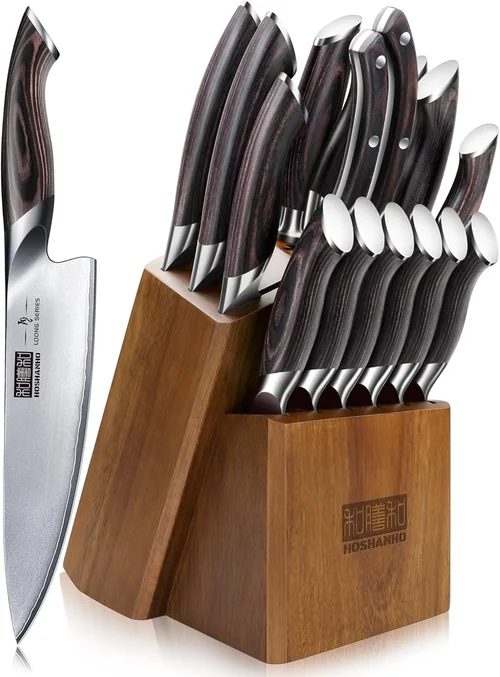
Kitchen knives are the unsung heroes of every culinary journey—whether you’re dicing onions for a weeknight stir-fry or filleting a salmon for a dinner party. Yet, despite their central role in food preparation, many home cooks and even aspiring chefs overlook the importance of choosing the right knife. With countless options flooding the market—from sleek Japanese designs to rugged German classics—it’s easy to feel overwhelmed. That’s where this guide comes in. We’re here to cut through the noise (pun intended) and help you make an informed decision that aligns with your cooking style, budget, and long-term needs.
In this comprehensive buying guide, we’ll dive deep into one of the most debated topics in cutlery: forged kitchen knives versus stamped knives. You’ll learn not only what sets these two types apart but also how to evaluate key factors like blade material, handle ergonomics, balance, edge retention, and maintenance requirements. Whether you’re a beginner building your first knife set or a seasoned cook upgrading your tools, this guide will equip you with expert-level knowledge to choose wisely. We’ll also debunk common myths, highlight frequent buying mistakes, and provide actionable tips to get the best value for your money.
The kitchen knife market has evolved dramatically over the past decade. Advances in metallurgy, manufacturing techniques, and global craftsmanship have made high-performance blades more accessible than ever. However, this abundance of choice can be paralyzing. Some brands promise “professional-grade” performance at bargain prices, while others charge premium rates for minimal improvements. Our goal is to empower you with clarity, confidence, and practical insight so you can invest in knives that truly enhance your cooking experience—not just look good on a magnetic strip.

What to Look for When Buying Kitchen Knives
1. Blade Construction: Forged vs. Stamped
The single most important distinction when choosing a kitchen knife is whether it’s forged or stamped. This fundamental difference affects everything from durability and balance to price and performance. Forged knives are made by heating a single piece of steel and hammering it into shape—a labor-intensive process that results in a dense, heavy blade with a visible bolster (the thick junction between blade and handle). Stamped knives, on the other hand, are cut from a large sheet of steel using a die or laser, then heat-treated and sharpened. They’re lighter, more flexible, and typically less expensive.
Forged blades generally offer superior balance, heft, and longevity, making them ideal for heavy-duty tasks like chopping through bones or dense vegetables. Stamped blades excel in precision work—think slicing tomatoes or deboning fish—and are often preferred by those who favor agility over power. While both types can deliver excellent cutting performance, your choice should reflect your cooking habits. If you frequently prep large quantities or tackle tough ingredients, a forged knife may be worth the investment. For lighter, everyday use, a well-made stamped knife can be just as effective—and far more budget-friendly.
2. Steel Type and Hardness (HRC)
Not all steel is created equal. The type of steel used in a knife’s blade determines its sharpness, edge retention, corrosion resistance, and ease of sharpening. High-carbon stainless steel is the gold standard for most kitchen knives because it combines the best of both worlds: the edge retention and strength of carbon steel with the rust resistance of stainless steel. Look for reputable alloys like VG-10 (common in Japanese knives), X50CrMoV15 (used in many German brands), or AUS-10.
Another critical metric is the Rockwell Hardness Scale (HRC), which measures how hard the steel is after heat treatment. Most quality kitchen knives fall between 54 and 62 HRC. Lower ratings (54–56) mean softer steel that’s easier to sharpen but dulls faster—ideal for beginners or those who don’t mind frequent touch-ups. Higher ratings (58–62) indicate harder steel that holds an edge longer but can be brittle and challenging to resharpen without proper tools. Japanese knives often lean toward the higher end (58–62 HRC), while many Western-style knives sit around 55–58 HRC. Choose based on your willingness to maintain the blade: if you’re diligent about sharpening, go harder; if you prefer low-maintenance tools, opt for slightly softer steel.
3. Handle Design and Ergonomics
A knife is only as good as its grip. An uncomfortable or slippery handle can lead to fatigue, reduced control, and even injury—especially during prolonged prep sessions. When evaluating handles, consider material, shape, and attachment method. Full tang construction—where the blade extends fully through the handle—is a hallmark of quality and provides better balance and durability. Handles made from materials like pakkawood (a resin-impregnated wood), G-10 (fiberglass-based composite), or high-quality polymer offer excellent grip, moisture resistance, and longevity.
Ergonomics matter too. A contoured handle that fits naturally in your palm reduces strain and improves precision. Some chefs prefer Western-style handles with a pronounced heel for knuckle clearance, while others favor the minimalist, lightweight feel of Japanese wa-handles. Try holding different models if possible—your dominant hand’s size and grip style will influence what feels right. Avoid overly decorative or glossy finishes, as they can become slippery when wet. Remember: comfort is not a luxury; it’s a safety feature.
4. Balance and Weight Distribution
Balance refers to how weight is distributed along the knife—from tip to handle. A well-balanced knife feels like an extension of your hand, requiring less effort to control. There are three main balance points: tip-heavy (blade weighs more), handle-heavy (handle dominates), and neutral (weight evenly distributed). Most forged knives tend to be slightly handle-heavy due to the bolster, which some chefs find comforting for rocking motions. Stamped knives are often tip-heavy or neutral, lending themselves to precise, straight cuts.
Weight itself is subjective. Heavier knives (like traditional German styles) provide momentum for chopping but can tire your wrist over time. Lighter knives (common in Japanese designs) offer speed and agility but may lack the authority needed for dense tasks. Your ideal weight depends on your strength, hand size, and cooking rhythm. If you’re unsure, start with a mid-weight option around 6–8 ounces for an 8-inch chef’s knife. Test the balance by placing the knife on your finger at the bolster—if it teeters toward the tip or handle, that’s your natural balance point.
5. Edge Geometry and Bevel Type
The edge isn’t just about sharpness—it’s about how the blade interacts with food. Edge geometry refers to the angle and shape of the cutting edge. Most Western knives use a double-bevel edge (sharpened on both sides) at 20–22 degrees per side, offering durability and versatility. Japanese knives often feature a single-bevel (yanagiba) or asymmetrical double-bevel (gyuto) at 15–18 degrees, resulting in razor-like sharpness ideal for clean slices but requiring more skill to maintain.
Bevel type also affects performance. A convex edge (rounded) is tough and great for chopping, while a flat or hollow grind offers superior slicing ability. Some modern hybrids blend these traits. Consider your cutting style: if you rock-chop herbs, a wider bevel helps. If you slice paper-thin prosciutto, a narrow, acute angle wins. Also note that single-bevel knives are typically left- or right-handed—make sure you get the correct version unless you’re ambidextrous.
6. Maintenance and Sharpening Requirements
Even the best knife will dull over time. How easily you can restore its edge depends on steel hardness, edge geometry, and your access to sharpening tools. Softer steels (below 58 HRC) can often be maintained with a basic honing rod or pull-through sharpener, while harder steels (above 58 HRC) usually require whetstones or guided systems. If you’re new to sharpening, consider starting with a mid-hardness knife and investing in a quality ceramic rod for daily maintenance.
Corrosion resistance is another maintenance factor. While high-carbon stainless steels resist rust better than pure carbon steel, no knife is completely immune—especially if left wet or stored improperly. Always hand-wash and dry your knives immediately after use. Avoid dishwashers, which can damage handles and accelerate corrosion. For long-term storage, use blade guards or a knife block to prevent nicks and moisture buildup. Remember: a well-maintained knife lasts decades; a neglected one becomes useless in months.
7. Intended Use and Knife Shape
Not all knives are created equal—and neither are all tasks. The shape of a knife determines its function. A chef’s knife (8–10 inches) is the workhorse for chopping, dicing, and mincing. A paring knife (3–4 inches) handles peeling and detail work. A serrated knife excels at bread and tomatoes. A boning knife flexes around joints, while a cleaver smashes through bone.
Match your knives to your cooking habits. If you cook mostly plant-based meals, a lightweight gyuto or santoku might suit you better than a heavy German chef’s knife. If you regularly break down poultry or roast meats, a sturdy forged boning knife is essential. Don’t fall for the “one knife does all” myth—even professionals rely on a core set of 3–5 specialized blades. Start with a chef’s knife, paring knife, and serrated knife, then expand based on need.
8. Brand Reputation and Craftsmanship
While brand alone shouldn’t dictate your choice, established manufacturers often have decades of refinement behind their designs. German brands like Wüsthof, Zwilling, and Güde are known for robust, full-tang forged knives with excellent balance. Japanese makers such as Shun, Miyabi, and Masamoto prioritize precision, ultra-sharp edges, and elegant aesthetics. Emerging brands like Misen, Hedley & Bennett, and Tojiro offer high performance at accessible prices by cutting out middlemen.
Research where and how a knife is made. Hand-forged knives from master smiths command premium prices but offer unmatched character and performance. Factory-made knives can still be excellent—especially when produced by companies with rigorous quality control. Read independent reviews, watch cutting tests, and check if the brand offers repair services or lifetime warranties. A reputable brand stands behind its products.
Different Types of Kitchen Knives

Common Buying Mistakes to Avoid

❌ Mistake: Prioritizing Aesthetics Over Function
Why it’s bad: A beautifully etched blade or ornate handle might look stunning on your counter, but if it’s uncomfortable to hold or poorly balanced, it becomes a decorative paperweight. Many buyers are swayed by marketing imagery or Instagram-worthy designs, only to regret their purchase when the knife fails in real-world use.
What to do instead: Focus on ergonomics, weight, and blade profile first. If possible, test the knife in-store or order from retailers with generous return policies. Remember: a knife should feel like a natural extension of your hand, not a museum piece.
❌ Mistake: Buying a Full Set Without Trying Individual Pieces
Why it’s bad: Pre-packaged knife sets often include redundant or low-quality blades (like oversized bread knives or flimsy utility knives) that go unused. You end up paying for items you’ll never touch, while missing out on the one knife you actually need.
What to do instead: Build your collection gradually. Start with a high-quality chef’s knife, then add a paring knife and serrated knife. Only buy additional blades as your cooking demands evolve. This approach saves money and ensures every tool earns its place.
❌ Mistake: Ignoring Maintenance Needs
Why it’s bad: Assuming a “premium” knife will stay sharp forever is a recipe for disappointment. Harder steels hold edges longer but require specialized sharpening tools. Neglecting maintenance leads to frustration, poor performance, and premature replacement.
What to do instead: Factor in sharpening costs and time before buying. Invest in a good honing rod and learn basic whetstone techniques. Choose a knife whose maintenance level matches your commitment.
❌ Mistake: Overpaying for “Professional” Labels
Why it’s bad: Just because a knife is used in restaurants doesn’t mean it’s right for your home kitchen. Professional knives are often heavier, harder to maintain, and designed for high-volume environments—not casual cooking.
What to do instead: Look for “prosumer” options—high-performance knives made for serious home cooks. Brands like Misen and Hedley & Bennett offer chef-level quality without the pro markup.
❌ Mistake: Choosing Based Solely on Country of Origin
Why it’s bad: “Made in Japan” or “German-engineered” sounds impressive, but quality varies widely within countries. Some Japanese factories produce budget stamped knives, while certain German brands outsource to lower-cost regions.
What to do instead: Research the specific manufacturer and production process. Look for transparency about materials, heat treatment, and craftsmanship—not just the country label.
❌ Mistake: Skipping the Honing Rod
Why it’s bad: Many new owners think sharpening is the only way to maintain a knife. But daily honing realigns the edge between sharpenings, extending sharpness by weeks or months. Without it, you’ll dull your blade faster.
What to do instead: Buy a quality ceramic or steel honing rod (~$20–$40) and use it before every cooking session. It’s one of the best investments you can make for knife longevity.
Budget Guidelines: How Much Should You Spend?
Entry-Level ($20–$50): At this price, expect stamped knives with decent stainless steel (often 420 or 440C) and basic handles. Brands like Mercer Culinary and Victorinox offer reliable options for beginners. These knives won’t hold an edge as long as pricier models, but they’re perfect for learning proper technique without breaking the bank. Avoid ultra-cheap sets under $20—they’re often poorly balanced and prone to bending.
Mid-Range ($50–$120): This is the sweet spot for most home cooks. You’ll find well-constructed stamped knives (like Tojiro or MAC) and entry-level forged options (such as Wüsthof Classic Ikon or Shun Premier). Blades typically use higher-grade steel (VG-10, X50CrMoV15) with better heat treatment. Handles are more ergonomic, and balance improves significantly. Expect 5–7 years of solid performance with proper care.
Premium ($120–$300): Here, craftsmanship shines. Forged knives from reputable makers (Zwilling Pro, Miyabi 5000MCD, Global G-2) feature full tangs, precision grinding, and advanced alloys. Edge retention is excellent, and many include lifetime warranties. Ideal for serious cooks who prep daily and value long-term investment.
Luxury ($300+): These are heirloom pieces—hand-forged by master smiths, often with Damascus cladding, exotic handles, or custom fittings. While stunning, they’re overkill for most home kitchens unless you’re a collector or professional. Performance gains over premium knives are marginal, but the artistry is undeniable.
Expert Tips for Getting the Best Deal
- Shop during holiday sales: Black Friday, Cyber Monday, and post-holiday clearances offer 20–40% off premium brands. Sign up for newsletters to get early access.
- Buy direct from manufacturers: Brands like Shun, Wüsthof, and Misen often run exclusive online promotions with free shipping and bundled accessories (honing rods, sheaths).
- Consider “blemished” or factory seconds: Many companies sell cosmetically flawed knives at steep discounts. The performance is identical—only the finish is imperfect.
- Check return policies: Always buy from retailers with at least 30-day returns (Amazon, Williams Sonoma, ChefKnivesToGo). Test the knife at home before committing.
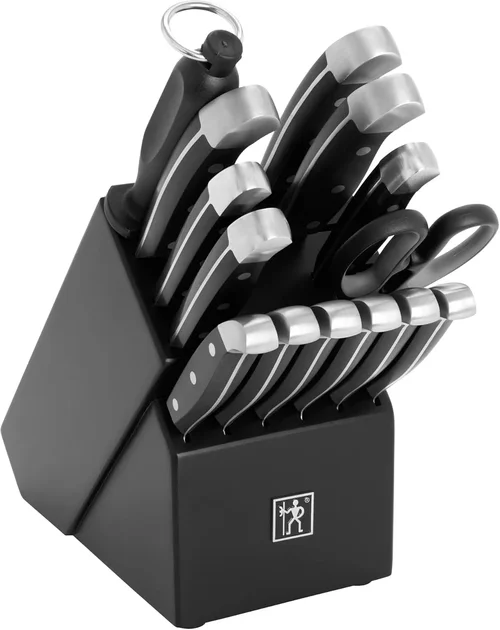
- Invest in a knife roll or block: Protect your investment with proper storage. Magnetic strips save space but can dull edges if not used carefully.
- Learn to sharpen properly: YouTube tutorials from experts like Jon Broida (ChefKnivesToGo) or Murray Carter (GLOBAL) teach freehand whetstone techniques that extend blade life dramatically.
- Buy one great knife first: Resist the urge to buy a full set. Master one high-quality chef’s knife, then expand. Quality > quantity.
- Read verified buyer reviews: Look for detailed feedback on balance, edge retention, and comfort—not just star ratings. Video reviews are especially helpful.

Frequently Asked Questions
Q: Are forged knives always better than stamped knives?
A: Not necessarily. Forged knives are typically heavier, more durable, and better balanced, making them ideal for heavy-duty tasks. Stamped knives are lighter, more agile, and often sharper out of the box—perfect for precision work. The “better” choice depends on your cooking style, hand strength, and preferences. Many professional kitchens use both types strategically.
Q: Can I put my kitchen knives in the dishwasher?
A: Absolutely not. Dishwashers expose knives to harsh detergents, high heat, and jostling that can damage handles, corrode blades, and dull edges. Always hand-wash with mild soap and dry immediately.
Q: How often should I sharpen my knife?
A: It depends on usage and steel hardness. Light home cooks may sharpen every 6–12 months, while daily users might need it every 2–3 months. Use a honing rod weekly to maintain alignment between sharpenings.
Q: What’s the difference between a chef’s knife and a santoku?
A: A chef’s knife has a curved belly for rocking motions and a pointed tip, ideal for chopping herbs and meats. A santoku has a straighter edge and sheep’s foot tip, better for push-cutting vegetables. Both are versatile, but the santoku is often lighter and more nimble.
Q: Do I need a Japanese knife if I’m not Japanese?
A: Not at all! Japanese knives are popular worldwide for their sharpness and precision, regardless of cuisine. If you enjoy thin slicing, clean cuts, and lightweight handling, a gyuto or santoku could be perfect for your kitchen—even if you cook Italian or Mexican food.
Q: Why do some knives have a Granton edge?
A: Granton edges feature shallow hollows along the blade that reduce friction and prevent food from sticking—especially useful for slicing meats, cheeses, and tomatoes. They’re common on carving and slicers but less so on chef’s knives.
Q: How do I know if a knife is full tang?
A: Look at the handle from the side. If you can see the metal blade extending through the entire handle (often visible as a metal pin or rivet line), it’s likely full tang. Partial tangs stop partway, reducing durability and balance.
Q: Can I use a Western knife for Japanese techniques?
A: Yes, but with limitations. Western knives are heavier and less acute, so they’re not ideal for ultra-thin slicing or single-bevel techniques. However, many home cooks adapt successfully—just adjust your cutting style accordingly.
Q: Are ceramic knives worth it?
A: Ceramic blades stay sharp for years and never rust, but they’re brittle and can chip if dropped or used on hard surfaces. They’re best for light slicing tasks, not chopping or deboning. Most experts recommend sticking with steel for primary knives.
Q: What’s the best way to store kitchen knives?
A: Use a knife block, in-drawer tray, or magnetic strip. Avoid tossing knives into drawers—they’ll get damaged and pose a safety risk. Always use blade guards if storing in drawers.
Our Final Recommendations
Best for Budget-Conscious Buyers: Victorinox Fibrox Pro Chef’s Knife (8-inch) – At under $50, this stamped knife offers exceptional value with a comfortable non-slip handle, durable X50CrMoV15 steel, and reliable performance. It’s the go-to choice for culinary schools and home cooks alike.
Best Overall Value: Misen Chef’s Knife (8-inch) – Priced around $95, this Japanese-inspired gyuto combines VG-10 core steel, a balanced design, and a razor-sharp edge. It outperforms many $200+ knives and comes with a 60-day trial.
Best Premium Option: Wüsthof Classic Ikon Chef’s Knife (8-inch) – A forged German masterpiece with perfect balance, full tang, and lifetime warranty. Ideal for those who want a heirloom-quality knife that improves with age.
Best for Beginners: Tojiro DP Gyuto (8.2-inch) – This stamped Japanese knife offers high-end performance (VG-10 steel, 61 HRC) at an accessible price (~$80). Easy to maintain and incredibly sharp, it’s perfect for learning proper technique.
Best for Advanced Users: Miyabi 5000MCD 67 Chef’s Knife (9.5-inch) – Handcrafted in Japan with micro-carbide MC66 steel and a stunning Damascus pattern, this forged knife delivers surgical precision and artistic beauty. Reserved for serious enthusiasts who appreciate craftsmanship.
Conclusion: Making the Right Choice
Choosing the right kitchen knife isn’t just about picking the shiniest blade or the most famous brand—it’s about finding a tool that fits your hands, your cooking style, and your lifestyle. Whether you lean toward the robust reliability of a forged German knife or the nimble precision of a stamped Japanese gyuto, the key is alignment with your needs. Remember: a knife is a partnership between maker and user. Invest in quality, respect its maintenance, and it will serve you faithfully for decades.
Don’t let overwhelm stop you from upgrading your kitchen experience. Start small—perhaps with one excellent chef’s knife—and build from there. Use the guidelines in this guide to evaluate options critically, avoid common pitfalls, and prioritize function over fashion. And most importantly, enjoy the process. Cooking is an act of creativity and care, and the right knife can elevate it from chore to joy.
Now go forth, chop confidently, and savor every slice. Your perfect knife is out there—waiting to become your most trusted kitchen companion.