[FEATURED_IMAGE_PLACEOLDER]
Cooking with an Instant Pot can feel like magic—especially when you’re a beginner. One appliance that slow cooks, pressure cooks, sautés, steams, and even makes yogurt? It’s no wonder millions of households now rely on this countertop wonder to simplify weeknight dinners, meal prep, and even weekend feasts. But here’s the catch: owning an Instant Pot is only half the battle. The real game-changer? Knowing how to use it effectively. That’s where a great Instant Pot cookbook comes in.
Whether you’ve just unboxed your first 6-quart Duo or upgraded to a smart Wi-Fi-enabled model, having the right recipe guide can mean the difference between delicious, stress-free meals and a pot full of undercooked rice (we’ve all been there). With so many cookbooks flooding the market—ranging from ultra-basic “dump-and-go” collections to gourmet multi-step masterpieces—it’s easy to feel overwhelmed. Some books assume too much prior knowledge, while others lack variety or fail to explain key techniques. This guide cuts through the noise. We’ll help you identify what truly matters in an Instant Pot cookbook for beginners, compare top-rated options, avoid common pitfalls, and ultimately choose the one that fits your lifestyle, budget, and taste buds.
You’ll learn how to evaluate cookbooks based on clarity, recipe diversity, skill-level alignment, and practical features like prep time estimates and ingredient accessibility. We’ll also break down different types of Instant Pot models (yes, they matter for recipe compatibility), share expert-backed buying tips, and answer frequently asked questions from real home cooks. By the end, you won’t just have a list of books—you’ll have a strategy for turning your Instant Pot into your most trusted kitchen ally.
What to Look for When Buying Instant Pot Cookbooks
1. Beginner-Friendly Instructions
For someone new to pressure cooking, clarity is everything. A good beginner cookbook should explain foundational concepts like natural vs. quick release, liquid requirements, and how to safely open the lid. Look for step-by-step directions with numbered steps, bolded key actions (“Press SAUTÉ,” “Turn valve to SEALING”), and visual cues like icons or photos. Avoid books that jump straight into complex recipes without explaining basic functions. Bonus points if the author includes troubleshooting tips—like what to do if your soup foams too much or your beans don’t soften.
2. Recipe Variety and Dietary Flexibility
A stellar cookbook offers more than just chili and chicken breasts. Seek out collections that include breakfasts, sides, desserts, vegetarian mains, and even international dishes (think Thai curries or Indian dal). If you follow a specific diet—gluten-free, keto, paleo, dairy-free, or plant-based—check whether the book caters to those needs. Many modern cookbooks now label recipes clearly with dietary tags, making it easy to scan for options that fit your lifestyle. Variety keeps cooking exciting and prevents burnout.
3. Realistic Prep and Cook Times
One of the biggest draws of the Instant Pot is speed—but not all recipes deliver on that promise. A quality cookbook will list accurate prep time, pressure cook time, and total time (including pressurization and release). Beginners especially benefit from this transparency. Nothing is more frustrating than thinking a “30-minute meal” will actually take 50 minutes because the pot took forever to come to pressure. Top-tier books often include notes like “This recipe uses frozen meat—no thawing needed!” which saves time and mental energy.
4. Ingredient Accessibility
The best recipes use pantry staples and ingredients you can find at any grocery store—not exotic spices or hard-to-find cuts of meat. As a beginner, you don’t want to trek across town for tamarind paste or specialty broth. Look for cookbooks that emphasize simplicity: canned beans, frozen vegetables, common herbs, and affordable proteins like chicken thighs or ground turkey. Some authors even suggest substitutions (“No coconut milk? Use heavy cream + a splash of lime”), which builds confidence and reduces waste.
5. Model Compatibility
Not all Instant Pots are created equal. Older models like the DUO5 or DUO60 may lack features found in newer ones like the Pro, Max, or Smart WiFi versions (e.g., yogurt function, altitude adjustment, or custom programs). A well-designed cookbook will note which functions are required for each recipe. For example, a yogurt recipe won’t work on a basic model without that setting. If you’re unsure of your model, check the back label or the Instant Pot app. Choosing a book that matches your device ensures every recipe works as intended.
6. Visual Aids and Layout
Let’s face it: cooking is visual. Photos of finished dishes inspire confidence, while diagrams showing lid positions or valve settings eliminate guesswork. Cookbooks with clean layouts—ample white space, readable fonts, and organized chapters—are easier to navigate mid-recipe. Avoid dense blocks of text or tiny print. Some publishers include QR codes linking to video tutorials, which is a huge plus for visual learners. Even simple line drawings of the Instant Pot’s control panel can clarify confusing buttons.
7. Author Credibility and Testing Rigor
Anyone can publish a cookbook, but not everyone tests their recipes thoroughly. Look for authors with a track record—bloggers like pressurecookrecipes.com, food scientists, or chefs who’ve developed recipes specifically for electric pressure cookers. Check reviews mentioning consistency: do readers report successful results? Are adjustments noted for common issues (e.g., “Add 2 tbsp extra liquid if using brown rice”)? Well-tested recipes reduce frustration and build trust in the book’s reliability.
8. Value Beyond Recipes
The best cookbooks offer extras that elevate the experience. This might include meal planning templates, shopping lists, batch-cooking guides, or tips for repurposing leftovers. Some include charts for converting stovetop/slow cooker recipes to Instant Pot settings—a lifesaver for adapting family favorites. Others provide nutritional info per serving, which helps with tracking calories or macros. These added resources turn a simple recipe collection into a comprehensive cooking system.
Different Types of Instant Pot Cookbooks
Common Buying Mistakes to Avoid
❌ Mistake: Choosing a Cookbook Based Solely on Cover or Title
Why it’s bad: A flashy cover promising “5-Ingredient Magic!” might hide poorly tested recipes or lack essential guidance. Titles can be misleading—some claim to be “for beginners” but assume advanced knowledge of pressure cooking science.
What to do instead: Read sample pages online (Amazon “Look Inside” feature is great for this). Check the table of contents and a few recipe previews. Does it explain terms like “natural release”? Are ingredients listed clearly?
❌ Mistake: Ignoring Your Instant Pot Model
Why it’s bad: Recipes requiring the yogurt function won’t work on older models. Similarly, some newer models have different button layouts or max pressure settings, which can affect cooking times.
What to do instead: Note your model number (usually on the bottom or back) before buying. Look for cookbooks that specify compatibility or offer alternative instructions for different models.
❌ Mistake: Overlooking Dietary Needs
Why it’s bad: If you’re gluten-free or vegan, a general cookbook might only have 2–3 usable recipes, making it a poor investment. You’ll end up frustrated and underutilizing your purchase.
What to do instead: Filter searches by dietary tags. Many publishers now highlight allergen info prominently. Consider hybrid books that offer both standard and modified versions of recipes.
❌ Mistake: Prioritizing Quantity Over Quality
Why it’s bad: A 300-recipe book sounds impressive, but if half are variations of the same bean soup, it lacks depth. Quantity doesn’t equal usefulness.
What to do instead: Focus on recipe diversity and clarity. A well-curated 80-recipe book with detailed instructions beats a bloated collection of vague directions.
❌ Mistake: Skipping User Reviews
Why it’s bad: Publishers’ descriptions are marketing tools. Real user feedback reveals consistency issues, missing steps, or unrealistic timing.
What to do instead: Read 3–5 detailed reviews (not just star ratings). Look for comments like “My chicken turned out dry” or “Had to add extra liquid”—these signal potential problems.
❌ Mistake: Forgetting About Long-Term Use
Why it’s bad: A book packed with trendy recipes (e.g., “instant ramen hacks”) may lose relevance in a year. You want something that grows with your skills.
What to do instead: Choose cookbooks with timeless techniques and adaptable frameworks. Books that teach how to modify recipes empower you beyond the printed page.
Budget Guidelines: How Much Should You Spend?
Instant Pot cookbooks range from under $10 to over $30, but price doesn’t always reflect value. Here’s how to think about spending based on your needs:
- Entry-Level ($8–$15): Ideal for absolute beginners or gift-givers. These often include basic recipes (rice, soup, stew), clear icons, and safety reminders. Expect fewer photos and simpler layouts. Great for testing the waters before investing more.
- Mid-Range ($16–$22): The sweet spot for most home cooks. These books balance affordability with quality—think tested recipes, dietary labels, meal prep guides, and decent photography. Many bestsellers (like those from Rockridge Press or Harvard Common Press) fall here.
- Premium ($23–$30): For enthusiasts who want depth. These often feature gourmet techniques, global cuisines, or specialized diets (e.g., whole-food plant-based). Expect high-quality paper, full-color photos, and bonus content like spice blend recipes or storage tips.
- Luxury ($30+): Typically hardcovers or collector’s editions with artful photography, extensive background stories, or collaborations with chefs. Best for serious cooks or as coffee table books—but not necessary for everyday use.
Expert Tips for Getting the Best Deal
- Buy During Sales Cycles: Major retailers (Amazon, Target, Walmart) often discount cookbooks during back-to-school (August), Black Friday (November), and post-holiday clearance (January). Sign up for newsletters to get alerts.
- Bundle with Your Instant Pot: Some retailers offer cookbook + appliance bundles at a discount. Even if you already own a pot, gifting the set to a friend can save you money if you split the cost.
- Look for Digital Options: E-books are usually 20–30% cheaper than print and instantly accessible. Plus, you can search recipes by keyword—handy when you’re mid-cook and forgot if you added salt.
- Check Return Policies: If buying in-store, ask about returns. Online, ensure the seller allows refunds if the book isn’t what you expected. Amazon’s 30-day window is standard.
- Verify Edition Dates: Newer editions often fix errors, add recipes, or update for latest Instant Pot models. An “Updated 2024 Edition” stamp is a good sign.
- Join Cooking Communities: Facebook groups like “Instant Pot Recipes & Tips” often share free PDFs, swap books, or alert members to flash sales.
- Consider Used Copies: Gently used books from thrift stores or Marketplace can be half-price. Just check for water damage or missing pages.

Frequently Asked Questions
Q: Do I really need a cookbook if I have the Instant Pot app?
A: The app offers convenience and smart features, but it lacks the curated structure, photography, and offline access of a physical book. A cookbook provides inspiration and deeper technique explanations—think of it as your culinary mentor, not just a recipe database.
Q: Can I use regular recipes in my Instant Pot?
A: Yes, but with caveats. Most stovetop or slow cooker recipes need adjustments—less liquid, shorter cook times, and proper sealing. Look for cookbooks that include conversion charts or dedicated sections for adapting family favorites.
Q: Are all Instant Pot cookbooks compatible with Ninja Foodi?
A: Mostly yes—both are electric pressure cookers with similar functions. However, Ninja Foodi has a crisping lid for air frying, which Instant Pot doesn’t. Recipes relying solely on pressure cooking will work fine, but avoid those requiring specific Instant Pot buttons not found on Ninja.
Q: What’s the difference between “natural release” and “quick release”?
A: Natural release means letting pressure drop on its own (takes 10–20 minutes)—ideal for meats and beans to prevent toughness. Quick release means manually turning the valve to vent steam immediately—great for vegetables to avoid overcooking. Good cookbooks explain when to use each.
Q: How much liquid do I really need?
A: Instant Pot requires at least 1 cup of liquid to build pressure, regardless of recipe size. Some dense foods (like potatoes) absorb more, so experienced cooks may add extra. Beginner books should emphasize this rule clearly.
Q: Can I freeze Instant Pot meals?
A: Absolutely! Many dishes (soups, stews, chilis) freeze beautifully. Look for cookbooks that label freezer-friendly recipes and include thawing/reheating instructions.
Q: Why did my recipe fail even though I followed the book?
A: Common culprits: outdated model compatibility, altitude differences (pressure changes above 2,000 ft), or ingredient substitutions. Always check if the book notes altitude adjustments or offers troubleshooting tips.
Q: Are there cookbooks for small households?
A: Yes! Some books focus on 2–4 serving recipes or include “halve this recipe” notes. Avoid oversized collections if you rarely cook for more than two.
Q: Do I need special accessories?
A: Not for basics, but silicone lids, steamer baskets, and egg bite molds expand functionality. Some cookbooks assume you have these—check the intro section for required tools.
Our Final Recommendations
After evaluating dozens of titles based on clarity, testing rigor, dietary inclusivity, and user feedback, here are our top picks for 2026:
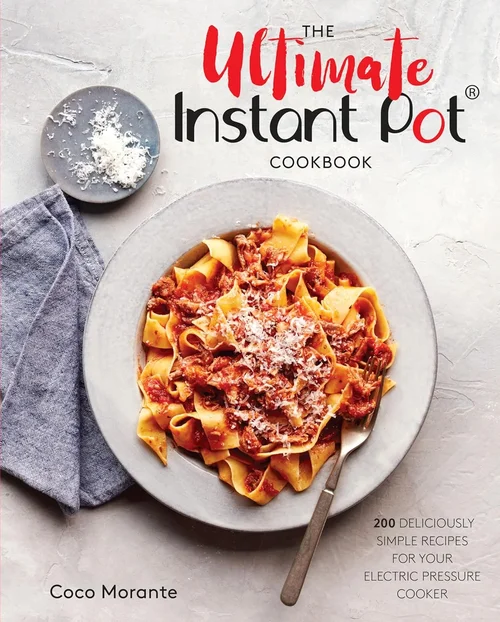
- Best for Budget-Conscious Buyers: The Essential Instant Pot Cookbook by Coco Morante ($14). Packed with 100+ foolproof recipes, clear icons, and model-agnostic instructions. Perfect for first-timers who want reliability without fluff.
- Best Overall Value: Instant Pot Cookbook for Beginners by Rockridge Press ($18). Combines foundational lessons, meal prep guides, and diverse recipes (including vegan and gluten-free). Includes QR codes for video help.
- Best Premium Option: Pressure Perfect by America’s Test Kitchen ($28). Meticulously tested recipes, scientific explanations, and stunning photography. Ideal for cooks who love precision and depth.
- Best for Beginners: Instant Pot Made Simple by Melissa Costello ($16). Focuses on confidence-building with 5-minute prep recipes, safety demos, and a “First 10 Recipes” starter guide.
- Best for Advanced Users: The Instant Pot Bible by Bruce Weinstein and Mark Scarbrough ($26). Over 300 recipes spanning global cuisines, fermentation, and sous-vide-style techniques. Requires some experience but rewards with mastery.
Conclusion: Making the Right Choice
Choosing the right Instant Pot cookbook isn’t about finding the fanciest cover or the longest recipe list—it’s about alignment. Alignment with your skill level, dietary needs, cooking goals, and even your specific appliance model. A great cookbook doesn’t just give you recipes; it gives you confidence. It turns uncertainty into consistency, and hesitation into creativity.
As you begin your Instant Pot journey, remember: every expert was once a beginner who burned their first batch of rice. Start simple. Celebrate small wins. And don’t be afraid to tweak recipes as you learn what works for your taste and schedule. The perfect cookbook will grow with you—from your first hesitant chicken curry to your signature Sunday stew.
So take a breath, grab your model number, and pick a book that speaks to your kitchen reality. Whether you’re feeding a family of six or just yourself, there’s an Instant Pot cookbook out there that will make every meal easier, faster, and more delicious. Happy cooking!