Cooking at high altitude presents unique challenges that can turn even the most reliable kitchen appliances into frustrating obstacles. Whether you live in Denver, Santa Fe, or the mountains of Colorado, the lower atmospheric pressure affects boiling points, evaporation rates, and cooking times—especially when using pressure cookers like the Instant Pot. Many home cooks assume their favorite multi-cooker will work seamlessly anywhere, but without proper adjustments or the right model, meals can end up undercooked, overcooked, or inconsistently textured. This is why choosing the best Instant Pot for high-altitude cooking isn’t just a convenience—it’s a necessity for reliable, safe, and delicious results.
This comprehensive buyer’s guide is designed to help you navigate the complexities of high-altitude cooking with an Instant Pot. You’ll learn how altitude impacts pressure cooking, what features to prioritize when shopping, and how to avoid common pitfalls that lead to disappointing meals. We’ll break down performance specs, build quality, smart functionalities, and real-world usability so you can make a confident, informed decision. Whether you’re a seasoned home chef or just starting your Instant Pot journey, this guide equips you with expert insights tailored specifically to the demands of elevated environments.
The market for multi-cookers has exploded in recent years, with dozens of models offering varying levels of power, capacity, and smart integration. However, not all Instant Pots are created equal—especially when it comes to high-altitude performance. Some models include built-in altitude compensation, while others require manual time and pressure adjustments. Understanding these nuances is critical. In this guide, we’ll compare top models, highlight key buying factors, share pro tips for getting the best deal, and deliver clear recommendations based on your budget, cooking style, and altitude needs.
What to Look for When Buying Instant Pots
1. Altitude Compensation Technology
One of the most critical features for high-altitude cooking is built-in altitude compensation. At elevations above 3,000 feet, atmospheric pressure drops significantly, which lowers the boiling point of water and reduces the effective pressure inside a cooker. This means food takes longer to cook and may not reach safe internal temperatures without adjustment. Some advanced Instant Pot models automatically detect or allow manual input of your elevation and adjust cooking times and pressure levels accordingly. Look for models that explicitly mention “altitude adjustment” or “high-altitude mode” in their specifications. Without this feature, you’ll need to manually increase cooking times by 5–25% depending on your elevation, which increases the risk of error and inconsistent results.
2. Pressure Performance & Consistency
The core function of any Instant Pot is its ability to generate and maintain consistent pressure. At high altitudes, achieving optimal pressure becomes more difficult due to reduced air density. A high-quality Instant Pot should deliver reliable high-pressure output (typically 10.2–11.6 PSI) even in thin mountain air. Models with stronger heating elements and better sealing mechanisms tend to perform more reliably. Check user reviews from buyers in similar elevations—many report that certain models struggle to reach full pressure above 5,000 feet. Opt for units with reinforced lids, dual pressure sensors, and robust valves to ensure stable performance regardless of altitude.
3. Size & Capacity Needs
Instant Pots come in various sizes, typically ranging from 3 quarts (ideal for singles or couples) to 8 quarts (great for families or meal prepping). At high altitude, larger pots may take slightly longer to come to pressure due to increased volume, but they also offer more flexibility for batch cooking—a smart strategy when adjusting recipes. Consider your household size and typical meal volume. A 6-quart model is often the sweet spot for most families, balancing capacity with efficient heating. If you frequently cook beans, stews, or large cuts of meat, go for 8 quarts. Just remember: larger doesn’t always mean better if you’re only cooking for one or two people—smaller models heat up faster and use less energy.
4. Build Quality & Durality
High-altitude environments can be tough on appliances due to temperature fluctuations, dry air, and frequent use. A well-built Instant Pot should feature a stainless steel inner pot (avoid nonstick coatings, which can degrade over time), a sturdy lid with a secure locking mechanism, and a base with adequate ventilation to prevent overheating. Look for models with reinforced hinges, silicone gaskets rated for high heat, and scratch-resistant exteriors. Cheaper models may save you money upfront but often fail prematurely under the stress of repeated high-pressure cycles—especially at altitude where the unit works harder to maintain pressure.
5. Smart Features & Programmability
Modern Instant Pots offer a range of smart features, from Wi-Fi connectivity to pre-programmed settings for rice, yogurt, soup, and more. While these conveniences are nice, not all are essential for high-altitude success. Focus on programmable delay start, keep-warm functions, and customizable pressure/timer settings—these allow you to fine-tune recipes based on your elevation. Models with “Altitude Adjust” buttons or apps that let you input your elevation are particularly valuable. Avoid overly complex interfaces with too many redundant presets; simplicity often leads to better usability, especially when troubleshooting cooking issues at altitude.
6. Brand Reputation & Reliability
Instant Pot remains the gold standard in multi-cookers, but several reputable brands now offer competitive alternatives, including Ninja, Crock-Pot, and Mueller. Stick with brands known for consistent performance, strong customer support, and transparent altitude guidance. Read verified purchase reviews from users in mountainous regions—these offer the most honest feedback on real-world performance. Avoid unknown brands or heavily discounted knockoffs, which often cut corners on safety features and pressure regulation, posing risks especially at high altitudes where precision matters most.
7. Warranty & Customer Support
A solid warranty reflects confidence in product durability. Most reputable Instant Pot models come with a 1-year limited warranty, but some premium units offer up to 2 years. Check what’s covered: Does it include the heating element, lid assembly, or electronic components? Also, assess the brand’s customer service responsiveness. If your unit malfunctions at 8,000 feet and you can’t get timely support, you’re left with a expensive paperweight. Brands like Instant Pot and Ninja have established support networks and online troubleshooting guides, including altitude-specific FAQs—look for these resources before buying.
8. User Reviews & Real-World Feedback
Never rely solely on manufacturer claims. Dive into customer reviews, especially those from buyers living at elevations similar to yours. Search phrases like “works at 7,000 feet” or “high altitude review” in the Q&A section of retail sites. Pay attention to comments about pressure consistency, cooking times, and ease of adjustment. A model that performs flawlessly at sea level may falter in the Rockies. Real user experiences provide invaluable insights that specs alone can’t reveal.
Different Types of Instant Pots
Common Buying Mistakes to Avoid
❌ Mistake: Ignoring Altitude Specifications
Why it’s bad: Assuming all Instant Pots work the same at any elevation is a recipe for disaster. Without proper altitude adjustment, food may remain undercooked, especially proteins and legumes, increasing food safety risks.
What to do instead: Always check if the model supports high-altitude cooking. Look for explicit mentions in the manual or product description. If unsure, contact customer service before purchasing.
❌ Mistake: Choosing Based Solely on Price
Why it’s bad: The cheapest models often lack robust pressure systems and altitude features, leading to inconsistent results and shorter lifespans—especially under the stress of high-altitude use.
What to do instead: Invest in a mid-range or premium model with proven reliability. The extra $30–$50 can save you hundreds in wasted food and replacement costs.
❌ Mistake: Overlooking Inner Pot Material
Why it’s bad: Nonstick coatings can degrade faster at high heat and altitude, potentially flaking into food. They’re also harder to clean and less durable.
What to do instead: Choose a stainless steel inner pot. It’s safer, more durable, and compatible with metal utensils—ideal for long-term use.
❌ Mistake: Buying the Largest Size Available
Why it’s bad: An 8-quart pot may be overkill for a single person or couple. It uses more energy, takes longer to pressurize, and can lead to underfilled cooking, which affects pressure stability.
What to do instead: Match the size to your typical meal volume. A 6-quart model suits most families, while 3-quart is perfect for individuals.
❌ Mistake: Skipping User Reviews from High-Altitude Buyers
Why it’s bad: Generic reviews don’t account for elevation challenges. A model praised at sea level may fail miserably in the mountains.
What to do instead: Filter reviews by location or search for keywords like “Denver,” “Colorado,” or “high altitude” to find relevant feedback.
❌ Mistake: Assuming All Smart Features Are Useful
Why it’s bad: Wi-Fi and app connectivity sound impressive, but if the core pressure performance is weak, smart features become gimmicks.
What to do instead: Prioritize pressure consistency and altitude support over flashy tech. Use smart features only if they enhance usability for your needs.
❌ Mistake: Not Checking Return Policy
Why it’s bad: If the unit doesn’t perform well at your elevation, you need an easy return option. Some retailers have strict policies or restocking fees.
What to do instead: Buy from retailers with generous return windows (30+ days) and free return shipping. Amazon, Costco, and Target are reliable options.
Budget Guidelines: How Much Should You Spend?
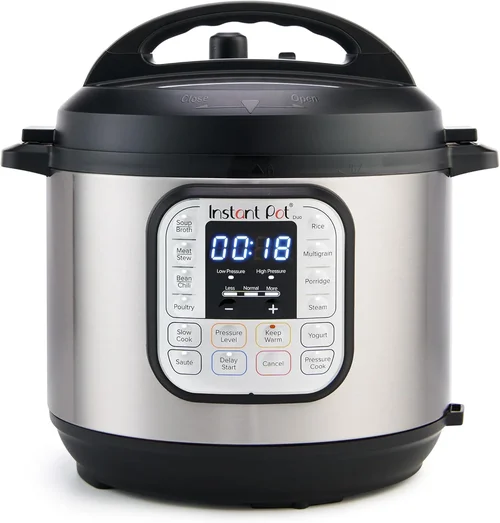
Entry-Level ($50–$80): These basic models are great for beginners or occasional use. Expect limited features, no altitude compensation, and simpler pressure systems. Ideal for small households at lower elevations (3,000–5,000 feet), but may require significant manual adjustments. Look for the Instant Pot Duo 6-Quart or Crock-Pot Express as affordable starters.
Mid-Range ($80–$120): This is the sweet spot for most high-altitude cooks. Models like the Instant Pot Pro or Ninja Foodi offer better pressure consistency, stainless steel pots, and some altitude-friendly features. You’ll get reliable performance, decent smart options, and solid build quality without breaking the bank.
Premium ($120–$160): Designed for enthusiasts and frequent users, these units include advanced altitude compensation, multiple pressure sensors, Wi-Fi connectivity, and enhanced safety features. The Instant Pot Ultra or Ninja Foodi Smart XL are excellent choices for those who cook daily and demand precision.
Luxury ($160+): Top-tier models like the Instant Pot Pro Plus or high-end Ninja variants offer professional-grade performance, app-based recipe libraries with altitude settings, and extended warranties. These are best for serious home chefs, large families, or those living above 7,000 feet who need foolproof results.
Expert Tips for Getting the Best Deal
1. Shop During Seasonal Sales: Major discounts occur during Black Friday, Cyber Monday, Prime Day, and post-holiday clearance events. Sign up for email alerts from retailers like Amazon, Walmart, and Target to catch flash deals.
2. Compare Retailers: Prices vary widely. Amazon often has competitive pricing and fast shipping, while Costco offers member-exclusive bundles. Check local stores like Kohl’s or Bed Bath & Beyond for in-person inspection and instant pickup.
3. Look for Refurbished or Open-Box Units: Certified refurbished Instant Pots from the manufacturer or trusted retailers come with warranties and can save you 20–30%. Ensure they include the full accessory set and haven’t been heavily used.
4. Use Price Tracking Tools: Websites like CamelCamelCamel (for Amazon) or Honey track price history and alert you when a model drops to its lowest point in 90 days.
5. Bundle Accessories: Some retailers offer free extras like extra sealing rings, steamer baskets, or recipe books. These add value and reduce future costs.
6. Check Warranty Extensions: Consider purchasing an extended warranty if available, especially for premium models. It’s often cheaper than replacing a failed unit.
7. Test Before Committing: If buying in-store, ask to see a demo unit. Check the lid seal, button responsiveness, and overall build feel. A sturdy hinge and smooth pressure release valve are good signs.
8. Read the Fine Print: Ensure the model is compatible with your voltage (standard 120V in the U.S.) and that it’s not a region-specific variant with limited support.

Frequently Asked Questions
Q: Do I really need a special Instant Pot for high-altitude cooking?
A: Not necessarily “special,” but you do need a model that either includes altitude compensation or allows manual adjustments. Basic models may work with increased cooking times, but for consistent, safe results—especially above 5,000 feet—a unit with altitude support is strongly recommended.
Q: How much should I increase cooking times at high altitude?
A: As a general rule, add 5% more time for every 1,000 feet above 3,000 feet. So at 6,000 feet, increase by 15%. However, this varies by food type. Beans and meats need more adjustment than rice or soup. Always use a food thermometer to verify doneness.
Q: Can I use my sea-level Instant Pot at high altitude?
A: Yes, but with caution. You’ll need to manually adjust times and possibly liquid amounts (more evaporation occurs at altitude). Monitor closely and be prepared for trial and error. For frequent use, upgrading to an altitude-friendly model is worth it.
Q: Does altitude affect pressure canning?
A: Absolutely. Pressure canning at high altitude requires significant adjustments to pressure levels, not just time. Most Instant Pots are not recommended for canning due to inconsistent pressure control. Use a dedicated pressure canner instead.
Q: Are Wi-Fi models better for high-altitude cooking?
A: Only if the app includes altitude settings. Some smart models let you input your elevation and automatically adjust recipes—this is a major advantage. But if the app lacks this feature, Wi-Fi adds little value for altitude cooking.
Q: What’s the highest elevation an Instant Pot can handle?
A: Most quality models can function up to 10,000 feet with proper adjustments. However, performance degrades significantly above 7,500 feet. Check the manufacturer’s specifications—some list maximum operating altitudes.
Q: How do I know if my Instant Pot is reaching full pressure at altitude?
A: Watch for steady steam release from the valve during preheating, then silence when pressure builds. The float valve should pop up. If it struggles to seal or takes unusually long, your unit may be underperforming at elevation.
Q: Can I cook dried beans safely at high altitude?
A: Yes, but they require longer cooking times and often benefit from pre-soaking. Use the “Bean/Chili” setting if available, or manually set high pressure for 40–60 minutes depending on altitude. Always ensure beans reach 185°F internally to destroy toxins.
Q: Is the inner pot interchangeable between models?
A: Generally no. Inner pots are model-specific due to size, shape, and sensor compatibility. Only buy replacement pots designed for your exact Instant Pot model.
Q: What should I do if my food is still undercooked after adjusting time?
A: Increase liquid slightly (altitude increases evaporation), ensure the sealing ring is clean and properly seated, and verify your unit reaches full pressure. If problems persist, consider upgrading to a model with better altitude performance.
Our Final Recommendations
Best for Budget-Conscious Buyers: Instant Pot Duo 6-Quart – At under $80, this reliable workhorse offers solid performance for basic high-altitude cooking. While it lacks automatic altitude adjustment, its consistent pressure and stainless steel pot make it a great entry point. Ideal for elevations up to 5,000 feet with manual time tweaks.
Best Overall Value: Instant Pot Pro 6-Quart – Priced around $110, this model includes enhanced pressure control, a durable build, and improved sealing—key for altitude reliability. It doesn’t have Wi-Fi, but its precision and ease of use make it the top choice for most mountain dwellers.
Best Premium Option: Ninja Foodi Smart XL 8-Quart – With built-in altitude detection, app-based recipe adjustments, and a large capacity, this $150 model is perfect for families or serious cooks above 6,000 feet. Its dual sensors and robust heating ensure consistent results even in thin air.
Best for Beginners: Crock-Pot Express Crock Multi-Cooker 6-Quart – Simple interface, clear instructions, and solid performance at a budget price. Great for new users learning high-altitude adjustments without overwhelming features.
Best for Advanced Users: Instant Pot Ultra 8-Quart – Featuring a digital display, customizable settings, and superior pressure regulation, this $140 model gives experienced cooks full control. Its altitude-friendly design and large capacity make it ideal for complex recipes and batch cooking.
Conclusion: Making the Right Choice
Choosing the best Instant Pot for high-altitude cooking isn’t just about picking the most popular model—it’s about matching your appliance to the unique demands of your environment. From altitude compensation and pressure consistency to build quality and smart features, every detail matters when you’re cooking miles above sea level. By prioritizing reliability, safety, and adaptability, you’ll transform your kitchen into a high-performance cooking hub, no matter how thin the air.
Remember, the right Instant Pot won’t just save you time—it will give you confidence that your meals will turn out perfectly, every single time. Don’t let altitude stand between you and delicious, home-cooked food. Use this guide to evaluate your needs, avoid common pitfalls, and invest in a model that’s built to rise to the challenge. Whether you’re simmering a hearty stew in the Rockies or steaming rice in the Andes, your Instant Pot should be your most trusted kitchen companion. Start smart, cook confidently, and enjoy every bite—no matter how high you go.