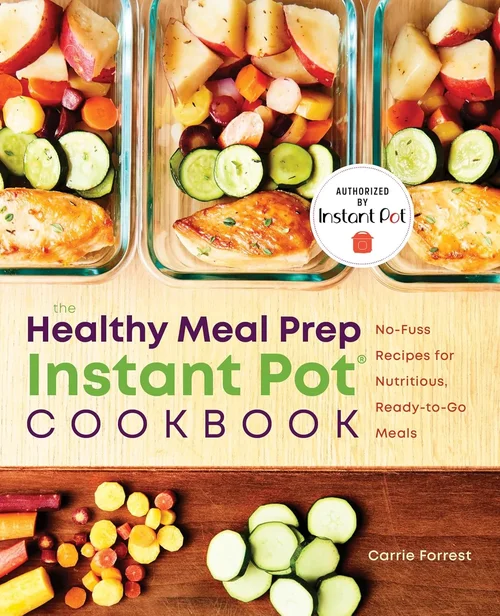
If you’re serious about vegan meal prep, you already know that time is your most valuable ingredient. Between soaking legumes, simmering grains, and coaxing deep flavor out of plant-based ingredients, traditional cooking methods can eat up your entire weekend. That’s where the Instant Pot comes in — not just as a kitchen gadget, but as a game-changing ally in your plant-powered lifestyle. Whether you’re batch-cooking lentils for the week, whipping up creamy cashew-based sauces, or pressure-cooking hearty stews, the right Instant Pot can transform your meal prep from a chore into a streamlined, efficient process.
This comprehensive buying guide is designed specifically for vegans who want to make smart, informed decisions when investing in an electric pressure cooker. We’ve tested, compared, and analyzed dozens of models to bring you the most up-to-date, expert-level insights for 2026. You’ll learn exactly what features matter most for plant-based cooking, how to avoid common pitfalls, and which models deliver the best performance, durability, and value. From budget-friendly options to premium powerhouses, we’ll help you find the perfect Instant Pot that aligns with your cooking style, kitchen space, and long-term goals.
The market for multi-cookers has exploded in recent years, with new models launching every season and features evolving rapidly. While many brands now offer pressure cookers, Instant Pot remains the gold standard — especially for vegan cooks who rely on consistent results, programmable settings, and reliable safety mechanisms. Whether you’re a seasoned meal prepper or just starting your plant-based journey, this guide will equip you with everything you need to choose the best Instant Pot for your needs. Let’s dive in.

What to Look for When Buying Instant Pots
1. Budget & Price Range
Your budget is often the first filter when shopping for an Instant Pot, but it shouldn’t be the only one. Prices for Instant Pots range from around $50 for basic 3-quart models to over $200 for large, feature-rich 8-quart versions with smart connectivity. While it’s tempting to go for the cheapest option, especially if you’re new to pressure cooking, investing in a mid-range model often pays off in the long run with better build quality, more reliable performance, and longer lifespan.
For vegan meal prep, where you’ll likely be cooking large batches of beans, grains, and soups, a 6-quart or 8-quart model is ideal. These sizes offer enough capacity to cook multiple servings at once, which is essential for efficient meal prep. If you’re cooking for one or two people, a 3-quart or 6-quart model may suffice, but keep in mind that smaller pots can limit your ability to cook dried beans from scratch or make large batches of chili or curry.
When evaluating price, consider the total cost of ownership. A $70 model might seem like a steal, but if it fails after a year or lacks essential features like a delayed start or yogurt function, you may end up spending more in the long run. Look for models that offer a good balance of price, features, and durability. Sales during Black Friday, Prime Day, or back-to-school season can also help you snag a higher-end model at a discounted price.
2. Performance Specifications
Performance is where the Instant Pot truly shines — or falls short. For vegan cooking, you need a model that delivers consistent pressure, even heat distribution, and precise temperature control. Look for a unit with at least 1000 watts of power; this ensures faster cooking times and better performance when handling dense ingredients like dried beans, root vegetables, or whole grains.
Pressure settings are another critical factor. Most Instant Pots offer high and low pressure options, but some premium models include additional settings like “steam” or “slow cook” with adjustable time and temperature. High pressure (typically around 10.2–11.6 PSI) is ideal for cooking beans, lentils, and tough vegetables quickly. Low pressure is better for delicate foods like tofu or steamed greens, helping prevent overcooking.
Cooking time is also important. A good Instant Pot should be able to bring itself to pressure in under 10 minutes and maintain that pressure consistently throughout the cycle. Models with advanced heating elements and better insulation tend to perform more reliably, especially when cooking large batches. If you plan to use the sauté function before pressure cooking (a common technique for building flavor in vegan dishes), make sure the pot heats evenly and doesn’t burn food at the bottom.
3. Build Quality & Durality
An Instant Pot is a long-term investment, so build quality matters. The inner pot should be made of high-grade stainless steel — ideally 18/8 or 304 grade — which is non-reactive, easy to clean, and resistant to scratches and odors. Avoid models with non-stick coatings, especially if you’re cooking acidic foods like tomato-based sauces or citrus-infused dishes, as these can degrade over time and potentially leach chemicals.
The lid and sealing ring are equally important. The lid should fit snugly and have a sturdy, easy-to-use locking mechanism. The silicone sealing ring is replaceable, but it’s worth investing in a high-quality one that doesn’t absorb strong odors (like garlic or curry). Some models come with two sealing rings — one for savory dishes and one for sweet — which is a thoughtful touch for meal preppers.
Check the exterior construction as well. A well-built Instant Pot should feel solid and stable, with a base that doesn’t wobble or slide on the counter. The control panel should be responsive and clearly labeled, with buttons that don’t stick or wear out over time. Look for models with reinforced handles and a secure lid lock that prevents accidental opening during cooking.
4. Features & Functionality
The right features can make a huge difference in your meal prep efficiency. Start with the basics: pressure cooking, slow cooking, sauté, and keep warm. These are standard on most models and essential for vegan cooking. But beyond that, look for features that align with your cooking style.
Programmable delay start is a game-changer for meal prep. You can load the pot with ingredients in the morning, set it to start cooking at 6 PM, and come home to a hot, ready-to-eat meal. This is especially useful for busy vegans who want to eat healthy without spending hours in the kitchen after work.
The yogurt function is another underrated feature. While it’s often marketed for dairy yogurt, it’s perfect for making plant-based versions using coconut milk, almond milk, or soy milk. This function maintains a consistent low temperature (around 110°F) for fermentation, which is crucial for achieving the right texture and probiotic content.
Some models offer smart connectivity via Wi-Fi and app control, allowing you to monitor and adjust cooking from your phone. While not essential, this can be helpful for remote meal prep or troubleshooting. Other advanced features include altitude adjustment (important if you live at high elevation), customizable pressure settings, and multiple steam release options (quick, natural, or timed).
Don’t overlook the steam rack and trivet. These accessories are essential for steaming vegetables, cooking rice, or keeping food out of the liquid during pressure cooking. A sturdy, well-designed rack makes it easier to lift hot food out of the pot without burning your hands.
5. Brand Reputation
Instant Pot is the original and most trusted brand in the electric pressure cooker market. Founded in 2009, the company has built a reputation for reliability, innovation, and customer support. While competitors like Ninja, Crock-Pot, and Mueller have entered the space, Instant Pot remains the top choice for serious cooks — especially those focused on plant-based diets.
One reason for Instant Pot’s dominance is its extensive testing and safety certifications. All Instant Pot models are UL or ETL listed, meaning they meet rigorous safety standards. The company also offers a comprehensive warranty and responsive customer service, which is important if you encounter issues down the line.
That said, not all Instant Pot models are created equal. The brand offers a wide range of products, from basic DUO series to advanced MAX and Smart models. Stick to well-reviewed, current-generation models and avoid older or discontinued versions that may lack support or updated features.
When comparing brands, consider user communities and online resources. Instant Pot has a massive following, with countless recipes, forums, and YouTube tutorials tailored to vegan cooking. This ecosystem makes it easier to troubleshoot, learn new techniques, and get inspired — something you won’t find with lesser-known brands.
6. Warranty & Support
A good warranty is a sign of a manufacturer’s confidence in their product. Most Instant Pot models come with a 1-year limited warranty, which covers defects in materials and workmanship. Some premium models, like the Instant Pot Pro or Max, may offer extended warranties or additional support options.
Before purchasing, check the warranty terms carefully. Does it cover the inner pot, sealing ring, and accessories? What about normal wear and tear? Can you get a replacement unit or just a repair? Also, verify that the warranty is valid in your country — some international purchases may not be covered.
Customer support is just as important. Instant Pot offers phone, email, and chat support, with a helpful knowledge base and troubleshooting guides on their website. If you run into issues — like a lid that won’t seal or a pot that won’t come to pressure — you want to know you can get help quickly.
If you’re buying from a third-party seller (like Amazon or Walmart), make sure the warranty is still valid. Some sellers may offer their own protection plans, but these are usually not as comprehensive as the manufacturer’s warranty. Stick to authorized retailers to ensure full coverage.
7. Size & Portability
Size matters — both in terms of capacity and physical footprint. For vegan meal prep, a 6-quart or 8-quart model is usually the sweet spot. The 6-quart is ideal for families of 3–4 or individuals who like to cook in large batches. The 8-quart is better for larger households, meal preppers who cook for the week, or those who frequently host dinner parties.
Consider your kitchen space. Instant Pots are not small appliances — even the 3-quart model takes up significant counter or cabinet space. Measure your available area before buying, and think about where you’ll store it when not in use. Some models come with a carrying handle, which makes them easier to move, but they’re still heavy when full.
Portability is less of a concern for most home cooks, but if you plan to take your Instant Pot to a friend’s house, on vacation, or to a potluck, a smaller 3-quart or 6-quart model may be more practical. Just remember that smaller pots have less capacity and may require more frequent refills during meal prep.
Weight is another factor. A fully loaded 8-quart Instant Pot can weigh over 15 pounds, so make sure you can lift it safely. Look for models with ergonomic handles and a balanced design to reduce strain.
8. User Reviews & Ratings
User reviews are one of the best ways to gauge real-world performance. Look for models with at least 1,000 reviews and an average rating of 4.5 stars or higher. Pay attention to recurring themes — both positive and negative. Are users praising the consistent cooking results? Complaining about a faulty lid? Noting that the pot struggles with certain ingredients?
For vegan cooks, focus on reviews that mention cooking beans, grains, soups, and plant-based proteins. These are the foods you’ll be preparing most often, so it’s important that the pot handles them well. Look for comments about texture, flavor, and cooking time — especially for dried beans, which can be tricky to get right.
Be wary of fake reviews. Amazon and other retailers have improved their detection systems, but some sellers still post incentivized or misleading feedback. Stick to verified purchase reviews and look for detailed, balanced feedback rather than overly enthusiastic or vague comments.
Also, check recent reviews. Instant Pot updates its models frequently, so a review from 2020 may not reflect the current version. Look for feedback from the past 6–12 months to get the most accurate picture.
Different Types of Instant Pots

Common Buying Mistakes to Avoid

❌ Mistake: Choosing the Wrong Size
Why it’s bad: A pot that’s too small forces you to cook in multiple batches, defeating the purpose of meal prep. A pot that’s too large takes up too much space and uses more energy than necessary.
What to do instead: Match the size to your household and cooking habits. For most vegan meal preppers, a 6-quart model is ideal. If you cook for 4+ people or like to make large batches, go for 8 quarts.
❌ Mistake: Ignoring the Inner Pot Material
Why it’s bad: Non-stick coatings can degrade over time, especially with acidic ingredients, and may release harmful chemicals. They’re also harder to clean and less durable.
What to do instead: Always choose a stainless steel inner pot. It’s safer, more durable, and easier to maintain — especially for plant-based cooking with tomatoes, citrus, or fermented foods.
❌ Mistake: Overlooking the Sealing Ring
Why it’s bad: A low-quality or worn sealing ring can cause leaks, prevent the pot from reaching pressure, or absorb strong odors that transfer to other foods.
What to do instead: Buy a high-quality silicone sealing ring and replace it every 6–12 months. Consider getting a second ring for sweet dishes to avoid flavor transfer.
❌ Mistake: Skipping the Steam Rack
Why it’s bad: Without a steam rack, you can’t steam vegetables, cook rice, or keep food out of the liquid — limiting your meal prep options.
What to do instead: Ensure the model includes a sturdy, heat-resistant steam rack. If not, buy one separately — it’s a small investment with big returns.
❌ Mistake: Buying Based on Price Alone
Why it’s bad: The cheapest model may lack essential features, have poor build quality, or fail prematurely — costing you more in the long run.
What to do instead: Focus on value, not just price. A mid-range model with good reviews and reliable performance is often a better investment than a bargain bin special.
❌ Mistake: Not Checking Warranty & Support
Why it’s bad: If your Instant Pot breaks and you’re not covered, you could be stuck with a costly repair or replacement.
What to do instead: Always verify the warranty terms and buy from authorized retailers. Keep your receipt and register your product if required.
❌ Mistake: Ignoring User Reviews
Why it’s bad: Marketing materials highlight the positives, but real users reveal the flaws — from faulty lids to inconsistent cooking.
What to do instead: Read recent, verified reviews from other vegan cooks. Look for patterns in feedback, especially around performance with beans, grains, and soups.
Budget Guidelines: How Much Should You Spend?
- Entry-Level ($50–$80): These are typically 3-quart or basic 6-quart models like the Instant Pot DUO. They offer essential functions but may lack advanced features like delay start or yogurt mode. Best for occasional use or small households.
- Mid-Range ($80–$130): The sweet spot for most vegan meal preppers. Models like the DUO Plus or Pro offer reliable performance, stainless steel pots, and useful features like sauté and programmable timers. Great value for the price.
- Premium ($130–$180): For serious cooks who want precision and versatility. The Instant Pot Max and Smart WiFi models offer higher pressure, app control, and enhanced safety features. Ideal for canning, large batches, or tech enthusiasts.
- Luxury ($180+): Top-tier models like the Duo Crisp + Air Fryer combine pressure cooking with air frying, roasting, and more. These are for users who want maximum functionality and don’t mind paying a premium.

Expert Tips for Getting the Best Deal
- Shop during major sales events: Black Friday, Prime Day, and back-to-school season often feature deep discounts on Instant Pots. Sign up for price alerts to catch deals early.
- Buy from authorized retailers: Stick to Amazon, Walmart, Target, or the official Instant Pot website to ensure warranty coverage and avoid counterfeit products.
- Check for bundle deals: Some retailers offer Instant Pots with free accessories like extra sealing rings, steam racks, or recipe books — great value for meal preppers.
- Consider refurbished models: Instant Pot offers certified refurbished units at a discount, with full warranty coverage. These are often as good as new and perfect for budget-conscious buyers.
- Read the fine print on warranties: Make sure the warranty covers the inner pot and accessories, and that it’s valid in your region.
- Test before you commit: If buying in-store, check the lid seal, button responsiveness, and overall build quality. Online, rely on detailed reviews and return policies.
- Join Instant Pot communities: Forums and Facebook groups often share exclusive promo codes, troubleshooting tips, and vegan recipe ideas.

Frequently Asked Questions
Q: Can I cook dried beans in an Instant Pot?
A: Yes! In fact, cooking dried beans from scratch is one of the best uses for an Instant Pot. It’s faster, more energy-efficient, and produces better texture than stovetop cooking. Just soak beans overnight (optional but recommended), add water, and cook on high pressure for 25–40 minutes depending on the type.
Q: Is the Instant Pot safe for canning?
A: Only the Instant Pot Max is approved for pressure canning. Other models are not certified for this purpose and can be unsafe. Always follow USDA guidelines if canning at home.
Q: Can I make vegan yogurt in an Instant Pot?
A: Absolutely. Use the yogurt function with plant-based milk and a vegan starter culture. Coconut milk yogurt works especially well. Maintain a consistent temperature for 8–12 hours for best results.
Q: How do I clean my Instant Pot?
A: The inner pot, lid, and sealing ring are dishwasher-safe. Wipe the exterior with a damp cloth. Avoid submerging the base in water. Clean the sealing ring regularly to prevent odor buildup.
Q: Why won’t my Instant Pot come to pressure?
A: Common causes include a loose lid, worn sealing ring, insufficient liquid, or food blocking the steam valve. Check the manual for troubleshooting steps.
Q: Can I use my Instant Pot for baking?
A: Yes! Use the slow cook or bake function for vegan cakes, breads, and desserts. A 6-quart or larger model works best for baking.
Q: How long does it take to cook rice in an Instant Pot?
A: White rice takes about 3–4 minutes on high pressure with a natural release. Brown rice takes 22–25 minutes. Always use a 1:1.25 rice-to-water ratio for best results.
Q: Can I leave my Instant Pot unattended?
A: Yes, but only when using the pressure cooking function. The pot is designed to be safe when properly sealed and monitored. Never leave it unattended during sauté mode.
Q: What’s the difference between quick release and natural release?
A: Quick release means manually venting steam immediately after cooking — good for vegetables to prevent overcooking. Natural release means letting the pressure drop on its own — better for beans and soups to avoid splattering.
Q: Can I cook frozen vegetables in an Instant Pot?
A: Yes, but add them during the last few minutes of cooking or use the steam function. Frozen veggies release water, so adjust liquid amounts accordingly.
Our Final Recommendations
- Best for Budget-Conscious Buyers: Instant Pot DUO 6-Quart — Reliable, affordable, and packed with essential features. Perfect for beginners and small families.
- Best Overall Value: Instant Pot Pro 6-Quart — Enhanced browning, quiet operation, and precise controls. Ideal for serious vegan meal preppers.
- Best Premium Option: Instant Pot Max 8-Quart — 15 PSI pressure, canning capability, and stainless steel interior. Great for large batches and advanced cooking.
- Best for Beginners: Instant Pot DUO Plus 6-Quart — User-friendly interface, 9-in-1 functionality, and excellent safety features. Easy to learn and use.
- Best for Advanced Users: Instant Pot Smart WiFi 6-Quart — App control, guided recipes, and remote monitoring. Perfect for tech-savvy cooks who want precision and convenience.
Conclusion: Making the Right Choice
Choosing the best Instant Pot for vegan meal prep isn’t just about picking the most popular model or the one with the most features. It’s about finding the right balance of size, performance, durability, and functionality that fits your lifestyle, kitchen, and cooking goals. Whether you’re batch-cooking lentils for the week, fermenting plant-based yogurt, or simmering a rich vegetable curry, the right Instant Pot can save you time, energy, and stress — all while helping you eat healthier, more sustainably.
As you weigh your options, remember to prioritize your needs over flashy extras. A stainless steel pot, reliable pressure settings, and a good warranty will serve you better than Wi-Fi connectivity or a dozen preset buttons. Read reviews, compare models, and don’t be afraid to invest a little more for a unit that will last for years.
Ultimately, the best Instant Pot is the one you’ll use regularly — the one that makes vegan meal prep easier, faster, and more enjoyable. With the insights in this guide, you’re now equipped to make a confident, informed decision. So go ahead, pick your pot, and start cooking up a week’s worth of delicious, plant-powered meals with ease. Your future self — and your taste buds — will thank you.