Living life on the road—whether in an RV, van, or tiny mobile home—means embracing freedom, adventure, and simplicity. But that doesn’t mean you have to sacrifice comfort or nutrition. One of the most transformative kitchen appliances for nomadic living is the Instant Pot. This multi-functional electric pressure cooker has revolutionized meal prep for travelers who want hearty, home-cooked meals without the bulk of traditional cookware or the hassle of stovetop cooking. From slow-cooked stews to perfectly steamed rice, the Instant Pot delivers convenience, speed, and versatility—all in one compact unit.
But not all Instant Pots are created equal, especially when your kitchen is limited to a few square feet and your power source might be a solar panel or a campground hookup. Choosing the right model requires careful consideration of size, power consumption, durability, and functionality. With dozens of models on the market—ranging from basic 3-quart units to feature-rich 8-quart smart cookers—it’s easy to feel overwhelmed. That’s where this guide comes in. We’ve tested, researched, and lived with these appliances to bring you a comprehensive, expert-level buying guide tailored specifically for RV and van life enthusiasts.
In this article, you’ll learn exactly what to look for when selecting an Instant Pot for mobile living. We’ll break down key factors like size, power requirements, build quality, and essential features, compare different types and models, highlight common pitfalls to avoid, and offer budget-friendly recommendations. Whether you’re a weekend camper or a full-time nomad, this guide will help you make an informed decision that fits your lifestyle, space, and culinary needs. By the end, you’ll know which Instant Pot delivers the best balance of performance, portability, and reliability for life on the move.
What to Look for When Buying Instant Pots
1. Size & Capacity
When space is at a premium—as it always is in RVs and vans—size matters more than ever. Instant Pots come in several capacities, typically ranging from 3 quarts to 8 quarts. For solo travelers or couples, a 3-quart or 6-quart model is usually ideal. The 3-quart version is compact enough to store in a small cabinet or under a seat, yet still capable of cooking a full meal for one or two people. It’s perfect for making soups, oatmeal, rice, or even a small roast.
The 6-quart model is the sweet spot for most van lifers and RV owners. It offers enough capacity to cook larger batches—great for meal prepping or feeding a small group—while still being manageable in terms of weight and storage. It can easily handle a whole chicken, a pot of chili, or multiple servings of beans. However, keep in mind that larger pots take up more counter space and may not fit in smaller kitchens.
Avoid the 8-quart models unless you’re cooking for a family or frequently hosting guests. These are heavy, bulky, and consume significantly more power—making them less practical for mobile living. Also consider the pot’s diameter and height: some models are taller than they are wide, which can affect how they fit in your storage compartments.
2. Power Requirements & Energy Efficiency
Power consumption is a critical factor for anyone living off-grid or relying on limited electrical systems. Most standard Instant Pots operate at 1000–1200 watts, which can be a challenge if you’re running on solar power or a small inverter. High-wattage appliances can drain your battery quickly, especially during extended cooking cycles.
Look for models with lower wattage or energy-saving features. Some newer Instant Pots, like the Instant Pot Duo Nova, operate at around 900–1000 watts, making them slightly more efficient. Additionally, consider how long the cooker takes to come to pressure and complete a cycle. Faster heat-up times mean less energy used overall.
If you’re frequently boondocking or camping without hookups, you might also want to explore 12-volt or low-wattage alternatives. While true 12V Instant Pots are rare, some travelers use portable inverters (1000W or higher) to run their standard models. Just ensure your inverter can handle the startup surge, which can be 2–3 times the rated wattage.
3. Build Quality & Durality
Your Instant Pot will likely endure more wear and tear than a stationary kitchen appliance. It may be jostled during travel, stored in tight spaces, or exposed to temperature fluctuations. That’s why build quality is non-negotiable.
Look for models with stainless steel inner pots—these are more durable, non-reactive, and easier to clean than non-stick coatings, which can degrade over time. The outer housing should be sturdy plastic or metal, with secure latches and a well-sealed lid. Check user reviews for reports of cracking, warping, or lid malfunctions, especially after repeated use.
Also consider the quality of the sealing ring and steam release valve. These components are critical for safe pressure cooking and can wear out over time. Opt for models where these parts are easy to replace and widely available. Some brands, like Instant Pot, offer replacement kits directly through their website.
4. Features & Functionality
Not all Instant Pots are created equal when it comes to features. While the basic pressure cooking function is standard, advanced models offer additional programs that can enhance your cooking experience on the road.
Key features to look for include:
– Multiple cooking modes: Pressure cook, slow cook, sauté, steam, rice, yogurt, and keep warm.
– Delay start timer: Lets you set a meal to cook later—ideal for arriving at a campsite and having dinner ready.
– Automatic pressure release: Reduces the risk of burns and simplifies operation.
– Smart programs: Pre-set recipes for common dishes like soup, chili, or porridge.
– Altitude adjustment: Important if you travel to high-elevation areas where boiling points change.
Some models, like the Instant Pot Pro or Smart WiFi versions, offer app connectivity and voice control. While these can be fun, they’re often unnecessary for van life and may drain your phone’s battery or require Wi-Fi—something not always available on the road.
Stick to models with intuitive controls and reliable manual overrides. Touchscreens can be prone to malfunction in humid or dusty environments, so physical buttons are often more dependable.
5. Portability & Storage
Even if an Instant Pot fits on your counter, it needs to be easy to store and transport. Look for models with a compact footprint and a lid that locks securely during travel. Some units come with carrying handles or optional travel bags, which can be a lifesaver.
Weight is another consideration. A 6-quart stainless steel model can weigh 10–12 pounds when empty. If you’re moving your kitchen frequently, this adds up. Consider how often you’ll need to lift and stow the unit.
Also think about cord management. Long, tangled cords are a nuisance in small spaces. Some models have retractable or detachable cords, or at least a designated storage area. If not, use Velcro straps or a cord wrap to keep things tidy.
6. Ease of Cleaning
In a mobile kitchen, cleaning supplies and water are often limited. That’s why easy cleanup is essential. Stainless steel inner pots are dishwasher-safe and resist staining, while non-stick coatings can scratch and require hand washing.
Look for models with removable, dishwasher-safe parts: the inner pot, lid, sealing ring, and steam rack. Avoid units with hard-to-reach crevices or complex mechanisms that trap food particles.
The sealing ring, in particular, can absorb odors over time. Some users keep a spare ring for sweet dishes (like yogurt) to avoid flavor transfer. Consider buying an extra ring if you plan to make a variety of foods.
7. Brand Reputation & Reliability
Instant Pot is the original and most trusted brand in electric pressure cooking, but there are now many competitors offering similar products at lower prices. While budget brands may seem tempting, they often lack the reliability, safety certifications, and customer support of established names.
Stick with reputable brands like Instant Pot, Ninja, or Cosori. These companies have rigorous testing standards, clear safety certifications (like UL or ETL), and responsive customer service. They also offer better warranty coverage and easier access to replacement parts.
Avoid no-name brands sold exclusively through online marketplaces. These may look like Instant Pots but often use inferior materials and lack proper safety mechanisms. A malfunctioning pressure cooker can be dangerous—especially in a confined space like an RV.
8. Warranty & Customer Support
A good warranty is a sign of confidence in a product’s durability. Most reputable Instant Pot models come with a 1-year limited warranty, covering defects in materials and workmanship. Some premium models offer extended warranties or optional protection plans.
Check what the warranty covers: does it include the heating element, lid, or electronic components? Is it valid internationally if you travel abroad? Also consider the ease of making a claim—some brands require you to ship the unit back at your expense, which can be difficult on the road.
Customer support matters too. Can you reach a real person by phone or chat? Are there online resources like troubleshooting guides or video tutorials? Brands with strong support networks make it easier to resolve issues quickly, minimizing downtime.
Different Types of Instant Pots

Common Buying Mistakes to Avoid
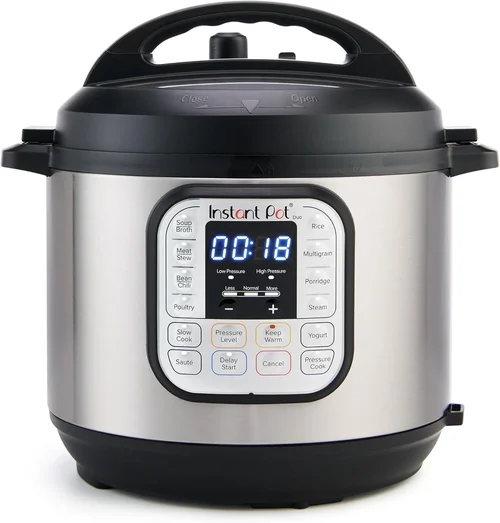
❌ Mistake: Choosing the Wrong Size
Why it’s bad: A pot that’s too large wastes space, power, and food. A pot that’s too small forces you to cook in batches, defeating the purpose of convenience. In a mobile kitchen, every inch counts.
What to do instead: Assess your typical meal size and household. If you’re solo or a couple, a 3Qt or 6Qt is ideal. Only go larger if you regularly cook for three or more people.
❌ Mistake: Ignoring Power Consumption
Why it’s bad: Running a high-wattage appliance on a limited power system can drain your batteries, trip breakers, or damage your inverter. This is especially risky when boondocking.
What to do instead: Check the wattage before buying. Opt for models under 1000W if possible, and always use a surge-protected inverter rated for at least 1500W.
❌ Mistake: Overpaying for Unnecessary Features
Why it’s bad: Smart features like Wi-Fi, app control, and voice commands sound impressive but are rarely useful on the road. They add cost, complexity, and potential points of failure.
What to do instead: Focus on core functions: pressure cooking, slow cooking, and sautéing. Save money by choosing a simpler model without smart tech.
❌ Mistake: Buying a Non-Stick Inner Pot
Why it’s bad: Non-stick coatings can chip, scratch, or degrade over time—especially with frequent use and cleaning. They may also release harmful fumes if overheated.
What to do instead: Always choose a stainless steel inner pot. It’s safer, more durable, and easier to clean.
❌ Mistake: Skipping the Warranty Check
Why it’s bad: A broken Instant Pot can leave you without a key cooking tool. Without warranty coverage, repairs or replacements can be costly and time-consuming.
What to do instead: Buy from reputable retailers and register your product. Keep receipts and understand the warranty terms before you need them.
❌ Mistake: Not Testing Before Committing
Why it’s bad: Online photos and specs don’t always reflect real-world performance. A model might look great but have a faulty seal, poor interface, or slow heating.
What to do instead: If possible, test the unit before buying—especially if purchasing used. Check return policies and buy from retailers with generous trial periods.
Budget Guidelines: How Much Should You Spend?
– Entry-Level ($60–$90): Ideal for budget-conscious travelers. Models like the Instant Pot Duo 3Qt offer core functions at an affordable price. Expect basic features, reliable performance, and decent build quality. Great for occasional use or minimalist setups.
– Mid-Range ($90–$130): The sweet spot for most van lifers and RV owners. The Instant Pot Duo Nova 6Qt fits here, offering improved design, better sealing, and solid durability. You get excellent value without overspending.
– Premium ($130–$180): For those who cook frequently or want advanced features. The Instant Pot Pro includes altitude adjustment, a brighter display, and sous vide capability. Worth it if you’re serious about cooking on the road.
– Luxury ($180+): Includes smart models and multi-cookers like the Ninja Foodi. These offer air frying, Wi-Fi, and app control—but at a steep price. Only recommended if you truly need these extras and have reliable power.
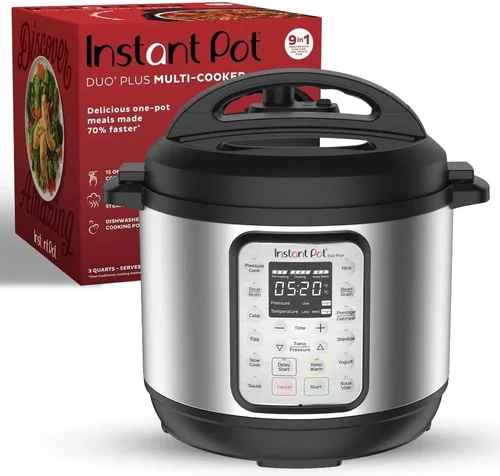
Expert Tips for Getting the Best Deal
– Buy during seasonal sales: Black Friday, Prime Day, and post-holiday sales often feature deep discounts on Instant Pots. Sign up for retailer newsletters to get alerts.
– Check refurbished models: Certified refurbished units from Instant Pot or major retailers offer significant savings and come with warranties. They’re often as good as new.
– Compare prices across retailers: Amazon, Walmart, Target, and Costco often have different pricing and promotions. Use price-tracking tools like Honey or CamelCamelCamel to find the best deal.
– Look for bundle deals: Some retailers include extra sealing rings, steam racks, or recipe books. These add value and save you money on accessories.
– Read recent reviews: Older models may have been updated or discontinued. Focus on reviews from the past 6–12 months for the most accurate insights.
– Consider used options: Facebook Marketplace, Craigslist, or RV forums often have gently used Instant Pots at half the price. Inspect carefully and test before buying.
– Check return policies: Ensure you can return the unit if it doesn’t meet your needs. Some retailers offer 30- or 60-day trials.
– Register your product: This activates your warranty and makes it easier to get support or replacements.

Frequently Asked Questions
Q: Can I use an Instant Pot while driving?
A: No. Never operate an Instant Pot while your vehicle is in motion. It requires a stable, level surface and a secure power source. Use it only when parked and safely connected to shore power or a properly sized inverter.
Q: Will an Instant Pot work with solar power?
A: Yes, but with limitations. A 1000W Instant Pot requires a robust solar setup: at least 2000W of solar panels, a 200Ah lithium battery, and a 2000W pure sine wave inverter. Smaller systems may struggle to run it continuously.
Q: How do I clean my Instant Pot on the road?
A: Use biodegradable dish soap and a soft sponge. Rinse thoroughly to avoid residue. For tough stains, soak the inner pot in warm, soapy water. Always dry completely before storage to prevent mold.
Q: Can I cook frozen food in an Instant Pot?
A: Yes, but adjust cooking times. Frozen meats and vegetables take longer to come to pressure. Use the “Pressure Cook” function and add 5–10 minutes to the recommended time.
Q: Is it safe to leave an Instant Pot unattended?
A: Modern Instant Pots have multiple safety features, including automatic shut-off and pressure release. However, it’s best to stay nearby, especially when using it in a small space. Never leave it running while sleeping or away from your vehicle.
Q: How long does an Instant Pot last?
A: With proper care, a quality Instant Pot can last 5–10 years. Regular cleaning, replacing worn parts (like sealing rings), and avoiding overheating will extend its life.
Q: Can I use my Instant Pot at high altitudes?
A: Yes, but cooking times may need adjustment. Some models, like the Instant Pot Pro, have built-in altitude settings. At higher elevations, increase cooking time by 5–10% for every 1,000 feet above 3,000 feet.
Q: What’s the difference between the Duo and Duo Nova?
A: The Duo Nova has an improved lid design with a better seal and easier locking mechanism. It also includes a redesigned steam release handle and a more intuitive interface. The core functions are the same.
Our Final Recommendations
– Best for Budget-Conscious Buyers: Instant Pot Duo 3Qt – Affordable, compact, and reliable. Perfect for solo travelers who want versatility without the bulk.
– Best Overall Value: Instant Pot Duo Nova 6Qt – Offers the ideal balance of size, features, and price. Great for couples or small families, with improved sealing and durability.
– Best Premium Option: Instant Pot Pro 6Qt – For serious cooks who want precision, altitude adjustment, and sous vide. Worth the investment if you cook daily.
– Best for Beginners: Instant Pot Duo 6Qt – Simple interface, clear instructions, and foolproof operation. Ideal for those new to pressure cooking.
– Best for Advanced Users: Ninja Foodi 6.5Qt – Combines pressure cooking with air frying and crisping. Great for those who want maximum functionality in one appliance.
Conclusion: Making the Right Choice
Choosing the right Instant Pot for RV or van life isn’t just about picking the most popular model—it’s about finding the one that fits your space, power setup, cooking style, and budget. By focusing on size, energy efficiency, build quality, and essential features, you can avoid common pitfalls and invest in an appliance that enhances your mobile lifestyle.
Remember, the best Instant Pot is the one you’ll actually use. Don’t get swayed by flashy features or oversized capacities. Prioritize reliability, ease of use, and practicality. Whether you’re simmering a pot of beans at a remote campsite or whipping up a quick breakfast before hitting the road, your Instant Pot should be a trusted companion—not a source of stress.
Take the time to assess your needs, compare models, and read real user experiences. With the right choice, you’ll enjoy delicious, home-cooked meals wherever your journey takes you. Safe travels—and happy cooking!