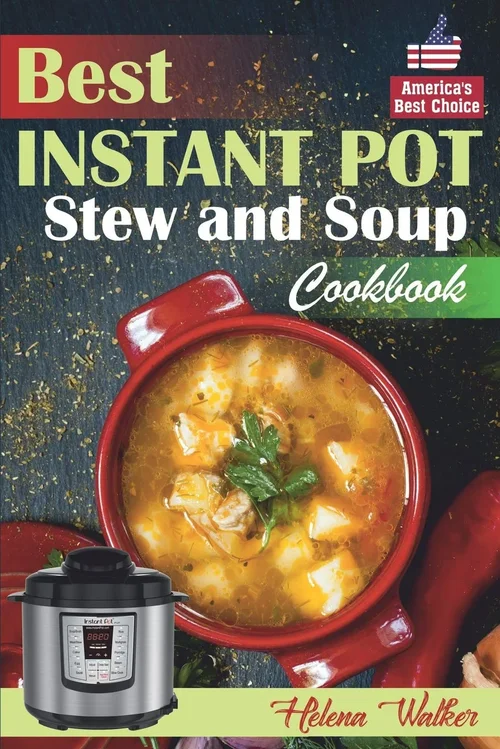
If you’ve ever stood over a bubbling pot of soup on the stove for hours, stirring occasionally and hoping it doesn’t burn, you already know why the Instant Pot has become a kitchen revolution. What started as a niche multicooker has evolved into a staple appliance in millions of homes—especially for those who love hearty soups, rich stews, and deeply flavored broths. But with so many models flooding the market, choosing the right Instant Pot for your soup-making needs can feel overwhelming. That’s where this guide comes in.
In this comprehensive buying guide, we’ll walk you through everything you need to know to pick the perfect Instant Pot for soups and stews. Whether you’re cooking for one, feeding a family of six, or meal prepping for the week ahead, we’ll help you understand which features matter most, how to avoid common pitfalls, and what your budget should realistically cover. We’ll compare different types, break down performance specs, highlight top brands, and share expert tips to ensure you get the best value for your money—not just today, but for years to come.
The Instant Pot market has matured significantly since its early days. While the original DUO series still holds up, newer models now offer Wi-Fi connectivity, improved pressure release systems, better inner pots, and smarter cooking programs tailored specifically for slow-simmered dishes like lentil soup, beef stew, or creamy tomato bisque. With options ranging from under $50 to over $200, there’s something for every kitchen—but not all are created equal when it comes to consistent, flavorful results. This guide cuts through the noise so you can invest wisely.

What to Look for When Buying Instant Pots
1. Capacity & Size
When it comes to soups and stews, capacity is arguably the most important factor. These dishes often require longer cooking times and benefit from larger batches—especially if you’re meal prepping or feeding a crowd. Instant Pots typically range from 3 quarts (ideal for singles or couples) to 8 quarts (perfect for families or batch cooking). A 6-quart model is the sweet spot for most households, offering enough room for a full pot of minestrone or chicken noodle soup without risking overflow during pressure cooking.
Consider your typical serving size: a 3-quart pot maxes out at about 2–3 servings, while an 8-quart can handle 6–8 generous portions. Also think about counter space—larger models need more real estate and may not fit under cabinets. If you plan to cook dense ingredients like beans or root vegetables, go one size up to allow for expansion during cooking.
2. Pressure Cooking Performance
Not all pressure cookers perform equally, even within the Instant Pot lineup. For soups and stews, consistent high-pressure cooking is essential to tenderize tough cuts of meat, break down legumes, and meld flavors. Look for models that reach at least 10–12 PSI (pounds per square inch), which is standard for most electric pressure cookers. Some premium models now offer adjustable pressure settings, allowing you to fine-tune intensity—great for delicate broths versus robust beef bourguignon.
Pay attention to heat distribution too. Cheaper models may have hot spots that cause scorching at the bottom, especially with starchy soups like potato leek or split pea. The best Instant Pots use even heating elements and include anti-stick coatings or stainless steel inner pots that minimize burning.
3. Inner Pot Material & Quality
The inner pot is where your soup lives—so its material matters. Most Instant Pots come with either nonstick coated aluminum or stainless steel inserts. Nonstick pots are easier to clean and ideal for creamy soups, but they can scratch over time and aren’t always dishwasher-safe. Stainless steel is more durable, doesn’t leach chemicals, and handles high-heat searing before pressure cooking—but it requires more scrubbing and can discolor.
For soup lovers, we generally recommend stainless steel for its longevity and versatility. Many mid-to-high-end models now include both types or offer them as optional upgrades. Also check the pot’s thickness: thicker bases distribute heat better and reduce scorching.
4. Cooking Programs & Customization
While all Instant Pots have a “Soup/Broth” preset, advanced models offer greater flexibility. Look for customizable time and pressure settings, delayed start options, and the ability to switch between pressure cooking and slow cooking seamlessly. Some newer models even include a “Yogurt” or “Steam” function—useful if you make brothy soups with dumplings or want to steam vegetables alongside your stew.
Wi-Fi-enabled models (like the Instant Pot Pro Plus) let you control cooking via app, monitor progress remotely, and access hundreds of tested recipes—including many soup-focused ones. While not essential, these features add convenience for busy cooks who want precision without constant supervision.
5. Ease of Cleaning & Maintenance
Soups can be messy. Starchy broths, dairy-based chowders, and lentil stews tend to splatter and stick. A removable, dishwasher-safe inner pot is a must. Also check the sealing ring—it absorbs odors over time and should be easy to remove and wash. Some users replace theirs every 6–12 months, especially if cooking strongly scented dishes like curry or garlic-heavy soups.
The lid design matters too. Models with detachable steam release valves are easier to clean thoroughly. Avoid units where food particles get trapped in hard-to-reach crevices—this can lead to mold or off-flavors over time.
6. Safety Features
Pressure cooking inherently involves risk, but modern Instant Pots are remarkably safe—when used correctly. Essential safety features include automatic pressure release, lid-lock mechanisms, overheat protection, and float valves that prevent opening under pressure. For soup makers, the quick-release valve is particularly useful: it lets you rapidly depressurize after cooking delicate broths to avoid overcooking vegetables or turning beans to mush.
Look for models with multiple redundant safety systems. The FDA and UL certifications are good indicators of reliability. Also, ensure the unit has a stable base and doesn’t tip easily—important if you’re lifting heavy pots of hot liquid.
7. Brand Reputation & Reliability
Instant Pot (by Instant Brands) remains the gold standard, but competitors like Ninja, Crock-Pot, and Mueller have entered the market with compelling alternatives. Stick with reputable brands that offer consistent customer support, transparent warranties, and readily available replacement parts (like sealing rings or inner pots). Read user reviews focusing on long-term durability—some budget models fail after a year of regular use.
Instant Pot’s dominance isn’t accidental: they pioneered the category and continue to refine their designs based on user feedback. That said, don’t dismiss newer entrants outright—some offer innovative features at lower prices.
8. Warranty & Customer Support
A good warranty signals confidence in product quality. Most Instant Pots come with a 1-year limited warranty, but premium models may offer 2–3 years. Check what’s covered: does it include the heating element, electronics, or just the outer shell? Also research customer service responsiveness—can you easily get a replacement part or troubleshoot an issue?
For heavy soup users, investing in a model with strong after-sales support is wise. There’s nothing worse than being stuck with a broken multicooker mid-recipe.
Different Types of Instant Pots

Common Buying Mistakes to Avoid
❌ Mistake: Choosing Based Solely on Price
Why it’s bad: The cheapest Instant Pot may save you $30 upfront but could lack durability, consistent heating, or essential safety features. We’ve seen budget models warp after a few months or fail to maintain pressure—leading to undercooked beans or rubbery meat in stews.
What to do instead: Aim for the mid-range tier ($80–$120). You’ll get better materials, more reliable performance, and longer lifespan. Think of it as an investment in your weekly meal routine.
❌ Mistake: Ignoring Capacity Needs
Why it’s bad: A 3-quart pot might seem sufficient, but soups expand, and you’ll quickly hit the max fill line with just 2 quarts of liquid. Conversely, an 8-quart model is overkill for one person and wastes energy.
What to do instead: Match capacity to your household size. For 2–4 people, 6 quarts is ideal. Add one quart per additional eater.
❌ Mistake: Overlooking Inner Pot Material
Why it’s bad: Nonstick pots are convenient but degrade over time, especially with acidic soups like tomato-based ones. Scratched coatings can flake into food.
What to do instead: Opt for stainless steel if you cook frequently. It’s safer long-term and handles browning before pressure cooking—key for deep flavor in stews.
❌ Mistake: Assuming All “Soup” Settings Are Equal
Why it’s bad: Some presets default to short cook times that won’t tenderize tough cuts or dried beans. Others lack natural release options, causing overcooking.
What to do instead: Choose models with customizable time/pressure or manual override. Always use natural release for beans and meats to preserve texture.
❌ Mistake: Skipping the Sealing Ring Check
Why it’s bad: A worn or ill-fitting sealing ring prevents proper pressurization, leading to failed recipes and frustration.
What to do instead: Inspect the ring before first use and replace it annually. Buy extras—they’re cheap and essential for consistent results.
❌ Mistake: Not Testing Before Committing
Why it’s bad: Online specs don’t always reflect real-world performance. Some units run hotter or cooler than advertised.
What to do instead: If possible, test a friend’s model or buy from a retailer with a generous return policy (like Costco or Amazon). Make a simple broth first to check heating consistency.
Budget Guidelines: How Much Should You Spend?
Entry-Level ($50–$80): These are typically the DUO or Smart Wi-Fi basic models. Expect decent performance for simple soups but limited customization, thinner inner pots, and shorter warranties. Ideal for occasional use or small households. Avoid if you plan to cook daily.
Mid-Range ($80–$120): This is the sweet spot. Models like the Instant Pot DUO Plus or Max 6-Quart offer robust construction, stainless steel pots, multiple presets, and reliable pressure control. Perfect for regular soup makers who want quality without premium pricing.
Premium ($120–$180): Think Pro, Pro Plus, or Max 8-Quart. These include Wi-Fi, app control, higher PSI, better safety systems, and often dual inner pots. Great for tech enthusiasts, large families, or those who value precision and convenience.
Luxury ($180+): Rare in the Instant Pot world, but some specialty multicookers (like the Ninja Foodi OL701) blur the line with air frying, sous vide, and more. Only worth it if you use multiple functions regularly—otherwise, you’re paying for features you won’t use.
Expert Tips for Getting the Best Deal
1. Buy During Seasonal Sales: Retailers consistently discount Instant Pots in November (Black Friday), July (Prime Day), and January (post-holiday clearance). Sign up for price alerts on CamelCamelCamel or Honey.
2. Consider Refurbished Models: Instant Brands sells certified refurbished units with full warranties at 20–40% off. These are thoroughly tested and often indistinguishable from new.
3. Compare Retailers: Amazon, Walmart, Target, and Costco all carry Instant Pots—but prices and return policies vary. Costco offers excellent customer service and easy returns; Amazon has the widest selection.
4. Bundle Smartly: Some sellers include extra sealing rings, steamer baskets, or recipe books. Calculate the total value—sometimes a slightly higher price gets you $30+ in accessories.
5. Read Recent Reviews: Older reviews may not reflect current manufacturing quality. Focus on feedback from the last 6–12 months, especially regarding durability and customer service.
6. Check Warranty Details: Don’t assume all warranties are equal. Some exclude “commercial use” or require registration within 30 days. Register your product immediately after purchase.
7. Test Basic Functions First: Before making complex stews, run a water test (1 cup water, high pressure, 2 minutes) to ensure proper sealing and heating. This catches defects early.
8. Join User Communities: Reddit’s r/instantpot and Facebook groups are goldmines for real-user insights, troubleshooting tips, and recipe ideas tailored to specific models.

Frequently Asked Questions
Q: Can I make soup in any Instant Pot?
A: Yes—but performance varies. All Instant Pots can handle basic broths and stews, but models with better heat distribution, stainless steel pots, and customizable settings yield superior results, especially for tough meats or legumes.
Q: How much liquid do I need for soup in an Instant Pot?
A: Always use at least 1 cup of liquid to generate steam for pressurization. For soups, 2–3 cups is typical. Never exceed the max fill line (usually 2/3 full for liquids).
Q: Why does my soup burn at the bottom?
A: This is usually due to insufficient liquid, starchy ingredients (like potatoes or rice), or using the wrong setting. Stir thoroughly before cooking, add extra broth if needed, and use natural release for starchy soups.
Q: Can I freeze soup made in an Instant Pot?
A: Absolutely! Instant Pot soups freeze exceptionally well. Cool completely, transfer to airtight containers or freezer bags, and label with date. Most keep for 3 months. Thaw in the fridge overnight and reheat on the stove or in the Instant Pot using the “Soup” function.
Q: Is the Instant Pot better than a slow cooker for soups?
A: It depends. The Instant Pot cooks faster (1–2 hours vs. 6–8) and builds deeper flavor through browning and pressure. Slow cookers are better for “set it and forget it” meals but can’t sear or pressure cook. Many users own both!
Q: Do I need a separate slow cooker if I have an Instant Pot?
A: Not necessarily. Most Instant Pots have a slow cook function that mimics traditional crockpots. However, the results aren’t identical—Instant Pot slow cooking runs hotter. For true low-and-slow, a dedicated slow cooker may be preferable.
Q: How often should I replace the sealing ring?
A: Every 6–12 months, or sooner if it retains strong odors or shows cracks. Keep a spare on hand—they’re inexpensive and critical for proper function.
Q: Can I cook dried beans without soaking?
A: Yes! The Instant Pot excels at this. Use the “Bean/Chili” setting or manual high pressure: 25–40 minutes depending on bean type, then natural release. Always add 1 tsp salt per cup of beans to prevent splitting.
Q: Are competitor brands as good as Instant Pot?
A: Some are close—Ninja and Crock-Pot make solid multicookers—but Instant Pot still leads in reliability, community support, and recipe availability. If brand loyalty isn’t a priority, compare specs directly.
Our Final Recommendations
Best for Budget-Conscious Buyers: Instant Pot DUO 6-Quart
At under $80, it delivers core functionality without frills. Great for basic soups, stews, and rice. Includes stainless steel pot and 7-in-1 versatility. Ideal for students or small families.
Best Overall Value: Instant Pot DUO Plus 6-Quart
Adds a yogurt function, improved display, and better sealing system. Priced around $100, it’s the best balance of price, performance, and durability for everyday soup lovers.
Best Premium Option: Instant Pot Pro Plus 6-Quart Wi-Fi
For those who want precision and convenience, this model offers app control, customizable settings, and a sleek design. Perfect for tech-savvy cooks who entertain or meal prep weekly.
Best for Beginners: Instant Pot Max 6-Quart
Simple interface, foolproof operation, and USDA-approved for canning soups. The higher PSI (15) ensures faster cooking and better results with tough ingredients.
Best for Advanced Users: Ninja Foodi OL701 9-in-1
While not an Instant Pot, this competitor offers pressure cooking, air frying, slow cooking, and more in one unit. Ideal if you want to crisp soup toppings or make crispy dumplings alongside your stew.
Conclusion: Making the Right Choice
Choosing the right Instant Pot for soups and stews isn’t just about picking the shiniest model or the cheapest price tag—it’s about aligning your appliance with your cooking habits, household size, and long-term goals. Whether you’re whipping up a quick weeknight lentil soup or simmering a Sunday beef stew for eight, the right Instant Pot can transform your kitchen experience from stressful to seamless.
Remember: prioritize capacity, inner pot material, and pressure performance above all else. Don’t skimp on safety features, and always read recent user reviews. Take advantage of seasonal sales, consider refurbished options, and never underestimate the value of a good sealing ring.
Ultimately, the best Instant Pot is the one you’ll use consistently—not the one with the most buttons or the fanciest app. Start with your needs, not the marketing hype. With the insights from this guide, you’re now equipped to make a confident, informed decision that will serve you (and your soups) well for years to come.
So go ahead—fill that pot, press start, and let the aroma of perfectly cooked stew remind you why you invested in the right tool for the job. Happy cooking!