
The kitchen knife is arguably the most essential tool in any home cook’s arsenal. Whether you’re dicing onions for a weeknight stir-fry, slicing through a ripe heirloom tomato, or carving a roast for Sunday dinner, the right knife can make all the difference between frustration and culinary joy. Yet, with thousands of options flooding Amazon—ranging from bargain-bin sets to high-end Japanese blades—it’s easy to feel overwhelmed. That’s where this guide comes in.
In this comprehensive buying guide, we’ll cut through the noise and help you find the best kitchen knife deals on Amazon in 2025. We’ll walk you through everything you need to know: from understanding blade materials and handle ergonomics to decoding user reviews and spotting genuine value in a sea of flashy marketing. Whether you’re a beginner looking for your first quality knife or a seasoned home chef upgrading your collection, this guide will equip you with the knowledge to make a smart, informed purchase.
The market for kitchen knives has evolved dramatically over the past decade. Traditional Western brands like Wüsthof and Henckels still hold strong, but they now share shelf space (and search results) with innovative newcomers like Misen, Made In, and Shun. Meanwhile, direct-to-consumer brands have disrupted pricing models, offering premium features at mid-tier prices. Add in seasonal sales, limited-time bundles, and algorithm-driven “deals,” and it’s clear why so many shoppers end up confused—or worse, disappointed. Our goal is simple: empower you to buy confidently, get the best performance for your budget, and avoid common pitfalls that lead to buyer’s remorse.

What to Look for When Buying Buying Guide
1. Budget & Price Range
Your budget is the starting point for any knife purchase—but it shouldn’t be the only factor. Kitchen knives span an enormous price spectrum, from under $20 for basic stamped steel blades to over $500 for hand-forged Damascus masterpieces. The key is aligning cost with your cooking habits and expectations. A casual cook who chops veggies twice a week doesn’t need a $300 Gyuto, just as a serious home chef shouldn’t settle for a flimsy $15 set that dulls after two uses.
That said, you don’t need to break the bank to get excellent performance. Many of the best-value knives on Amazon fall between $50 and $150. This range typically offers full-tang construction, high-carbon stainless steel, and ergonomic handles—features once reserved for premium lines. Always ask: “Will I use this enough to justify the cost?” If you’re cooking daily, investing in a durable, sharp knife pays off in time saved, safety, and enjoyment.
2. Performance Specifications
Performance boils down to three core attributes: sharpness, edge retention, and balance. Sharpness refers to how easily the blade slices through food—a razor-sharp edge reduces effort and minimizes crushing delicate ingredients like herbs or tomatoes. Edge retention measures how long the knife stays sharp between sharpenings. High-quality steels like VG-10, AUS-10, or X50CrMoV15 hold edges significantly longer than cheaper alternatives.
Balance is often overlooked but critically important. A well-balanced knife feels like an extension of your hand. Look for models where the weight distribution between the blade and handle is harmonious—typically achieved through full-tang construction (where the steel runs through the entire handle). Test this by holding the knife at its bolster (the thick junction between blade and handle); it should feel neutral, not blade-heavy or handle-heavy.
3. Build Quality & Durability
Build quality determines how long your knife will last—and whether it will survive daily use without chipping, rusting, or warping. Start by examining the blade material. Avoid low-carbon stainless steels (often labeled simply “stainless steel”) as they dull quickly and are hard to sharpen. Instead, opt for high-carbon stainless steels, which combine corrosion resistance with excellent edge retention.
Construction method matters too. Stamped blades are cut from a sheet of steel and are generally lighter and less durable—ideal for budget sets but not heavy-duty tasks. Forged blades are heated, hammered, and shaped, resulting in superior strength, balance, and longevity. While forged knives are typically more expensive, many affordable Amazon options now offer forged-like performance using modern manufacturing techniques.
Check the handle attachment. Full tang with triple rivets is the gold standard for durability. Avoid knives with partial tangs or glued-on handles—they’re prone to loosening over time.
4. Features & Functionality
Beyond the basics, consider features that enhance usability. A Granton edge (those shallow hollows along the blade) reduces friction when slicing meats or cheeses, preventing sticking. A bolster provides finger protection and improves balance—but some modern designs omit it for easier sharpening. Serrated edges are great for bread but limit versatility; most chefs prefer a straight edge they can maintain themselves.
Handle design impacts comfort during prolonged use. Look for ergonomic contours, non-slip textures, and materials that resist moisture and bacteria. Wood handles offer classic aesthetics but require more maintenance (oil regularly to prevent cracking). Synthetic materials like G-10 or POM are durable, dishwasher-safe, and low-maintenance—perfect for busy kitchens.
Also consider whether you need a single knife or a set. While sets can be convenient, they often include redundant or low-use items (like a boning knife if you don’t cook meat). Many experts recommend buying individual knives based on your needs: an 8-inch chef’s knife, a paring knife, and a serrated bread knife form a versatile trio.
5. Brand Reputation
Brand reputation isn’t everything—but it’s a useful indicator of consistency and customer support. Established brands like Victorinox, Global, and Zwilling have decades of feedback and refined designs. Newer DTC brands like Misen and Made In have built strong reputations through transparency, quality control, and responsive service.
Be wary of unknown brands with overly generic names (“ProChef Elite” or “UltraSharp Master”) that flood Amazon during peak seasons. These often use misleading photos, inflated ratings from incentivized reviews, or subpar materials. Check the brand’s official website, social media presence, and third-party reviews (like Wirecutter or America’s Test Kitchen) before buying.
That said, don’t dismiss lesser-known brands outright. Some small manufacturers produce exceptional knives at fair prices—especially if they’re sold directly via Amazon to cut out retail markup.
6. Warranty & Support
A solid warranty reflects a brand’s confidence in its product—and protects your investment. Most reputable knife makers offer at least a limited lifetime warranty covering defects in materials or workmanship. Some go further: Misen offers free sharpening for life, while Wüsthof includes a one-time free resharpening service.
Read the fine print. Many warranties exclude normal wear and tear, improper use (like using a chef’s knife to open cans), or damage from dishwashers. If you plan to hand-wash and store your knives properly (in a block or on a magnetic strip), a good warranty adds peace of mind.
Customer support matters too. Can you easily contact the company if something goes wrong? Do they respond promptly? Brands with dedicated support teams (often found in the “About” section of their Amazon storefront) tend to resolve issues faster than those relying solely on automated responses.
7. Size & Portability
While most home cooks prioritize an 8-inch chef’s knife, size should match your hand and cutting style. Smaller hands may prefer a 6- or 7-inch blade for better control, while larger users might appreciate a 9- or 10-inch version for bigger tasks. Paring knives typically range from 3 to 4 inches—ideal for peeling, trimming, and detail work.
Portability matters if you travel, camp, or meal prep away from home. Compact folding knives or travel sets with sheaths are available, though they rarely match the performance of full-sized kitchen knives. For most, a sturdy knife guard or roll-up case suffices for occasional transport.
Storage is another consideration. If counter space is limited, a magnetic wall strip saves room and keeps blades accessible. Knife blocks take up valuable real estate but protect edges well—just ensure the slots are deep enough to fully cover the blade.
8. User Reviews & Ratings
Amazon reviews are a goldmine—but they require careful interpretation. Look beyond the overall star rating. A 4.8-star average with 5,000+ reviews is more trustworthy than a 5.0 with only 12 reviews. Read recent reviews (last 6 months) to catch any quality control changes.
Pay attention to recurring themes. If multiple reviewers mention “rust after first wash” or “handle came loose,” that’s a red flag. Conversely, consistent praise for “stays sharp for months” or “perfect balance” signals reliability. Use the “Verified Purchase” filter to avoid fake reviews.
Watch for deal-specific notes. Some knives perform well at full price but suffer when sold in discounted bundles with inferior accessories. Always check if the review refers to the exact product you’re considering—not a similar model or older version.
Different Types of Buying Guide
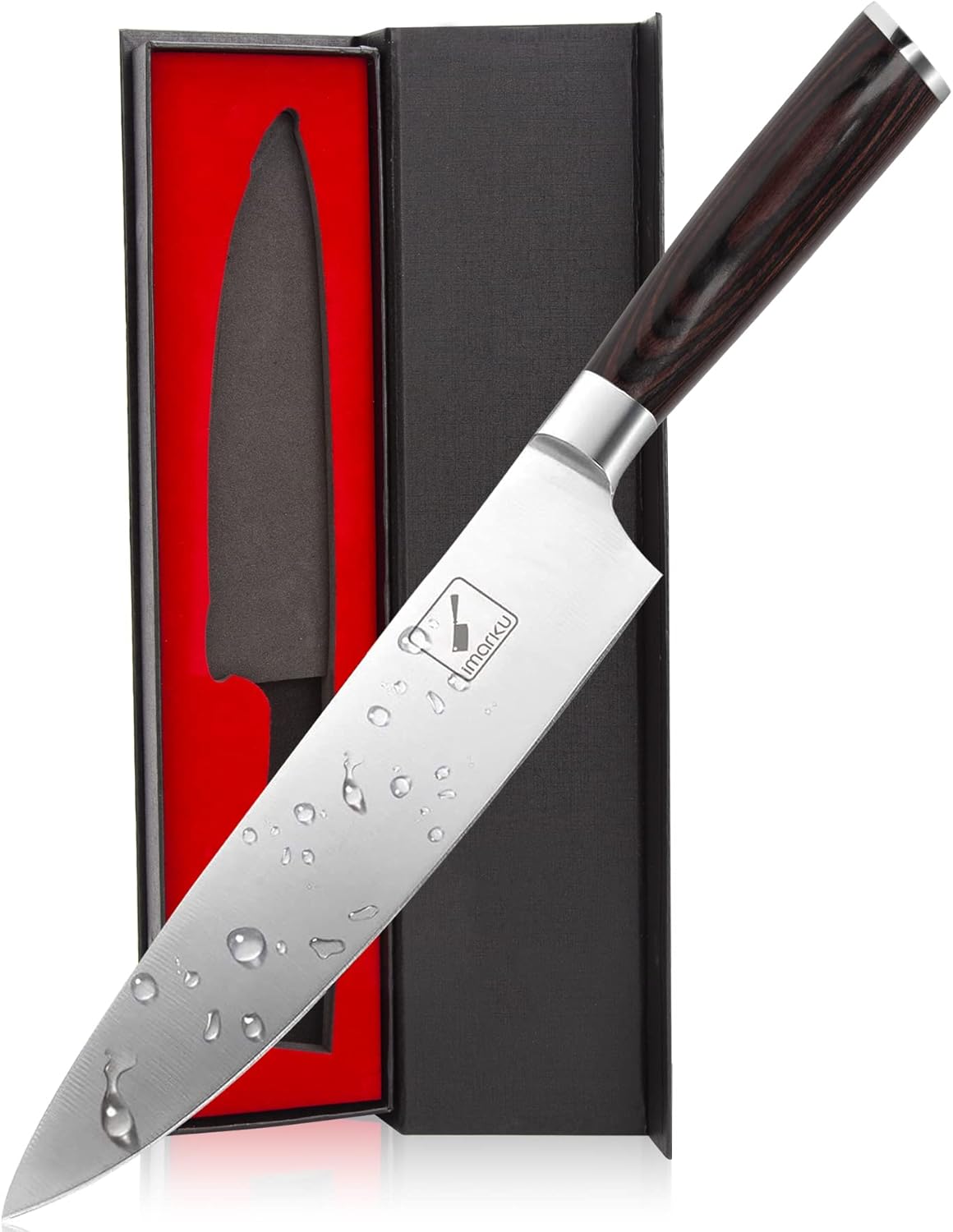
Common Buying Mistakes to Avoid

❌ Mistake: Prioritizing Price Over Performance
Why it’s bad: The cheapest knife often costs more in the long run. Blades dull quickly, handles break, and poor balance leads to fatigue or injury. You’ll end up replacing it within months—wasting money and time.
What to do instead: Invest in the best quality you can afford. Even a mid-range $80 chef’s knife will outperform a $30 set and last years with proper care.
❌ Mistake: Ignoring Handle Comfort
Why it’s bad: An uncomfortable handle causes hand strain, reduces control, and increases slip risk—especially during long prep sessions. Many buyers focus only on blade specs and regret it later.
What to do instead: Read detailed reviews about grip feel. If possible, visit a store to test ergonomics. Look for contoured handles with textured surfaces.
❌ Mistake: Buying Entire Sets Without Need
Why it’s bad: Most sets include rarely used knives (like a cleaver or utility knife) that take up space and drive up cost. You pay for items you’ll never touch.
What to do instead: Start with a core trio: chef’s knife, paring knife, and bread knife. Add specialty blades only if your cooking demands them.
❌ Mistake: Overlooking Maintenance Requirements
Why it’s bad: Some beautiful knives (like high-carbon steel or wooden handles) require regular oiling, hand-washing, and careful storage. Neglect leads to rust, warping, or cracking.
What to do instead: Choose low-maintenance materials if you’re busy. Stainless steel with synthetic handles needs minimal upkeep—perfect for everyday use.
❌ Mistake: Falling for “Damascus” Hype
Why it’s bad: Many budget “Damascus” knives use laser-etched patterns on low-quality steel. The wavy design looks impressive but offers no functional benefit—and the underlying metal may be subpar.
What to do instead: Verify the core steel type (e.g., VG-10). True Damascus involves layered forging, which is rare and expensive. Focus on performance, not aesthetics.
❌ Mistake: Disregarding Return Policies
Why it’s bad: Even highly rated knives may not suit your hand or cutting style. Without a clear return window, you’re stuck with a misfit blade.
What to do instead: Only buy from sellers with 30-day+ return windows and free return shipping. Amazon’s A-to-Z Guarantee helps, but check seller terms first.
❌ Mistake: Assuming All “Stainless Steel” Is Equal
Why it’s bad: “Stainless steel” is a broad category. Low-end versions corrode easily and lose edges fast, while premium alloys (like 1.4116 or AUS-10) offer excellent durability and sharpness.
What to do instead: Research the specific steel grade. Reputable brands disclose this info—avoid vague descriptions like “high-quality stainless.”
Budget Guidelines: How Much Should You Spend?
- Entry-Level ($20–$50): Suitable for occasional cooks or students. Expect stamped blades, partial tangs, and basic handles. Brands like Mercer Culinary or Victorinox offer surprisingly good options here—especially the Victorinox Fibrox Pro chef’s knife, a favorite among professionals for its balance and edge retention at under $40.
- Mid-Range ($50–$120): The sweet spot for most home cooks. Full-tang construction, high-carbon stainless steel, and ergonomic handles are common. This range includes standout deals like the Misen Chef’s Knife ($85) or the Made In Wüsthof-style German knife ($99). You’ll get years of reliable service with minimal maintenance.
- Premium ($120–$250): For enthusiasts and serious home chefs. Expect forged blades, premium steels (VG-10, SG2), and refined designs. Japanese brands like Shun or MAC offer exceptional sharpness and craftsmanship here. These knives shine with proper technique and care.
- Luxury ($250+): Reserved for collectors or professionals. Hand-forged blades, exotic handle materials (stabilized wood, micarta), and artisanal finishes define this tier. While beautiful, they’re often overkill for everyday cooking—unless you cherish the ritual of knife maintenance.

Expert Tips for Getting the Best Deal
- Time your purchase around major sales: Amazon Prime Day (July), Black Friday (November), and post-holiday clearance (January) offer the deepest discounts. Many brands discount older models to make room for new releases.
- Use price tracking tools: Install browser extensions like Honey or CamelCamelCamel to monitor price history. You’ll see if a “deal” is genuinely discounted or just inflated before a fake sale.
- Check the brand’s official storefront: Some brands (like Misen or Made In) offer exclusive bundles or free shipping only through their Amazon store—not third-party sellers.
- Look for “renewed” or “open-box” options: These are often returned items inspected and repackaged by Amazon. They come with warranties and can save 20–30% off retail.
- Bundle strategically: Some sets include useful extras like knife guards, sharpening steels, or cutting boards. Calculate the individual value—if the bundle saves you $30+, it’s worth considering.
- Read the return policy carefully: Ensure you can return the knife if it doesn’t meet expectations. Some sellers charge restocking fees or exclude sharpened items.
- Test ergonomics virtually: Watch unboxing videos or detailed reviews that show the knife in hand. Pay attention to grip shots and balance demonstrations.
- Consider international shipping: Some Japanese or European brands ship directly via Amazon Global. While shipping may take longer, you often get authentic products at lower prices than U.S. retailers.

Frequently Asked Questions
Q: Should I buy a German or Japanese-style knife?
A: German knives (like Wüsthof or Zwilling) are heavier with curved blades, ideal for rocking chops. Japanese knives (like Shun or MAC) are lighter with straighter edges, perfect for precise slicing. Choose based on your cutting style—not nationality!
Q: Can I put my kitchen knife in the dishwasher?
A: Generally, no. Dishwashers expose blades to harsh detergents, high heat, and impact from other items—leading to corrosion, dulling, and handle damage. Always hand-wash and dry immediately.
Q: How often should I sharpen my knife?
A: It depends on use. Home cooks typically need sharpening every 6–12 months. Use a honing steel weekly to maintain the edge between sharpenings.
Q: Are ceramic knives worth it?
A: Ceramic blades stay sharp longer and won’t rust, but they’re brittle and can chip if dropped or used on hard foods (like bones or frozen items). Best for light-duty slicing—not general kitchen work.
Q: What’s the difference between forged and stamped blades?
A: Forged blades are heated and hammered into shape, creating a denser, stronger structure. Stamped blades are cut from flat steel and are lighter. Forged is traditionally superior, but modern stamped knives can perform well at lower prices.
Q: Do I really need a knife block?
A: Not necessarily. Magnetic strips or in-drawer trays save counter space and protect edges just as well. Blocks are convenient but can harbor bacteria if not cleaned regularly.
Q: How do I know if a knife is full tang?
A: Look for metal extending through the entire handle, usually secured with rivets. If you can see the steel along the sides of the handle, it’s likely full tang.
Q: Are Amazon knife deals trustworthy?
A: Yes—if you buy from reputable brands and verified sellers. Avoid unknown brands with no website or customer service. Stick to products with hundreds of genuine reviews.
Q: Can I sharpen my own knife?
A: Absolutely! With a whetstone or guided sharpening system, you can maintain your knife’s edge at home. It takes practice, but it’s a valuable skill that extends your knife’s life.
Q: What’s the best way to store knives?
A: Use a knife block, magnetic strip, or individual blade guards. Never toss knives loose in a drawer—they’ll dull quickly and pose a safety hazard.
Our Final Recommendations
- Best for Budget-Conscious Buyers: Victorinox Fibrox Pro 8″ Chef’s Knife ($39.95) – Unbeatable value, NSF-certified, and loved by professionals worldwide.
- Best Overall Value: Misen Chef’s Knife ($85) – Japanese-inspired design, AUS-10 steel, full tang, and lifetime sharpening. Consistently rated 4.8+ stars.
- Best Premium Option: Shun Classic 8″ Chef’s Knife ($160) – VG-MAX steel, Damascus cladding, and razor-sharp out of the box. Ideal for discerning cooks.
- Best for Beginners: Mercer Culinary Genesis 8″ Chef’s Knife ($45) – Affordable, durable, and easy to maintain. Great first quality knife.
- Best for Advanced Users: MAC MTH-80 Professional Series ($199) – Ultra-thin blade, exceptional sharpness, and lightweight precision. Favored by sushi chefs and culinary pros.
Conclusion: Making the Right Choice
Choosing the right kitchen knife isn’t just about finding the cheapest deal or the shiniest blade—it’s about matching a tool to your lifestyle, skills, and cooking habits. By focusing on build quality, performance specs, and real user feedback, you can navigate Amazon’s vast marketplace with confidence. Remember: a great knife should feel like an extension of your hand, inspire you to cook more, and last for years with proper care.
Don’t rush. Take time to compare options, read detailed reviews, and consider your long-term needs. Whether you’re upgrading from a dull supermarket set or building a professional-grade collection, the right knife will transform your time in the kitchen—from a chore into a joy. So sharpen your research skills, trust your instincts, and invest wisely. Your future meals (and your fingers) will thank you.