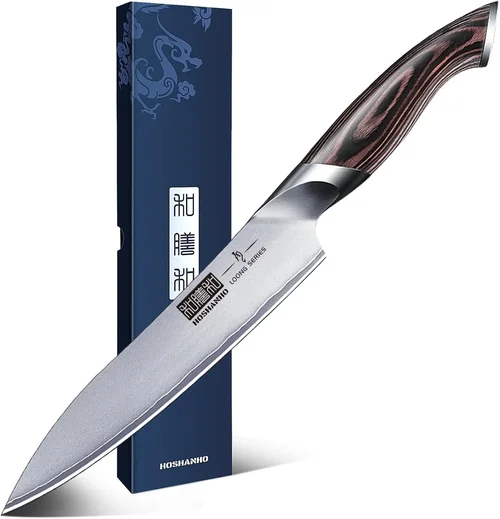
Dicing onions and garlic might seem like a simple kitchen task—after all, nearly every home cook does it daily. But anyone who’s spent minutes wrestling with uneven pieces, teary eyes from a dull blade, or a slippery handle mid-chop knows that the right knife can transform this chore from frustrating to effortless. Whether you’re prepping a quick weeknight stir-fry or building the base for a slow-simmered stew, precision, control, and comfort matter. That’s why choosing the best kitchen knife for dicing onions and garlic isn’t just about sharpness—it’s about finding a tool that fits your hands, your cooking style, and your kitchen routine.
In this comprehensive guide, we’ll walk you through everything you need to know to pick the perfect knife for one of the most common—and essential—culinary tasks. You’ll learn how blade shape, weight, material, and ergonomics affect your dicing performance, especially with small, slippery ingredients like garlic cloves and tear-inducing onions. We’ll break down key factors like budget, build quality, and brand reputation, compare different knife types side by side, and highlight common pitfalls to avoid. By the end, you’ll have the confidence to choose a knife that not only slices through onions cleanly but also feels like an extension of your hand.
The market today offers an overwhelming array of options—from affordable stamped blades to hand-forged Japanese masterpieces—and it’s easy to get lost in the noise. Some knives look stunning but lack balance; others promise razor edges but dull quickly. Our goal is to cut through the marketing fluff and deliver expert-level, practical advice grounded in real-world use. Whether you’re a beginner building your first knife set or a seasoned home chef upgrading your toolkit, this guide will help you make a smart, informed decision that lasts for years.

What to Look for When Buying Buying Guide
1. Blade Geometry and Shape
The shape of a knife’s blade directly impacts how well it handles fine dicing tasks. For onions and garlic, you want a blade that allows precise, controlled cuts without requiring excessive force. The ideal profile features a slightly curved belly near the tip—this enables a gentle rocking motion that’s perfect for mincing garlic or finely dicing onion halves. Avoid overly straight blades (like those on some Western-style chef’s knives), as they require more lifting and can lead to fatigue or inconsistent cuts.
Look for a blade length between 6 and 8 inches. Anything shorter may struggle with larger onions, while longer blades can feel unwieldy for delicate work. A pointed tip is helpful for maneuvering around garlic cloves, but ensure the spine isn’t too thick—it should taper smoothly toward the edge to reduce resistance during slicing.
2. Edge Sharpness and Retention
Sharpness is non-negotiable when dicing onions and garlic. A dull blade crushes rather than slices, releasing more of the sulfur compounds that cause eye irritation and producing uneven pieces that cook inconsistently. High-quality knives hold their edge longer thanks to superior steel composition and heat treatment.
Pay attention to the Rockwell hardness (HRC) rating: 58–62 HRC is ideal for kitchen knives. Below 58, the edge dulls too quickly; above 62, the blade becomes brittle and prone to chipping. Japanese knives often fall in the 60–62 range, offering exceptional sharpness but requiring more careful handling. European-style knives typically sit around 56–58 HRC—slightly softer but more forgiving.
3. Handle Ergonomics and Grip
A comfortable, secure grip is crucial when working with small, slippery ingredients. Onions can be round and hard to stabilize, and garlic cloves tend to roll—so your hand must stay steady without slipping. Look for handles made from durable, non-porous materials like Pakkawood, G-10, or high-quality polymer. Avoid porous woods or cheap plastics that absorb moisture and bacteria.
The handle should fill your palm naturally, with a slight contour that prevents your fingers from sliding forward onto the blade. Full-tang construction (where the blade metal extends through the entire handle) adds balance and durability. Test the knife’s weight distribution: if the handle feels heavier than the blade, it can cause wrist strain during repetitive chopping.
4. Blade Material and Steel Type
The steel used in your knife determines everything from edge retention to ease of sharpening. High-carbon stainless steel is the gold standard for most home cooks—it resists rust, holds an edge well, and is relatively easy to maintain. Popular alloys include VG-10 (common in Japanese knives), AUS-10, and X50CrMoV15 (used in many German brands like Wüsthof and Zwilling).
Avoid pure carbon steel unless you’re prepared for regular maintenance—it rusts easily and requires oiling after each use. Conversely, ultra-low-maintenance powders like CPM-S35VN offer incredible performance but come at a premium price. For dicing tasks, prioritize corrosion resistance and consistent edge geometry over exotic metallurgy.
5. Weight and Balance
Knife weight affects both control and fatigue. A well-balanced knife feels “alive” in your hand—neither too front-heavy nor too handle-heavy. For dicing onions and garlic, where precision matters more than power, lean toward lighter blades (around 5–7 ounces). Heavy knives can be great for chopping root vegetables but may tire your wrist during fine mincing.
Balance point should sit just ahead of the handle bolster or at the heel of the blade. You can test this by placing the knife on your finger—if it teeters toward the tip, it’s front-heavy; if it dips toward the handle, it’s back-heavy. Neutral balance gives you the most control for intricate cuts.
6. Ease of Maintenance and Sharpening
Even the best knife will dull over time, so consider how easy it is to maintain. Some steels sharpen easily with a whetstone but require frequent touch-ups; others hold an edge longer but need specialized tools or professional sharpening. If you’re new to knife care, opt for a blade that responds well to a standard sharpening steel or ceramic rod.
Also consider dishwasher safety—most experts recommend hand washing, but if you’re prone to tossing utensils in the dishwasher, choose a knife labeled as dishwasher-safe (though this often compromises longevity). Regular honing with a steel realigns the edge between sharpenings and extends the time between full sharpenings.
7. Brand Reputation and Craftsmanship
Not all knives are created equal, even within the same price range. Established brands like Shun, Global, Victorinox, and Miyabi have decades of experience refining blade geometry and heat treatment. They also offer better customer support and warranty coverage.
That said, don’t dismiss lesser-known brands outright—some boutique makers produce exceptional knives at competitive prices. Read independent reviews and look for consistency in user feedback. A brand that consistently delivers balanced, sharp, and durable knives is worth investing in.
8. Warranty and Customer Support
A good warranty signals confidence in product quality. Most reputable brands offer at least a limited lifetime warranty against manufacturing defects. Some go further: Shun offers free sharpening for life, while Global provides replacement handles if damaged.
Check what the warranty covers—does it include edge damage from normal use? What about rust or handle cracking? Also consider return policies: if you buy online, can you return the knife if it doesn’t feel right? A generous return window lets you test ergonomics before committing.
Different Types of Buying Guide

Common Buying Mistakes to Avoid
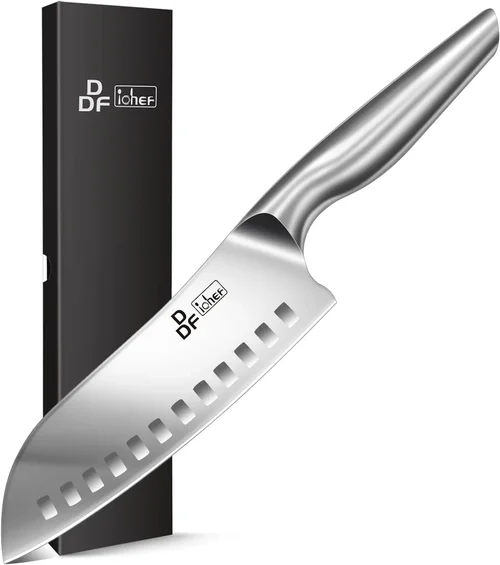
❌ Mistake: Prioritizing Looks Over Function
Why it’s bad: A beautifully patterned Damascus blade might catch your eye, but if it’s poorly balanced or made from low-quality steel, it won’t perform well for daily dicing. Aesthetic appeal doesn’t equal cutting performance.
What to do instead: Focus on functional design elements like blade curvature, handle comfort, and steel type. Save decorative knives for display—not daily use.
❌ Mistake: Buying the Cheapest Knife Available
Why it’s bad: Budget knives often use soft steel that dulls quickly, have weak tangs that break, or feature uncomfortable handles. You’ll end up replacing them frequently, costing more in the long run.
What to do instead: Invest in a mid-range knife ($60–$120) from a reputable brand. It will last years with proper care and dramatically improve your cooking experience.
❌ Mistake: Ignoring Handle Comfort
Why it’s bad: An ill-fitting handle causes hand fatigue, reduces control, and increases the risk of slips—especially when your hands are wet from rinsing onions.
What to do instead: Hold the knife before buying (or check detailed ergonomic reviews online). Your index finger should rest comfortably along the spine, and your grip should feel secure without straining.
❌ Mistake: Overlooking Maintenance Needs
Why it’s bad: Assuming all knives are “set it and forget it” leads to frustration when your expensive blade rusts or becomes impossible to sharpen.
What to do instead: Match the knife’s maintenance requirements to your lifestyle. If you hate sharpening, choose a harder steel with good edge retention. If you’re willing to learn, a high-carbon blade offers superior performance.
❌ Mistake: Choosing the Wrong Size
Why it’s bad: A 10-inch chef’s knife is overkill for dicing garlic and can feel clumsy. Conversely, a 3-inch paring knife struggles with large onions.
What to do instead: Opt for a 6–8 inch blade for most dicing tasks. This range offers the best balance of control and coverage.
❌ Mistake: Believing All “Japanese” Knives Are Superior
Why it’s bad: While many Japanese knives excel in sharpness, some are too fragile for Western cooking styles or lack the bolster needed for safe handling.
What to do instead: Research specific models, not just origins. Some German-Japanese hybrids (like those from Miyabi) blend the best of both worlds.
❌ Mistake: Skipping the Honing Steel
Why it’s bad: Even the sharpest knife loses its edge alignment with use. Without regular honing, you’ll think your knife is dull when it just needs realignment.
What to do instead: Buy a quality honing steel and use it weekly. It’s a small investment that extends your knife’s sharpness between sharpenings.
Budget Guidelines: How Much Should You Spend?
Entry-Level ($20–$50): At this price, expect stamped blades with partial tangs and basic handles. Brands like Mercer Culinary and Victorinox offer surprisingly good value here—especially the Victorinox Fibrox Pro Chef’s Knife, which outperforms many pricier competitors in sharpness and durability. However, edge retention may be shorter, and handles might feel less refined. Ideal for occasional cooks or students.
Mid-Range ($50–$150): This is the sweet spot for most home cooks. You’ll find full-tang construction, high-carbon stainless steel, and ergonomic handles from brands like Shun Classic, Global, and Wüsthof Classic. These knives hold edges well, feel balanced, and come with solid warranties. Perfect for daily dicing tasks and long-term use.
Premium ($150–$300): Here, craftsmanship shines. Hand-forged blades, layered Damascus steel, and exotic handle materials (like micarta or stabilized wood) become common. Brands such as Miyabi, MAC, and Masamoto offer exceptional performance and aesthetics. These knives appeal to enthusiasts who appreciate precision and artistry—but they require more care and skill to maintain.
Luxury ($300+): Reserved for collectors and professional chefs, these knives often feature proprietary steel blends, custom fittings, and museum-quality finishes. While they deliver unparalleled sharpness and balance, the marginal gains over premium options may not justify the cost for home use. Unless you’re dicing onions multiple times a day or value heirloom-quality tools, this tier is overkill.
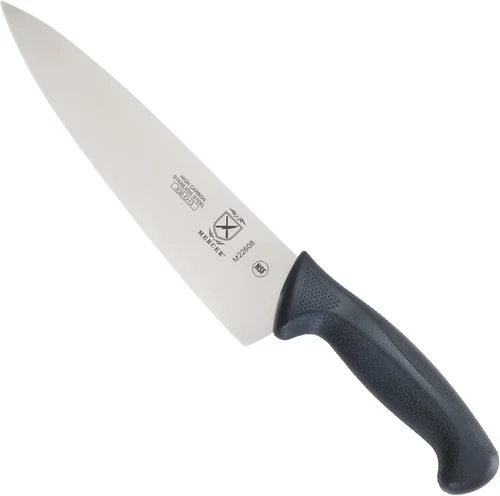
Expert Tips for Getting the Best Deal
- Shop during holiday sales: Black Friday, Cyber Monday, and post-holiday clearance events often feature 20–40% off premium knives. Sign up for brand newsletters to get early access.
- Buy directly from manufacturers: Companies like Shun, Global, and Wüsthof frequently offer exclusive bundles or refurbished models at discounted prices with full warranties.
- Consider “factory seconds”: These are knives with minor cosmetic flaws (like uneven etching) but identical performance. Often 30–50% cheaper and perfect for daily use.
- Check return policies: If buying online, ensure you can return the knife within 30 days if it doesn’t feel right. Ergonomics are personal—what works for a reviewer may not suit your grip.
- Bundle with essentials: Some retailers offer knife + cutting board + honing steel kits at a discount. This saves money and ensures compatibility.
- Read long-term reviews: Look for reviews that mention performance after 6+ months of use. Initial sharpness means little if the edge degrades quickly.
- Learn basic sharpening: Investing in a $30 whetstone set pays for itself over time. You’ll save on professional sharpening and keep your knife in peak condition.
- Ask for in-store demos: If shopping at a kitchenware store, ask to test the knife on an onion. Feel how it handles, check for balance, and note any discomfort.

Frequently Asked Questions
Q: Can I use a chef’s knife for dicing garlic?
A: Absolutely! A good chef’s knife is versatile enough for both onions and garlic. Just ensure the blade is sharp and the tip is pointed enough to maneuver around small cloves. For very fine mincing, rock the blade gently near the tip.
Q: Why do my eyes water less with certain knives?
A: A sharper blade slices cleanly through cell walls instead of crushing them, releasing fewer sulfur compounds that irritate your eyes. High-quality knives also allow faster prep, reducing exposure time.
Q: Is a Santoku better than a chef’s knife for dicing?
A: It depends on your preference. Santokus have a flatter profile and lighter weight, making them excellent for precise, push-cut dicing. Chef’s knives offer more belly for rocking motions. Many cooks own both—but if choosing one, a 7-inch chef’s knife is more versatile.
Q: Do I need a separate knife for garlic?
A: Not necessarily. A sharp chef’s or paring knife works fine. However, if you mince garlic daily, a small cleaver or dedicated garlic knife (like the Kuhn Rikon Epicurean Garlic Knife) can speed up the process.
Q: How often should I sharpen my knife?
A: It depends on usage. Home cooks typically need full sharpening every 6–12 months. Use a honing steel weekly to maintain alignment. If food starts sticking or cuts feel ragged, it’s time to sharpen.
Q: Are ceramic knives good for dicing onions?
A: Ceramic blades stay sharp longer and won’t react with acidic foods, but they’re brittle and can chip if twisted or dropped. They’re best for soft vegetables—avoid using them on hard onion cores or frozen garlic.
Q: Should I buy a knife set or individual knives?
A: For dicing tasks, start with a single high-quality chef’s or Santoku knife. Sets often include redundant or low-use blades. Build your collection gradually based on actual needs.
Q: Can I put my knife in the dishwasher?
A: Generally, no. Dishwashers expose knives to harsh detergents, high heat, and jostling that can damage edges and handles. Hand wash with mild soap and dry immediately.
Q: What’s the difference between stamped and forged knives?
A: Forged knives are shaped by hammering heated steel, resulting in denser grain structure and better balance. Stamped blades are cut from sheet steel and often lighter. Both can perform well—focus on steel quality and design, not just construction method.
Q: How do I store my knife safely?
A: Use a magnetic strip, knife block, or blade guard. Avoid tossing knives into drawers where blades can dull or cause injury. Proper storage extends edge life and keeps your kitchen safe.
Our Final Recommendations
Best for Budget-Conscious Buyers: Victorinox Fibrox Pro Chef’s Knife (8-inch) – At under $50, this knife outperforms many pricier models. Its ergonomic Fibrox handle provides excellent grip, and the high-carbon stainless steel holds a sharp edge. Ideal for students, renters, or anyone starting their knife collection.
Best Overall Value: Shun Classic 7-inch Santoku – Combines Japanese precision with Western usability. The VG-MAX steel offers exceptional sharpness and corrosion resistance, while the D-shaped Pakkawood handle ensures comfort. Perfect for daily dicing with minimal fatigue.
Best Premium Option: Miyabi Birchwood SG2 7-inch Chef’s Knife – Hand-forged in Japan with a stunning Damascus pattern, this knife delivers razor-like sharpness and flawless balance. The birchwood handle is both beautiful and functional. Best for serious home cooks who want a lifetime tool.
Best for Beginners: Global G-2 Chef’s Knife (8-inch) – Lightweight, seamless construction, and a hollow handle filled with sand for balance. Easy to clean and maintain, with a sharp edge right out of the box. Great for those new to knife skills.
Best for Advanced Users: MAC MTH-80 Professional Series 8-inch Chef’s Knife – Used by professional chefs worldwide, this knife features a thin, agile blade that excels at fine dicing. The slight flexibility allows for precise control, but it demands proper technique and care.
Conclusion: Making the Right Choice
Choosing the best kitchen knife for dicing onions and garlic isn’t about finding the sharpest or most expensive option—it’s about finding the right tool for you. Consider your budget, how often you cook, your hand size, and your willingness to maintain the blade. A knife that feels balanced in your hand, slices cleanly through onion layers, and makes garlic mincing effortless will elevate every meal you prepare.
Remember, even the finest knife won’t perform well if it doesn’t suit your style. Take the time to research, read honest reviews, and—if possible—test before you buy. Invest in quality, prioritize comfort and sharpness, and don’t forget the importance of regular maintenance. With the right knife, dicing onions and garlic becomes not just easier, but actually enjoyable.
Your kitchen deserves tools that inspire confidence and creativity. So go ahead—pick a knife that fits your life, sharpen it well, and let every chop bring you one step closer to culinary mastery.