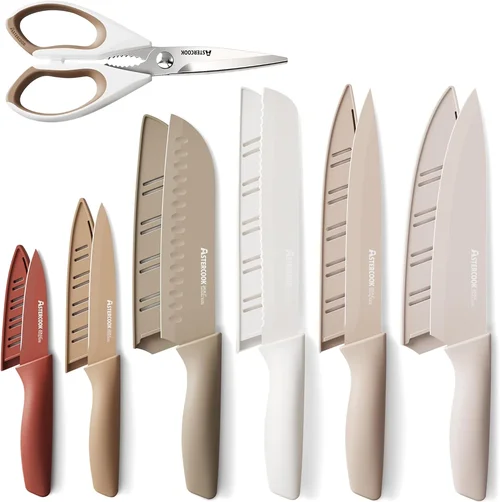
Whether you’re a home cook whipping up weeknight stir-fries or a meal prep enthusiast chopping through mounds of kale and carrots, having the right kitchen knife for vegetable prep can transform your cooking experience. A dull, poorly balanced, or ill-suited blade turns what should be a quick and satisfying task into a frustrating chore—one that can even compromise your safety. With so many knives on the market claiming to be the “best,” it’s easy to feel overwhelmed by choices ranging from budget-friendly sets to hand-forged Japanese masterpieces. That’s where this guide comes in: we’re here to cut through the noise and help you find the perfect knife (or knives) tailored specifically to your veggie-chopping needs.
In this comprehensive buying guide, you’ll learn exactly what makes a kitchen knife ideal for vegetable preparation—from blade geometry and steel type to ergonomics and maintenance requirements. We’ll walk you through the key factors to consider before making a purchase, compare different knife types side-by-side, highlight common pitfalls to avoid, and provide expert-backed recommendations across all budget ranges. By the end, you’ll not only know which knife suits your style and kitchen setup but also how to care for it so it stays sharp and reliable for years. Whether you’re shopping for your first serious chef’s knife or upgrading from a dull supermarket set, this guide equips you with the knowledge to make a confident, informed decision.
The market for kitchen knives has exploded in recent years, with brands from Germany, Japan, France, and even emerging U.S. makers offering an array of options. While some prioritize tradition and craftsmanship, others focus on modern materials and affordability. For vegetable prep specifically, certain designs excel—like the nimble utility knife for precision work or the versatile chef’s knife for everything from dicing onions to julienning zucchini. Understanding these nuances is critical, because unlike meat or bread knives, veggie-focused blades demand agility, sharpness, and control above all else. Let’s dive into the details that matter most.

What to Look for When Buying Buying Guide
1. Blade Shape & Geometry
The shape of a knife’s blade directly impacts how it performs during vegetable prep. For chopping, slicing, and mincing produce, look for a blade with a gentle curve or straight edge that allows for a rocking motion—this is especially useful when mincing herbs or garlic. A Japanese-style gyuto or santoku often features a flatter profile ideal for precise cuts like julienne or brunoise, while Western chef’s knives typically have a more pronounced belly for rocking. Avoid overly curved blades designed primarily for meat carving, as they can be awkward when working with firm vegetables like potatoes or carrots. Additionally, consider the tip: a pointed tip offers better control for detail work, while a rounded tip (common on santokus) reduces the risk of accidental pokes when working over a cutting board.
2. Blade Steel & Edge Retention
The type of steel used in a knife determines how well it holds an edge, resists corrosion, and responds to sharpening. High-carbon stainless steel is the gold standard for most home cooks—it combines the sharpness and edge retention of carbon steel with the rust resistance of stainless. Japanese knives often use high-carbon steels like VG-10 or SG2, which can achieve razor-sharp edges but require more careful maintenance to prevent rust. German knives, such as those from Wüsthof or Zwilling, typically use softer stainless steels that are easier to sharpen but may dull faster. For vegetable prep, where you’re frequently slicing through fibrous or wet surfaces, excellent edge retention means less frequent sharpening and more consistent performance. Look for knives with a Rockwell hardness (HRC) between 56 and 62—this range balances durability and sharpness effectively.
3. Handle Comfort & Ergonomics
A knife can have the perfect blade, but if the handle is uncomfortable or slippery, it becomes unsafe and inefficient. During prolonged vegetable prep—think chopping a week’s worth of salad ingredients—your hand should feel supported, not strained. Look for handles made from durable, non-slip materials like pakkawood, resin, or textured polymer. The shape matters too: a contoured handle that fits naturally in your grip reduces fatigue and improves control. Full-tang construction (where the blade extends through the handle) generally offers better balance and durability than partial tangs. If possible, test the knife in person—notice how it feels when you grip it firmly and simulate a chopping motion. A well-balanced knife should feel like an extension of your hand, not a foreign object.
4. Weight & Balance
Weight and balance are often overlooked but critically important for vegetable prep. A knife that’s too heavy can cause wrist strain during repetitive tasks, while one that’s too light may lack the momentum needed for clean cuts through dense veggies like butternut squash. The ideal balance point is typically just forward of the handle, allowing the blade’s weight to do the work without requiring excessive force. Japanese knives tend to be lighter and more agile, making them excellent for fine slicing and intricate cuts. Western-style chef’s knives are usually heavier, offering more power for chopping through tougher produce. Consider your own strength and cooking style: if you prefer quick, precise movements, lean toward a lighter blade; if you’re comfortable with a bit of heft, a balanced Western knife might suit you better.
5. Blade Length
Blade length affects both versatility and control. For most vegetable prep tasks, an 8-inch chef’s knife is the sweet spot—it’s long enough to handle large vegetables like eggplants or cabbage yet short enough to maneuver easily on a standard cutting board. A 6-inch utility knife is ideal for smaller jobs like peeling garlic, trimming green beans, or slicing cherry tomatoes. Santoku knives typically come in 5- to 7-inch lengths and are excellent for users who prefer a shorter, more controlled blade. Avoid blades longer than 10 inches unless you’re regularly processing huge quantities of produce—they can be unwieldy and increase the risk of accidents in tight kitchen spaces. Remember: longer isn’t always better. Choose based on the size of your typical prep tasks and your comfort level.
6. Ease of Maintenance
Even the best knife will underperform if it’s not properly maintained. Consider how much time and effort you’re willing to invest in upkeep. Knives made from high-carbon steel require regular oiling to prevent rust and should never go in the dishwasher. Stainless steel variants are more forgiving but still benefit from hand washing and immediate drying. Edge retention also plays a role: a knife that stays sharp longer means fewer sharpening sessions. If you’re new to knife care, look for models that come with sharpening guides or are compatible with common sharpening systems. Some brands even offer free or discounted sharpening services. For busy home cooks, a low-maintenance knife that holds an edge well can be a game-changer—especially when you’re prepping veggies nightly.
7. Brand Reputation & Craftsmanship
While brand name shouldn’t be the sole deciding factor, reputable manufacturers often deliver consistent quality, reliable customer service, and thoughtful design. Established names like Shun, Global, Victorinox, and MAC have decades of experience crafting knives optimized for specific tasks, including vegetable prep. That said, newer brands and artisan makers are gaining traction by offering high-performance blades at competitive prices. Research whether a brand specializes in Japanese or Western styles, as this often reflects their design philosophy. Read reviews from both professional chefs and home users to gauge real-world performance. A trusted brand doesn’t guarantee perfection, but it does reduce the risk of ending up with a poorly constructed or inconsistent product.
8. Warranty & Customer Support
A solid warranty is a strong indicator of a manufacturer’s confidence in their product. Most premium knife brands offer lifetime warranties against defects in materials and workmanship, though these typically don’t cover normal wear, misuse, or damage from improper care. Mid-range brands may offer 10- to 20-year warranties, while budget options might provide only limited coverage. Check what’s included: some companies will repair or replace a damaged knife, while others may offer store credit. Also consider customer support responsiveness—can you easily reach someone if you have questions about sharpening or care? A good warranty paired with helpful support adds significant long-term value, especially if you plan to keep your knife for many years.
Different Types of Buying Guide

Common Buying Mistakes to Avoid
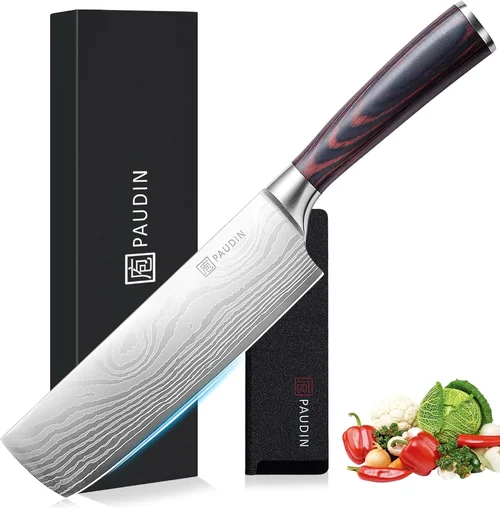
❌ Mistake: Choosing Based Solely on Price
Why it’s bad: Opting for the cheapest knife available often means sacrificing blade quality, balance, and durability. A $10 knife may seem like a bargain, but it will dull quickly, feel uncomfortable, and may even bend or chip during normal use—leading to frustration and potentially unsafe handling.
What to do instead: Set a realistic budget based on your cooking frequency and needs. Even a mid-range $50–$80 knife from a reputable brand will outperform most budget options in terms of performance and longevity. Think of it as an investment in your kitchen efficiency and safety.
❌ Mistake: Ignoring Handle Comfort
Why it’s bad: A poorly designed handle can cause hand fatigue, slippage, or even repetitive strain injuries—especially during long prep sessions. Slippery or awkwardly shaped handles increase the risk of cuts and reduce precision.
What to do instead: Prioritize ergonomics. If shopping online, read detailed reviews that mention grip comfort. If possible, visit a store to hold the knife. Look for textured, contoured handles that fit your hand size and dominant grip style (e.g., pinch grip vs. hammer grip).
❌ Mistake: Overlooking Maintenance Requirements
Why it’s bad: Some high-performance knives require specific care routines—like hand washing, immediate drying, and regular honing. Neglecting these can lead to rust, dullness, or warping, rendering even an expensive knife useless.
What to do instead: Be honest about your willingness to maintain your knife. If you prefer low-effort care, choose a stainless steel knife with good corrosion resistance. Invest in a honing rod and learn basic sharpening techniques—or select a brand that offers affordable sharpening services.
❌ Mistake: Buying a Full Set Without Testing Individual Knives
Why it’s bad: Knife sets often include redundant or low-quality blades. You might end up paying for a bread knife or cleaver you’ll never use, while the included chef’s knife lacks the performance you need for veggie prep.
What to do instead: Start with one high-quality primary knife (like an 8-inch chef’s or santoku) and add specialized blades later as needed. This approach ensures you get exactly what you’ll use most, often at a better value than bundled sets.
❌ Mistake: Confusing “Japanese” with “Better”
Why it’s bad: While Japanese knives are renowned for sharpness and precision, they’re not universally superior. Their thin blades can be fragile and prone to chipping if used incorrectly (e.g., twisting while cutting). They also require more skill to sharpen.
What to do instead: Match the knife style to your skill level and cooking habits. Beginners may benefit from the durability of a German-style chef’s knife, while experienced cooks might appreciate the finesse of a Japanese gyuto. Don’t assume origin equals performance—focus on design and build quality instead.
❌ Mistake: Neglecting Blade Length for Your Tasks
Why it’s bad: Using a 10-inch knife to peel strawberries or a 4-inch paring knife to chop a head of cabbage is inefficient and unsafe. The wrong length compromises control and increases effort.
What to do instead: Assess your most common prep tasks. For general veggie chopping, stick to 6–8 inches. Keep a smaller utility or paring knife on hand for detail work. Having the right tool for the job saves time and reduces frustration.
❌ Mistake: Disregarding Return Policies
Why it’s bad: Even with thorough research, a knife might not feel right once you start using it. Without a flexible return window, you’re stuck with a tool that doesn’t suit your needs.
What to do instead: Only buy from retailers or brands that offer at least a 30-day return policy. Test the knife within this period—chop various vegetables, check comfort, and assess sharpness. If it’s not working, return it hassle-free.
Budget Guidelines: How Much Should You Spend?
Entry-Level ($20–$50): In this range, expect decent stainless steel blades with basic handles. Brands like Victorinox Fibrox and Mercer Culinary offer surprisingly good performance for the price—especially the Victorinox 8-inch chef’s knife, a favorite among culinary students. These knives won’t hold an edge as long as pricier models and may lack refined balance, but they’re excellent for occasional cooks or those on tight budgets. Just avoid ultra-cheap sets from big-box stores—they often use inferior materials and poor construction.
Mid-Range ($50–$120): This is the sweet spot for most home cooks. You’ll find knives with better steel (like VG-10 or X50CrMoV15), improved ergonomics, and solid build quality. Options include the Shun Classic Santoku, Wüsthof Classic Chef’s Knife, and Global G-2. These blades offer excellent edge retention, comfortable handles, and reliable performance for daily vegetable prep. Many come with lifetime warranties and are dishwasher-safe (though hand washing is still recommended).
Premium ($120–$300): Here, craftsmanship and materials shine. Expect high-carbon stainless steels (SG2, R2, ZDP-189), hand-forged blades, and meticulously balanced designs. Brands like MAC, Masamoto, and Kramer by Zwilling dominate this tier. These knives are built for serious cooks who value precision, longevity, and aesthetic appeal. They require more care but deliver unmatched sharpness and control—ideal for intricate cuts or frequent use.
Luxury ($300+): At this level, you’re paying for artistry, heritage, and极致 performance. Hand-forged Japanese knives from makers like Yoshikane or Takamura can cost $500 or more. These are collector’s items as much as tools—often made with rare steels, traditional techniques, and stunning finishes. Unless you’re a professional chef or dedicated enthusiast, this tier is overkill for everyday veggie prep. However, if you appreciate the ritual of cooking and want a heirloom-quality piece, it’s a worthy splurge.
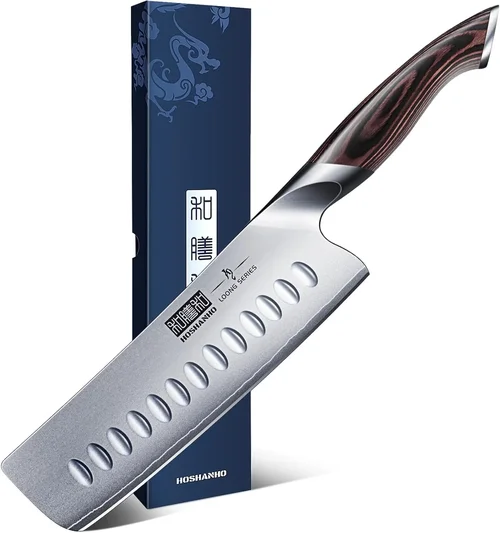
Expert Tips for Getting the Best Deal
- Shop during seasonal sales: Major retailers like Williams Sonoma, Sur La Table, and Amazon often discount knives during Black Friday, Prime Day, and post-holiday sales. Sign up for newsletters to get early access to deals.
- Buy directly from manufacturers: Brands like Shun, Global, and Tojiro frequently run promotions on their websites, including bundle discounts or free sharpening kits. You’ll also get authentic products with full warranty coverage.
- Consider “factory seconds” or refurbished models: These are knives with minor cosmetic flaws (like slight handle discoloration) but identical performance to new ones. They’re often 20–40% cheaper and come with the same warranty.
- Check return policies before buying: Even the best-reviewed knife might not suit your hand or style. Ensure you can return or exchange it within 30 days if needed.
- Invest in a honing rod: A $20–$40 honing steel extends your knife’s sharpness between sharpenings. It’s a small cost that pays big dividends in performance and safety.
- Look for student or professional discounts: Some brands offer 10–15% off for culinary students, teachers, or healthcare workers. Always ask!
- Read long-term user reviews: Pay attention to comments about edge retention after 6–12 months of use. A knife that stays sharp over time offers better value than one that dulls quickly.
- Bundle with essential accessories: Some retailers offer discounts when you buy a knife with a cutting board, sharpener, or storage block. This can save money compared to purchasing items separately.

Frequently Asked Questions
Q: Can I use a chef’s knife for all vegetable prep?
A: Absolutely! An 8-inch chef’s knife is the most versatile tool for chopping, dicing, slicing, and mincing nearly any vegetable. Its curved blade allows for a rocking motion ideal for herbs and onions, while its length handles larger produce like peppers and carrots. Pair it with a paring knife for peeling and detail work, and you’ll cover 95% of veggie prep needs.
Q: Are Japanese knives better for vegetables than Western ones?
A: Not necessarily—it depends on your preference. Japanese knives (like santoku or nakiri) are typically lighter, thinner, and sharper, making them excellent for precise, clean cuts. Western knives (like German chef’s knives) are heavier and more durable, better suited for chopping through dense vegetables. Try both if possible; many cooks own one of each for different tasks.
Q: Do I need a separate knife for leafy greens?
A: Not always. A sharp chef’s knife or santoku works fine for lettuce, spinach, and kale. However, a nakiri knife—with its straight, rectangular blade—is specifically designed for vegetables and excels at creating even chiffonade or slicing cabbage without bruising. It’s a worthwhile addition if you prep greens frequently.
Q: How often should I sharpen my vegetable knife?
A: It depends on usage. If you chop vegetables daily, hone your knife with a steel every 2–3 uses and sharpen it every 2–3 months. Occasional users may only need sharpening twice a year. A simple test: if you struggle to slice a ripe tomato cleanly, it’s time to sharpen.
Q: Can I put my vegetable knife in the dishwasher?
A: It’s not recommended. Dishwashers expose knives to harsh detergents, high heat, and jostling that can damage the blade, dull the edge, and degrade the handle. Always hand wash and dry immediately—especially for high-carbon steel knives, which can rust.
Q: What’s the difference between a santoku and a chef’s knife?
A: Santoku knives are Japanese-style with a shorter, flatter blade and Granton edges (small divots) that reduce food sticking. They’re great for straight-down chopping and precision work. Chef’s knives have a curved belly for rocking motions and are more versatile for Western-style chopping. Both are excellent for veggies—choose based on your cutting style.
Q: Is a granton edge necessary for vegetable prep?
A: Not essential, but helpful. Granton edges create air pockets that prevent wet or starchy vegetables (like potatoes or onions) from sticking to the blade. This makes slicing smoother and reduces tearing. If you frequently slice tomatoes or mushrooms, a granton-edged santoku or chef’s knife can be a worthwhile feature.
Q: How do I know if a knife is well-balanced?
A: Hold the knife by the blade (carefully!) just behind the handle. It should feel neutral—not tipping forward or backward. Alternatively, rest the knife on your finger at the bolster (where blade meets handle); if it balances evenly, it’s well-designed. Good balance reduces hand fatigue and improves control.
Q: Should beginners buy a Japanese or Western knife?
A: Beginners often benefit from a Western-style chef’s knife (like Victorinox or Wüsthof) because they’re more forgiving, durable, and easier to sharpen. Japanese knives require more technique and care. Start with a reliable mid-range Western knife, then explore Japanese styles as your skills grow.
Q: Can a dull knife be dangerous?
A: Yes! Counterintuitively, a dull knife is more hazardous than a sharp one. It requires more force to cut, increasing the chance of slipping and causing serious injury. A sharp knife glides through food with minimal pressure, giving you better control and safety.
Our Final Recommendations
Best for Budget-Conscious Buyers: Victorinox Fibrox Pro 8-Inch Chef’s Knife – At under $50, this knife punches far above its weight. It features a durable, non-slip handle, excellent edge retention, and a versatile blade perfect for all veggie tasks. Loved by pros and home cooks alike, it’s the ultimate value pick.
Best Overall Value: Shun Classic 7-Inch Santoku – Combining Japanese precision with everyday usability, this knife offers razor-sharp VG-10 steel, a comfortable pakkawood handle, and Granton edges for clean slicing. Priced around $120, it’s ideal for serious home cooks who want performance without luxury pricing.
Best Premium Option: MAC MTH-80 Professional Series 8-Inch Chef’s Knife – Handcrafted in Japan with ultra-sharp steel and exceptional balance, this knife delivers professional-grade performance. At $200–$250, it’s built for those who demand the best in sharpness, control, and longevity.
Best for Beginners: Wüsthof Classic 8-Inch Chef’s Knife – A classic German design with a full tang, ergonomic handle, and reliable edge retention. It’s forgiving, durable, and easy to maintain—perfect for new cooks learning proper knife skills.
Best for Advanced Users: Tojiro DP Gyuto 210mm – This Japanese gyuto features high-carbon stainless steel, a thin profile, and incredible sharpness right out of the box. At around $100, it offers near-premium performance at a mid-range price—ideal for experienced cooks who appreciate fine blade geometry.
Conclusion: Making the Right Choice
Choosing the best kitchen knife for vegetable prep isn’t about finding the most expensive or trendiest option—it’s about matching the right tool to your cooking style, skill level, and daily needs. Throughout this guide, we’ve emphasized that factors like blade shape, steel quality, handle comfort, and maintenance matter far more than brand names or marketing claims. Whether you’re dicing onions for a quick stir-fry or julienning carrots for a gourmet salad, the right knife should feel like a natural extension of your hand: effortless, precise, and safe.
Remember, investing in a quality knife is investing in your culinary confidence. A well-chosen blade not only makes prep faster and more enjoyable but also encourages you to cook more often—leading to healthier meals and greater kitchen satisfaction. Don’t rush the decision. Take time to assess your habits, read real user reviews, and, if possible, test knives in person. And once you’ve made your choice, commit to proper care: regular honing, hand washing, and occasional sharpening will keep your knife performing at its peak for years.
Ultimately, the best knife for you is the one you’ll reach for every day—not the one that sits gleaming in a block, unused. So prioritize function over form, comfort over hype, and practicality over prestige. With the insights from this guide, you’re now equipped to make a smart, informed purchase that will elevate your vegetable prep from mundane to magnificent. Happy chopping!