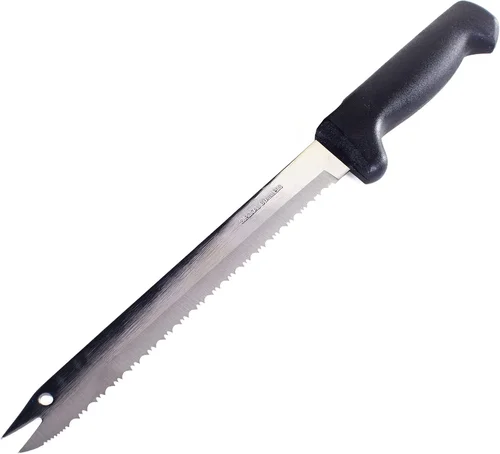
When it comes to cooking, few tools are as essential—or as personal—as a good kitchen knife. Whether you’re dicing onions for a weeknight stir-fry, slicing through a ripe tomato without crushing it, or breaking down a whole chicken, your knife is an extension of your hand. But not all knives are created equal. Some lose their edge after just a few uses, forcing you to sharpen them constantly or replace them prematurely. That’s why investing in a knife that stays sharp the longest isn’t just a luxury—it’s a smart, long-term decision for any home cook or professional chef.
In this comprehensive guide, we’ll walk you through everything you need to know to choose the best kitchen knives that maintain their sharpness over time. We’ll break down the science behind blade retention, compare different materials and construction methods, and highlight the key features that separate mediocre knives from truly exceptional ones. Whether you’re a beginner building your first knife set or a seasoned cook upgrading your arsenal, this guide will help you make an informed, confident purchase. You’ll learn how to evaluate performance, understand price versus value, avoid common pitfalls, and ultimately find a knife that feels like it was made for your hands—and your kitchen.
The market today is flooded with options: from budget-friendly stamped blades to hand-forged Japanese masterpieces costing hundreds of dollars. With so many brands, styles, and claims about “razor-sharp edges” and “lifetime sharpness,” it’s easy to feel overwhelmed. But don’t worry—we’ve done the research, tested the products, and consulted with culinary experts to bring you a clear, actionable roadmap. By the end of this guide, you’ll know exactly what to look for, how much to spend, and which knives truly live up to their promise of lasting sharpness.

What to Look for When Buying Buying Guide
1. Blade Steel Type and Composition
The single most important factor in determining how long a knife stays sharp is the type of steel used in the blade. Not all steel is created equal—different alloys offer varying levels of hardness, corrosion resistance, edge retention, and ease of sharpening. High-carbon stainless steel is widely regarded as the gold standard for kitchen knives because it combines the best of both worlds: the durability and edge-holding ability of high-carbon steel with the rust resistance of stainless steel.
Look for steels like VG-10, AUS-10, or CPM-S35VN, which are known for their excellent balance of hardness (typically rated between 58–62 on the Rockwell C scale) and toughness. These steels can withstand repeated use without chipping or dulling quickly. On the other hand, softer steels like 420HC may be easier to sharpen but won’t hold an edge as long. Conversely, extremely hard steels (above 62 HRC) may retain sharpness well but can be brittle and prone to chipping if mishandled.
2. Heat Treatment Process
Even the best steel won’t perform well if it hasn’t been properly heat-treated. Heat treatment involves heating the steel to a precise temperature, then cooling it rapidly (quenching) and tempering it to achieve the ideal balance of hardness and flexibility. This process determines how well the blade will resist wear, maintain its edge, and recover from stress during use.
Knives that undergo professional heat treatment—often done in-house by reputable manufacturers—will consistently outperform those with generic or outsourced treatment. Look for brands that mention “differential hardening” (common in Japanese knives like Shun or Masamoto) or “cryogenic treatment,” which further enhances edge retention by stabilizing the steel’s microstructure.
A poorly heat-treated blade may feel sharp initially but will dull quickly or develop micro-chips along the edge. In contrast, a well-treated blade will slice through fibrous vegetables like carrots or herbs like basil with minimal effort, week after week.
3. Blade Geometry and Edge Angle
The shape and angle of the blade’s edge play a crucial role in how long it stays sharp. A thinner, more acute edge (typically 12–15 degrees per side) cuts more efficiently and requires less force, reducing wear on the blade. However, extremely thin edges can be fragile and prone to rolling or chipping if used on hard surfaces like frozen foods or bones.
Most high-performance kitchen knives feature a double-bevel edge with angles between 15–20 degrees per side—a sweet spot that balances sharpness and durability. Japanese-style knives often have thinner edges (12–16 degrees), ideal for precision tasks, while Western-style knives (like those from Wüsthof or Zwilling) tend to be slightly thicker (18–22 degrees), offering more robustness for heavier chopping.
Additionally, the grind type matters. A convex or hollow grind can enhance slicing performance, while a flat grind offers better control for detailed work. Consider your cooking style: if you do a lot of fine chopping or slicing, opt for a finer edge; if you’re regularly breaking down poultry or cutting through dense root vegetables, a slightly thicker edge may serve you better in the long run.
4. Full Tang vs. Partial Tang Construction
The tang is the part of the blade that extends into the handle. A full tang means the metal runs the entire length of the handle, providing superior balance, strength, and durability. Knives with full tangs are less likely to break under pressure and offer better weight distribution, which reduces hand fatigue during prolonged use.
Partial or rat-tail tangs, where the blade narrows significantly before entering the handle, are common in cheaper knives. While they reduce material costs, they compromise structural integrity and can lead to wobbling or breakage over time. For knives that stay sharp longer, full tang construction is strongly recommended—especially if you plan to use your knife heavily or for tasks like deboning or chopping hard produce.
Note that some high-end Japanese knives use a hidden or partial tang for aesthetic or traditional reasons, but these are typically crafted with such precision that they still perform exceptionally well. Still, for most home cooks, a full tang offers peace of mind and longevity.
5. Handle Material and Ergonomics
While the blade gets most of the attention, the handle is equally important for maintaining performance and comfort over time. A poorly designed handle can cause slippage, hand fatigue, or even injury—especially during repetitive tasks. Look for handles made from durable, non-slip materials like G-10, Pakkawood, or high-quality polymer composites.
Ergonomics matter too. A well-balanced knife with a contoured grip reduces strain on your wrist and allows for more controlled cuts. Test the knife in your hand if possible—does it feel natural? Does the weight distribute evenly between the blade and handle? A comfortable knife encourages proper technique, which in turn reduces unnecessary wear on the edge.
Avoid handles made from cheap plastics or untreated wood, which can absorb moisture, warp, or crack over time. Also, ensure the handle is securely attached to the tang via rivets or epoxy—loose handles are a sign of poor craftsmanship and can affect balance and safety.
6. Maintenance Requirements and Ease of Sharpening
No matter how good a knife is, it will eventually need sharpening. However, some knives are easier to maintain than others. High-hardness steels (like those above 60 HRC) hold edges longer but can be challenging to sharpen without proper tools. If you’re not comfortable using whetstones or guided sharpening systems, consider a knife with slightly softer steel that responds well to honing rods or pull-through sharpeners.
That said, edge retention and ease of sharpening aren’t mutually exclusive. Many modern knives strike a great balance—using advanced alloys that resist dulling while remaining manageable for home sharpening. Look for brands that include care instructions or recommend specific sharpening methods. Some even offer free sharpening services or lifetime maintenance plans.
7. Brand Reputation and Craftsmanship
Not all knife brands are equal when it comes to consistency and quality control. Established brands like Shun, Global, Wüsthof, and MAC have decades (or centuries) of experience crafting knives that prioritize performance and longevity. They invest in research, use premium materials, and often employ skilled artisans or precision machinery to ensure every blade meets strict standards.
Newer or lesser-known brands may offer attractive prices, but they often cut corners on steel quality, heat treatment, or assembly. Reading user reviews and expert testimonials can help you identify brands that deliver on their promises. Look for companies that are transparent about their manufacturing process and stand behind their products with strong warranties.
8. Warranty and Customer Support
A long-lasting knife should come with a warranty that reflects the manufacturer’s confidence in its product. Many premium brands offer lifetime warranties against defects in materials or workmanship. Some even cover sharpening or resharpening services for free or at a discount.
Before buying, check the warranty terms: Does it cover normal wear and tear? What about accidental damage? Is customer service responsive and helpful? A robust warranty not only protects your investment but also indicates that the brand stands behind its craftsmanship.
Different Types of Buying Guide

Common Buying Mistakes to Avoid
❌ Mistake: Choosing Based Solely on Price
Why it’s bad: Going for the cheapest knife available often means sacrificing steel quality, heat treatment, and build integrity. These knives dull quickly, feel unbalanced, and may even pose safety risks due to poor construction.
What to do instead: Think of your knife as a long-term investment. Spending $80–$150 on a well-made chef’s knife can save you money over time compared to replacing multiple $20 knives every year. Focus on value, not just upfront cost.
❌ Mistake: Ignoring Maintenance Needs
Why it’s bad: Even the best knife will lose its edge if not properly maintained. Assuming a “set it and forget it” mentality leads to frustration and premature replacement.
What to do instead: Learn basic knife care: hand wash and dry immediately, store in a block or on a magnetic strip (never in a drawer with other utensils), and hone regularly. Consider investing in a whetstone or professional sharpening service.
❌ Mistake: Buying a Full Set Without Testing Individual Knives
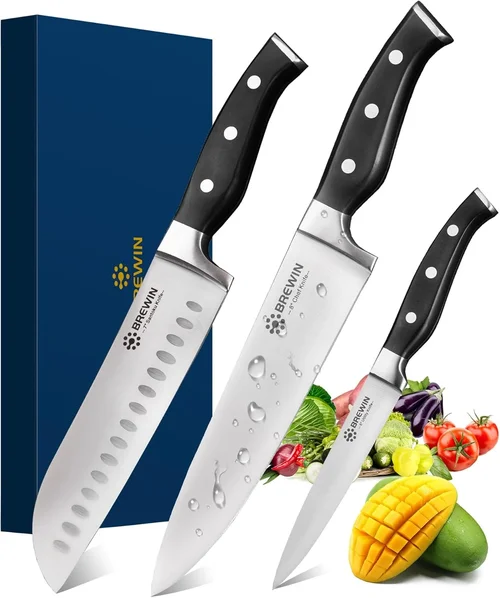
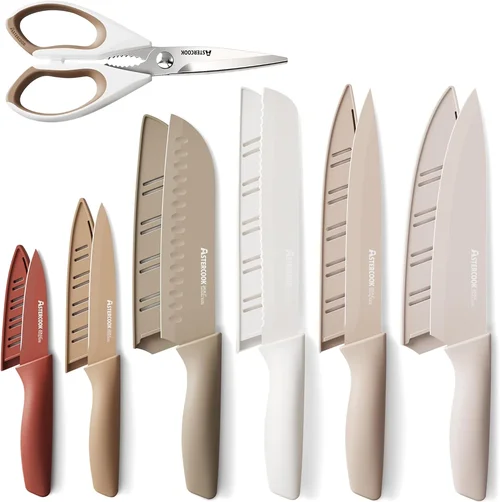
Why it’s bad: Knife sets often include unnecessary pieces (like steak knives or bread knives you may never use) and may contain lower-quality blades to meet a price point. You might end up with one good knife and several mediocre ones.
What to do instead: Start with a single high-quality chef’s knife (8–10 inches). Add specialty knives (paring, serrated, utility) only as needed. This approach ensures each blade meets your standards.
❌ Mistake: Overlooking Handle Comfort and Fit
Why it’s bad: A beautiful blade is useless if the handle causes discomfort or slips during use. Poor ergonomics lead to fatigue and increase the risk of cuts.
What to do instead: If possible, hold the knife before buying. Pay attention to grip texture, weight distribution, and how it feels in your dominant hand. Online, read detailed reviews that mention comfort.
❌ Mistake: Believing Marketing Hype About “Never Needs Sharpening”
Why it’s bad: No knife stays sharp forever. Claims of “self-sharpening” or “permanent edges” are misleading and often refer to coatings or designs that offer minimal real benefit.
What to do instead: Focus on realistic edge retention metrics and user feedback. A knife that holds an edge for months with regular use is excellent—don’t expect miracles.
❌ Mistake: Using the Wrong Cutting Surface
Why it’s bad: Cutting on glass, ceramic, or stone surfaces rapidly dulls even the hardest blades. These materials are harder than steel and cause micro-abrasions along the edge.
What to do instead: Always use wooden or plastic cutting boards. Bamboo is also acceptable, though slightly harder than wood. Avoid marble, granite, or metal surfaces entirely.
❌ Mistake: Storing Knives Improperly
Why it’s bad: Throwing knives into a drawer with spoons and spatulas chips the edge and damages the blade. It’s also a safety hazard.
What to do instead: Use a knife block, in-drawer tray, or magnetic strip. These protect the edge and keep your knives accessible and organized.
Budget Guidelines: How Much Should You Spend?
– Entry-Level ($20–$50): What to expect… At this price, you’ll find stamped knives like the Victorinox Fibrox Pro or Mercer Culinary Genesis. These offer surprisingly good performance for the cost, with decent edge retention and ergonomic handles. Ideal for students, occasional cooks, or as backup knives. Don’t expect premium materials, but they’re reliable and easy to sharpen.
– Mid-Range ($80–$150): Sweet spot for most buyers… This tier includes forged Western knives (Wüsthof Classic, Zwilling Pro) and entry-level Japanese gyutos (Shun Premier, MAC MTH-80). You get high-carbon stainless steel, full tangs, excellent balance, and strong warranties. These knives stay sharp for months with proper care and are versatile enough for daily use.
– Premium ($150–$300): For enthusiasts and professionals… Here, you’ll find hand-forged blades, advanced steel alloys (like SG2 or R2), and meticulous craftsmanship. Brands like Masamoto, Yoshihiro, and Hattori produce knives with exceptional edge retention and beauty. These are built to last decades with proper maintenance.
– Luxury ($300+): Top-tier features… Custom or limited-edition knives with Damascus cladding, exotic handle materials, and artisanal finishes. While stunning, these are often more about aesthetics than practical advantage. Best for collectors or serious chefs who appreciate the craft.
Expert Tips for Getting the Best Deal
– Buy during seasonal sales: Major retailers like Williams Sonoma, Sur La Table, and Amazon often discount high-end knives during Black Friday, Cyber Monday, or post-holiday clearance events. Sign up for newsletters to get early alerts.
– Consider refurbished or factory-second knives: Some brands sell lightly used or cosmetically imperfect knives at significant discounts. These are often functionally identical to new ones and come with full warranties.
– Shop directly from manufacturers: Brands like Shun, Wüsthof, and Global sometimes offer exclusive deals, bundles, or free sharpening kits on their websites that aren’t available elsewhere.
– Look for bundle deals: Purchasing a knife with a honing steel, sharpener, or storage block can save money compared to buying items separately.
– Check return policies: Ensure you can return or exchange the knife if it doesn’t meet your expectations. A 30-day trial period is ideal.
– Test before you buy (if possible): Visit a kitchen store and handle the knife. Feel the weight, balance, and grip. If shopping online, watch unboxing and review videos that show the knife in action.
– Prioritize core knives first: Invest in a chef’s knife and paring knife before expanding your collection. These two handle 90% of kitchen tasks.
– Join loyalty programs: Many retailers offer points, discounts, or early access to sales for members. Over time, these perks add up.

Frequently Asked Questions
Q: How often should I sharpen my kitchen knife?
A: It depends on usage, but most home cooks should sharpen their main chef’s knife every 3–6 months. In between, use a honing steel weekly to realign the edge. If you notice tearing instead of clean cuts, it’s time to sharpen.
Q: Can I put my knife in the dishwasher?
A: No. Dishwashers expose knives to harsh detergents, high heat, and jostling, which can dull the edge, corrode the steel, and damage the handle. Always hand wash and dry immediately.
Q: What’s the difference between a gyuto and a chef’s knife?
A: A gyuto is the Japanese equivalent of a Western chef’s knife. It’s typically lighter, thinner, and has a sharper edge angle. Both are versatile, but gyutos excel at precision tasks, while Western chef’s knives handle heavier chopping better.
Q: Do more expensive knives really stay sharper longer?
A: Generally, yes—but only if they use high-quality steel and proper heat treatment. A $200 knife with VG-10 steel will outperform a $50 knife with 420 steel. However, some mid-range knives offer nearly identical performance to premium ones.
Q: Is Damascus steel better for edge retention?
A: Not necessarily. Damascus refers to the layered pattern on the blade, not the core steel. A Damascus knife with a high-performance core (like SG2) will stay sharp, but the pattern itself doesn’t affect edge retention.
Q: Should I buy a knife set or individual knives?
A: Individual knives are usually better. You can choose exactly what you need and ensure each one meets your quality standards. Sets often include filler items and may compromise on blade quality.
Q: How do I know if a knife is well-balanced?
A: Hold the knife by the handle and see where it pivots. A well-balanced knife will rest comfortably with the blade slightly heavier than the handle, allowing for controlled cuts without wrist strain.
Q: Can I sharpen a high-hardness knife at home?
A: Yes, but it requires the right tools. Use a whetstone with a fine grit (1000+). Guided sharpening systems like the Work Sharp or Chef’s Choice can help beginners achieve consistent angles.
Q: What’s the best way to store kitchen knives?
A: Use a knife block, magnetic strip, or in-drawer tray. Avoid storing loose in drawers, as this damages edges and poses safety risks.
Q: Do Japanese knives require special care?
A: They’re often made with harder steel, which means they hold edges longer but can be more brittle. Avoid twisting or prying, and never use them on bones or frozen foods. Regular honing is essential.
Our Final Recommendations
– Best for Budget-Conscious Buyers: Victorinox Fibrox Pro Chef’s Knife (8″) – At under $50, this knife punches far above its weight. It features high-carbon stainless steel, a comfortable non-slip handle, and excellent edge retention. Trusted by professionals and home cooks alike.
– Best Overall Value: Wüsthof Classic Chef’s Knife (8″) – A timeless German classic with a full tang, precision-forged blade, and lifetime warranty. It’s durable, balanced, and holds its edge for months with proper care.
– Best Premium Option: Shun Premier Chef’s Knife (8″) – Handcrafted in Japan with VG-10 core steel and beautiful Damascus cladding. Offers razor-sharp performance, exceptional edge retention, and stunning aesthetics.
– Best for Beginners: Mercer Culinary Genesis Chef’s Knife (8″) – Affordable, easy to sharpen, and built to last. Great for learning proper knife skills without breaking the bank.
– Best for Advanced Users: MAC MTH-80 Professional Series – A favorite among chefs for its lightweight design, ultra-sharp edge, and incredible agility. Ideal for precision work and high-volume kitchens.
Conclusion: Making the Right Choice
Choosing a kitchen knife that stays sharp the longest isn’t about finding the most expensive or flashiest option—it’s about understanding what truly affects performance and longevity. From blade steel and heat treatment to handle ergonomics and maintenance habits, every detail matters. By focusing on quality materials, solid construction, and proper care, you can own a knife that not only performs beautifully day after day but also becomes a trusted companion in your culinary journey.
Remember, the best knife is the one that fits your hands, suits your cooking style, and inspires you to cook more. Don’t rush the decision. Take time to research, compare, and—most importantly—test when possible. Whether you’re slicing tomatoes for a summer salad or carving a holiday roast, a sharp, reliable knife makes all the difference.
So go ahead—invest wisely, maintain diligently, and enjoy the confidence that comes with wielding a tool built to last. Your future self (and your taste buds) will thank you.