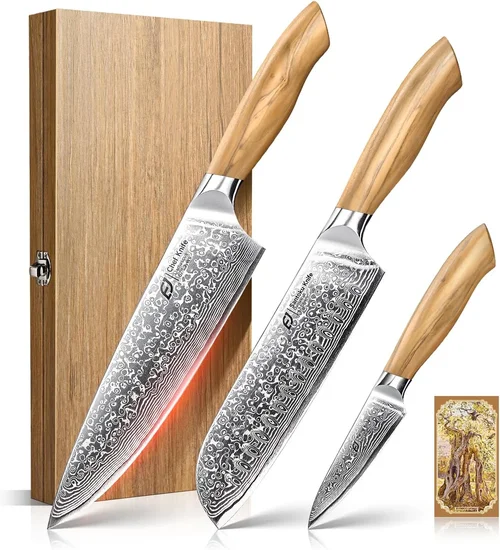
When it comes to the heart of any kitchen, few tools are as essential—or as personal—as a good knife. Among the many choices available, knives with wooden handles stand out not just for their functionality, but for their timeless beauty and tactile warmth. In an era dominated by synthetic materials and mass-produced kitchenware, wooden-handled knives offer a refreshing return to craftsmanship, tradition, and aesthetic elegance. Whether you’re a home cook who values style in your culinary space or a seasoned chef seeking balance and comfort in your tools, a well-made wooden-handled knife can elevate both your cooking experience and your kitchen’s ambiance.
This comprehensive guide is designed to help you navigate the world of wooden-handled kitchen knives with confidence. We’ll explore what makes these knives special, how to evaluate quality and performance, and which models offer the best blend of form and function. You’ll learn how to avoid common pitfalls, understand pricing tiers, and make an informed decision that aligns with your cooking habits, budget, and design preferences. From rustic farmhouse aesthetics to sleek modern finishes, wooden handles come in a variety of styles—and we’ll help you find the perfect match.
The market for wooden-handled knives has evolved significantly in recent years. While traditionalists still favor classic European designs like those from German or French makers, Japanese artisans have introduced minimalist, high-performance options with exotic hardwoods. Meanwhile, independent craftsmen and boutique brands are blending heritage techniques with modern metallurgy, creating knives that are as much art objects as they are kitchen tools. With so many options, it’s easy to feel overwhelmed—but this guide cuts through the noise to deliver clarity, expertise, and practical advice.

What to Look for When Buying Buying Guide
1. Wood Type and Finish
The type of wood used in a knife handle dramatically affects its appearance, durability, and feel. Common choices include walnut, cherry, maple, olivewood, and rosewood—each offering unique grain patterns, color tones, and hardness levels. Hardwoods like walnut and maple are prized for their resilience and resistance to moisture, making them ideal for daily use. Exotic woods such as olivewood or ebony add striking visual appeal but may require more maintenance. Look for handles that are properly sealed with food-safe oils or resins to prevent cracking, warping, or bacterial growth. A well-finished handle should feel smooth, dry to the touch, and free of splinters.
2. Blade Material and Construction
While the handle gets much of the aesthetic attention, the blade is where performance lives. High-carbon stainless steel is the gold standard for wooden-handled knives, offering excellent edge retention, corrosion resistance, and ease of sharpening. Japanese brands often use layered steels like VG-10 or Damascus for added strength and visual flair. German manufacturers typically favor softer but tougher steels like X50CrMoV15, which hold up well under heavy chopping. Pay attention to whether the knife is forged or stamped—forged blades are generally heavier, more balanced, and longer-lasting, though they come at a higher price point. Full tang construction (where the blade extends fully into the handle) ensures better balance and durability.
3. Ergonomics and Balance
A beautiful knife is useless if it doesn’t feel right in your hand. Ergonomics play a crucial role in comfort, control, and fatigue reduction during prolonged use. The handle should contour naturally to your grip, with no sharp edges or awkward transitions between materials. Balance—the distribution of weight between the blade and handle—is equally important. A well-balanced knife reduces strain on your wrist and allows for precise cuts. Test the knife by holding it; it should feel like an extension of your arm, not a foreign object. Many premium wooden-handled knives feature a slight taper toward the bolster (the thick junction between blade and handle), enhancing both aesthetics and functionality.
4. Maintenance Requirements
Wooden handles require more care than synthetic alternatives. They should never be soaked in water or placed in the dishwasher, as prolonged exposure to moisture can cause swelling, cracking, or mold. After each use, wipe the handle dry with a clean cloth. Periodically conditioning the wood with food-grade mineral oil or beeswax helps preserve its luster and prevent drying. Some manufacturers include care instructions or even small bottles of oil with their knives—look for these added touches as signs of thoughtful design. If you’re someone who prefers low-maintenance tools, consider knives with stabilized wood (treated under pressure to enhance durability) or hybrid handles that combine wood with resin or polymer inserts.
5. Aesthetic Cohesion with Kitchen Style
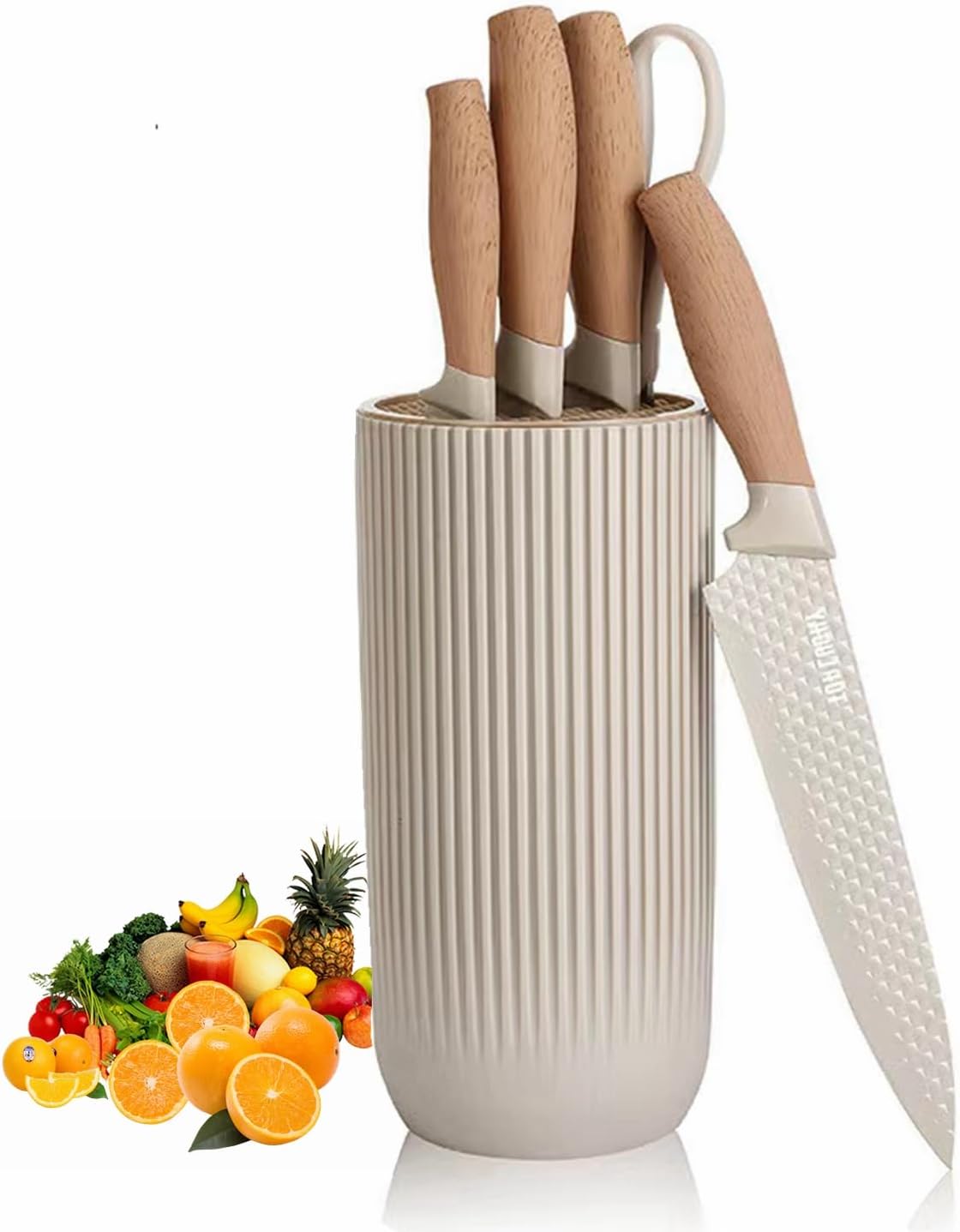
One of the main reasons people choose wooden-handled knives is their visual appeal. Consider how the knife will fit into your overall kitchen aesthetic. A rich walnut handle pairs beautifully with rustic, farmhouse, or traditional decor, while lighter woods like birch or beech complement Scandinavian or minimalist designs. Darker exotic woods like wenge or padauk make bold statements in contemporary spaces. Pay attention to finish details—hand-rubbed oils create a soft, matte look, while lacquered finishes offer a glossy sheen. Matching your knife set to your cutting boards, utensil holders, or cabinet hardware can create a cohesive, elevated look.
6. Brand Reputation and Craftsmanship
Not all wooden-handled knives are created equal. Established brands like Wüsthof, Zwilling J.A. Henckels, and Global have decades of experience crafting reliable, high-quality knives. Japanese artisans such as Masamoto, Shun, and Tojiro are renowned for their precision and attention to detail. Meanwhile, smaller makers like Jikko, Sakai Takayuki, or American craftsmen like Bob Kramer emphasize hand-forged excellence and bespoke finishes. Research the brand’s history, read customer reviews, and look for certifications or awards. A reputable brand often stands behind its products with strong warranties and responsive customer service.
7. Warranty and Support
A quality wooden-handled knife is an investment, and a solid warranty reflects the manufacturer’s confidence in their product. Most premium brands offer limited lifetime warranties covering defects in materials and workmanship. Some even include free sharpening services or handle repairs. Be wary of brands that offer only short-term coverage or exclude handle damage—since wood is more vulnerable than metal, this could leave you stranded if issues arise. Check the fine print: Does the warranty cover normal wear and tear? What’s the process for returns or repairs? Good support can turn a frustrating experience into a positive one.
8. Intended Use and Knife Type
Different tasks call for different knives, and your choice should reflect how you cook. A chef’s knife (8–10 inches) is the workhorse of the kitchen, ideal for chopping, slicing, and dicing. Paring knives excel at detail work like peeling and trimming. Santoku knives offer a versatile alternative with a shorter, wider blade perfect for vegetables and fish. Bread knives with serrated edges glide through crusty loaves without crushing the soft interior. Consider your cooking style: Do you prep lots of vegetables? Grill frequently? Bake artisan bread? Matching the right knife type to your habits ensures you’ll actually use and appreciate your purchase.
Different Types of Buying Guide
Common Buying Mistakes to Avoid
❌ Mistake: Prioritizing Looks Over Function
Why it’s bad: A stunning knife with a gorgeous handle is useless if the blade dulls quickly or feels unbalanced. Many buyers fall in love with the aesthetic and overlook critical performance factors like steel quality, tang construction, or edge geometry.
What to do instead: Always evaluate function first. Handle beauty is a bonus—not the foundation. Test the knife’s weight, balance, and sharpness before committing.
❌ Mistake: Ignoring Maintenance Needs
Why it’s bad: Wooden handles demand care. Assuming they’re “set it and forget it” tools leads to cracked, warped, or moldy handles that ruin the knife’s usability and appearance.
What to do instead: Commit to regular maintenance. Wipe dry after use, oil periodically, and store properly. Choose stabilized wood if you want lower upkeep.
❌ Mistake: Buying a Full Set Without Testing Individual Knives
Why it’s bad: Pre-packaged sets often include knives you’ll never use (like a boning knife if you don’t cook meat) and may compromise on quality to hit a price point.
What to do instead: Start with a high-quality chef’s knife and paring knife. Add specialty blades later based on your actual needs.
❌ Mistake: Overlooking Handle Attachment Method
Why it’s bad: Poorly secured handles can loosen over time, creating safety hazards and ruining the knife’s integrity. Rivets should be flush and tight; epoxy should be food-safe and durable.
What to do instead: Inspect the handle joints. Look for full tang designs with triple rivets or hidden rivet construction for maximum stability.
❌ Mistake: Choosing Based Solely on Brand Name
Why it’s bad: While reputable brands offer consistency, some budget lines from top names cut corners on materials or craftsmanship to appeal to mass markets.
What to do instead: Research specific models, not just brands. Read independent reviews and check where and how the knife is made.
❌ Mistake: Neglecting Your Own Hand Size and Grip Style
Why it’s bad: A knife that feels comfortable to someone else might be awkward or painful for you. Handle thickness, length, and shape vary widely.
What to do instead: If possible, hold the knife before buying. Online, look for detailed dimensions and ergonomic descriptions. Some brands offer multiple handle sizes.
❌ Mistake: Skipping the Sharpening Plan
Why it’s bad: Even the best knife loses its edge. Without a sharpening strategy, performance declines rapidly, leading to frustration and unsafe cutting.
What to do instead: Invest in a quality honing steel and learn basic sharpening techniques. Consider professional sharpening services for high-end blades.
Budget Guidelines: How Much Should You Spend?
Wooden-handled knives span a wide price spectrum, and understanding what you get at each tier helps set realistic expectations.
Entry-Level ($30–$75): At this price, you’ll find stamped blades with basic high-carbon steel and simple wooden handles—often made from domestic hardwoods like maple or beech. These knives are suitable for occasional cooks or students but may lack durability, balance, or long-term edge retention. Handles might be partially sealed or require frequent oiling. Examples include budget lines from Victorinox or generic store brands.
Mid-Range ($75–$180): This is the sweet spot for most home cooks. You’ll find forged blades, better steel alloys (like X50CrMoV15 or VG-10), and higher-quality woods such as walnut or olivewood. Handles are typically full tang with secure riveting and proper sealing. Brands like Wüsthof Classic, Shun Premier, and Miyabi offer excellent options here. These knives deliver strong performance, good balance, and attractive aesthetics without breaking the bank.
Premium ($180–$400): For enthusiasts and serious home chefs, premium knives offer superior craftsmanship, exotic materials, and refined details. Expect Damascus cladding, hand-forged construction, stabilized or rare woods (like desert ironwood or bog oak), and precision heat treatment. Japanese makers like Masamoto, Koishi, or American smiths like Bob Kramer dominate this space. These knives are built to last generations with proper care.
Luxury ($400+): At this level, you’re paying for artistry, heritage, and exclusivity. Custom handles, hand-carved details, limited editions, and museum-quality finishes define luxury knives. While they perform exceptionally, their value is as much about collectibility and status as utility. These are ideal for collectors, gifts, or those who view cooking as a deeply personal craft.
Expert Tips for Getting the Best Deal
- Shop during seasonal sales: Major retailers like Williams Sonoma, Sur La Table, and Amazon often discount premium knives during Black Friday, Prime Day, or holiday seasons. Sign up for newsletters to get early access.
- Consider refurbished or outlet models: Many brands sell “factory seconds” or returned items at significant discounts. These are often indistinguishable from new and come with full warranties.
- Buy directly from manufacturers: Brands like Shun, Wüsthof, and Global occasionally run exclusive promotions on their websites, including free shipping or bundled sharpening kits.
- Check independent cutlers and local artisans: Small-batch makers sometimes offer better value than big brands, with personalized service and unique designs. Platforms like Etsy or craft fairs can yield hidden gems.
- Read return policies carefully: Ensure you can return or exchange the knife if it doesn’t meet expectations. Some retailers offer 30-day trial periods—use them wisely.
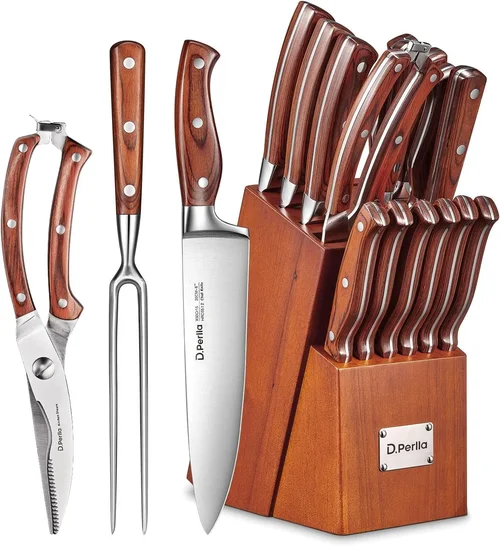
- Invest in a knife roll or block: Protecting your investment extends its life. A quality storage solution prevents blade damage and keeps handles in top condition.
- Learn basic sharpening: Maintaining your own edge saves money and keeps your knife performing at its peak. Start with a whetstone and online tutorials.
- Bundle with other kitchen tools: Some retailers offer discounts when you buy a knife with a cutting board, sharpener, or storage case. This can stretch your budget further.

Frequently Asked Questions
Q: Are wooden-handled knives safe for daily use?
A: Yes—when properly maintained. Food-safe finishes and sealed woods prevent bacterial growth. Always dry the handle immediately after washing and avoid prolonged water exposure.
Q: Can I put a wooden-handled knife in the dishwasher?
A: Absolutely not. Dishwashers expose handles to extreme heat and moisture, which can cause cracking, warping, or delamination. Hand wash only.
Q: How often should I oil my wooden handle?
A: Every 3–6 months, or whenever the wood looks dry or dull. Use food-grade mineral oil or a specialized wood conditioner. Apply a thin layer, let it soak in, then wipe off excess.
Q: Do wooden handles affect knife balance?
A: They can, depending on the wood density. Denser woods like walnut add weight to the handle, improving balance. Lighter woods may require counterweighting in the design.
Q: Are exotic wood handles worth the extra cost?
A: It depends on your priorities. Exotic woods offer unique beauty and conversation value, but they’re not inherently more durable. Stabilized domestic hardwoods often provide better performance at lower cost.
Q: Can I repair a cracked wooden handle?
A: Minor cracks can sometimes be filled with epoxy and sanded smooth, but deep damage usually requires professional repair or replacement. Prevention through proper care is best.
Q: Are wooden-handled knives suitable for professional kitchens?
A: Many chefs prefer them for their grip and aesthetics, but commercial kitchens often favor synthetic handles for hygiene and durability. However, high-end restaurants increasingly use artisanal wooden-handled knives for prep work.
Q: How do I know if a knife has a full tang?
A: Look at the sides of the handle where it meets the blade. If you see the metal extending the full length and width of the handle, it’s likely full tang. Some brands stamp “full tang” on the blade spine.
Q: What’s the difference between stabilized and natural wood?
A: Stabilized wood is treated under vacuum and pressure with resins to increase density, reduce moisture absorption, and prevent cracking. It’s more durable but may lack the organic feel of natural wood.
Q: Can I customize a wooden handle?
A: Yes—many custom knife makers offer bespoke handle options, including wood type, shape, and finish. This is common in the premium and luxury tiers.
Our Final Recommendations
Best for Budget-Conscious Buyers: Victorinox Fibrox Pro Chef’s Knife with Walnut Handle Alternative – While the standard model has a synthetic handle, Victorinox offers limited walnut versions that deliver legendary sharpness and reliability under $80.
Best Overall Value: Wüsthof Classic 8-Inch Chef’s Knife – A German classic with a full-tang forged blade, durable walnut handle, and lifetime warranty. Priced around $150, it’s a workhorse that balances beauty and brawn.
Best Premium Option: Shun Premier 8-Inch Chef’s Knife – Featuring a Damascus-clad VG-10 core and hand-hammered finish, this Japanese masterpiece uses pakkawood (wood-resin composite) for a luxurious feel and stunning look. Around $220.
Best for Beginners: Tojiro DP Gyutou 8.2-Inch – An affordable entry into Japanese craftsmanship with a comfortable magnolia wood handle and excellent edge retention. Under $100, it’s perfect for learning proper knife skills.
Best for Advanced Users: Bob Kramer by Zwilling Carbon Steel Chef’s Knife – Hand-forged in Seattle, this knife uses rare American hardwoods and premium carbon steel for unparalleled performance and artistry. Priced near $400, it’s a lifetime investment.
Conclusion: Making the Right Choice
Choosing the best wooden-handled knife isn’t just about picking the prettiest option—it’s about finding a tool that aligns with your cooking style, maintenance willingness, and aesthetic vision. Throughout this guide, we’ve emphasized the importance of balancing beauty with functionality, understanding material choices, and avoiding common pitfalls. Remember, the right knife should feel like an extension of your hand, inspire confidence at the cutting board, and bring joy to your kitchen routine.
Don’t rush the decision. Take time to research, compare, and—if possible—test different models. Consider your budget not as a limitation but as a framework to guide you toward the best value. Whether you’re upgrading from a dull department-store set or adding a statement piece to a curated collection, a well-chosen wooden-handled knife can transform your cooking experience.
Ultimately, the best knife is the one you’ll reach for every day. So prioritize your needs, respect the craftsmanship behind these timeless tools, and invest in quality that lasts. Your future self—and your taste buds—will thank you.