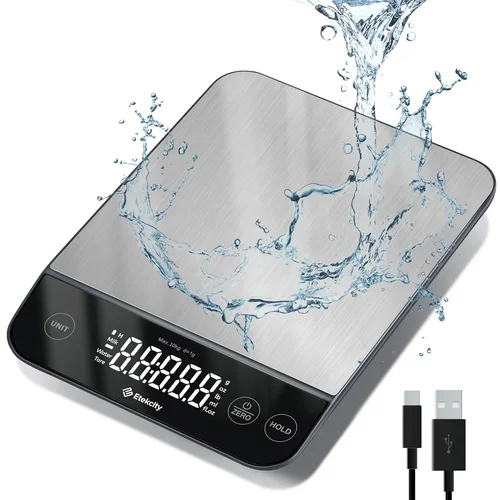
Kitchen scales have evolved far beyond simple weighing tools—they’re now essential kitchen companions that support precision, health, and independence, especially for older adults. For seniors, the right kitchen scale isn’t just about measuring ingredients; it’s about safety, ease of use, and confidence in the kitchen. Whether managing portion control for dietary needs, following medication-related nutrition plans, or simply enjoying home-cooked meals without strain, a well-designed scale can make all the difference. Unfortunately, many scales on the market today prioritize sleek design or advanced tech features over usability, leaving seniors frustrated by tiny buttons, dim displays, or confusing interfaces.
This guide is designed specifically with seniors in mind—people who value clarity, reliability, and simplicity above all else. We’ll walk you through everything you need to know to choose the best kitchen scale with a large LED display, focusing on features that truly matter: readability, tactile feedback, stability, and intuitive operation. You’ll learn how to avoid common pitfalls, understand what different price points deliver, and discover which models offer the perfect balance of functionality and accessibility. By the end, you’ll be equipped to make an informed decision that enhances your cooking experience—not complicates it.
The market for kitchen scales has expanded significantly in recent years, with options ranging from basic mechanical models under $15 to high-end digital scales with Bluetooth connectivity and app integration costing over $100. While innovation is exciting, not all advancements benefit older users. In fact, some “smart” features can create unnecessary complexity. Our goal is to cut through the noise and highlight scales that prioritize senior-friendly design—especially those with large, backlit LED displays that are easy to read from a distance or in low light. Whether you’re shopping for yourself or a loved one, this guide will help you find a scale that feels supportive, not overwhelming.

What to Look for When Buying Buying Guide
1. Large, High-Contrast LED Display
The single most important feature for seniors is a clear, legible display. As we age, vision naturally declines—conditions like presbyopia, cataracts, or macular degeneration can make small text nearly impossible to read. A large LED display with bold digits (at least 1 inch tall) and high contrast (black text on bright white or blue backlighting) ensures visibility from across the countertop, even in dim lighting. Look for scales that illuminate the screen automatically when in use and maintain brightness without flickering. Avoid models with gray or low-luminance screens, as they become illegible under kitchen lighting or sunlight glare.
2. Tactile, Well-Spaced Buttons
Arthritis, reduced dexterity, and hand tremors are common among older adults, making small, closely packed buttons a major usability hurdle. Opt for scales with large, rubberized buttons that require minimal pressure to activate. The tare (zero) button should be prominently placed and easy to press with a single finger or even the side of your hand. Avoid touch-sensitive or capacitive controls—they often fail to register input from dry or arthritic fingers. Physical buttons with audible or haptic feedback (a slight click or vibration) provide reassurance that your command was received.
3. Stable, Non-Slip Base and Platform
Stability is critical for both accuracy and safety. A wobbly or lightweight scale can tip over when placing heavy bowls or jars, potentially causing spills or injury. Choose models with a wide, weighted base and non-slip rubber feet that grip countertops securely. The weighing platform should be flat, level, and made of durable materials like stainless steel or reinforced plastic—materials that resist warping and are easy to clean. Avoid scales with narrow bases or flimsy construction, even if they’re cheaper. A stable scale reduces strain and prevents accidents during use.
4. Simple, Intuitive Interface
Complex menus, multiple modes, or hidden settings can confuse even tech-savvy users—let alone those who prefer straightforward tools. The ideal senior-friendly scale has minimal buttons (typically just power, tare, and unit toggle) and operates with clear, logical steps. For example, pressing “tare” should instantly reset the weight to zero so you can add ingredients without recalculating. Avoid scales that require holding buttons for seconds, navigating submenus, or syncing with apps unless absolutely necessary. Simplicity equals confidence.
5. Accurate and Consistent Measurements
Precision matters—especially for recipes requiring exact ratios (like baking) or for managing medical diets (such as low-sodium or diabetic meal plans). Look for scales with a high degree of accuracy, typically within ±1 gram for small measurements and consistent across the entire weight range. Check reviews for mentions of drift (inconsistent readings over time) or calibration issues. A good scale should maintain accuracy even after repeated use or temperature changes. Most reputable digital scales offer 0.1-gram resolution, which is more than sufficient for home cooking.
6. Multiple Unit Options (But Not Too Many)
Seniors often follow recipes from various sources—family cookbooks, online blogs, or international dishes—which may use ounces, grams, pounds, or milliliters. A scale that supports common units (grams, ounces, pounds, and fluid ounces for liquids) adds versatility without clutter. However, avoid models with excessive unit options (like grains, taels, or pennyweights), which only complicate the interface. The best scales allow quick toggling between 3–4 practical units via a dedicated button, with clear labels on the display.
7. Auto-Off and Battery Life
While auto-off conserves battery, it can be frustrating if it activates too quickly—especially during slow prep work. Look for scales with a reasonable auto-off timer (90–120 seconds) that gives you enough time to finish measuring without constant reactivation. Rechargeable models are convenient but may require frequent charging; AA or AAA battery-powered scales are often more reliable for occasional use. Check estimated battery life—some scales last months on a single set, while others drain in weeks. Low-battery indicators are also helpful to avoid mid-recipe shutdowns.
8. Easy Cleaning and Maintenance
Kitchen scales get messy—flour, oil, sugar, and moisture can seep into crevices and damage electronics. Choose models with sealed surfaces, removable platforms, or wipe-clean designs. Stainless steel platforms are ideal because they resist stains and can be rinsed under water (if the scale is rated water-resistant). Avoid scales with gaps around buttons or displays, as crumbs and liquids can accumulate there. A scale that’s easy to clean encourages regular use and prolongs its lifespan.
Different Types of Buying Guide

While mechanical scales eliminate battery concerns, their analog dials are often too small and lack backlighting—making them poor choices for seniors with vision issues. Smart scales offer impressive features but frequently rely on small touchscreens and complex setups that can overwhelm older users. For most seniors, the sweet spot lies in dedicated senior-friendly digital scales: they combine large displays, physical buttons, and reliable performance without unnecessary complications.
Common Buying Mistakes to Avoid
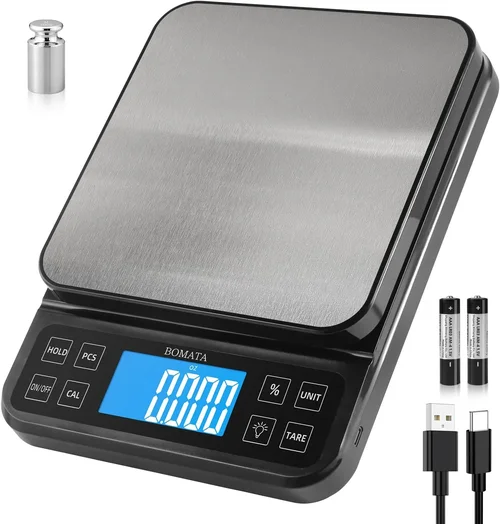
❌ Mistake: Prioritizing Style Over Functionality
Why it’s bad: Sleek, minimalist designs often sacrifice usability—tiny buttons, glossy surfaces that reflect light, and cramped displays may look modern but are impractical for daily use. A scale that looks good but is hard to operate defeats its purpose.
What to do instead: Focus on ergonomics first. Choose matte finishes that reduce glare, and prioritize models with generous spacing between controls. Function should always outweigh form.
❌ Mistake: Ignoring Display Readability in Real Conditions
Why it’s bad: A scale might look fine in a well-lit showroom but become unreadable under kitchen cabinets or near windows. Glare, ambient light, and viewing angle significantly impact legibility.
What to do instead: Read reviews that mention real-world visibility. If possible, test the scale in your own kitchen lighting. Look for anti-glare coatings and adjustable brightness if available.
❌ Mistake: Overbuying “Smart” Features
Why it’s bad: Bluetooth, app syncing, and voice control sound impressive but often require smartphones, Wi-Fi, or technical know-how. Many seniors find these features confusing or unnecessary for basic weighing tasks.
What to do instead: Stick to core functions unless you actively use nutrition-tracking apps. A simple, reliable scale is almost always better than a complicated one that goes unused.
❌ Mistake: Choosing Based Solely on Price
Why it’s bad: The cheapest scales often use low-quality sensors, flimsy materials, and dim displays. Conversely, premium prices don’t guarantee senior-friendly design—some high-end models are built for chefs, not everyday users.
What to do instead: Set a realistic budget ($35–$60 is ideal for most seniors) and compare features within that range. Value matters more than price alone.
❌ Mistake: Neglecting Weight Capacity
Why it’s bad: Some compact scales max out at 5–7 lbs, which isn’t enough for large pots, mixing bowls, or whole chickens. Running out of capacity mid-recipe is frustrating and unsafe.
What to do instead: Choose a scale with at least 11 lbs (5 kg) capacity. This accommodates most home cooking needs without sacrificing precision for smaller items.
❌ Mistake: Forgetting About Cleaning Ease
Why it’s bad: Scales with crevices, unsealed buttons, or non-removable platforms trap food particles and moisture, leading to mold, corrosion, or inaccurate readings over time.
What to do instead: Look for IPX-rated water resistance (even basic splash resistance helps) and smooth, seamless surfaces. Removable platforms are a huge plus.
❌ Mistake: Not Checking Return Policies
Why it’s bad: If a scale arrives defective or isn’t user-friendly, you’re stuck with it if the retailer doesn’t accept returns. This is especially risky when buying online.
What to do instead: Buy from retailers with generous return windows (30+ days) and free return shipping. Amazon, Bed Bath & Beyond, and Walmart typically offer flexible policies.
Budget Guidelines: How Much Should You Spend?
Entry-Level ($15–$30): These scales are functional but often cut corners on display size, button quality, and build materials. You’ll find basic digital models with small LCD screens (not LED), minimal unit options, and plastic platforms that scratch easily. While acceptable for occasional use, they’re rarely optimized for seniors. Expect shorter battery life and less accurate sensors. Only consider this tier if budget is extremely tight—and even then, look for refurbished or sale items from reputable brands.
Mid-Range ($35–$60): This is the sweet spot for most seniors. Scales in this range typically feature large LED displays, tactile buttons, stainless steel platforms, and reliable accuracy. Brands like OXO, Greater Goods, and Etekcity offer excellent options here. You’ll get 0.1g precision, multiple units, tare function, and stable bases—all without smart features that complicate use. Many include warranties of 1–2 years and come from companies with strong customer support.
Premium ($60–$90): Ideal for serious home cooks or those managing specific dietary needs (e.g., keto, renal diets). These scales often include higher weight capacities (up to 15 lbs), faster response times, and enhanced durability. Some offer dual displays (front and top), USB rechargeability, or calibration weights. While still senior-friendly, ensure the interface remains simple—don’t pay extra for features you won’t use.
Luxury ($90+): Reserved for enthusiasts or professionals, these scales may include app connectivity, nutritional databases, or precision down to 0.01g. However, they often rely on touchscreens, require smartphone pairing, or have steep learning curves. For most seniors, this tier is overkill—and potentially counterproductive. Only consider if you’re already comfortable with technology and need advanced tracking.

Expert Tips for Getting the Best Deal
1. Shop During Seasonal Sales: Kitchen scales often go on sale during Black Friday, Prime Day, and back-to-school periods (July–August). Retailers like Amazon, Target, and Kohl’s frequently discount mid-range models by 20–30%. Sign up for price alerts using tools like Honey or CamelCamelCamel to catch drops.
2. Buy from Senior-Focused Retailers: Stores like The Wright Stuff, RehabMart, or even large pharmacies (CVS, Walgreens) carry scales designed for older adults. Their staff are often trained to recommend accessible products, and return policies tend to be more flexible.
3. Read Verified Purchase Reviews: Focus on reviews from users who mention age, vision, or arthritis. Phrases like “easy to read,” “big buttons,” or “my mom loves it” are strong indicators of senior suitability. Avoid relying solely on star ratings—dig into the details.
4. Test Before Committing (If Possible): Visit local kitchen supply stores or senior centers that may have demo units. Handling the scale in person reveals issues like button stiffness or display glare that photos can’t show.
5. Check Warranty and Support: A 2-year warranty is standard for quality scales. Brands like OXO and Escali offer excellent customer service and often replace units without hassle. Avoid no-name brands with vague warranty terms.
6. Consider Refurbished or Open-Box: Certified refurbished scales from manufacturers (not third-party sellers) can save 20–40% and come with full warranties. Amazon Renewed and Best Buy Outlet are reliable sources.
7. Bundle with Other Kitchen Tools: Some retailers offer discounts when buying multiple items (e.g., scale + measuring cups). This can stretch your budget further while upgrading your entire toolkit.
8. Avoid Impulse Buys on Social Media: Flashy ads for “revolutionary” scales often highlight gimmicks over substance. Stick to trusted review sites and word-of-mouth recommendations.

Frequently Asked Questions
Q: Do I really need a digital scale, or will a mechanical one work?
A: Mechanical scales don’t require batteries and are always ready, but their dials are usually too small and lack backlighting—making them difficult for seniors with vision loss. Digital scales with large LED displays offer superior readability and precision, which is why they’re strongly recommended for older users.
Q: Can I use a kitchen scale for portion control?
A: Absolutely! Many seniors use scales to manage portion sizes for weight loss, diabetes, or heart-healthy diets. Measuring food by weight (rather than volume) is far more accurate—especially for items like nuts, cheese, or meat.
Q: Are waterproof scales necessary?
A: Full waterproofing (IP67 rating) is rare and usually unnecessary. However, splash resistance is valuable—spills happen! Look for scales with sealed buttons and wipeable surfaces. Avoid submerging any electronic scale unless explicitly rated for it.
Q: How often do I need to calibrate my scale?
A: Most digital scales self-calibrate or require calibration only if dropped or moved frequently. High-precision models may include calibration weights. For everyday use, monthly checks with a known weight (like a 1kg bag of sugar) are sufficient.
Q: What’s the difference between LCD and LED displays?
A: LED displays are brighter, consume less power, and offer better contrast—especially in low light. LCDs are cheaper but often dimmer and harder to read from an angle. For seniors, LED is the clear winner.
Q: Can I weigh liquids on a kitchen scale?
A: Yes! Most digital scales include a “fluid ounce” or “milliliter” mode that converts weight to volume based on water density. This is perfect for soups, sauces, or beverages. Just remember: this conversion is most accurate for water-based liquids.
Q: Will a large display make the scale bulky?
A: Not necessarily. Many modern scales integrate large displays without increasing overall size. Look for models with angled or elevated screens that improve visibility without taking up extra counter space.
Q: Are rechargeable scales worth it?
A: Rechargeable models reduce battery waste and are convenient if you cook daily. However, they require regular charging and may stop working if the battery dies mid-recipe. For occasional use, AA/AAA batteries are more reliable.
Q: How do I clean my scale safely?
A: Unplug or remove batteries first. Wipe the platform and body with a damp cloth and mild detergent. Never spray liquid directly onto the scale. For stainless steel platforms, a vinegar-water mix removes stubborn stains without damaging the surface.
Q: Can I use my scale outdoors or on uneven surfaces?
A: Kitchen scales are designed for flat, stable indoor surfaces. Using them on tile grout, wooden tables, or outdoors can cause inaccurate readings or damage. Always place on a level, hard surface for best results.
Our Final Recommendations
Best for Budget-Conscious Buyers: Greater Goods Digital Food Scale ($25–$30)
This scale punches above its price with a 2.3-inch LED display, responsive tactile buttons, and a 11-lb capacity. It’s lightweight yet stable, supports grams/ounces/pounds, and runs on two AAA batteries. While it lacks splash resistance, its simplicity and clarity make it ideal for seniors on a tight budget.
Best Overall Value: OXO Good Grips Stainless Steel Food Scale ($50)
A standout for seniors, this model features a massive 3-inch backlit LED display, oversized rubber buttons, and a removable stainless steel platform. The tare function works flawlessly, and the scale auto-offs after 4 minutes—long enough for most tasks. OXO’s reputation for durability and customer service adds peace of mind.
Best Premium Option: Etekcity Nutrition Scale ($70)
Designed with health in mind, this scale includes a large LED screen, 0.1g precision, and a companion app for tracking calories and macros. While the app is optional, the standalone operation is intuitive—perfect for tech-comfortable seniors managing dietary restrictions. The included calibration weight ensures long-term accuracy.
Best for Beginners: Escali Primo Digital Scale ($40)
With just two buttons and a crystal-clear display, the Escali Primo is as simple as it gets. It weighs up to 11 lbs, switches between units instantly, and has a low-profile design that’s easy to store. No frills, no confusion—just reliable performance for everyday cooking.
Best for Advanced Users: MyWeigh KD8000 ($90)
For seniors who bake frequently or need ultra-precise measurements, the KD8000 offers 0.1g accuracy, a 17-lb capacity, and a dual-display (front and top). The large tactile buttons and bright LED screen remain senior-friendly, while features like percentage weighing and hold function cater to experienced cooks.
Conclusion: Making the Right Choice
Choosing the right kitchen scale isn’t just about weighing ingredients—it’s about empowering independence, supporting health, and making time in the kitchen enjoyable rather than stressful. For seniors, the ideal scale combines a large, bright LED display with intuitive controls, stable construction, and reliable accuracy. It should feel like a helpful assistant, not a technological obstacle.
As you evaluate options, remember that the best scale is the one you’ll actually use. Don’t let flashy features or aggressive marketing sway you from what truly matters: clarity, comfort, and confidence. Prioritize your specific needs—whether that’s managing a medical diet, simplifying meal prep, or just reading measurements without squinting. And don’t hesitate to involve family members in the decision; sometimes a second opinion reveals details you might overlook.
Ultimately, investing in a senior-friendly kitchen scale is an investment in your quality of life. It’s a small tool with a big impact—one that supports healthier eating, reduces frustration, and keeps you cooking with joy. Take your time, compare carefully, and choose wisely. Your future self will thank you every time you step into the kitchen.