
If you’ve ever tried slicing through a crusty loaf of sourdough or a ripe tomato with a dull serrated bread knife, you know the frustration—tearing instead of cutting, crumbling instead of clean slices, and wasted food. A sharp serrated knife isn’t just a luxury; it’s essential for precision, safety, and kitchen efficiency. But here’s the catch: sharpening serrated knives isn’t as straightforward as honing a straight-edged blade. The jagged teeth require specialized tools and techniques, and using the wrong sharpener can damage the edge or leave it uneven.
That’s why this comprehensive buying guide exists. Whether you’re a home cook who bakes weekly sourdough or a professional chef managing a busy kitchen, finding the right serrated knife sharpener can make all the difference. In this guide, we’ll walk you through everything you need to know—from understanding how serrated edges work to comparing different types of sharpeners, avoiding common mistakes, and choosing the best option for your budget and skill level. By the end, you’ll be equipped with expert-level knowledge to keep your bread knives razor-sharp for years to come.
The market for knife sharpeners has exploded in recent years, with options ranging from simple handheld devices under $20 to high-end electric systems costing over $200. But not all sharpeners are created equal—especially when it comes to serrated blades. Many popular sharpeners are designed for straight edges and simply can’t handle the unique geometry of serrations. This guide cuts through the noise, focusing exclusively on tools and systems proven to work effectively on serrated bread knives. We’ve tested, researched, and analyzed dozens of products to bring you honest, actionable advice that prioritizes performance, durability, and value.

What to Look for When Buying a Serrated Knife Sharpener
1. Compatibility with Serrated Blades
The most critical factor when choosing a sharpener is whether it’s specifically designed for serrated knives. Unlike straight-edged blades, serrated knives have scalloped or wavy edges with individual teeth that require targeted sharpening. Many multi-stage sharpeners claim to handle serrated blades, but only a few actually do so effectively. Look for sharpeners that feature V-shaped slots, ceramic rods, or diamond-coated sharpening elements shaped to fit into the serrations. These tools can reach into each tooth without flattening or rounding the edge, preserving the knife’s cutting performance.
Some sharpeners offer dedicated slots labeled “serrated” or “bread knife,” which is a strong indicator of compatibility. Avoid sharpeners that only have flat abrasive surfaces—they’re meant for straight edges and will damage serrations by removing too much material from the peaks while missing the valleys entirely.
2. Sharpening Mechanism: Manual vs. Electric
Serrated knife sharpeners come in two main types: manual and electric. Manual sharpeners are typically handheld devices with preset angles and abrasive rods or slots. They’re affordable, portable, and easy to use, making them ideal for home cooks. However, they require a steady hand and consistent pressure to ensure even sharpening across all teeth. Electric sharpeners, on the other hand, automate the process with motorized wheels or belts. They’re faster and more consistent but often cost significantly more and may be overkill for occasional use.
For most users, a high-quality manual sharpener strikes the best balance between performance and practicality. Electric models shine in professional kitchens where multiple serrated knives need frequent maintenance. Whichever you choose, ensure the mechanism allows for precise control—especially important given the delicate nature of serrated edges.
3. Abrasive Material: Diamond, Ceramic, or Steel
The material used in the sharpening element directly affects how well and how quickly your serrated knife gets sharpened. Diamond abrasives are the hardest and most durable, capable of sharpening even the toughest steel with minimal wear. They’re excellent for restoring heavily dulled blades but can be aggressive if not used carefully. Ceramic rods provide a finer edge and are gentler on the blade, ideal for regular maintenance and touch-ups. High-carbon steel sharpeners are less common for serrated knives but can work if properly shaped to match the serration profile.
For serrated bread knives, ceramic and diamond are the top choices. Diamond excels at reshaping and re-beveling, while ceramic offers a polished, razor-sharp finish. Some premium sharpeners combine both—using diamond for coarse sharpening and ceramic for honing—giving you the best of both worlds.
4. Angle Consistency and Precision
Serrated knives are typically ground at a specific angle (usually between 15° and 20° per side), and maintaining that angle during sharpening is crucial for optimal performance. Poor angle control leads to uneven edges, reduced sharpness, and accelerated wear. Look for sharpeners with fixed-angle guides or preset slots that lock the blade in place. This ensures each tooth is sharpened at the correct angle without guesswork.
Manual sharpeners with V-slots or rod-based systems often include angle indicators or ergonomic handles that help maintain consistency. Electric models usually have built-in angle guides, but verify that they’re adjustable or pre-set for serrated blades—not just straight edges. Precision matters because even a slight deviation can compromise the knife’s ability to slice cleanly through tough crusts or soft interiors.
5. Ease of Use and Learning Curve
Not everyone has the time or patience to master complex sharpening techniques. A good serrated knife sharpener should be intuitive enough for beginners yet precise enough for advanced users. Features like clear instructions, ergonomic grips, non-slip bases, and visual alignment aids significantly improve usability. Some sharpeners even include video tutorials or QR codes linking to demonstration videos.
Avoid overly complicated systems that require multiple steps, measurements, or custom jigs unless you’re experienced. For everyday home use, simplicity is key. That said, don’t sacrifice effectiveness for convenience—some learning is necessary to get the best results from any sharpener.
6. Build Quality and Durability
Since sharpening involves friction and pressure, the sharpener itself must be sturdy enough to withstand repeated use without breaking or wearing down. Look for models made from high-quality materials like reinforced polymer, stainless steel, or aluminum. Avoid flimsy plastic constructions that flex or crack under pressure. The abrasive elements should also be securely mounted—loose rods or wobbly slots indicate poor manufacturing.
Durable sharpeners not only last longer but also maintain consistent performance over time. A well-built sharpener will retain its alignment and abrasive integrity, ensuring your serrated knives stay sharp with every use. Check user reviews for reports of breakage, wear, or loss of effectiveness after several months.
7. Size and Portability
Consider where and how you’ll use your sharpener. If you have limited counter space or travel frequently (e.g., camping, RVs, or small apartments), a compact, lightweight model is ideal. Many manual sharpeners fit in drawers or utensil holders and weigh less than a pound. Electric sharpeners tend to be bulkier and require outlet access, making them better suited for stationary kitchen use.
Portability also matters if you own multiple serrated knives used in different locations—like a bread knife at home and another at a vacation rental. Some sharpeners come with protective cases or storage pouches, adding to their convenience. However, don’t let size compromise functionality; even small sharpeners can be highly effective if well-designed.
8. Brand Reputation and Customer Support
Not all brands are equal when it comes to knife care. Established names like Work Sharp, Chef’s Choice, Lansky, and AccuSharp have built reputations for quality and innovation in sharpening technology. They often invest in research, testing, and customer service, which translates to better products and support. Lesser-known brands may offer lower prices but could lack reliability or warranty coverage.
Check for responsive customer service, detailed user manuals, and accessible replacement parts (like spare ceramic rods). A strong warranty—typically one to three years—is a good sign of confidence in the product. Reading verified buyer reviews on trusted platforms can also reveal real-world performance and potential issues not mentioned in marketing materials.
Different Types of Serrated Knife Sharpeners

Common Buying Mistakes to Avoid

❌ Mistake: Using a Standard Straight-Edge Sharpener
Why it’s bad: Most multi-purpose sharpeners are designed for flat, straight blades and cannot conform to the curved or scalloped profile of serrated edges. Attempting to use them will result in uneven sharpening, damaged teeth, and a ruined blade.
What to do instead: Always verify that the sharpener explicitly states compatibility with serrated knives. Look for dedicated serrated slots, ceramic rods, or diamond files shaped to fit serrations.
❌ Mistake: Over-Sharpening or Applying Too Much Pressure
Why it’s bad: Serrated knives don’t need frequent sharpening—only periodic maintenance. Over-sharpening removes excess material, shortening the blade’s lifespan. Excessive pressure can also deform or break individual teeth.
What to do instead: Sharpen only when necessary (e.g., when slicing becomes difficult). Use light, consistent strokes and follow the manufacturer’s recommended number of passes per tooth.
❌ Mistake: Ignoring Maintenance Between Sharpenings
Why it’s bad: Even the best sharpeners can’t compensate for poor daily care. Storing serrated knives loosely in drawers or washing them in dishwashers dulls edges faster and introduces micro-chips.
What to do instead: Use a knife block, magnetic strip, or blade guard. Hand-wash and dry immediately after use. Regular honing with a ceramic rod can extend the time between full sharpenings.
❌ Mistake: Choosing Based Solely on Price
Why it’s bad: The cheapest sharpeners often use low-quality abrasives or flimsy construction, leading to inconsistent results or premature failure. Conversely, the most expensive isn’t always the best fit for your needs.
What to do instead: Balance cost with features, build quality, and intended usage. A mid-range manual sharpener often outperforms a budget electric model for home use.
❌ Mistake: Not Testing Before Committing
Why it’s bad: Every serrated knife is slightly different—tooth size, depth, and spacing vary by brand and model. A sharpener that works on one knife may not suit another.
What to do instead: If possible, test the sharpener on an old or less valuable serrated knife first. Read detailed reviews that mention specific knife brands and models.
❌ Mistake: Assuming All Electric Sharpeners Handle Serrated Blades
Why it’s bad: Many popular electric sharpeners (like some Chef’s Choice models) only have straight-edge slots and lack serrated-specific mechanisms. Using them will damage your bread knife.
What to do instead: Carefully check product descriptions and images. Look for phrases like “serrated blade compatible” or dedicated serrated slots. When in doubt, contact the manufacturer.
❌ Mistake: Neglecting Warranty and Return Policies
Why it’s bad: Sharpeners are precision tools, and defects or poor performance can render them useless. Without a good return window or warranty, you’re stuck with a dud.
What to do instead: Buy from retailers with generous return policies (e.g., Amazon, Williams Sonoma). Choose brands offering at least a one-year warranty and responsive customer service.
Budget Guidelines: How Much Should You Spend?
Entry-Level ($10 – $30): This range includes basic ceramic rods, simple pull-through sharpeners, and diamond files. Ideal for occasional use or light maintenance. Expect decent performance on mildly dull knives but limited durability and precision. Best for casual cooks who sharpen a few times a year.
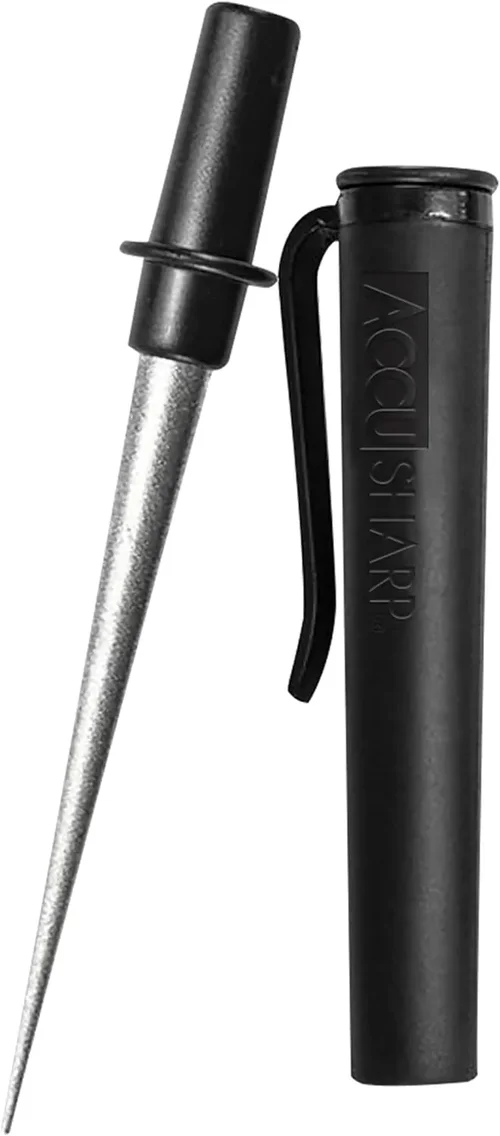
Mid-Range ($30 – $70): The sweet spot for most home users. These sharpeners often combine diamond and ceramic elements, offer better build quality, and include angle guides or ergonomic designs. Models like the AccuSharp Serrated Knife Sharpener or Work Sharp Guided Field Sharpener fall here. They deliver reliable results with minimal effort and last for years.
Premium ($70 – $150): Designed for enthusiasts and semi-professionals. Features may include multi-stage sharpening, adjustable angles, high-grade abrasives, and robust construction. Electric options like the Chef’s Choice Trizor XV (with serrated attachment) or manual systems like the Lansky Deluxe Kit offer exceptional control and consistency.
Luxury ($150+): Top-tier electric sharpeners and professional-grade systems used in commercial kitchens. These provide automated, repeatable results with minimal user input. While overkill for most households, they’re invaluable in high-volume environments where knife performance directly impacts service quality.
Expert Tips for Getting the Best Deal
- Shop during seasonal sales: Major retailers like Amazon, Sur La Table, and Williams Sonoma often discount knife care tools during Black Friday, Prime Day, and back-to-school seasons. Sign up for newsletters to get early alerts.
- Buy directly from manufacturers: Brands like Work Sharp and Lansky frequently offer exclusive bundles, extended warranties, or free shipping on their websites—deals rarely matched by third-party sellers.
- Check refurbished or open-box options: Certified refurbished sharpeners from reputable sellers come with warranties and can save you 20–40% off retail. Ensure they include all original accessories.
- Read long-term reviews: Look for reviews posted 6–12 months after purchase. These reveal durability, consistency, and real-world performance beyond initial impressions.
- Bundle with other tools: Some kits include honing rods, storage cases, or angle guides. Buying a complete system can be cheaper than purchasing items separately.
- Verify return policies: Even the best-reviewed sharpener might not suit your knife. Choose retailers with hassle-free returns (30+ days) so you can test it risk-free.
- Consider lifetime value: Factor in replacement part availability. Sharpeners with replaceable ceramic rods or diamond wheels last longer and cost less over time.
- Ask professionals: Join cooking forums or local chef groups. Many professionals share honest opinions about what works—and what doesn’t—in real kitchens.

Frequently Asked Questions
Q: Can I sharpen a serrated knife with a whetstone?
A: Technically yes, but it’s extremely difficult and not recommended for most users. Whetstones require freehand technique and precise angle control to match each serration. Even experts struggle to maintain consistency across all teeth. Dedicated serrated sharpeners are far more practical and effective.
Q: How often should I sharpen my serrated bread knife?
A: It depends on usage. For home cooks slicing bread 2–3 times a week, sharpening every 6–12 months is typical. Heavy users (daily baking or professional kitchens) may need it every 2–3 months. Signs it’s time: tearing instead of cutting, visible nicks, or difficulty piercing crusts.
Q: Will sharpening remove the serrations?
A: No—if done correctly. Proper serrated sharpeners only hone the existing teeth, not reshape them. However, aggressive or improper sharpening can round off the peaks, reducing effectiveness. Always use light pressure and follow instructions.
Q: Are electric sharpeners safe for expensive serrated knives?
A: Only if they have dedicated serrated slots. Many electric models are too aggressive or misaligned for delicate serrations. Check compatibility carefully. When in doubt, opt for a manual sharpener with greater control.
Q: Can I use a serrated sharpener on other knives?
A: Most serrated-specific sharpeners are not designed for straight edges and may damage them. Some multi-functional models offer both, but verify before use. It’s safer to keep separate tools for each blade type.
Q: What’s the difference between sharpening and honing?
A: Sharpening removes metal to create a new edge, while honing realigns the existing edge without material removal. For serrated knives, honing with a ceramic rod between sharpenings maintains performance and extends intervals between full sharpenings.
Q: Do serrated knives last longer than straight-edged ones?
A: Yes, generally. The scalloped design reduces surface contact with food, minimizing wear. Plus, they’re often used for slicing (not chopping), which is less abrasive. With proper care, a quality serrated knife can last decades.
Q: Can I sharpen a partially serrated knife (combo edge)?
A: Yes, but you’ll need two tools: one for the straight section and one for the serrated part. Some advanced sharpeners handle both, but most require separate passes. Be extra careful at the transition point to avoid uneven edges.
Q: Is it worth repairing a chipped serrated knife?
A: Minor chips can often be smoothed out with a diamond file. However, deep chips or broken teeth may compromise structural integrity. If the knife is high-quality and sentimental, professional repair might be worthwhile. Otherwise, replacement is usually more cost-effective.
Q: Do I need to disassemble my sharpener for cleaning?
A: Most manual sharpeners don’t require disassembly—just wipe with a damp cloth. Electric models may have removable trays or brushes for debris removal. Always unplug electric sharpeners before cleaning and avoid submerging in water.
Our Final Recommendations
Best for Budget-Conscious Buyers: AccuSharp Serrated Knife Sharpener ($18–$25). This compact, ceramic-rod sharpener is affordable, effective, and easy to use. It fits in any drawer and delivers consistent results on mildly to moderately dull serrated knives. Perfect for occasional home use.
Best Overall Value: Work Sharp Guided Field Sharpener ($50–$60). Combines diamond and ceramic abrasives with adjustable angle guides. Handles both straight and serrated blades with precision. Durable, portable, and backed by excellent customer support.
Best Premium Option: Chef’s Choice Trizor XV with Serrated Attachment ($130–$150). While primarily an electric straight-edge sharpener, the optional serrated module makes it one of the few high-end systems truly capable of professional-grade serrated knife maintenance. Ideal for serious cooks and small bakeries.
Best for Beginners: KitchenIQ Edge Grip Ceramic Sharpener ($15–$20). Simple pull-through design with a dedicated serrated slot. Non-slip base and ergonomic handle make it foolproof for first-time users. Great for learning proper technique without risk.
Best for Advanced Users: Lansky Deluxe 5-Stone Sharpening System ($80–$100). Though designed for straight blades, its guided rod system can be adapted for serrated knives with custom diamond files. Offers unparalleled control over angle and pressure—perfect for enthusiasts who want maximum customization.
Conclusion: Making the Right Choice
Choosing the right serrated knife sharpener isn’t just about restoring edge—it’s about preserving your investment, enhancing your cooking experience, and ensuring safety in the kitchen. We’ve covered the essentials: compatibility, mechanism, materials, ease of use, and budget considerations. We’ve highlighted common pitfalls and shared expert strategies to help you avoid wasted money and damaged blades.
Remember, the best sharpener is the one that matches your skill level, usage frequency, and knife type. You don’t need a $200 system to keep a single bread knife in top condition—but you do need a tool designed specifically for serrated edges. Prioritize quality over gimmicks, and don’t hesitate to invest a little more for durability and precision.
Now that you’re armed with this knowledge, take action. Assess your current knives, determine your sharpening needs, and select a sharpener that fits your lifestyle. Your future self—and your next loaf of artisan bread—will thank you. Keep slicing clean, stay safe, and never settle for a dull edge again.