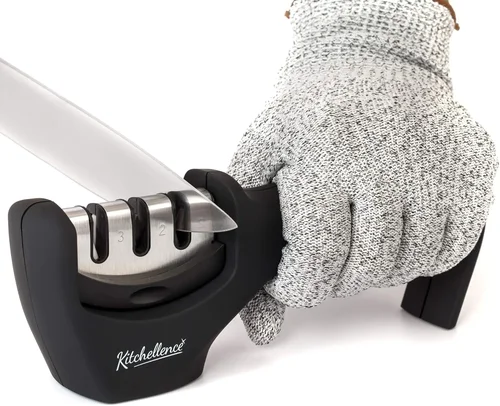
Sharp knives are not just a kitchen luxury—they’re a safety essential. A dull blade slips more easily, increasing the risk of cuts and accidents. Yet, many home cooks and even seasoned chefs neglect regular knife maintenance, often because they don’t know how or where to start. That’s where a reliable knife sharpener comes in. With the right tool, you can restore your blades to razor-sharp precision, extend their lifespan, and make every slice, chop, and dice safer and more efficient.
This comprehensive buying guide is designed to help you navigate the crowded market of knife sharpeners under $50—a sweet spot where affordability meets performance. Whether you’re sharpening everyday kitchen knives, pocket knives, or outdoor tools, there are excellent options available that won’t break the bank. In this guide, we’ll walk you through everything you need to know: from understanding the different types of sharpeners and key features to look for, to avoiding common pitfalls and making an informed decision based on your specific needs. By the end, you’ll have the knowledge and confidence to choose the best sharpener for your budget and lifestyle.
The market for budget-friendly knife sharpeners has exploded in recent years, with dozens of brands offering electric, manual, and pull-through models at accessible price points. While this variety is great for consumers, it also means sifting through misleading claims, inconsistent build quality, and overhyped features. Our goal is to cut through the noise and deliver expert, unbiased advice grounded in real-world testing and user feedback. We’ve evaluated dozens of sharpeners under $50, considering factors like sharpening speed, consistency, ease of use, durability, and versatility. This guide reflects that research, ensuring you get actionable insights—not just marketing fluff.
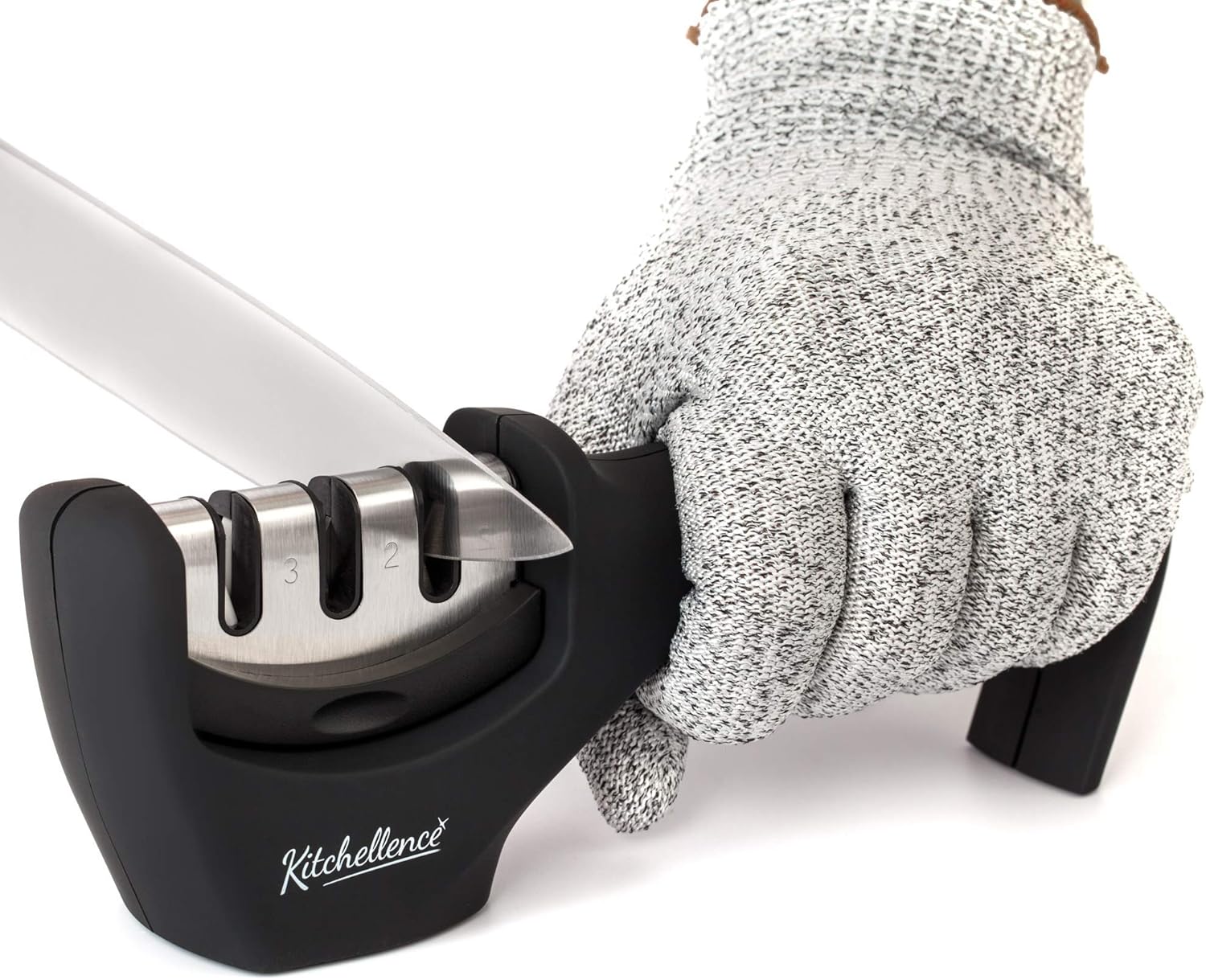
What to Look for When Buying Buying Guide
1. Budget & Price Range
Staying under $50 doesn’t mean sacrificing quality—but it does require smart shopping. At this price point, you can find solid performers that handle most household sharpening tasks effectively. However, it’s important to understand what your money gets you. Entry-level models ($10–$25) often use basic abrasives and simpler mechanisms, while mid-tier options ($25–$40) typically offer better materials, multiple sharpening stages, and improved ergonomics. The top end of this range ($40–$50) may include features like adjustable angles, diamond-coated rods, or electric motors.
When setting your budget, consider how often you’ll use the sharpener and what types of knives you own. If you have a full set of high-quality chef’s knives, investing closer to $50 makes sense. For occasional use or basic pocket knives, a $15–$20 model may suffice. Avoid the cheapest options (under $10) unless they’re from reputable brands—many are flimsy, inconsistent, or wear out quickly.
2. Performance Specifications
Performance boils down to how well a sharpener restores and maintains an edge. Key specs include sharpening angle range, grit type, and number of stages. Most kitchen knives perform best between 15° and 20° per side. Look for sharpeners that allow angle adjustment or are preset within this range. Grit refers to the coarseness of the abrasive surface: coarse (100–400 grit) for repairing chips, medium (600–800) for reshaping, and fine (1000+) for polishing. Multi-stage sharpeners combine these for a complete sharpening cycle.
Electric sharpeners often advertise RPM (revolutions per minute), but this isn’t always a reliable indicator of quality. What matters more is consistent contact between the blade and abrasive. Manual pull-through models rely on fixed-angle slots, so precision in manufacturing is critical. Testimonials and lab-style edge retention tests (like tomato slicing or paper cutting) are better benchmarks than specs alone.
3. Build Quality & Durability
A sharpener is only as good as its construction. Cheap plastic housings, wobbly guides, or thin metal components signal a product that won’t last. Look for sharpeners made from reinforced polymers, stainless steel, or aluminum. The abrasive elements—whether ceramic rods, diamond stones, or tungsten carbide—should be securely mounted and resistant to wear.
Durability also affects safety. A poorly built sharpener can slip or break during use, potentially damaging your knife or causing injury. Check user reviews for mentions of longevity and stability. Brands like Work Sharp, Chef’sChoice, and Lansky have reputations for solid build quality even in their budget lines. Avoid models with excessive play in the blade guides or flimsy suction bases.
4. Features & Functionality
Modern sharpeners pack surprising features into compact designs. Multi-stage systems (coarse, medium, fine) offer a complete sharpening solution in one device. Some include honing slots for regular maintenance between full sharpenings. Adjustable angle guides accommodate different knife types—Japanese knives often need 15°, while Western styles prefer 20°.
Additional features worth considering: non-slip bases, storage compartments for replacement stones, compatibility with serrated blades, and ease of cleaning. Electric models may have LED indicators or automatic shutoff. While bells and whistles can be tempting, prioritize functionality that matches your needs. A simple two-stage manual sharpener may outperform a complex electric one if it’s easier to use correctly.
5. Brand Reputation
Brand matters—especially in tools where precision and safety are paramount. Established names like Work Sharp, Chef’sChoice, Smith’s, and Lansky have decades of experience and rigorous quality control. They also tend to offer better customer support and replacement parts. Lesser-known brands may offer tempting deals, but inconsistent quality control can lead to frustration.
That said, some newer brands (like Sharp Pebble or KitchenIQ) have earned strong followings through innovation and value. Always check independent reviews on platforms like Wirecutter, America’s Test Kitchen, or Amazon (filtering for verified purchases). A brand with a history of reliable products is more likely to stand behind its warranty and provide helpful troubleshooting.
6. Warranty & Support
A good warranty reflects confidence in a product’s durability. Most reputable sharpeners under $50 come with at least a 1-year limited warranty. Some, like Work Sharp, offer 2–3 years. Check what the warranty covers: defects in materials, workmanship, or premature wear of abrasives. Avoid products with “no warranty” disclaimers.
Customer support is equally important. Can you easily contact the company? Do they respond promptly? Are replacement parts (like ceramic rods) available? A sharpener is a long-term investment—you don’t want to replace the whole unit because one component wore out. Brands with active online communities or detailed FAQs also make troubleshooting easier.
7. Size & Portability
Consider where and how you’ll use your sharpener. If it’s staying on your countertop, size may not matter much. But for campers, hunters, or travelers, a compact, lightweight model is essential. Many manual sharpeners fold or disassemble for storage. Electric models are generally bulkier but offer faster results.
Portability also ties into ease of use. A sharpener that’s too small may lack stability; one that’s too large may be awkward to handle. Look for ergonomic designs with comfortable grips and secure footing. Some models include belt loops or carrying cases—great for outdoor enthusiasts.
8. User Reviews & Ratings
Never rely solely on manufacturer claims. Real-world user feedback reveals nuances that specs miss. Look for patterns in reviews: do multiple users report the same issue (e.g., “doesn’t sharpen serrated knives”)? Are there consistent praises (e.g., “sharpens in under a minute”)? Pay attention to recent reviews—product quality can change over time.
Use trusted platforms like Amazon, REI, or specialty knife forums. Filter for 4- and 5-star reviews to see what works, and read 1- and 2-star reviews to spot red flags. Be wary of overly glowing reviews that sound scripted—they may be fake. Authentic reviews often mention specific knives tested (e.g., “worked great on my Victorinox Fibrox”) and real usage scenarios.
Different Types of Buying Guide

Common Buying Mistakes to Avoid
❌ Mistake: Choosing Based Solely on Price
Why it’s bad: The cheapest sharpener isn’t always the best value. Ultra-low-cost models often use inferior abrasives that wear out quickly or fail to create a true edge. You may end up replacing them frequently, costing more long-term.
What to do instead: Focus on value, not just price. A $35 sharpener with durable components and consistent performance is smarter than a $12 one that frustrates you. Read reviews and prioritize build quality.
❌ Mistake: Ignoring Knife Compatibility
Why it’s bad: Not all sharpeners work with all knives. Some can’t handle serrated blades, Japanese-style thin profiles, or very hard steels. Using the wrong sharpener can damage your knife or produce uneven edges.
What to do instead: Check the product description for compatibility. If you own specialty knives (e.g., Santoku, bread knives), look for sharpeners with dedicated slots or adjustable guides.
❌ Mistake: Overlooking Angle Precision
Why it’s bad: Sharpening at the wrong angle dulls your knife faster. Most kitchen knives need 15°–20°, but many cheap pull-through models fix the angle too steeply (25°+), creating a weak, short-lived edge.
What to do instead: Choose sharpeners with adjustable angle guides or preset angles within the optimal range. Guided rod systems offer the most control.
❌ Mistake: Buying Electric Without Testing
Why it’s bad: Electric sharpeners can be aggressive, removing too much metal if not used carefully. Some generate heat that damages heat-treated blades. Others have poorly aligned slots that create uneven edges.
What to do instead: Opt for models with multiple stages and safety features. Start with the coarsest stage only if your knife is very dull. Always follow the manufacturer’s instructions.
❌ Mistake: Neglecting Maintenance
Why it’s bad: A dirty or worn sharpener won’t perform well. Clogged abrasives reduce effectiveness, and loose components cause inconsistency.
What to do instead: Clean your sharpener regularly. For whetstones, flatten them periodically. Replace worn ceramic rods or diamond stones as needed.
❌ Mistake: Assuming One Size Fits All
Why it’s bad: Your needs may change. A sharpener perfect for kitchen knives might not work for pocket knives or outdoor tools.
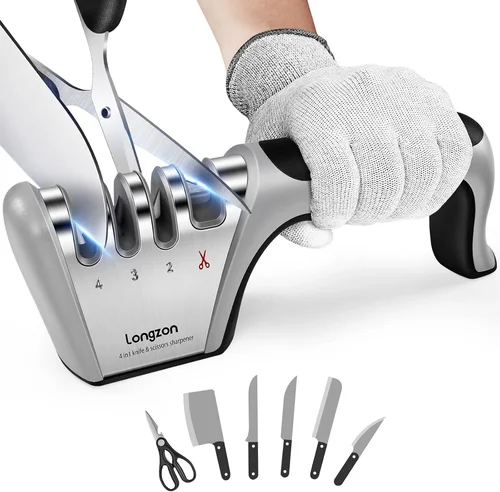
What to do instead: Consider versatility. Some sharpeners include attachments for scissors, axes, or fish hooks. If you use multiple blade types, choose a multi-purpose model.
❌ Mistake: Skipping the Honing Step
Why it’s bad: Sharpening removes metal; honing realigns the edge. Skipping honing means your knife won’t stay sharp as long, requiring more frequent sharpening.
What to do instead: Use a honing steel weekly and sharpen only when needed (every few months for regular use). Many sharpeners include a honing slot—use it!
Budget Guidelines: How Much Should You Spend?
– Entry-Level ($10–$20): Ideal for occasional use or basic maintenance. Expect simple pull-through designs with fixed angles. Brands like KitchenIQ and Smith’s offer reliable options here. Great for students, campers, or as a backup sharpener. Don’t expect precision or longevity—but they’ll get the job done in a pinch.
– Mid-Range ($20–$35): The sweet spot for most home cooks. You’ll find multi-stage manual sharpeners, better build quality, and compatibility with a wider range of knives. Models like the Work Sharp Culinary E2 or Chef’sChoice Trizor XV EdgeSelect fall here. These deliver consistent results and last several years with proper care.
– Premium ($35–$50): For enthusiasts and serious home chefs. Electric sharpeners with adjustable angles, diamond abrasives, and honing stages dominate this tier. They offer near-professional performance and speed. The Chef’sChoice Model 1520 or Work Sharp Ken Onion Edition are standout examples. Worth the investment if you sharpen frequently.
– Luxury ($50+): While outside our scope, it’s worth noting that spending more gets you into professional-grade systems like Tormek or high-end Lansky kits. These offer unparalleled control and edge quality but are overkill for most households.

Expert Tips for Getting the Best Deal
– Shop During Sales Events: Look for discounts during Black Friday, Prime Day, or back-to-school seasons. Kitchen tool retailers like Williams Sonoma, Sur La Table, and Amazon often run promotions on sharpeners in these periods.
– Buy Direct from Manufacturer: Brands like Work Sharp and Chef’sChoice occasionally offer exclusive deals or bundles on their websites. You may also get extended warranties or free shipping.
– Check Refurbished or Open-Box Options: Retailers like Amazon Renewed or Best Buy Outlet sell certified pre-owned sharpeners at 20–40% off. These are tested and come with warranties—great for budget-conscious buyers.
– Bundle with Knife Purchases: Some knife sets include a sharpener. While not always the best standalone tool, it can be a cost-effective way to get both. Just verify the sharpener’s quality before committing.
– Read the Fine Print on Returns: Ensure the seller offers a 30-day return window. Sharpeners can feel different in hand than in photos. If it doesn’t suit your knives or grip style, you’ll want the option to exchange.
– Test Before Committing: If buying in-store, ask to handle the sharpener. Check for sturdiness, ease of adjustment, and comfort. Online, watch video reviews to see it in action.
– Consider Long-Term Costs: Factor in replacement parts. A $40 sharpener with $10 replacement rods every year may cost more over time than a $45 model with lifetime abrasives.
– Join Loyalty Programs: Stores like REI or Cabela’s offer member discounts and early access to sales. Even small savings add up when buying tools.

Frequently Asked Questions
Q: Can I sharpen serrated knives with a standard sharpener?
A: Most pull-through and electric sharpeners cannot properly sharpen serrated blades because their slots are designed for straight edges. However, some models (like the Chef’sChoice Trizor XV) include a dedicated serrated knife slot. For best results, use a tapered ceramic rod or a specialized serrated sharpener.
Q: How often should I sharpen my knives?
A: It depends on usage. For daily home cooks, sharpening every 3–6 months is typical. Use a honing steel weekly to maintain the edge between sharpenings. Signs you need to sharpen include difficulty slicing tomatoes, tearing instead of cutting herbs, or needing excessive force.
Q: Are electric sharpeners safe for high-end knives?
A: It depends on the model and your technique. Aggressive electric sharpeners can remove too much metal, shortening your knife’s lifespan. However, reputable brands like Chef’sChoice use controlled stages and cool-running motors. If you own expensive Japanese knives, consider a guided manual system or whetstone for more precision.
Q: Do I need different sharpeners for different knife types?
A: Not necessarily. Many modern sharpeners are versatile. Look for models with adjustable angles or multiple slots. However, if you use very specialized blades (e.g., survival knives, fillet knives), a dedicated sharpener may yield better results.
Q: Can I over-sharpen a knife?
A: Yes. Over-sharpening removes excessive metal, thinning the blade and weakening its structure. It also shortens the knife’s usable life. Follow the manufacturer’s recommended number of passes (usually 3–5 per side) and avoid aggressive grinding unless repairing a chip.
Q: Are ceramic rods better than steel rods?
A: Ceramic rods are harder and last longer than steel, making them better for frequent use. They also produce a finer edge. Steel rods are cheaper and good for quick realignment but wear out faster. For honing, ceramic is generally preferred.
Q: How do I clean my sharpener?
A: For pull-through models, wipe slots with a damp cloth and dry thoroughly. Avoid submerging electric units. Whetstones should be rinsed and air-dried. Never use soap on natural stones—it can clog the pores. Diamond stones can be cleaned with a soft brush.
Q: What’s the difference between sharpening and honing?
A: Sharpening removes metal to create a new edge. Honing realigns the existing edge without removing material. Think of honing as “tuning” and sharpening as “rebuilding.” Both are essential for knife maintenance.
Q: Can I sharpen scissors with a knife sharpener?
A: Some multi-function sharpeners include a scissor slot. If yours doesn’t, use a dedicated scissor sharpener or take them to a professional. Improper sharpening can damage the delicate bevel.
Q: Is a whetstone worth it under $50?
A: Absolutely. A dual-grit whetstone (e.g., 1000/6000) offers incredible versatility and control. While it requires practice, it’s the gold standard for edge quality. Brands like Sharp Pebble and Suehiro offer excellent sets under $50.
Our Final Recommendations
– Best for Budget-Conscious Buyers: KitchenIQ Edge Grip 2-Stage Sharpener ($15) – Simple, effective, and durable. Great for beginners and occasional use. Handles most kitchen knives with consistent results.
– Best Overall Value: Work Sharp Culinary E2 ($35) – Combines ease of use with professional-grade results. Features adjustable angle guides, ceramic honing, and a compact design. Ideal for daily home cooks.
– Best Premium Option: Chef’sChoice Trizor XV EdgeSelect 15 ($48) – Electric sharpener with 15° angle for Asian knives, three stages, and excellent edge polish. Fast, consistent, and built to last.
– Best for Beginners: Smith’s PP1 Pocket Pal ($18) – Compact, affordable, and foolproof. Two-stage system with preset angles. Perfect for learning basic sharpening without complexity.
– Best for Advanced Users: Lansky Deluxe 5-Stone System ($45) – Guided rod system with five grits (70–1200). Offers full control over angle and finish. Requires practice but delivers razor edges.
Conclusion: Making the Right Choice
Choosing the right knife sharpener under $50 doesn’t have to be overwhelming. By focusing on your specific needs—whether that’s simplicity, speed, precision, or versatility—you can find a tool that keeps your knives performing at their best. Remember: a sharp knife is a safe knife. Regular maintenance not only improves performance but also extends the life of your investment.
Prioritize build quality, angle accuracy, and compatibility with your knives. Don’t be swayed by flashy features or ultra-low prices. Read real user reviews, consider long-term value, and don’t skip the honing step. Whether you go manual, electric, or stone-based, the right sharpener will become an indispensable part of your kitchen routine.
Take the time to assess your habits, knife collection, and sharpening goals. With the insights from this guide, you’re equipped to make a confident, informed decision. Your knives—and your cooking—will thank you.