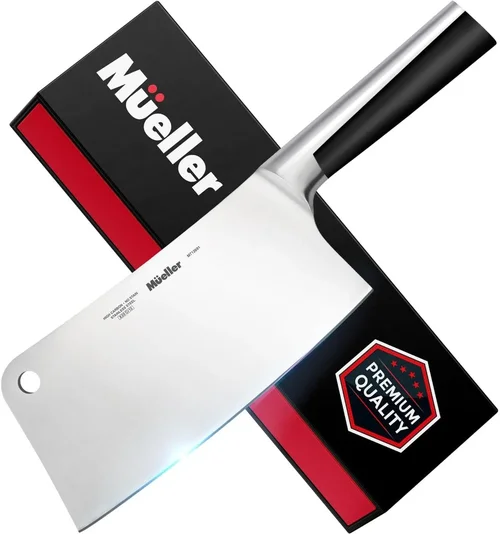
Cutting through bone is not a task for the faint of heart—or the ill-equipped. Whether you’re a home cook preparing a hearty stew with chicken backs, a weekend warrior breaking down a whole chicken, or a professional butcher processing larger cuts of meat, having the right tool makes all the difference. A standard chef’s knife might handle vegetables and boneless meats with grace, but when it comes to cleaving through joints, ribs, or even small animal bones, you need something far more robust: a bone cleaver. These heavy-duty knives are engineered for power, precision, and durability, transforming what could be a frustrating, dangerous chore into a controlled, efficient process.
This comprehensive buying guide is designed to help you navigate the often-overwhelmng world of bone cleavers. With dozens of options on the market—ranging from budget-friendly imports to hand-forged Japanese masterpieces—it’s easy to get lost in the details. Our goal is to arm you with expert-level knowledge so you can make a confident, informed decision based on your specific needs, skill level, and budget. We’ll break down the critical factors to consider, compare different types of cleavers, highlight common pitfalls, and offer actionable tips to ensure you get the best possible value. Whether you’re a beginner looking for your first cleaver or a seasoned pro upgrading your toolkit, this guide will serve as your definitive resource.
The market for bone cleavers has evolved significantly in recent years. Traditional Western-style meat cleavers remain popular for their brute strength and versatility, while Japanese deba and gyuto cleavers have gained traction among chefs who value precision and craftsmanship. Meanwhile, hybrid designs and modern materials like high-carbon stainless steel and ergonomic handles are bridging the gap between form and function. With options spanning from under $30 to well over $300, there’s a cleaver for every kitchen—but not every cleaver is right for every user. Understanding the nuances of blade geometry, handle comfort, weight distribution, and maintenance requirements is essential to finding the perfect match.

What to Look for When Buying Buying Guide
1. Blade Material and Steel Type
The foundation of any great cleaver lies in its blade material. The type of steel used directly impacts edge retention, sharpness, resistance to corrosion, and ease of sharpening. For bone-cutting tasks, you need a blade that’s both hard enough to maintain a sharp edge through repeated impacts and tough enough to resist chipping or cracking under stress.
High-carbon stainless steel is widely regarded as the gold standard for bone cleavers. It combines the edge-holding ability of high-carbon steel with the rust resistance of stainless steel—making it ideal for wet, messy kitchen environments. Popular alloys include VG-10, AUS-10, and X50CrMoV15. These steels offer excellent balance between hardness (typically 56–60 HRC on the Rockwell scale) and toughness. Avoid low-quality carbon steels unless you’re prepared to oil and maintain them meticulously; they’ll rust quickly and may develop pits if left wet.
Some premium cleavers use powdered metallurgy steels like SG2 or R2, which offer superior wear resistance and fine grain structure—but at a significantly higher price point. While these are fantastic for professional use, they may be overkill for casual home cooks. On the flip side, budget cleavers often use 420J2 or similar low-alloy stainless steels, which are softer and dull faster but are easier to sharpen and more forgiving for beginners.
2. Blade Thickness and Weight
When it comes to cutting bone, mass matters. A heavier, thicker blade delivers more kinetic energy with each swing, allowing it to power through dense material with less effort. Most effective bone cleavers weigh between 10 and 16 ounces (280–450 grams), with blade thicknesses ranging from 3mm to 6mm near the spine.
Thicker blades (5–6mm) are ideal for breaking down poultry, pork ribs, or small game bones. They provide the heft needed to split joints cleanly without getting stuck. However, they can feel cumbersome for detailed work like trimming fat or scoring meat. Thinner blades (3–4mm) offer better maneuverability and are suitable for lighter bone work—such as slicing through fish spines or chicken wings—but may flex or chip when used on thicker bones.
Weight distribution is equally important. A well-balanced cleaver should feel stable in your hand, with the center of gravity slightly forward of the handle. This forward weight bias helps drive the blade through resistance without requiring excessive wrist force. Test the balance by holding the cleaver at the handle’s midpoint—if the blade dips noticeably, it’s too front-heavy; if it floats upward, it lacks sufficient mass for bone work.
3. Blade Shape and Geometry
Not all cleavers are created equal in terms of shape. The geometry of the blade determines how it interacts with bone, meat, and your cutting surface. The two most common styles are the Western rectangular cleaver and the Japanese deba (rectangular with a curved edge).
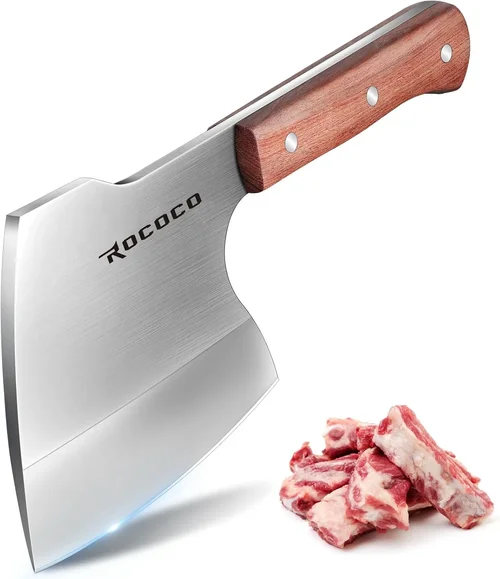
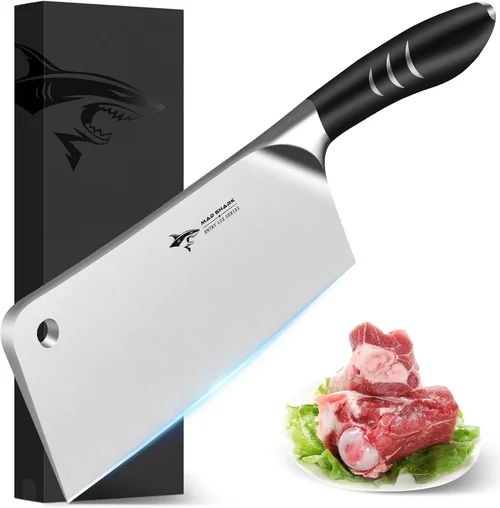
Western cleavers typically feature a broad, rectangular blade with a straight or slightly curved edge. This design allows for powerful downward chops and makes them excellent for splitting large bones or crushing garlic. The flat profile also enables you to use the side of the blade to transfer chopped meat to a bowl—a handy feature in busy kitchens.
Japanese deba cleavers, on the other hand, have a thicker spine, a pronounced curve toward the tip, and a single-bevel edge (though double-bevel versions exist). This curvature facilitates a rocking motion, making them efficient for precision cuts on fish and poultry. However, their asymmetry can be challenging for left-handed users, and the thick heel may not glide smoothly over cutting boards.
Another consideration is the presence of a Granton edge—small scallops along the blade that reduce friction and prevent food from sticking. While common on slicing knives, Granton edges are rare on bone cleavers because they weaken the blade’s structural integrity. Stick to solid, un-scalloped blades for bone work.
4. Handle Design and Ergonomics
A cleaver’s handle is your connection to the blade—and during intense chopping sessions, comfort and control are paramount. Poorly designed handles can lead to hand fatigue, slippage, or even injury. Look for handles made from durable, non-slip materials such as Pakkawood, G-10, or high-quality polymer composites. Avoid pure wood handles unless they’re sealed properly; untreated wood absorbs moisture and can warp or crack over time.
Ergonomics play a crucial role, especially for users with smaller hands or arthritis. A contoured handle with finger grooves provides better grip and reduces strain during repetitive motions. The handle should also extend slightly beyond the blade’s base to protect your knuckles from hitting the cutting board—a feature known as a “knuckle guard” or “finger guard.”
Length matters too. Handles ranging from 4.5 to 5.5 inches accommodate most hand sizes comfortably. Shorter handles offer more control for precise tasks, while longer ones provide leverage for heavy chopping. Some cleavers come with textured or rubberized grips for added security, particularly useful when hands are wet or greasy.
5. Edge Type: Single vs. Double Bevel
The edge configuration of a cleaver affects its cutting performance and ease of use. Most Western cleavers feature a double-bevel edge—meaning both sides of the blade are sharpened symmetrically. This design is ambidextrous, easy to maintain, and ideal for chopping, slicing, and rocking motions.
Japanese cleavers, particularly deba, often use a single-bevel edge, where only one side is sharpened. This creates an extremely sharp, precise edge perfect for clean cuts through fish bones and cartilage. However, single-bevel knives require specialized sharpening techniques and are less versatile for general kitchen tasks. They also tend to pull to one side during cutting, which can be disorienting for beginners.
For most home cooks, a double-bevel cleaver is the safer, more practical choice. It’s easier to sharpen with standard tools (like whetstones or pull-through sharpeners) and performs well across a variety of tasks. Reserve single-bevel cleavers for those committed to traditional Japanese knife skills or working primarily with seafood.
6. Maintenance and Sharpening Requirements
A cleaver that’s difficult to maintain will quickly become dull and unsafe. Consider how much time and effort you’re willing to invest in upkeep. High-carbon stainless steel blades hold an edge longer but still require regular honing and occasional sharpening. Look for cleavers that can be sharpened at a 15–20 degree angle per side—this range offers a good compromise between sharpness and durability.
Avoid cleavers with overly hard steel (above 62 HRC) unless you have experience with advanced sharpening tools. Extremely hard blades are brittle and prone to chipping, especially when striking bone. Conversely, very soft blades (below 54 HRC) dull quickly and require frequent resharpening.
Also consider whether the cleaver is dishwasher-safe. While convenient, dishwashers expose blades to harsh detergents and high heat, which can degrade steel and damage handles. Hand washing with mild soap and immediate drying is always recommended. Some manufacturers offer rust-resistant coatings or patina-friendly finishes (like blue steel), which can simplify maintenance.
7. Brand Reputation and Craftsmanship
Not all cleavers are built to the same standards. Reputable brands invest in quality control, material sourcing, and design refinement. Established names like Wüsthof, Zwilling J.A. Henckels, Global, and Shun have decades of experience producing reliable, high-performance knives. Their cleavers often undergo rigorous testing and come with strong warranties.
That said, lesser-known brands and artisanal makers can offer exceptional value—especially in the mid-range price bracket. Look for companies that provide detailed specifications (steel type, hardness, origin) and transparent manufacturing processes. Reading user reviews and watching video demonstrations can also give insight into real-world performance.
Beware of “bargain” cleavers sold on flash sale sites or marketplaces with no brand identity. These are often mass-produced with inferior materials and poor heat treatment, leading to premature failure. If a deal seems too good to be true, it probably is.
8. Warranty and Customer Support
A solid warranty is a strong indicator of a manufacturer’s confidence in their product. Most reputable brands offer limited lifetime warranties covering defects in materials and workmanship. Some even include free sharpening services or replacement parts.
Before purchasing, check the warranty terms: Does it cover chipping or cracking from normal use? Is accidental damage included? Can you easily contact customer service? A responsive support team can save you time and money if issues arise.
Additionally, consider return policies. Many online retailers offer 30-day return windows, allowing you to test the cleaver in your own kitchen. This is especially valuable when buying high-end models, as personal comfort and balance are subjective.
Different Types of Buying Guide

Common Buying Mistakes to Avoid
❌ Mistake: Choosing Based Solely on Price
Why it’s bad: Opting for the cheapest cleaver available often leads to disappointment. Low-cost models frequently use soft steel, poor heat treatment, and flimsy handles that break under pressure. You’ll end up replacing it within months—costing more in the long run.
What to do instead: Set a realistic budget based on your usage frequency. Even a mid-range cleaver ($60–$100) will outperform most budget options and last years with proper care.
❌ Mistake: Ignoring Handle Comfort
Why it’s bad: A slippery or poorly shaped handle increases the risk of accidents, especially when hands are wet or greasy. Hand fatigue can also set in quickly during extended prep sessions.
What to do instead: Prioritize ergonomics. Look for textured, contoured handles made from moisture-resistant materials. If possible, test the cleaver in-store or read detailed reviews about grip comfort.
❌ Mistake: Overlooking Maintenance Needs
Why it’s bad: Assuming a cleaver is “maintenance-free” leads to dull blades and unsafe cutting conditions. Dull cleavers require more force, increasing the chance of slips and injuries.
What to do instead: Choose a cleaver with steel that matches your sharpening skills. Invest in a good whetstone or honing rod, and commit to regular upkeep.
❌ Mistake: Buying a Single-Bevel Cleaver as a Beginner
Why it’s bad: Single-bevel knives require specialized sharpening knowledge and can feel unbalanced or awkward for new users. They’re also less versatile for everyday tasks.
What to do instead: Start with a double-bevel Western cleaver. Once you’ve mastered basic techniques, you can explore Japanese styles if desired.
❌ Mistake: Neglecting Weight and Balance
Why it’s bad: A cleaver that’s too light won’t cut through bone efficiently; one that’s too heavy causes fatigue and reduces control.
What to do instead: Aim for a weight between 10–14 oz and check the balance point. A slightly forward-weighted cleaver provides power without sacrificing maneuverability.
❌ Mistake: Assuming All Cleavers Are Dishwasher-Safe
Why it’s bad: Dishwashers corrode blades, degrade handles, and accelerate wear. Even “dishwasher-safe” claims don’t account for long-term damage.
What to do instead: Always hand wash and dry your cleaver immediately after use. Store it in a knife block or sheath to protect the edge.
❌ Mistake: Not Considering Intended Use
Why it’s bad: Using a delicate fish cleaver on beef ribs—or vice versa—can damage the blade and compromise results.
What to do instead: Match the cleaver to your primary tasks. Poultry and fish need lighter blades; red meat demands heavier, thicker cleavers.
Budget Guidelines: How Much Should You Spend?
Entry-Level ($20–$50): At this price point, expect basic functionality with compromises in materials and craftsmanship. These cleavers often use 420-grade stainless steel, which is soft and dulls quickly but is easy to sharpen. Handles may be riveted but lack ergonomic design. Suitable for occasional use—like breaking down a whole chicken once a month—but not recommended for frequent or heavy-duty tasks. Brands like Mercer Culinary and Victorinox offer reliable options in this range.
Mid-Range ($50–$120): This is the sweet spot for most home cooks. Cleavers in this tier typically feature high-carbon stainless steel (e.g., X50CrMoV15 or AUS-10), full tang construction, and comfortable, durable handles. They offer excellent balance, good edge retention, and enough heft for consistent bone cutting. Well-known brands like Wüsthof Classic, Zwilling Pro, and Tojiro fall here. You’ll get years of reliable service with minimal maintenance.
Premium ($120–$250): Designed for serious cooks and semi-professionals, these cleavers use advanced steels (VG-10, SG2) and precision forging techniques. Expect superior sharpness, longevity, and attention to detail—from hand-polished edges to custom handle finishes. Japanese makers like Masamoto, Sukenari, and Shun dominate this category. These knives excel in performance but require more care and sharpening expertise.
Luxury ($250+): Reserved for collectors, professional chefs, and enthusiasts, luxury cleavers are often hand-forged by master smiths using traditional methods. Materials may include Damascus cladding, rare wood handles, or exotic steels. While stunning and functional, these are overkill for most home kitchens. They’re best appreciated as heirloom pieces or status symbols rather than everyday tools.
Expert Tips for Getting the Best Deal
- Shop during holiday sales: Major retailers like Amazon, Williams Sonoma, and Sur La Table offer significant discounts on knives during Black Friday, Cyber Monday, and post-holiday clearance events. Sign up for newsletters to get early access.
- Buy directly from manufacturers: Brands like Wüsthof and Global often run exclusive promotions on their websites, including bundle deals (knife + sharpener + block) at reduced prices.
- Consider refurbished or outlet models: Many companies sell factory-refurbished cleavers at 20–40% off. These are inspected, sharpened, and come with full warranties—essentially new at a lower cost.
- Read verified buyer reviews: Look for detailed feedback about real-world performance, especially regarding bone-cutting ability and durability. Video reviews on YouTube can show the cleaver in action.
- Check return policies: Ensure you can return the cleaver if it doesn’t meet expectations. Some retailers offer free returns, while others charge restocking fees.
- Invest in a sharpening system: A quality whetstone (1000/6000 grit) pays for itself over time. Dull knives are dangerous and inefficient—keeping your cleaver sharp extends its life and improves safety.
- Test before you buy (if possible): Visit kitchen supply stores to handle cleavers in person. Feel the weight, check the balance, and assess comfort. Online purchases should include detailed specs and photos.
- Bundle with other tools: Some retailers offer discounts when you buy a cleaver with a cutting board, honing steel, or storage solution. This can save money and ensure compatibility.
Frequently Asked Questions
Q: Can I use a regular chef’s knife to cut bone?
A: Technically yes, but it’s not recommended. Chef’s knives are thinner and lighter, designed for slicing and chopping—not impact. Using one on bone risks chipping the blade, damaging the edge, or causing injury due to slippage. Always use a dedicated cleaver for bone work.
Q: How often should I sharpen my bone cleaver?
A: It depends on usage. For weekly bone cutting, hone the blade every 1–2 uses and sharpen every 3–6 months. Listen to the knife: if it struggles to cut through soft meat or requires excessive force, it’s time to sharpen.
Q: Are bone cleavers safe for beginners?
A: Yes, with proper technique. Start with lighter tasks (chicken wings, fish frames) and use a stable cutting board. Always keep fingers curled and away from the blade path. A well-balanced, double-bevel cleaver is the safest choice for novices.
Q: Do I need a special cutting board for bone cleavers?
A: Absolutely. Use a thick, end-grain wooden board (at least 2 inches thick) or a high-density polyethylene (HDPE) board. Avoid glass, marble, or thin plastic—they can damage the blade or cause it to bounce unpredictably.
Q: Can bone cleavers be used for vegetables?
A: While possible, it’s inefficient. The weight and thickness make fine chopping cumbersome. Reserve your cleaver for meat and bone, and use a chef’s knife for produce.
Q: What’s the difference between a cleaver and a butcher’s knife?
A: Butcher’s knives are typically narrower and more pointed, designed for trimming and slicing meat. Cleavers are broader and heavier, built for chopping through bone. Some knives blend features, but their primary purposes differ.
Q: How do I prevent my cleaver from rusting?
A: Dry it immediately after washing, store it in a dry place, and avoid prolonged contact with acidic foods. For high-carbon blades, apply a thin coat of food-safe mineral oil occasionally.
Q: Is a heavier cleaver always better?
A: Not necessarily. Too much weight causes fatigue and reduces control. Aim for a balance—enough mass to cut efficiently without straining your wrist.
Q: Can left-handed people use Japanese deba cleavers?
A: Traditional single-bevel deba are right-handed. However, many makers now offer left-handed or double-bevel versions. Check product descriptions carefully.
Q: Should I buy a cleaver with a granton edge?
A: No. Granton edges weaken the blade and are unnecessary for bone cutting. They’re better suited for slicing raw fish or meat without tearing.
Our Final Recommendations
Best for Budget-Conscious Buyers: Victorinox Fibrox Pro Cleaver – At under $50, this Swiss-made cleaver offers exceptional value with a high-carbon stainless steel blade, ergonomic Fibrox handle, and full tang construction. It’s lightweight yet powerful enough for poultry and small bones.
Best Overall Value: Wüsthof Classic 7-Inch Cleaver – A timeless workhorse with precision-forged German steel, excellent balance, and a comfortable POM handle. Priced around $100, it’s durable, versatile, and backed by a lifetime warranty.
Best Premium Option: Shun Premier 6.5-Inch Deba – Handcrafted in Japan with VG-10 core steel and Damascus cladding, this cleaver delivers razor-sharp precision for fish and poultry. Ideal for enthusiasts who appreciate artistry and performance.
Best for Beginners: Tojiro DP Double-Bevel Cleaver – Affordable (~$80), easy to sharpen, and made with reliable AUS-10 steel. Its double-bevel design and balanced weight make it perfect for learning proper cleaving techniques.
Best for Advanced Users: Masamoto Sohonten Deba – A legendary Japanese cleaver used by professional sushi chefs. Hand-forged from blue paper steel, it offers unparalleled sharpness and edge retention—but requires expert maintenance.
Conclusion: Making the Right Choice
Choosing the right bone cleaver isn’t just about picking the heaviest or sharpest knife on the shelf—it’s about finding the perfect match for your cooking style, skill level, and budget. Throughout this guide, we’ve explored the critical factors that define a great cleaver: from blade material and weight to handle ergonomics and maintenance needs. We’ve compared different types, warned against common pitfalls, and provided actionable advice to help you navigate the market with confidence.
Remember, the best cleaver is the one you’ll actually use—and enjoy using. A beautifully crafted Japanese deba may impress guests, but if it’s too delicate for your weekly chicken breakdown, it’s not the right tool. Conversely, a bulky butcher’s cleaver might overwhelm a small kitchen or delicate hands. Prioritize functionality, comfort, and reliability over aesthetics or brand prestige.
Investing in a quality bone cleaver is an investment in your culinary confidence. With the right knife, tasks that once seemed daunting become manageable, even enjoyable. Whether you’re preparing a family feast or honing your butchery skills, a well-chosen cleaver will serve you faithfully for years to come.
So take your time. Read reviews. Handle the knife if you can. And when you find the one that feels like an extension of your hand—that’s your cleaver. Happy chopping!